United States
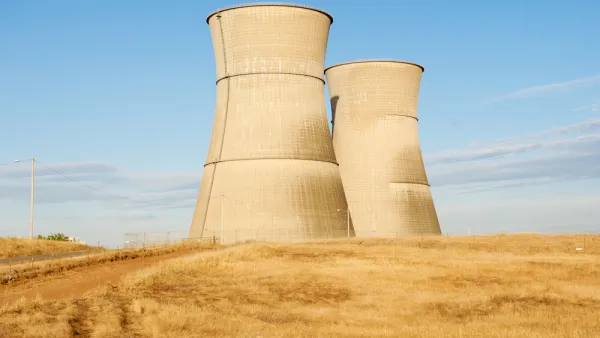
$6 Billion to Keep Uncompetitive Nuclear Plants Alive
The Infrastructure Investment and Jobs Act includes $6 billion to create a credit program to extend the life of existing nuclear power plants, the largest source of carbon-free energy in the nation. The first deadline to bid for credits is May 19.

When Costs of Living Outpace Housing Costs
Even when they qualify for affordable rents, tenants in high-cost neighborhoods find themselves shut out of essential amenities and services.
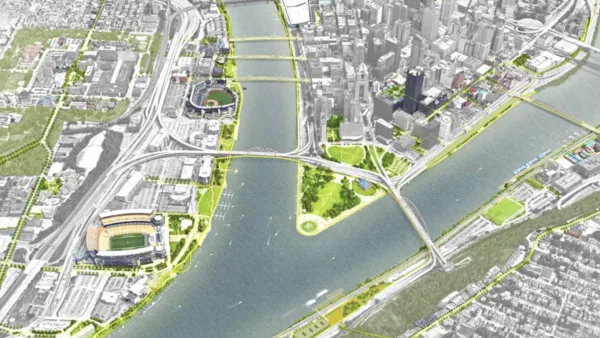
“Completing the Loop” Plan Wins National Award for Excellence in Sustainability
Riverlife and evolveEA were honored by the American Planning Association (APA) for the plan, which outlines a 10-year vision to connect, enhance, and expand Pittsburgh’s network of riverfront parks, trails, and public green spaces.
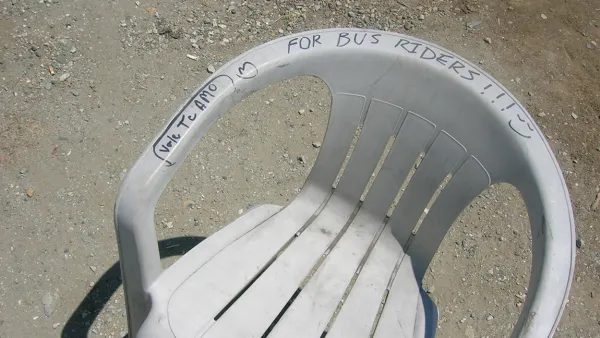
Federal Infrastructure Funding a Rare Opportunity to Improve the Nation’s Bus Shelters
Transit systems faced with decreasing ridership could accommodate access to the most widely available form of transit by building bus shelters. The federal infrastructure bill provides a big opportunity to do so.

How Tax Assessments Are Racist
Between biased property appraisals that undervalue Black-owned properties and biased tax assessments that levy an unfair burden, homeowners of color are flanked by a double-whammy of racism.
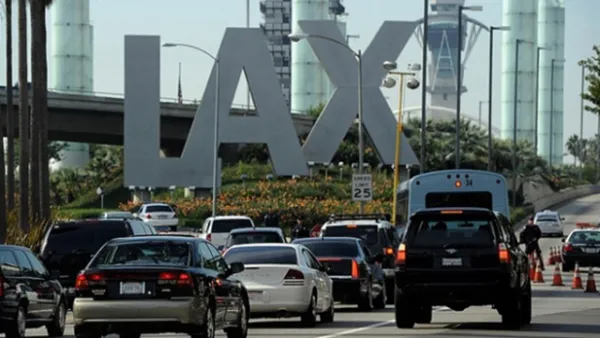
Car Noise Is Killing Us
It’s not just traffic collisions that kill—a new study from researcher at Rutgers finds that the loud noises emanating from cars has direct impact on heart health in Americans.
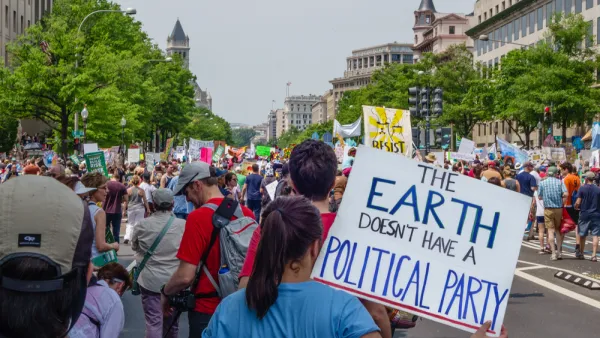
Has the Rug Been Pulled Out From Under Environmentalists?
Robinson Meyer, a climate reporter for The Atlantic, writes about the awkward place American environmentalists find themselves due in part to the war in Europe that has created an international energy crisis and historically high fuel prices at home.
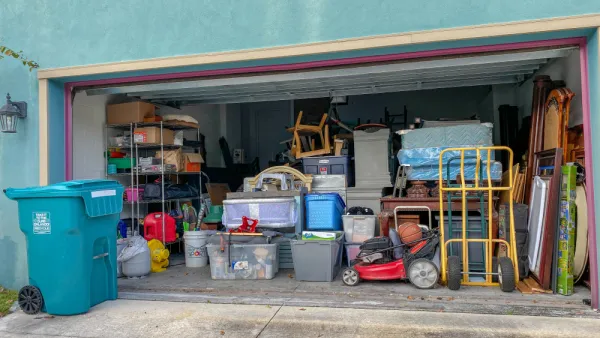
Why a Third of Private Garages Don’t House Cars
With curbside parking available for free in front of most American homes, residents with private garages often choose to utilize the space for household storage. Putting a price on street parking could change that.
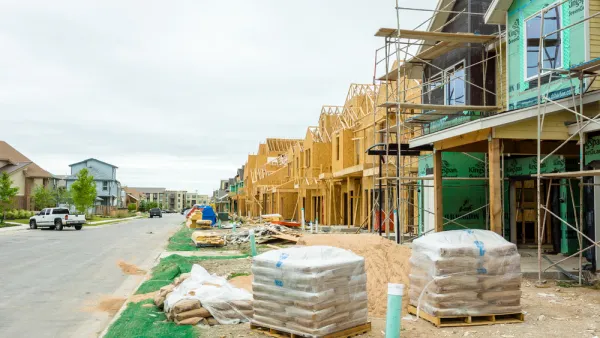
How Construction Costs Affect Housing Prices
The high cost of housing in the United States can be attributed in part to the high costs, regulatory and otherwise, of building new housing.
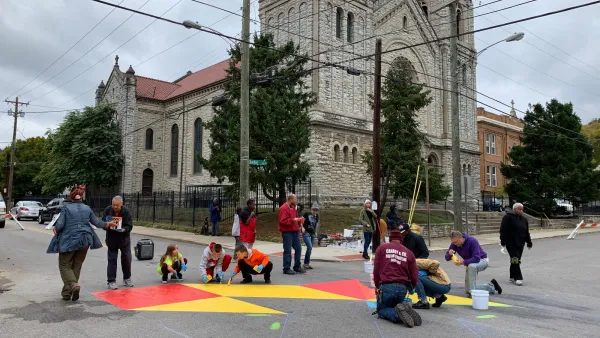
Study: Street Murals Can Prevent Crashes
An analysis of asphalt art around the country indicates that painted intersections and roads can dramatically improve pedestrian safety.
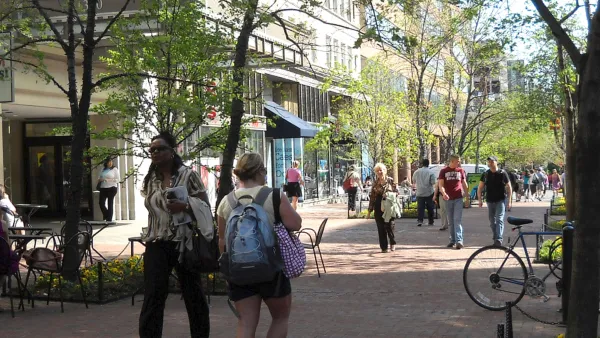
Walkability Scores Don’t Tell the Whole Story
A new report concludes that common ‘walkability’ measures don’t account for many barriers faced by pedestrians, such as environmental factors and policing.

How Urban Sprawl Came To Dominate U.S. Cities—And How To Change That
The auto-centric development patterns of American cities are a result of decades of misguided, but reversible, policy decisions.

Diverging Fortunes: Winners and Losers in the Pandemic Housing Market
The sharp rise in housing costs created massive wealth for property owners, while shutting many potential homebuyers out of the market.
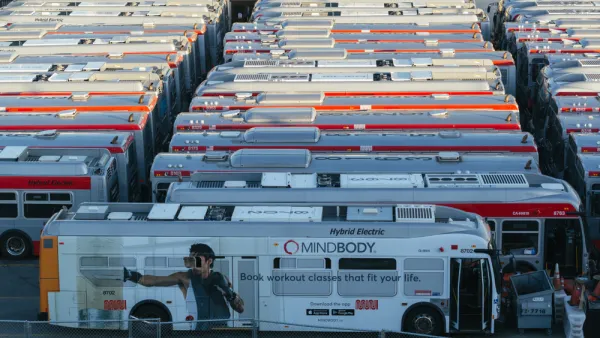
Study: Transit Boards Don’t Reflect Their Ridership
Across U.S. cities, transit agency boards are overwhelmingly more suburban than their riders, causing a disconnect between decisionmakers and the people who regularly use transit.
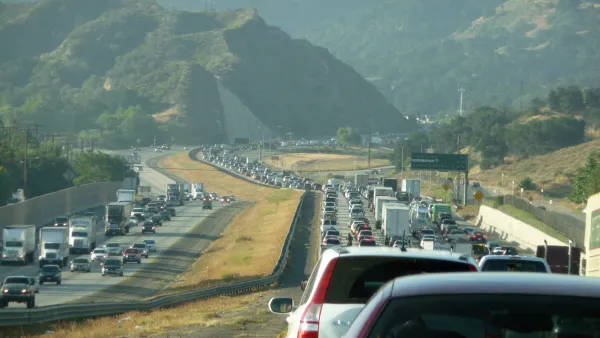
Report: United States Could Cut Transport Emissions by 34 Percent by 2030
The U.S. transportation sector is on track to reduce emissions by 19 percent by the end of the decade, but a new report indicates the public and private sectors could implement policies that would cut emissions by as much as 34 percent.

Coastal Tribes Facing Numerous Existential Threats From Climate Change
From Alaska to Washington, climate change is real, and it’s here now, for indigenous tribes.
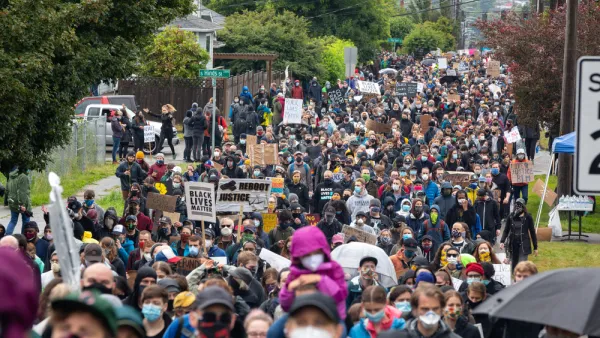
Revisit Michael Ford’s #BlackLivesMatter Appeal to Planners
Michael Ford opened the 2022 National Planning Conference with an engaging keynote address that offered perspective and inspiration for a changed planning profession.
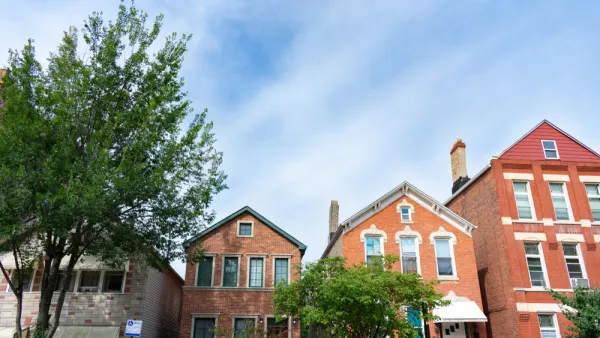
Mechanisms for Improving Equity in the Housing Market
A new initiative seeks to support innovations that reduce inequalities in home valuations between Black and white neighborhoods.

The Problem With Public Input
The current community input process often amplifies the voices of already powerful groups who act to stop valuable projects for their own benefit.

Extreme Heat as a Public Health Crisis
Cities can take action to improve conditions during extreme heat events and prevent heat-related deaths, many of which occur in low-income communities.

FREE Course: Walkable City 1: Why Walkability?
After describing his path towards focusing on walkability as the essence of good planning, Jeff Speck marches through his five principal reasons for making more walkable places.
Reinventing Malls: Planning Alchemy—Turning Gray Fields Into Gold
The course focuses on the opportunities and imperatives that shape reinvention of mall sites.

One Hundred Miles
County of Mendocino
planning NEXT
The Architects Foundation
University of Cincinnati Online
Montrose County
Northern Illinois Transit Authority (NITA)
The Pocatello Development Authority









