United States
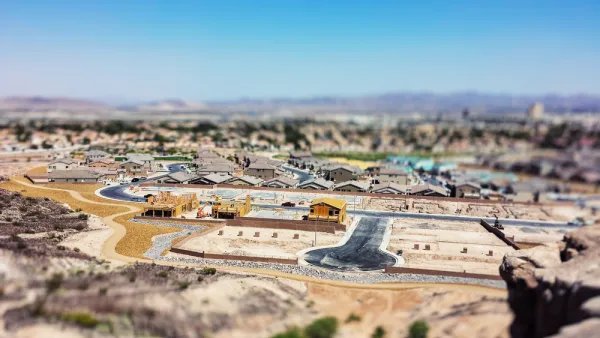
Public Perceptions of Sprawl and Greenhouse Gas Emissions
Urban density has a bad reputation.
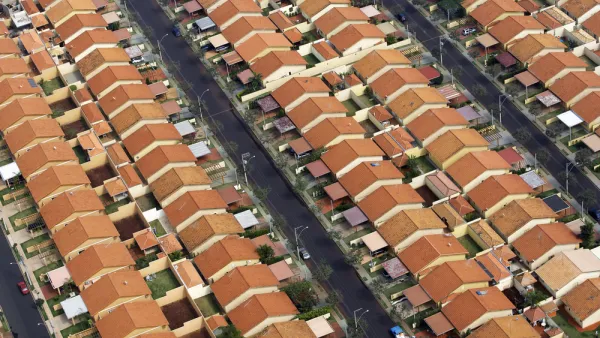
Housing Market May Finally Be Cooling Down
The overheated housing market of the last two years is showing signs of slowing down as home sales fall to the lowest levels since the pandemic began.

Report: Bike Commuting Up by 61 Percent Since 2000
While bike commuting remains below one percent as a regular transportation mode in the United States, the popularity of biking got a boost during the pandemic.

The California High-Speed Rail Project Illustrates America’s Transit Issues
Slow progress and a bloated budget have plagued the High-Speed Rail project linking San Francisco to Los Angeles, exposing deeper issues with American transit projects.
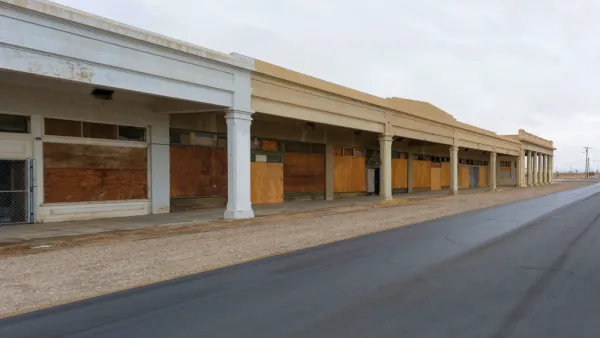
Strip Malls as a Housing Solution
The American strip mall may be a dying breed of commercial development, but could the buildings serve a new use as sustainable housing?
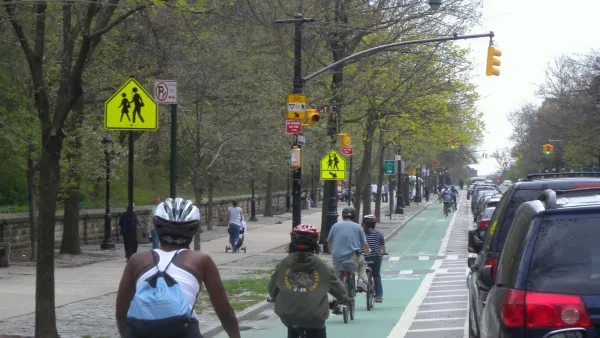
How To Sustain the E-Bike Boom: Make Riders Feel Safe
Riders of electric and non-electric bikes alike agree that they would ride more if they felt safer on city streets, signaling a need for an increased focus on bike infrastructure.

Zoning Stands in the Way of Renewable Energy
Renewable energy is cheap as ever, but zoning isn’t keeping up with the market.
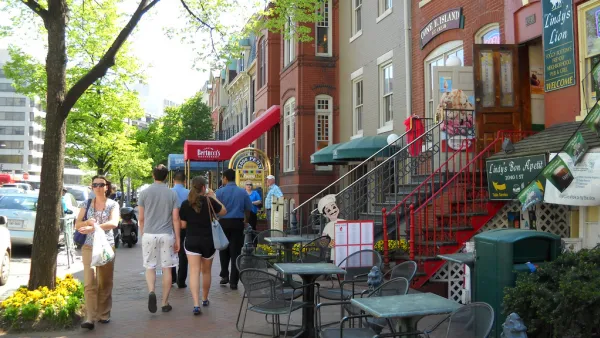
Mixed Use Could Lower Neighborhood Crime Rates
New research shows areas with a heavy concentration of commercial offices experience 40 percent higher crime rates than neighborhoods that mix residential and commercial uses.
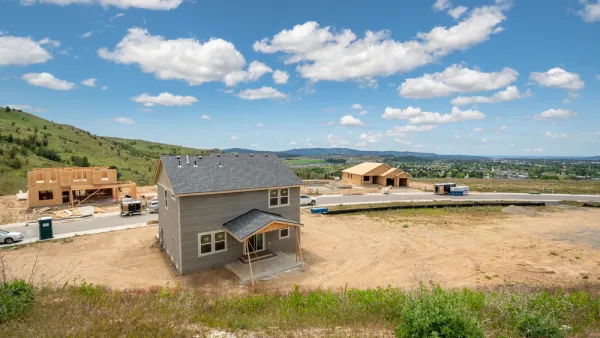
How Minimum Size Requirements Hamper Housing Production
Minimum square footage requirements are preventing many property owners from building on their lots, despite no evidence that they bring any safety benefits or maintain high property values.
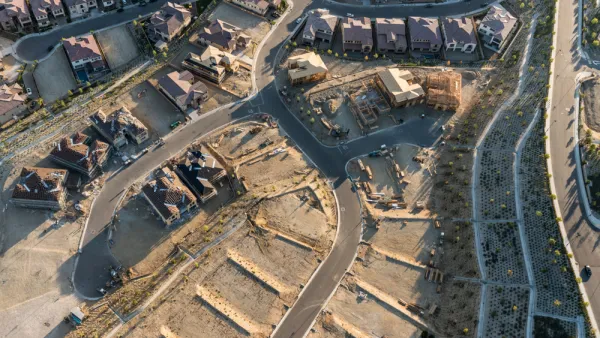
Report: How Housing Inequity Shrinks Economic Opportunities
Increasingly unaffordable housing in most U.S. metropolitan areas is pushing low-income workers farther away, decreasing their access to economic opportunities.
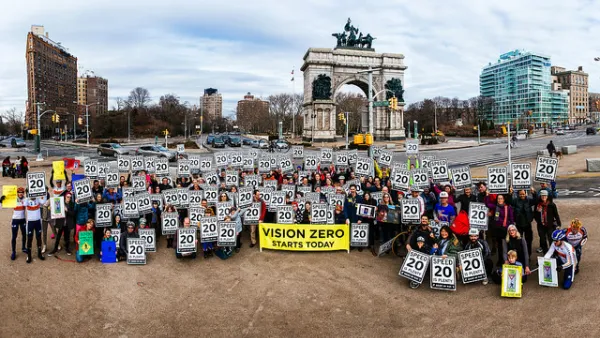
Traffic Fatalities Set Records as Pandemic-Era Road Carnage Shows No Signs of Stopping
An estimated 42,915 people died in automobile crashes in 2021, according to recent federal data. The increasing fatalities continue a trend that began with the outset of the pandemic.
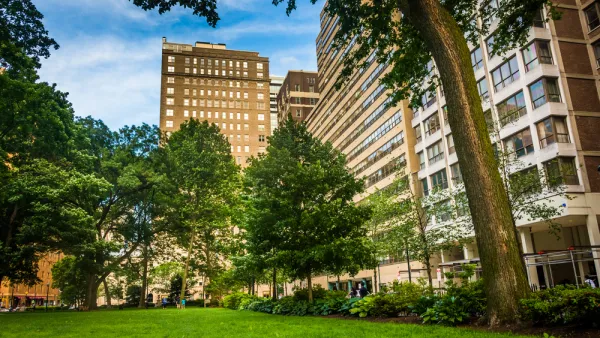
Parks as a Weapon Against Climate Change
The 2022 ParkScore finds that cities are increasingly employing green space as a tool for mitigating heat and extreme weather effects, but the distribution of parks remains inequitable.
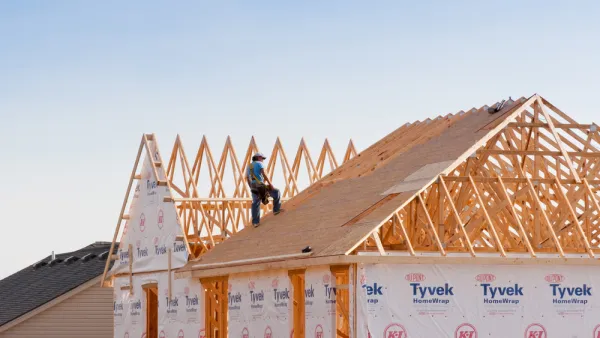
New White House Housing Initiative Includes Zoning Reform Incentives
The Biden administration this morning released a new program of actions intended to spur housing construction around the United States.
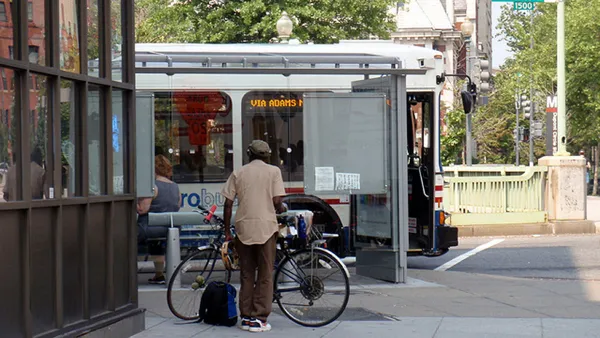
Fare-Free Transit Hasn’t Reduced Car Trips, Data Says
Fare-free transit isn’t the climate change benefit that many have hoped, according to recent writing by David Zipper for Bloomberg.
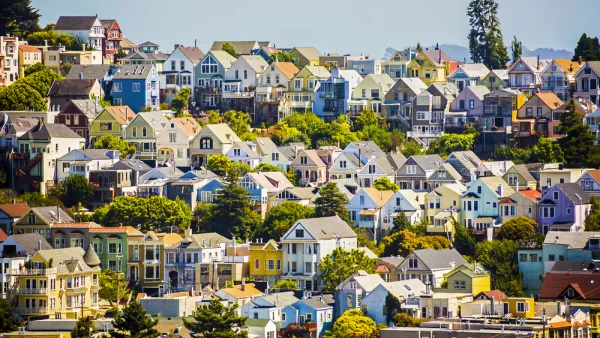
‘Mega-Landlords’ Threaten Housing Stability for Renters
As institutional investors buy up a larger share of single-family homes, the families renting them are increasingly vulnerable to rent increases and eviction.
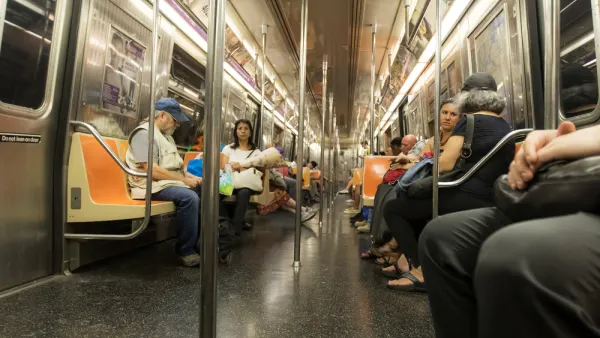
Transit Agencies Will Face Challenges in Getting Federal Dollars
While recent federal legislation allocates billions to transit projects, local leaders face difficult choices as they struggle to match federal funds while ridership remains below pre-pandemic numbers.
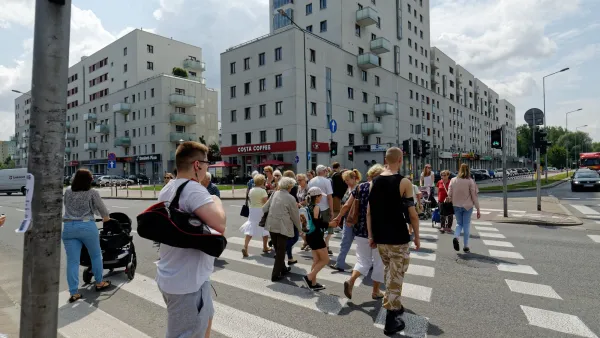
How U.S. Infrastructure Perpetuates Car Dependence
The assumption that it’s “impossible” to live without a car in many American cities perpetuates infrastructure projects that privilege and induce driving.
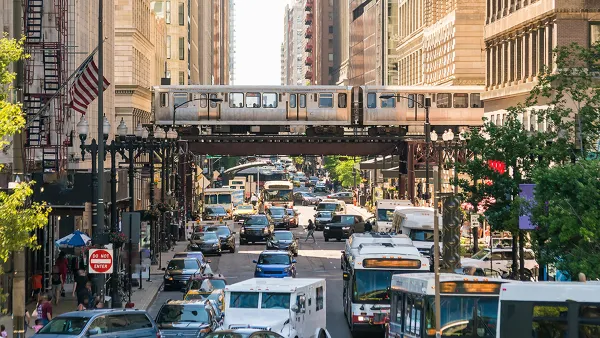
Planning for Congestion Relief
The third and final installment of Planetizen's examination of the role of the planning profession in both perpetuating and solving traffic congestion.
Banning Russian Oil, Part II
Part I occurred when President Biden banned the importation of all Russian fossil fuels on March 8. A month later, Congress passed legislation to codify the embargo. Getting the European Union onboard is proving cumbersome.
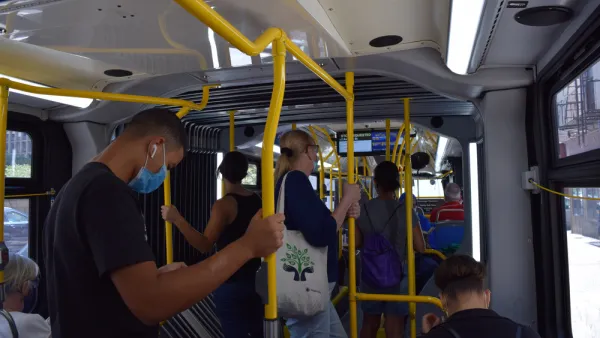
Post-Pandemic Transit Likely To Remain Less Commuter-Focused
While the future of transit ridership depends on a range of still-uncertain factors, the commuter-centric patterns that characterized pre-COVID transit service are probably a thing of the past.

FREE Course: Walkable City 1: Why Walkability?
After describing his path towards focusing on walkability as the essence of good planning, Jeff Speck marches through his five principal reasons for making more walkable places.
Reinventing Malls: Planning Alchemy—Turning Gray Fields Into Gold
The course focuses on the opportunities and imperatives that shape reinvention of mall sites.

One Hundred Miles
County of Mendocino
planning NEXT
The Architects Foundation
University of Cincinnati Online
Montrose County
Northern Illinois Transit Authority (NITA)
The Pocatello Development Authority









