Urban Development

New Community Engagement Practices for Seattle’s Comprehensive Plan Update
A major update of Seattle’s comprehensive plan is just getting under way, with new opportunities for local groups to get involved with outreach and engagement.
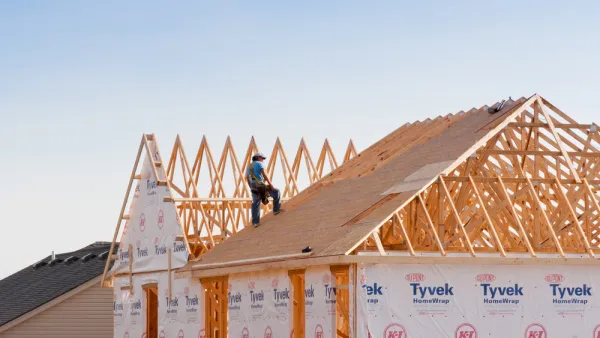
New White House Housing Initiative Includes Zoning Reform Incentives
The Biden administration this morning released a new program of actions intended to spur housing construction around the United States.
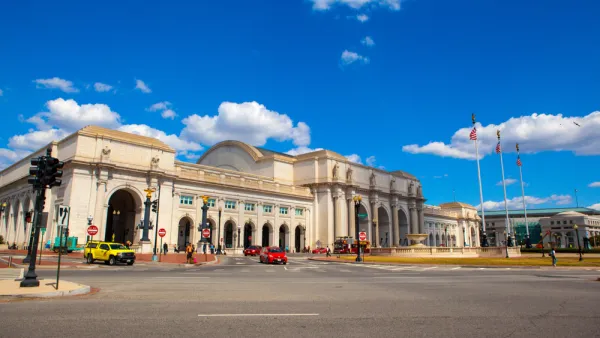
Six-Story Parking Lot Nixed From D.C. Union Station Renovation Plans
The Federal Railroad Administration has removed a six-story parking facility included in a 2020 draft Environmental Impact Statement for a $10 billion renovation of Union Station in Washington, D.C.

House Natural Resources Committee Reveals Bribes in Trump’s Interior Department
Evidence of a 2017 quid pro quo for development permits connected to a massive master planned community proposed in the Arizona desert led the House Natural Resources Committee to take unprecedented action in 2022.
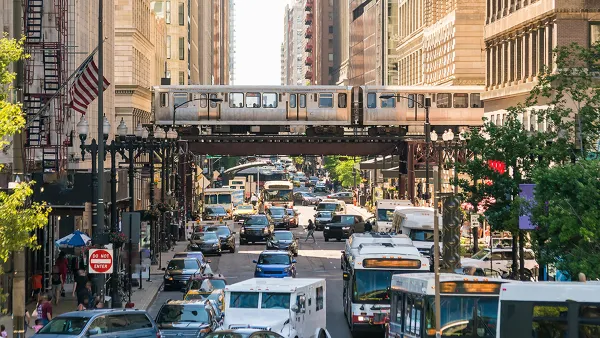
Planning for Congestion Relief
The third and final installment of Planetizen's examination of the role of the planning profession in both perpetuating and solving traffic congestion.
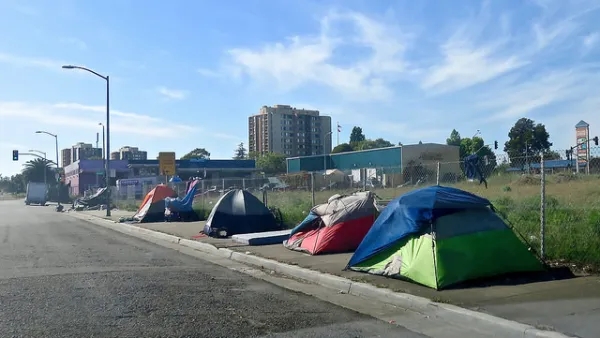
Oakland to Consider 1,000-Room Homeless Shelter
Oakland, California, will consider a former Army base as the location for its largest shelter as its population of people experiencing homelessness grows.
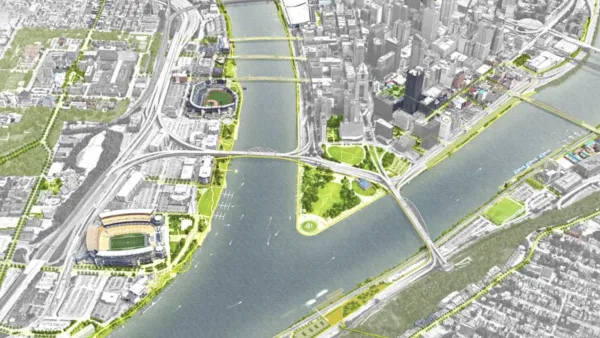
“Completing the Loop” Plan Wins National Award for Excellence in Sustainability
Riverlife and evolveEA were honored by the American Planning Association (APA) for the plan, which outlines a 10-year vision to connect, enhance, and expand Pittsburgh’s network of riverfront parks, trails, and public green spaces.

Five Steps for Financing Urban Adaptation to Climate Change
Urban adaptation to climate change is possible. City leaders and urban researchers put together a five-step roadmap to finance the necessary investments in a recent workshop.
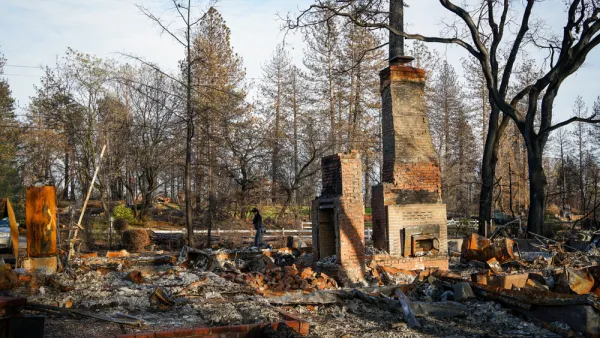
Fire-Ravaged Paradise Plans for a Resilient Rebirth
A new urban design plan calls for a robust buffer zone to protect the town from fast-spreading fires, among other mitigation measures.

How Urban Sprawl Came To Dominate U.S. Cities—And How To Change That
The auto-centric development patterns of American cities are a result of decades of misguided, but reversible, policy decisions.
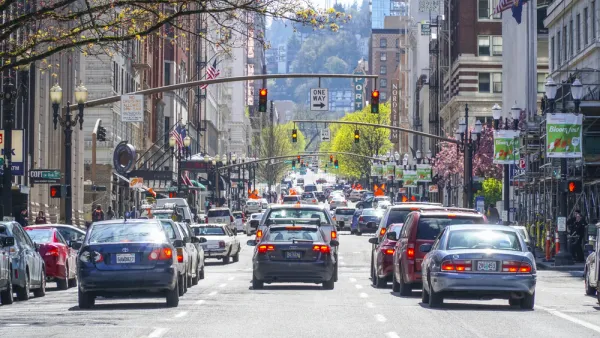
What Is Automobile Dependency?
Automobile dependency is a term used to describe households who must rely on private vehicles for everyday transportation, often due to a lack of safe pedestrian infrastructure, ineffective or absent public transit options, and sprawl.
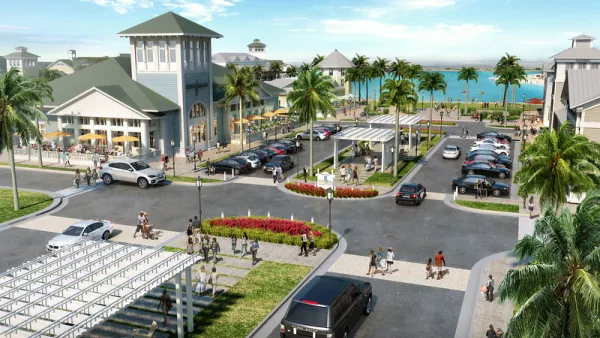
What Is a Planned Unit Development?
A Planned Unit Development (PUD) is a specific type of plan or development commonly associated with master planned communities and sprawl. The specific definitions of a PUD vary by jurisdiction, but the term generally refers to a flexible approach to the planning of a variety of housing types and land uses on a relatively large portion of land.
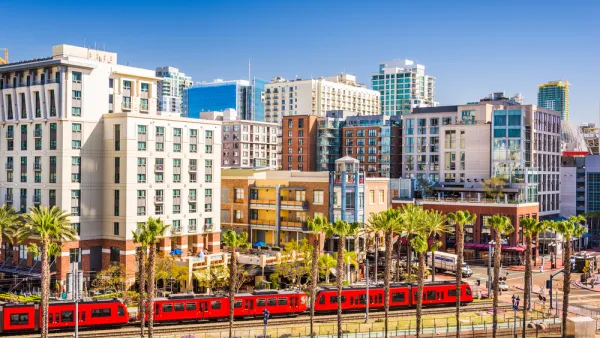
Day Two of the National Planning Conference: Staying on the Cutting Edge
The American Planning Association gathers for its first in-person National Planning Conference since 2019. Planetizen is in attendance. Here is some of what we saw on the second day of the conference.

Day One of the National Planning Conference—Reunions, Pandemic Planning, Equity, and VMT
The American Planning Association gathers for its first in-person National Planning Conference since 2019. Planetizen is in attendance, and here is some of what we saw on the first day of the conference.

Why Nevada Needs Sustainable, Smart Growth
Sprawling cities like Las Vegas must rein in unchecked growth and promote infill development and more sustainable transportation modes.
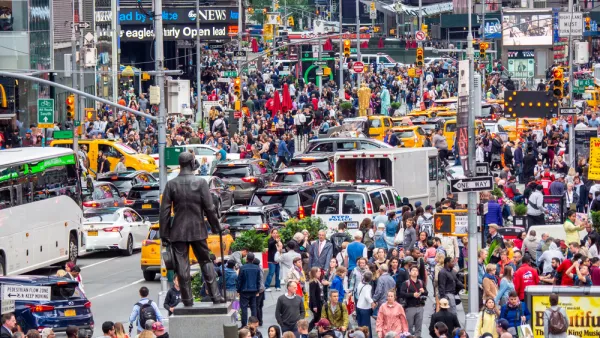
What Is LOS?
Level of Service (LOS) defines how well vehicle traffic flows along a street or road. LOS is one of the most influential metrics in planning, with critical relevance for both land use and transportation planning.

Extreme Heat as a Public Health Crisis
Cities can take action to improve conditions during extreme heat events and prevent heat-related deaths, many of which occur in low-income communities.
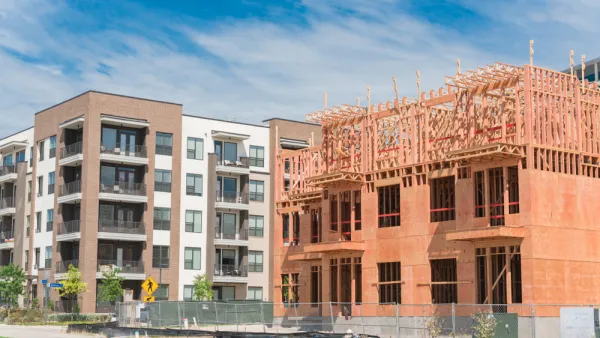
Updated: Proposed Parking Reforms Spark Controversy in Dallas
An ordinance under consideration by the Dallas City Council would change the parking requirements in the zoning code to allow for more density in exchange for affordable housing.
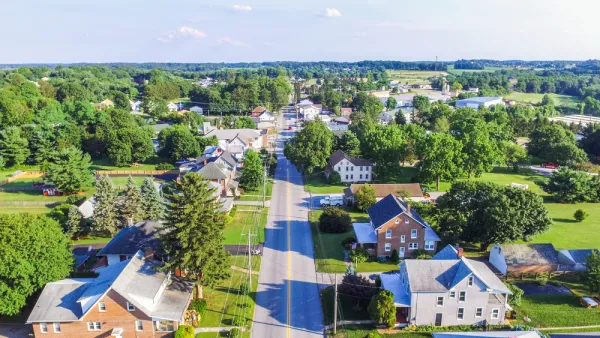
Housing Scarcity in Rural America
With the growth of ‘Zoom towns’ and the sharply rising demand for small-town living, rural communities are facing pressure to maintain housing affordability for long-time residents and boost housing production.
Housing Construction More and More Frequently the Product of Two Companies
The history of U.S. housing construction has traditionally been the story of many companies building a few homes a year. Now two companies alone are out-building the rest of the top ten homebuilders combined.

FREE Course: Walkable City 1: Why Walkability?
After describing his path towards focusing on walkability as the essence of good planning, Jeff Speck marches through his five principal reasons for making more walkable places.
Reinventing Malls: Planning Alchemy—Turning Gray Fields Into Gold
The course focuses on the opportunities and imperatives that shape reinvention of mall sites.

City of Rosemead
Rutgers University, Edward J. Bloustein School of Planning and Public Policy
One Hundred Miles
University of Michigan School for Environment and Sustainability (SEAS)
Hunter College, City University of New York (CUNY)
The Architects Foundation
City of Cambridge
Montrose County
The Pocatello Development Authority









