Urban Development
What Is a Variance?
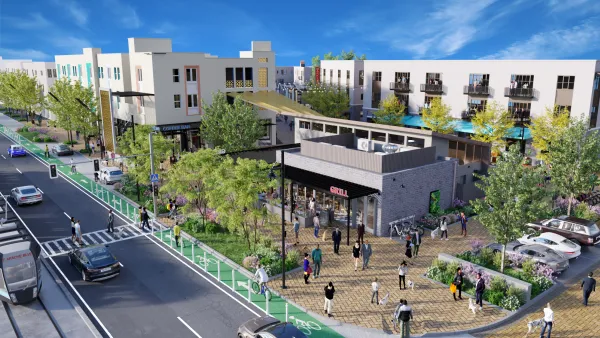
Variances allow for development projects to deviate from the zoning code on a case-by-case basis—if the project developer can prove a unique economic or physical hardship.
Zoning Board of Appeals Overhaul One Step Toward Approval Process Reform in Boston
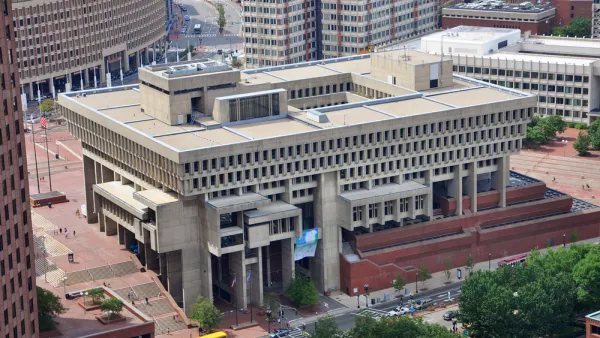
Mayor Wu recently overhauled the makeup of Boston’s Zoning Board of Appeals, but bigger changes will be necessary to depoliticize the city’s development approvals process.
2.7-Million-Square-Foot Astoria Project Approved
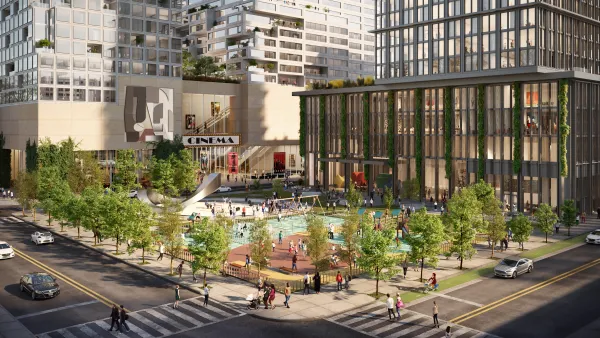
The development will include over 2,800 housing units and 2 acres of public open space.
How the Drive for Profit Flattens the American Landscape
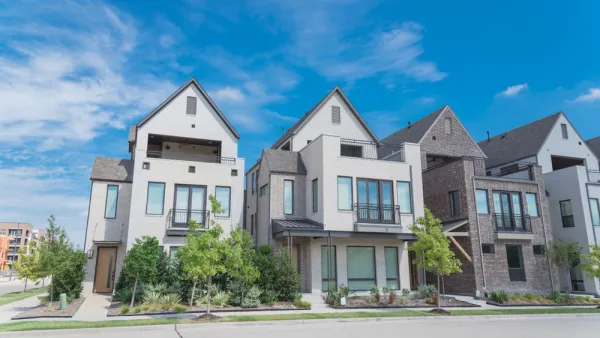
Mass-market production and the commodification of housing has led to a ‘flattening’ of design into a limited set of bland, homogeneous options.
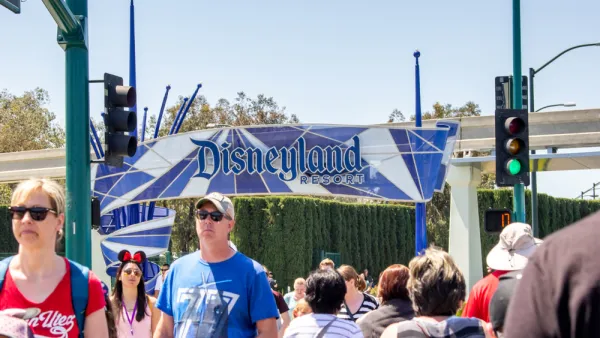
Disneyland Is Too Crowded. Is More Capacity Needed?
Disneyland has a plan to create more supply to meet contemporary demand, a strategy reminiscent of contemporary debates surrounding housing and transportation.
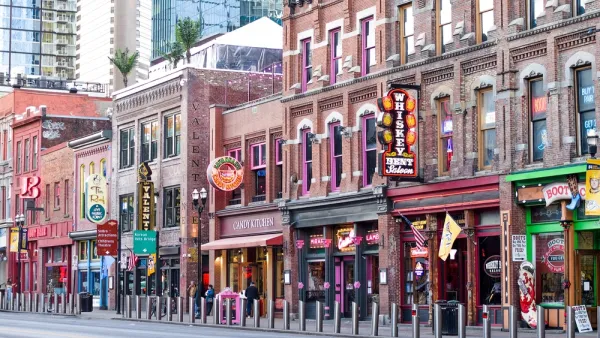
How Adaptive Retailers Contribute to Positive Urbanization
Retailers must respond to changes to stay successful, and urbanization is one of the major factors influencing changing circumstances. Retail representatives that react with care and thoughtfulness contribute to positive urbanization.

$100 Million to Help Fund Buffalo Bayou Expansion in Houston
Originally proposed in 2019, the Buffalo Park East Master Plan, which would extend Buffalo Bayou Park to the East End and Fifth Ward neighborhoods, is suddenly in high gear.
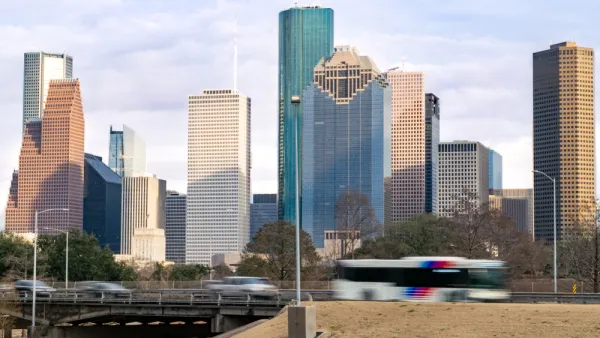
Houston Metro Seeks Proposals for Transit-Oriented Development
The agency will assess ways to more effectively use its surface parking lots and encourage more mixed-use development near transit hubs.
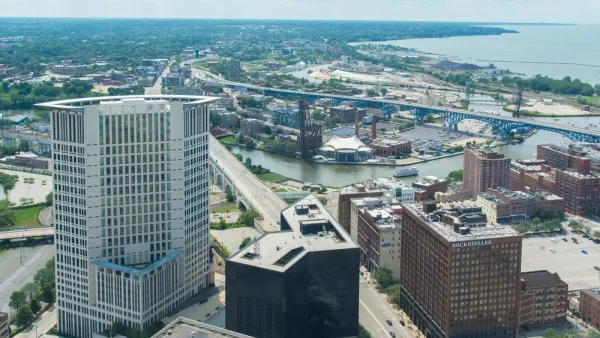
Cleveland Launches New Master Plan to Connect Downtown to Lake Erie
Dual, cooperating studies are underway in Cleveland to reimagine the connections between the city's downtown and lakefront.

When Taller Buildings Don’t Mean More Density
Some New York City developers are building low-density luxury high-rises that, in some cases, have fewer units than the buildings they replaced.
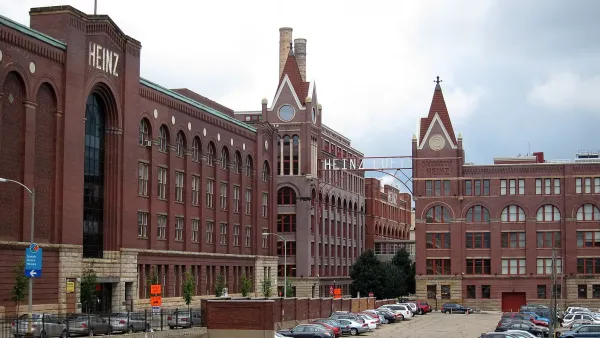
Zoning Changes, Federal Funds Enable Adaptive Reuse Program in Pittsburgh
Funding and zoning changes are likely necessary but insufficient on their own, to borrow a phrase from Nolan Gray. Pittsburgh hopes to deploy both to spur adaptive reuse in the city.
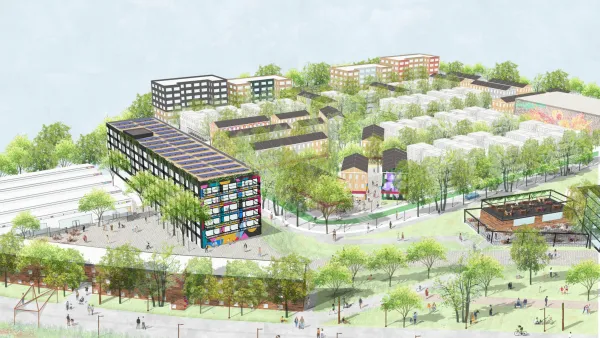
Tempe’s Car-Free Developers Headed to Atlanta
Culdesac, developer of a massive no-parking multi-family development in Arizona, is headed to Georgia.
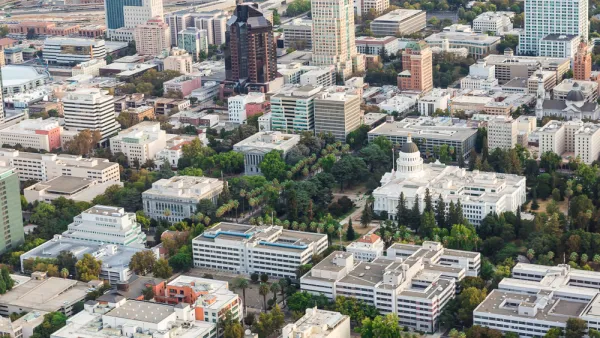
California Continues its Housing Policy Reinvention
It’s no longer business as usual in California when it comes to planning and developing housing.
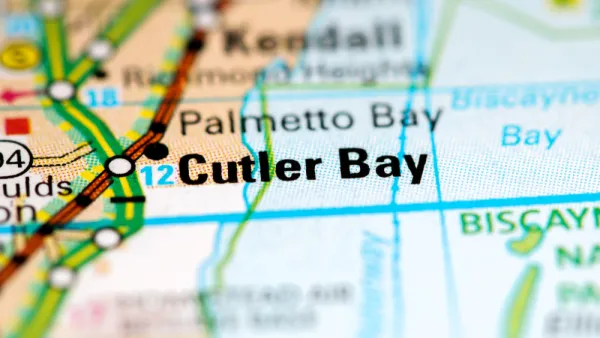
$1 Billion Redevelopment Planned for a Former Mall in Cutler Bay, Florida
Mall not making money like it used to? How would a $1 billion redevelopment sound?

A New Urban Growth Boundary for Metro Denver
Douglas County’s master plan indicates that areas south of current development will likely remain preserved through conservation initiatives, but the metro area’s booming population indicates that growth will continue to happen, somewhere.
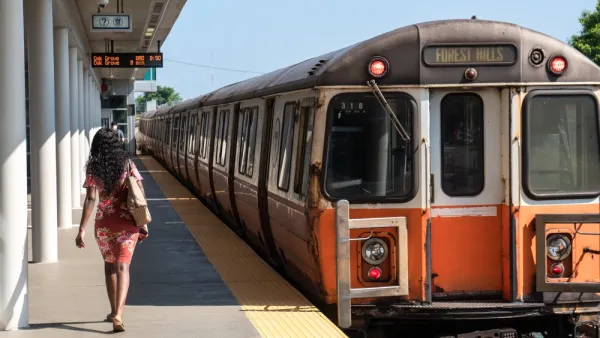
When Transit-Oriented Development Is Missing the ‘Transit’
Cities, residents, and developers have a renewed interest in building more housing near transit stations—when they actually provide safe, reliable transit.
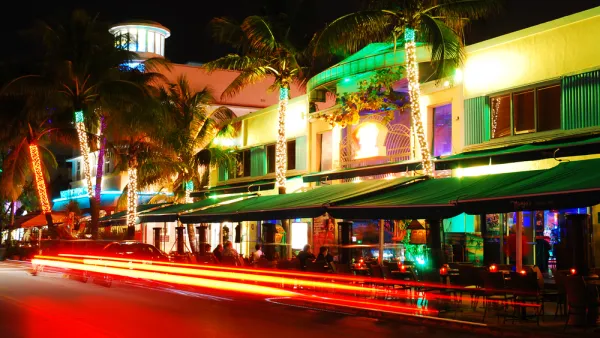
Revamped Curb Management Strategies Among Pandemic Changes Likely to Stick in Cities
With so many more people working from home, ordering delivery, and moving around the public realm in new ways, advanced curb management strategies are among the pandemic-era innovations likely to stick long into the future.
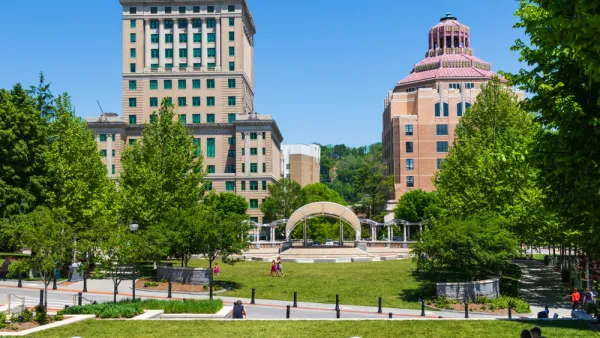
How Tax Assessments in a Supposedly Progressive County Are Reinforcing Racism
Buncombe County in North Carolina was one of the first places in the U.S. to support reparations for Black residents. So why is the county not doing a better job of addressing property tax inequities that directly impact residents of color?
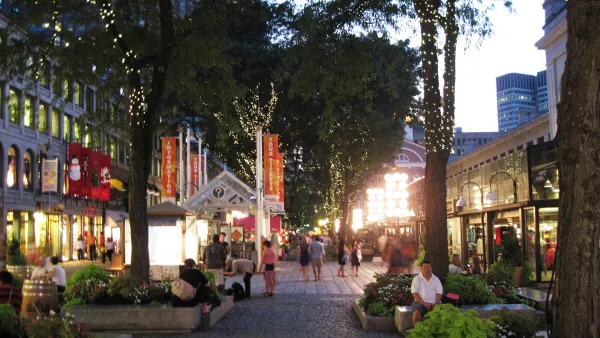
Making Healthy Places
The editors of the book "Making Healthy Places," recently published in a second edition by Island Press, discuss the intersections of public health and planning, including key concepts such as green gentrification, health impact assessments, and AI.
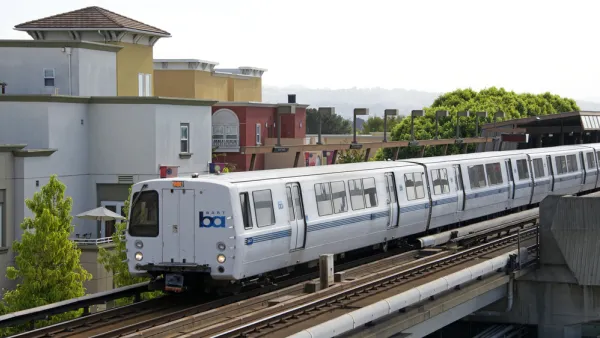
Inclusive Prosperity: No Displacement Necessary
Recent analysis identifies nearly 200 U.S. neighborhoods that have achieved the highly-sought-after goal of increasing the prosperity of residents without displacing the existing community.

FREE Course: Walkable City 1: Why Walkability?
After describing his path towards focusing on walkability as the essence of good planning, Jeff Speck marches through his five principal reasons for making more walkable places.
Reinventing Malls: Planning Alchemy—Turning Gray Fields Into Gold
The course focuses on the opportunities and imperatives that shape reinvention of mall sites.

KFH Group Inc.
Greater Baltimore Committee
Eagle County Government
The Architects Foundation
University of Cincinnati Online
The Pocatello Development Authority
The Urban Renewal Agency of the City of Pocatello