Transportation
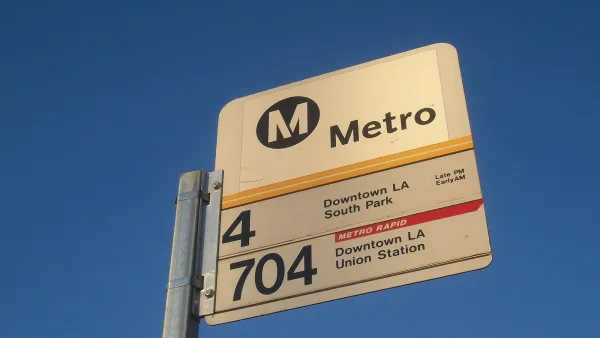
Metro L.A. Drafts Frequent Bus Service Plan
Late last week, Los Angeles transit riders got a first peak at the proposed NextGen Bus Plan, a system redesign that promises to completely redefine transit access in the county.
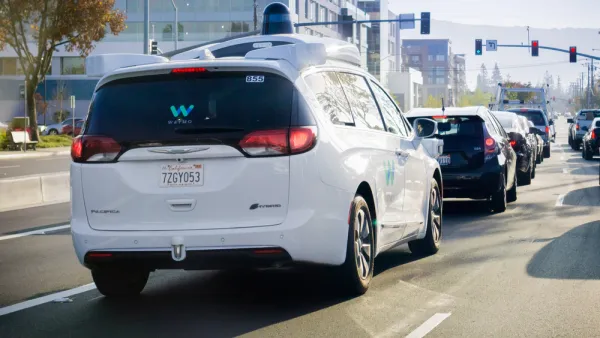
U.S. DOT Reveals Latest Autonomous Vehicle Guidelines
The U.S. Department of Transportation, under fire for not doing enough to prevent an Uber self-driving car from killing a pedestrian in Tempe in 2018, has released the latest iteration of guidelines for autonomous vehicle technology.
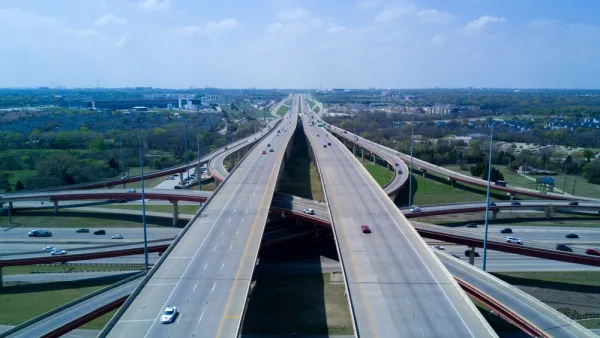
When Cities Are Designed for Driving, Car Bans Are Not the Solution
Banning cars will not be effective as long as U.S. cities continue to prioritize transportation systems where mobility is dependent on driving.
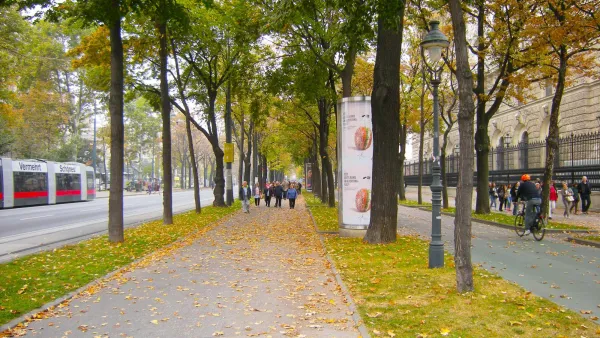
The City as a Self-Organizing, Adaptive System – Part 2
The adaptive nature of cities is exemplified once again, by the self-organizing response of street networks after transformative changes.

The Ticket to Opportunity in Indianapolis
An organization successfully balanced the tension between expanding rail line service and improving bus service, and ensuring race was at the forefront of the conversation.

Coming in 2020: Electrification of Transportation, Including Trucks
Auto manufacturers will offer more battery and plug-in hybrid models this year, and the nation's largest state is expected to approve a new regulation requiring medium and heavy-duty truck manufacturers to sell zero-emission vehicles.
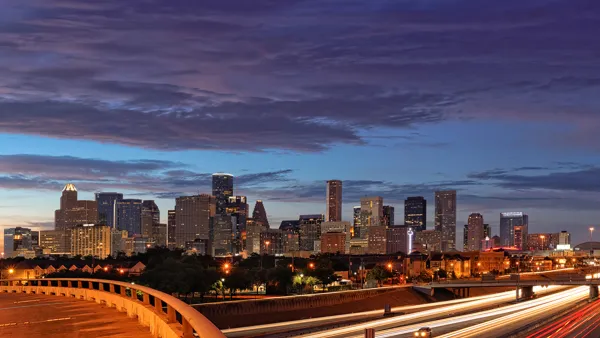
Changes in Houston Over the Last Decade
Comparing Houston in 2010 to the city today reveals a variety of transportation, infrastructure, and economic changes.
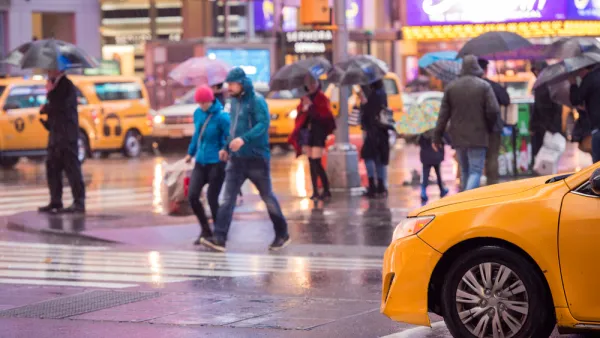
How Cities Can Digitize Their 21st Century Mobility Policies
As we enter the digital age of transportation, cities are finding new ways to digitize their policies.
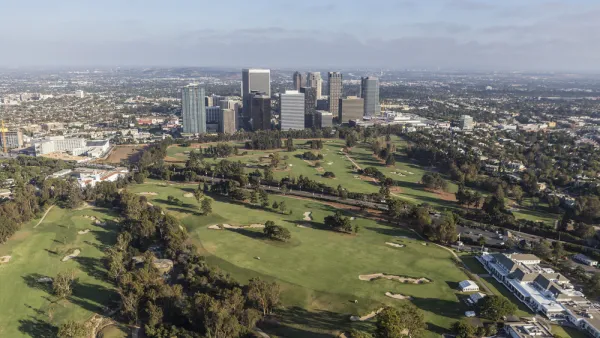
2010s Were Best Of Times, Worst Of Times in California
California started the decade with a recession and hangover from rampant development in the 2000s. What ensued was an economic boom like none other. Meanwhile, its cities developed only incrementally, spiraling into a catastrophic housing shortage.

Urban Planning Trends to Watch in 2020
Planetizen Managing Editor James Brasuell tries to predict the big ideas and trends that will dominate the discussion about the future of land use, planning, and development in the first year of the new decade.
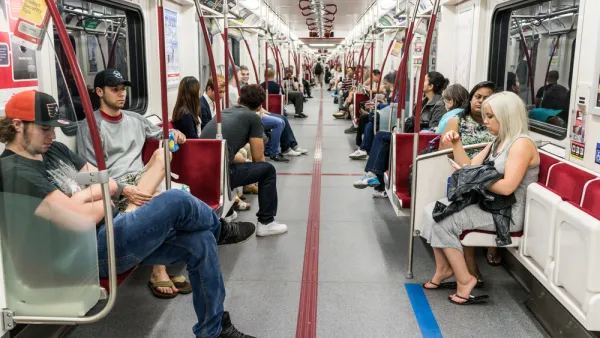
As Canada Grows, Transit a Key Component of Success
The population in Canada will increase substantially in the future, and transit planning is crucial to ensuring that cities thrive.
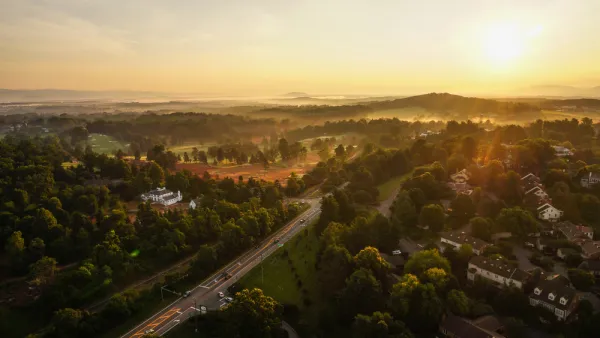
Regional Transit Could Boost Ridership in Charlottesville
Transit ridership has been waning in Charlottesville, Virginia, but a regional system could benefit the area’s operators and better meet the mobility needs of riders.
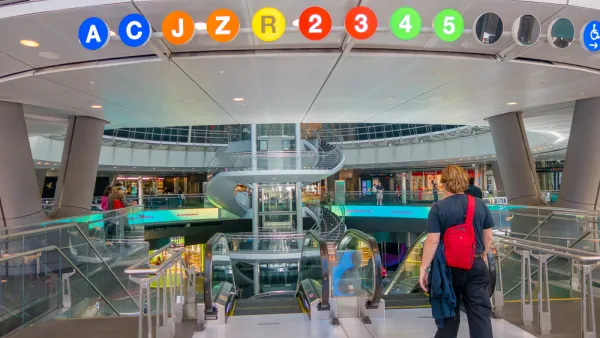
Eno to Launch Study of High U.S. Transit Costs
The Eno Center for Transportation is answering long-overdue calls for more information about the well documented costs of transit investments in the United States.

A Decade of Transit Investments, Quantified
Yonah Freemark gives less-than-stellar marks for the transit investments of U.S. cities in the 2010s.
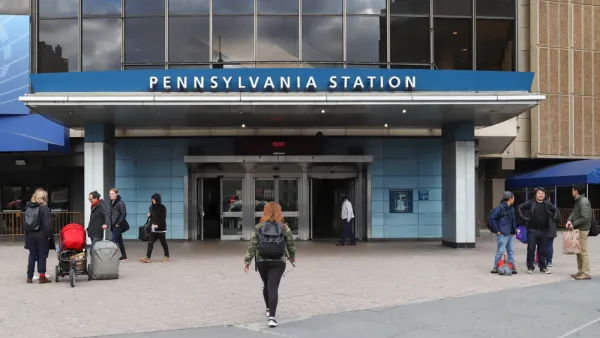
Gov. Cuomo's Plan Would Expand Penn Station Tracks by 40%
A new plan to add significant space for new tracks and platforms at Penn Station would require demolishing a whole city block in Manhattan.
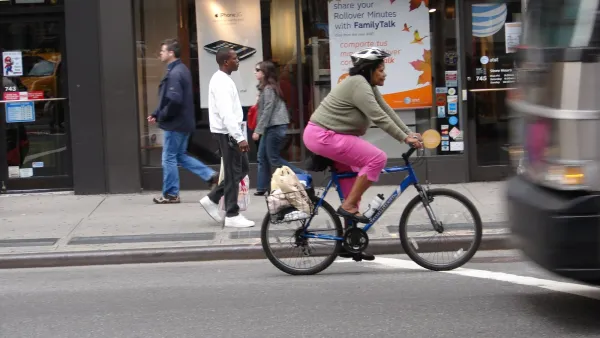
Study: Walking and Cycling Rates Haven't Changed Much Since 2001
New analysis of National Household Travel Survey data shows that the United States has a long way to go to overcome the dominance of the automobile for daily travel.
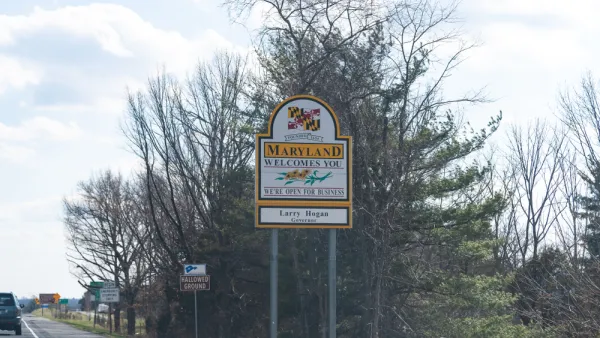
Highway Expansion Plans Benefitted Governor's Real Estate Business, According to Report
Governor Larry Hogan is accused of personally benefiting from the state of Maryland's ongoing highway expansion program.
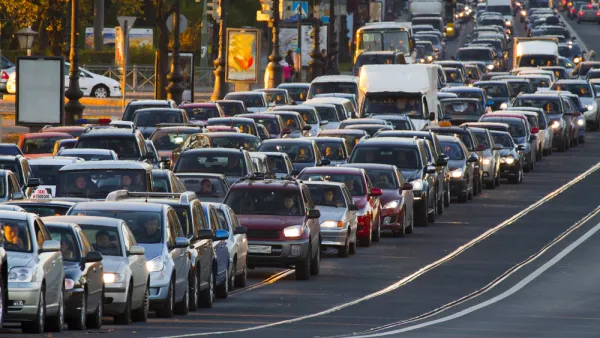
Opinion: Car Culture Will Shift in the Next Decade
Cars and vehicle emissions are undoubtedly central to the climate change problem. The solution, however, might not be cleaner vehicles but rather a drastic change in our relationship to automobiles and driving.
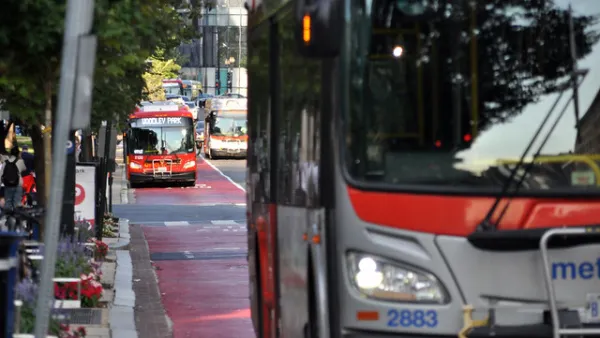
Red Bus Lanes Easier to Install Thanks to Federal Green Light
Bus lanes covered in a red carpet of paint are gaining popularity in urban areas, but only with a very tentative kind of approval from federal regulators. Red bus lanes took a big, but not final, step toward full regulatory approval in December.
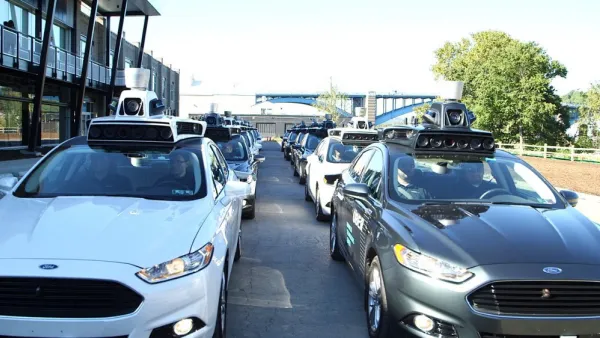
Technology Might Not Save Us
In the absence of more enlightened policies, technological change is as likely to increase pollution as to decrease pollution.

FREE Course: Walkable City 1: Why Walkability?
After describing his path towards focusing on walkability as the essence of good planning, Jeff Speck marches through his five principal reasons for making more walkable places.
Reinventing Malls: Planning Alchemy—Turning Gray Fields Into Gold
The course focuses on the opportunities and imperatives that shape reinvention of mall sites.

Greater Baltimore Committee
Eagle County Government
Harvard University Graduate School of Design
The Architects Foundation
University of Cincinnati Online
The Pocatello Development Authority
The Urban Renewal Agency of the City of Pocatello
Journal of the American Planning Association