Transportation
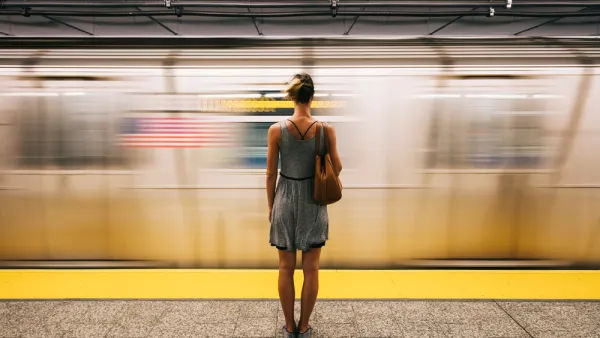
For Transit to Better Serve Women, More Data Needed
Understanding how women use transit does not just help make systems more equitable. It also guides policy and planning changes that benefit all riders.
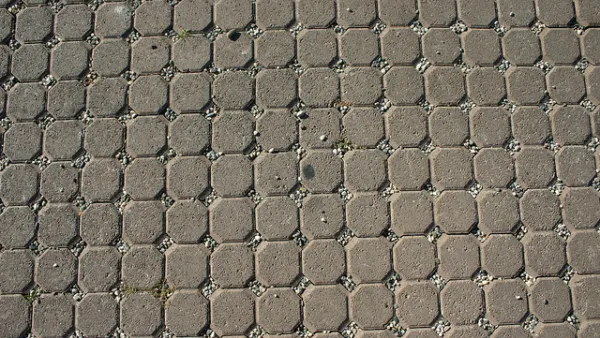
A Minnesota Suburb's Permeable Pavement Leadership
Shoreview, Minnesota has one of the most extensive permeable pavement systems in the United States. This technology has reduced the need for expensive grey infrastructure like stormwater sewer systems.
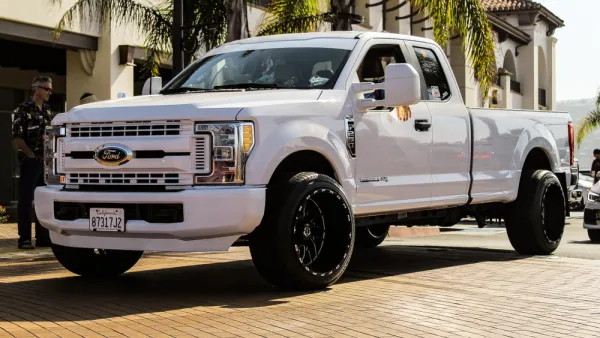
Climate Concerns Largely Absent in Auto Showrooms
A consumer survey found that less than a third of respondents considered carbon emissions or the environment when they last purchased a motor vehicle, yet three-quarters of Americans consider climate change a major problem or crisis.
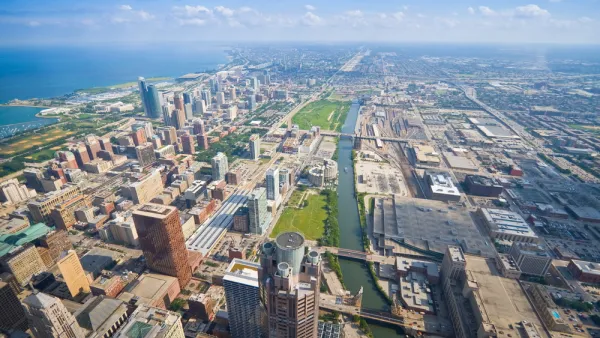
The Impact of Segregation and Disinvestment on Chicago's Black Population
The city is losing black residents, but those who stay are relocating to parts of the city with less transportation access and opportunities.
How Cars Make Life More Expensive—Even If You Don't Own a Car
Auto-dependence starts with land use, and zoning codes ensure everyone pays for the privilege only available to some.
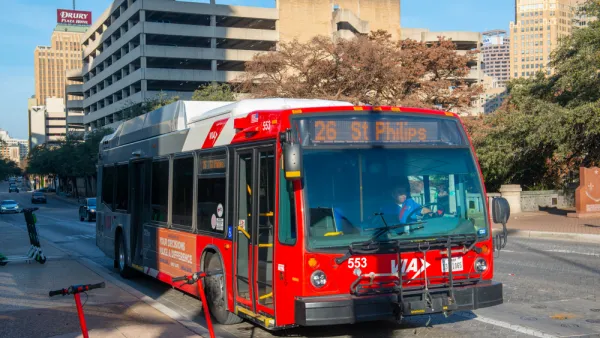
Better Transit Service, More Transit Riders
San Antonio's investment in more frequent service on several popular routes has resulted in many more riders.
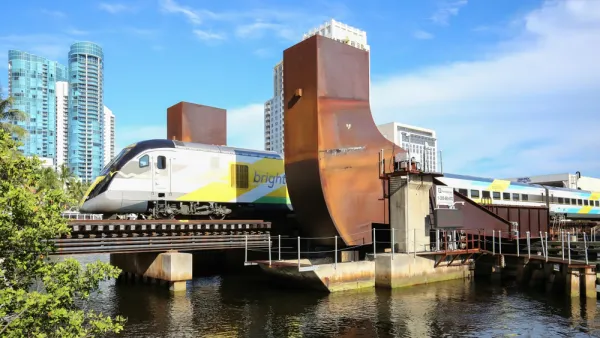
Fort Lauderdale Train Tunnel Would Be Costly $3.3 Billion Solution to Free Up New River
A recommendation to move trains under the New River instead of over an existing drawbridge comes with a hefty price tag.
Streets With No Sidewalks the Norm in Central Indiana
In a planning area encompassing Hamilton, Hendricks, Boone, Johnson, Morgan, Shelby and Hancock counties in Indiana, streets with no sidewalks outnumber streets with sidewalks by more than two to one.
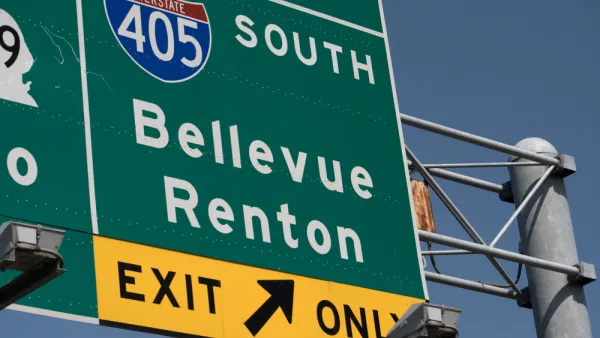
Sound Transit's Stride BRT to Bring Additional Time Savings
An expansion of Interstate 405 in the Seattle region will include bus rapid transit stations that will allow vehicles to travel even faster along the new transit corridor.

Evaluating the Washington Growth Management Act
The state law that set urban growth boundaries around the state is in its fourth decade as suburban sprawl expands urban growth boundaries around Washington.
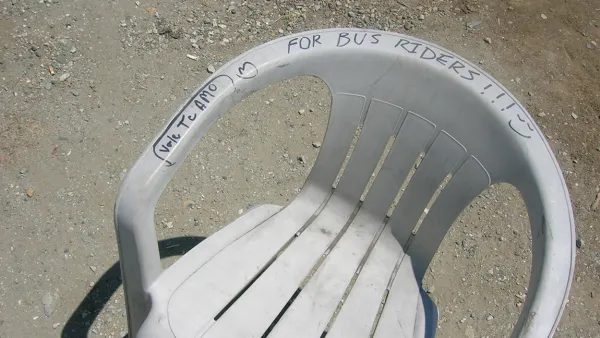
What $454 Million in Bus Facility Funding Pays for in the United States
Spoiler alert: not much.
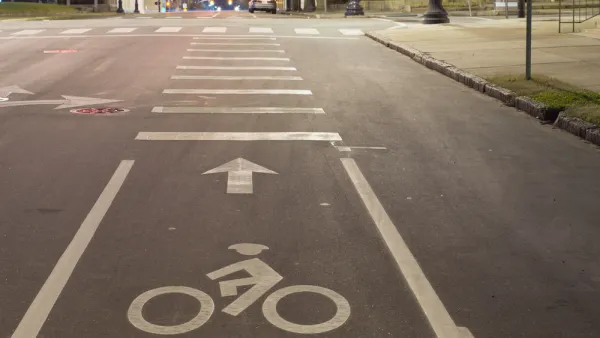
Bike Lane Program Creates Controversy in Atlanta Suburb
Decatur, Georgia planned big for bike infrastructure, and now car commuters are saying traffic is more congested than ever.
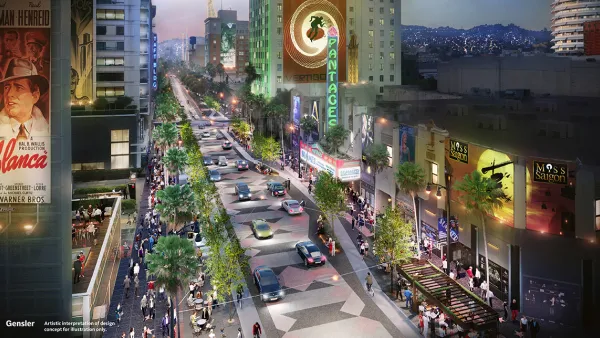
Makeover Proposed for Hollywood Boulevard's 'Walk of Fame'
A Los Angeles councilmember would drastically redesign one fo the city's most famous streets, stopping short of removing cars entirely from the stretch of road, but still removing vehicle lanes.
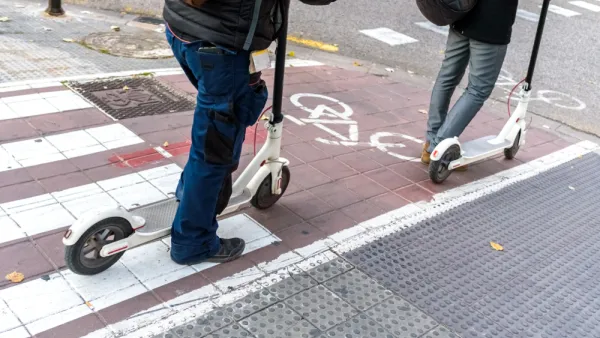
What Does the Future Hold for Electric Scooters Rentals?
Four predictions for the future of the conspicuous, controversial dockless scooter rental industry.
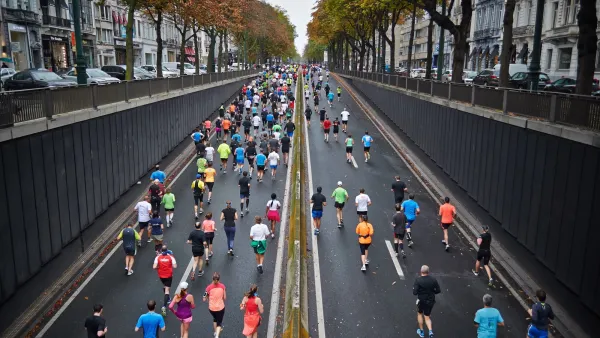
The End of Auto-Dependence
Enough European cities have shown it can be done. It's time for U.S. cities to follow suit.
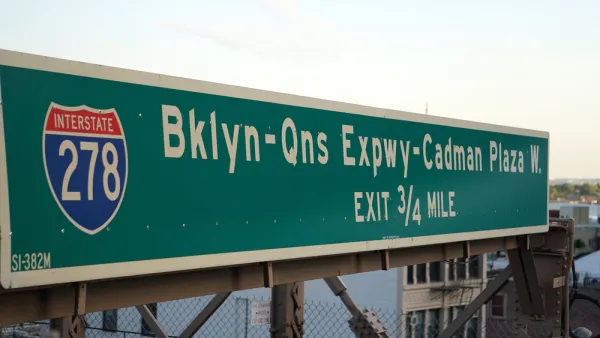
Shrinking Highways: Could the Brooklyn-Queens Expressway Be the First?
Highways have been razed, replaced with boulevards, and streets have been placed on road diets, but what about lane reductions on interstate highways? That's one recommendation in a report released Thursday by a panel of experts on the BQE.
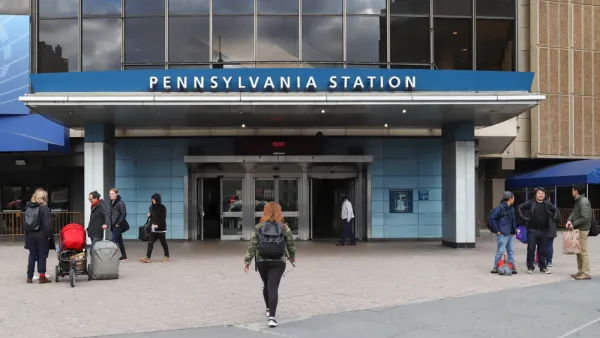
Ranking the Plans to Remake Penn Station
There have been many attempts to redesign Penn Station, but not all of them were created equal.
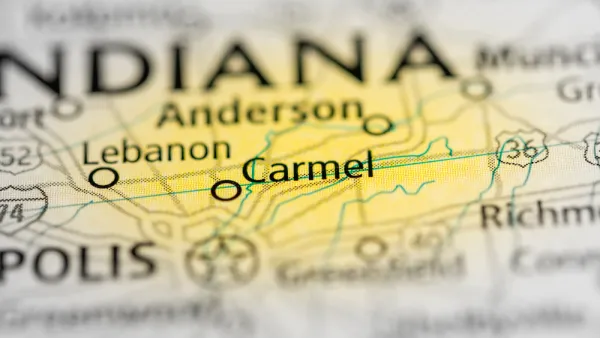
Bike-Friendly City in Indiana is Known for Plentiful Roundabouts
Indiana's fifth-largest city, of just under 100,000, residents has 120 roundabouts, more than any city in the U.S., and only 14 traffic lights. The average traffic fatality rate is 83 percent lower than the national average.
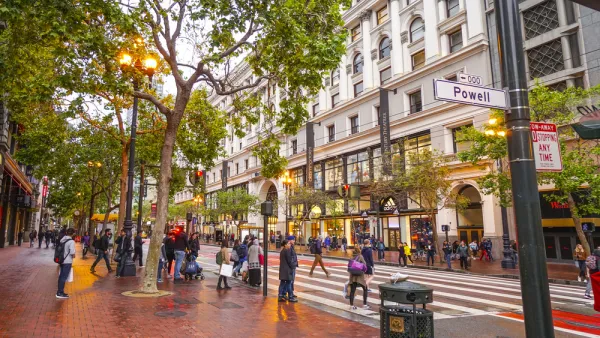
Car-Free Streets Aren't a Silver Bullet
The San Francisco Chronicle's urban design critic tempers expectations for Market Street in San Francisco, where the city this week undertook an ambitious, but perhaps over-sold, redesign of the busy street.
Integrating Arts and Culture Strategies into Transit Plans
In every phase of transit development, arts and culture strategies can be employed to inform and enhance the process. Here are examples from three different transit projects around the country.

FREE Course: Walkable City 1: Why Walkability?
After describing his path towards focusing on walkability as the essence of good planning, Jeff Speck marches through his five principal reasons for making more walkable places.
Reinventing Malls: Planning Alchemy—Turning Gray Fields Into Gold
The course focuses on the opportunities and imperatives that shape reinvention of mall sites.

Greater Baltimore Committee
Eagle County Government
Harvard University Graduate School of Design
The Architects Foundation
University of Cincinnati Online
The Pocatello Development Authority
The Urban Renewal Agency of the City of Pocatello
Journal of the American Planning Association