Transportation

Can L.A. Metro Fund its Fareless Transit Pilot?
The Los Angeles County Metropolitan Transportation Authority Board of Directors has approved a program that would eliminate fares for students and low-income riders, but the program's future rests on finding sustainable funding sources.
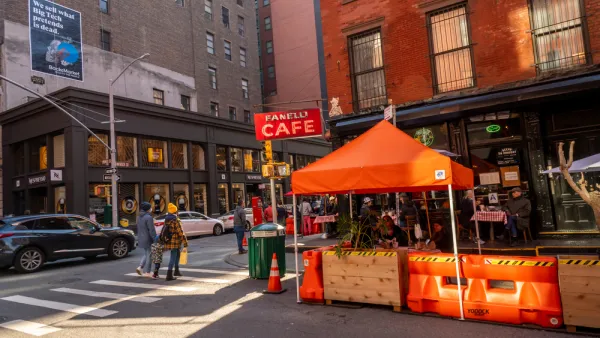
Outdoor Dining Debate Heats Up as New York City Opens Up
A study, a debate, and an awards show—all included in the wild west politics of parking in the Big Apple.
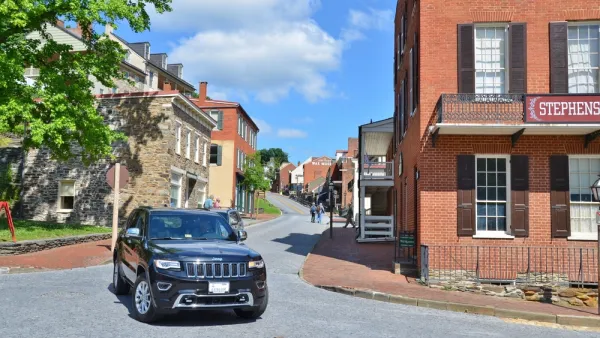
For Transportation Justice, Auto Safety Must Protect People Outside the Car
Light trucks are killing more pedestrians than ever while keeping their drivers and passengers safer. Is it time to reframe safety regulations?
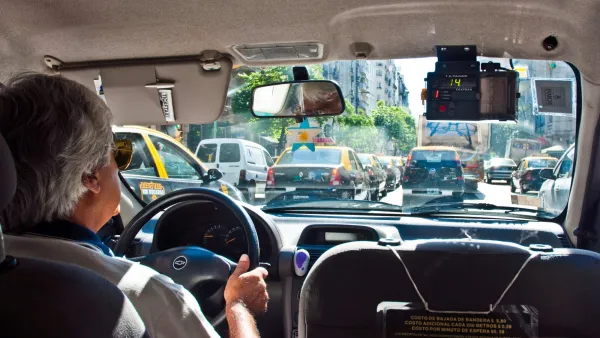
Human Movement, Captured by a 'Very Clear' Mathematical Law
The "universal visitation law of human mobility" documented in a newly published study in Nature offers predictive power for urban mobility in addition to empirical validation of Central Place Theory.
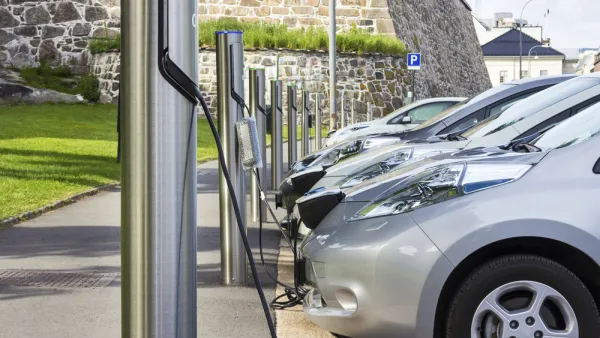
American Jobs to Build Electric Vehicles Excludes Miners
Mining jobs needed to produce the metals for processing into battery parts used to build electric vehicles in America will not be developed in the U.S. but in Australia, Brazil and Canada, mainly to avoid battles with environmentalists.
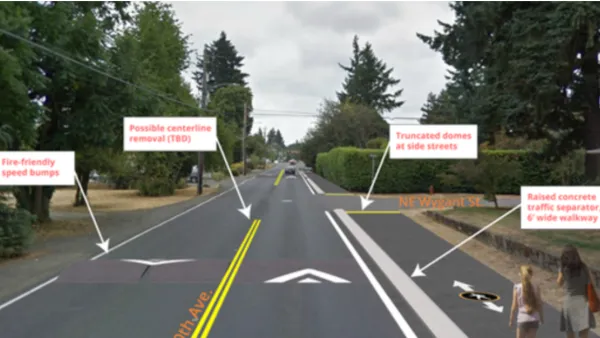
Portland Installs 'Alternative Pedestrian Walkway'
The walkway is simpler and faster to build than a sidewalk, letting the city quickly and cost-effectively improve pedestrian safety on important walking corridors.
Parking Minimums on the Chopping Block in Richmond, Virginia
Richmond, Virginia has decided to study the idea of removing parking minimums to lower the cost of housing and make more efficient use of land in the city.
San Diego High-Speed Rail Plan Counts on Future Density
Despite slowing population growth statewide, officials believe the region will "grow into" the new rail system if cities promote dense development around transit stations.
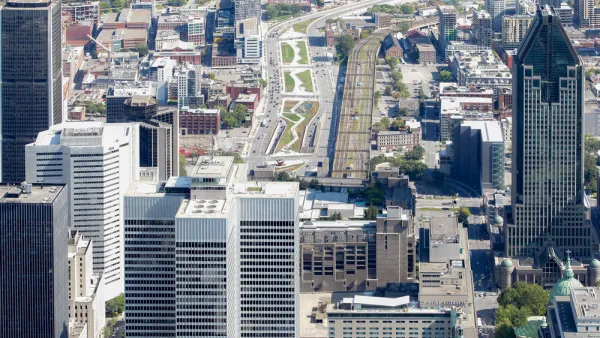
How Highway Removal Can Benefit Cities
Cities across the country are reevaluating the impacts of major highway on neighborhoods and looking for ways to revitalize and reconnect communities.
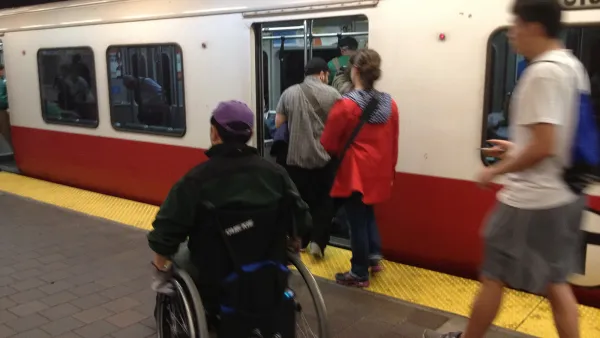
Federal Bill Proposes $10 Billion for Transit Accessibility
The program would fund improvements such as elevators, ramps, and accessible ticketing equipment to bring the nation's transit stations up to ADA standards.
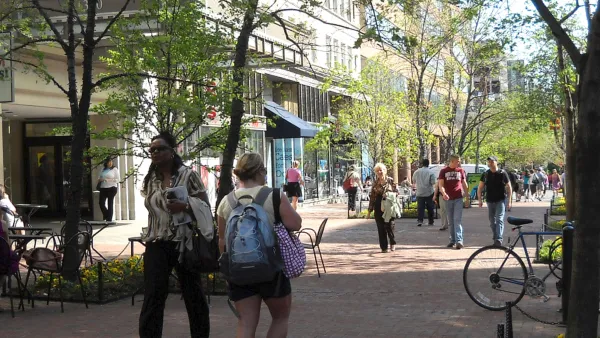
Cities Seeking '20-Minute Living'
Reducing car dependency can improve air quality, increase access to jobs and opportunities, and help cities meet emissions reduction goals.
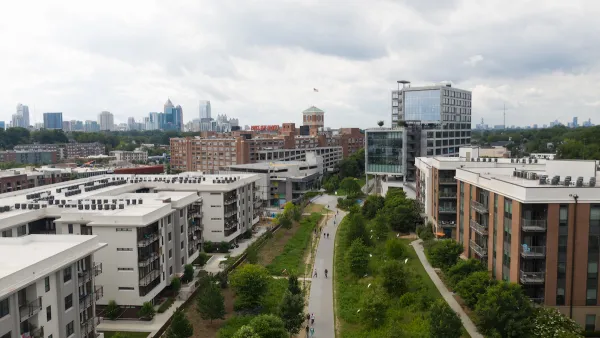
Georgia's Efforts to Reduce Carbon Emissions
The state is diversifying its energy sources to reduce carbon emissions by 50% by 2030, in line with federal climate goals.
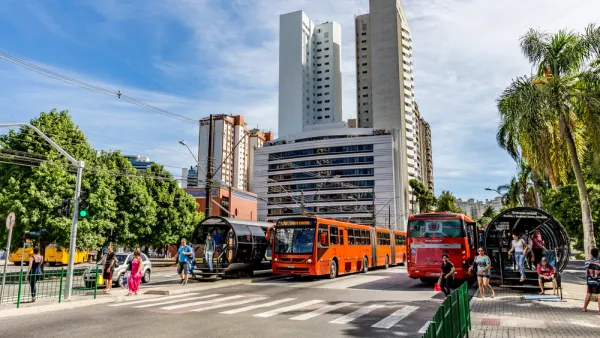
Jaime Lerner, One of the World's Most Influential Urbanists, Passes Away at the Age of 83
A sad day for the world of planning and urban design innovation, as Jaime Lerner, the Brazilian urbanist who created the concept of bus rapid transit as we know it today, passed away in Brazil.
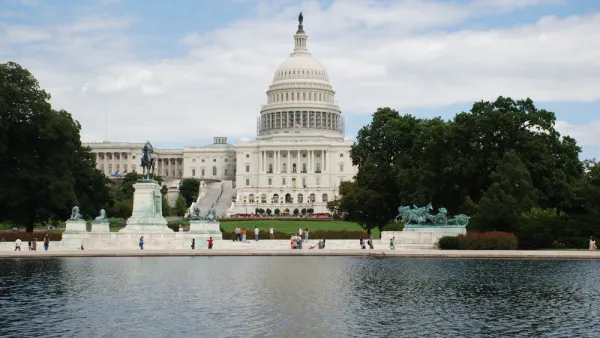
Transportation Reauthorization Advances in Congress—Transit Advocates Aren't Happy
The Senate Environment and Public Works Committee voted this week to advance the Surface Transportation Reauthorization Act of 2021, Congress's five-year reauthorization of the federal surface transportation bill.
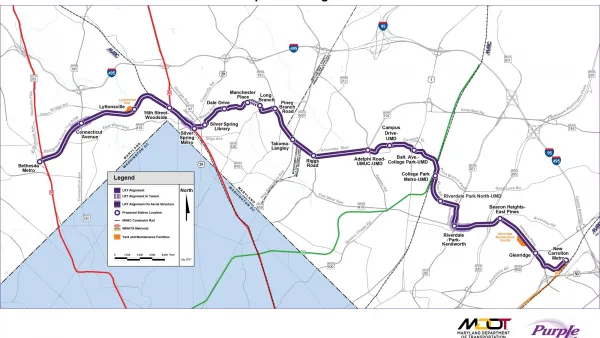
New Tool Demystifies Regulations Around Maryland's Purple Line
The tool aims to help stakeholders "cut through regulatory complexity" and ensure equitable access to the light rail line's economic benefits.
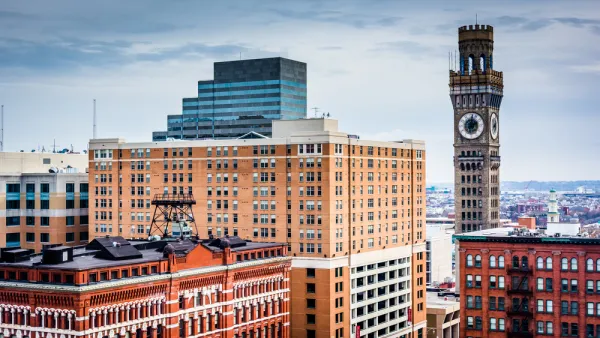
Proposed Bill Could Fund Redevelopment of Baltimore's 'Highway to Nowhere'
The Reconnecting Communities Act would provide funding for retrofitting highway infrastructure and reconnecting neighborhoods cut off by road projects.
Opinion: Transportation Funding Priorities Are Outdated
Investing in technology and promoting innovation in the transportation sector can further the Biden administration's goals of reducing carbon emissions and improving public transit.
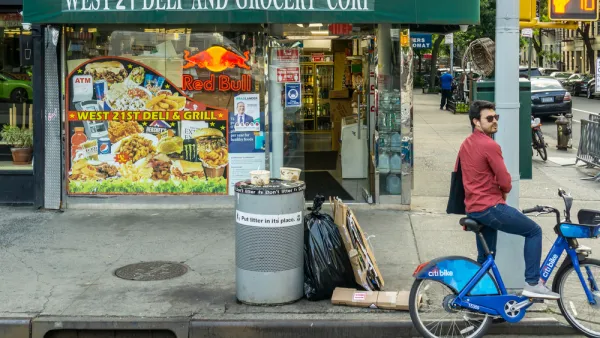
NYC on a Roll: Citi Bike Breaks Ridership Records
The Citi Bike bikeshare system in New York is achieving record new successes, despite never having received zero funding from city coffers.
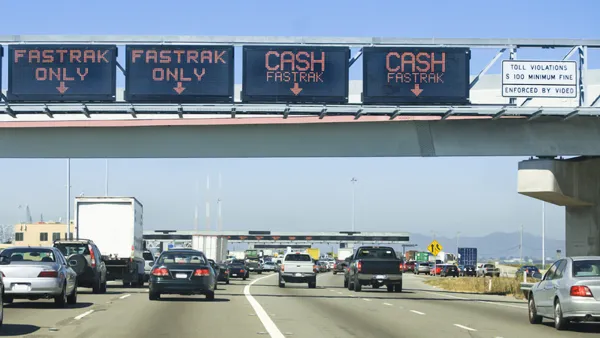
Funding Biden's Infrastructure Plan: Should Users or Corporations Pay?
After determining the size and scope of President Biden's infrastructure package, the next biggest challenge is determining how to pay for it. The partisan divide is steep, but Roll Call exposes division within the Democrats' ranks.
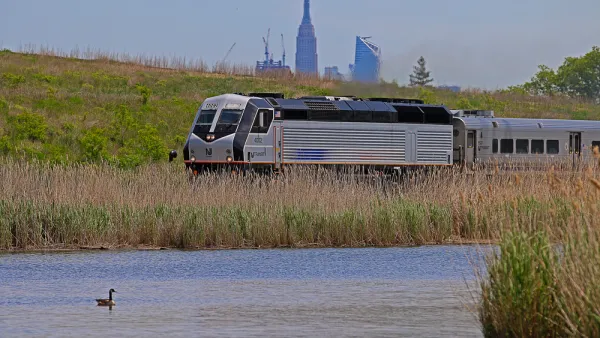
The High Cost of Adapting Commuter Rail for the Post-COVID Future
U.S. commuter rail systems, primarily designed to bring workers to and from central business districts, must adapt to serve a broader population as the traditional workday changes.

FREE Course: Walkable City 1: Why Walkability?
After describing his path towards focusing on walkability as the essence of good planning, Jeff Speck marches through his five principal reasons for making more walkable places.
Reinventing Malls: Planning Alchemy—Turning Gray Fields Into Gold
The course focuses on the opportunities and imperatives that shape reinvention of mall sites.

City of Rosemead
Rutgers University, Edward J. Bloustein School of Planning and Public Policy
One Hundred Miles
University of Michigan School for Environment and Sustainability (SEAS)
Hunter College, City University of New York (CUNY)
The Architects Foundation
City of Cambridge
The Pocatello Development Authority
The Urban Renewal Agency of the City of Pocatello









