Transportation
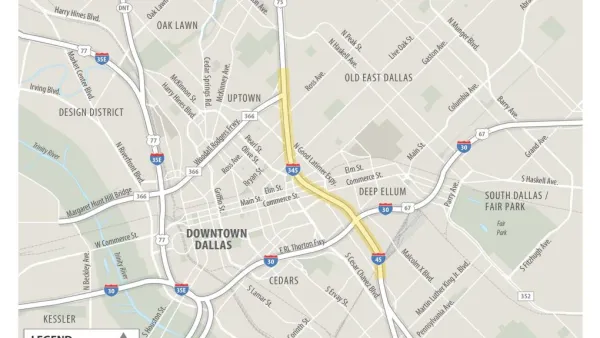
Columnist to Dallas: Tear Down That Freeway
Freeways have been removed before, but if the Texas Department of Transportation decides to tear down the I-345 freeway in Dallas, it would reflect a massive sea change in urban transportation planning.
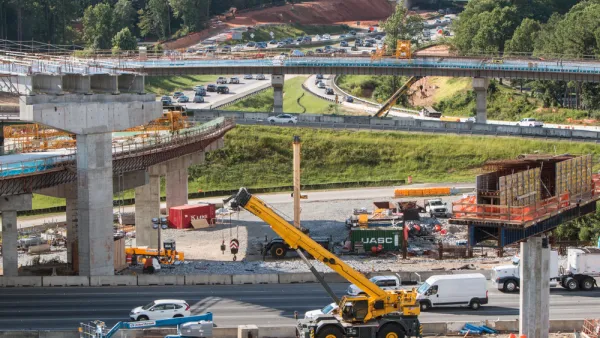
Highway Widening and Interchange Improvements a Headache for Atlanta Drivers
A road widening and interchange improvement project in Atlanta will have a dramatic impact on congestion for as much as a year.
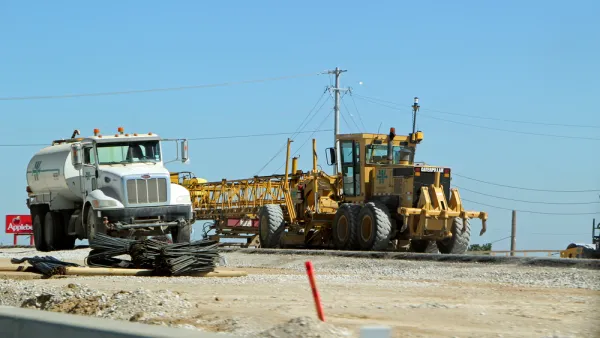
How the Environmental Review Process Privileges Highway Construction Over Transit
U.S. transit projects have a much harder time getting environmental approval than road projects, perpetuating the dominance of cars in U.S. transportation policy.
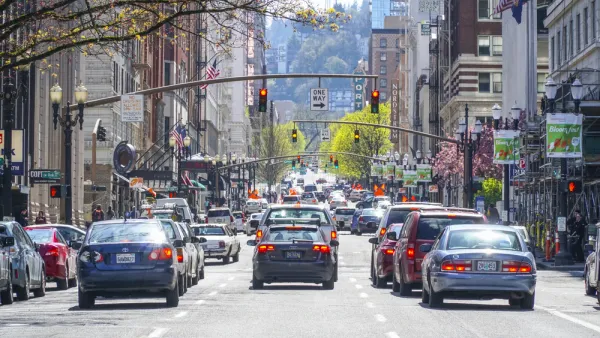
How to End the Commute Nightmare
The pandemic let many people experience a commute-free lifestyle, but can we reduce rush-hour traffic as we make our return to physical workplaces?
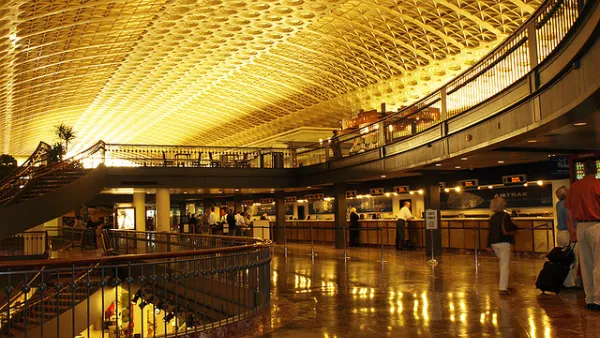
D.C. Transit Implementing Major Changes, Hopes to Boost Ridership
Flat fares, reduced wait times, and extended late-night service are all part of a package of changes meant to bring riders back and adjust to post-pandemic travel patterns.
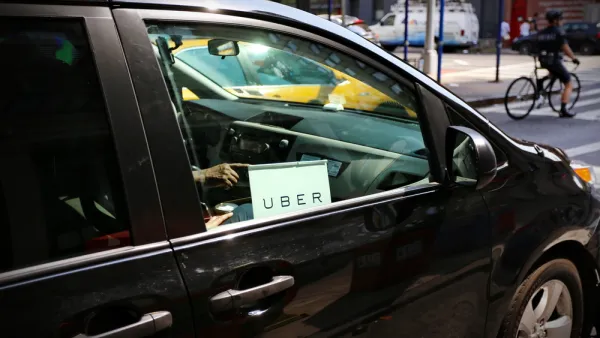
California Judge Renders Gig Worker Law Unenforceable
A judge ruled against California's Proposition 22, which let ride-hailing and delivery businesses classify workers as independent contractors and discouraged unionization efforts.
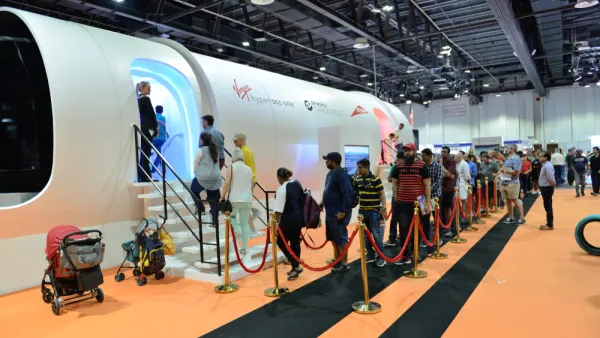
Pneumatic Tube Trains and AVs to the Rescue? Smarter Planning for New Mobility
New mobility modes and services have tantalizing potential, but they can also impose significant costs and risks. We need objective and comprehensive analysis to determine how—and how not—to incorporate these new technologies.

Battle Over San Francisco's Pedestrianized 'Great Highway'
Although the project has been hugely successful with local residents, the mayor and some county supervisors wanted to revert the road to vehicle use.
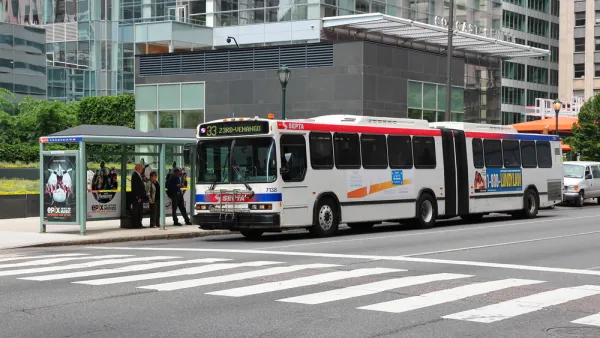
Calculating Bus Stop Spacing for 43 U.S. Cities
New research documents the distance between bus stops in U.S. cities—a key question for service designers that determines a lot about the public transit user experience.
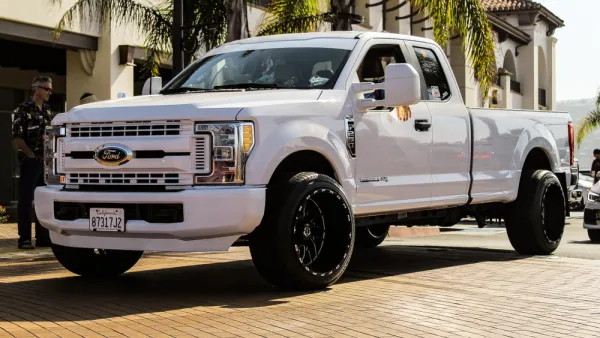
Vote for 'America's Most Toxic Car Commercial'
From the same website that brought us the "Parking Crater Award" and the "Sorriest Bus Stops in America."
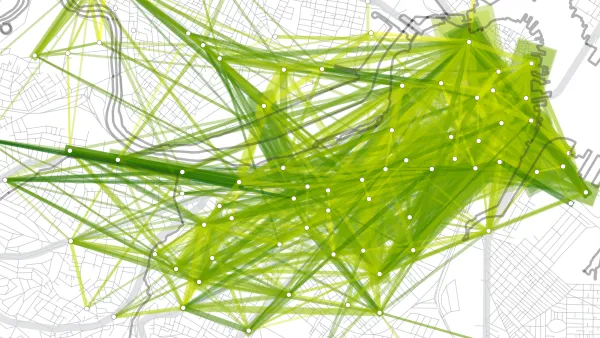
How Data and Tech Can Support Transit Planning
Agencies can use data resources to improve their decision-making and provide more responsive service.
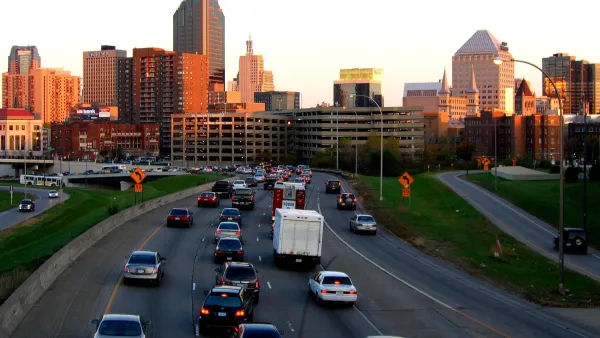
St. Paul Does Away With Minimum Parking Requirements
The city is one of the first in the nation to completely eliminate parking mandates citywide.
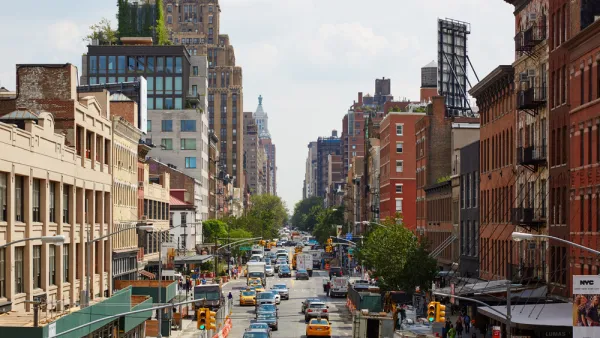
Environmental Assessment for Manhattan Congestion Pricing Scheduled Until December 2022
An idea approved in 2019 which spent the last two years stuck in Trump and Covid limbo, will only now begin a slow march toward final approval.
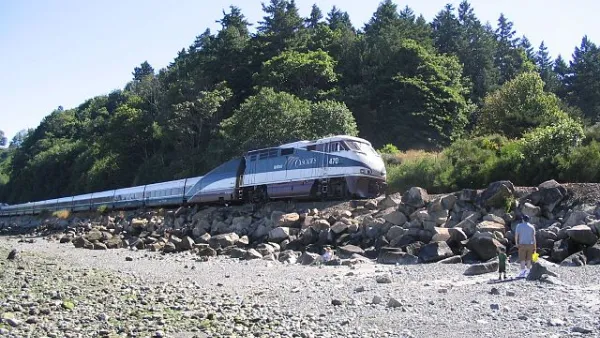
Revised Amtrak Mandate Could Allow for 'Paradigm-Shifting' Changes
Language in the new infrastructure bill calls for the agency to prioritize ridership and service levels over profitability.
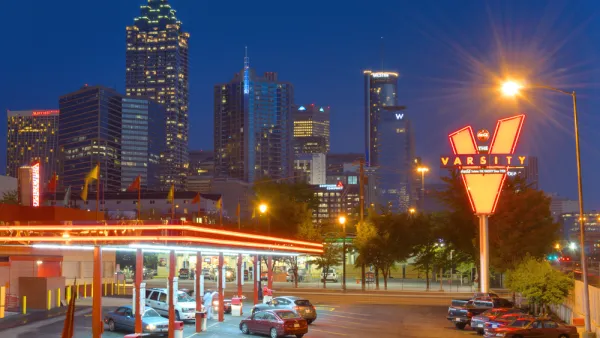
Atlanta Business Group Unhappy With City's Inaction on Transportation Projects
The Midtown Alliance is urging the city to give more control to community improvement districts to speed up procurement or risk losing out on federal funding.
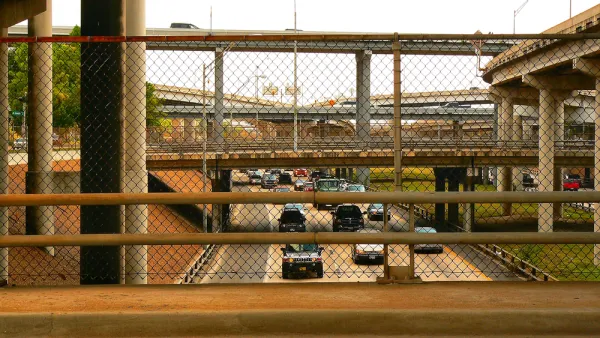
Op-Ed: Instead of a New VMT Tax, Raise the Gas Tax
Implementing a tax based on miles traveled could disincentivize purchasing more efficient cars and would do little to improve road safety, one columnist argues.
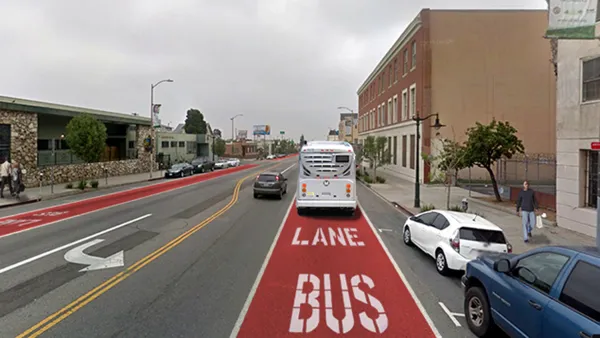
To Regain Transit Ridership, Policymakers Must Address Land Use and Housing
More buses and trains alone won't bring back riders; other incentives are needed to boost ridership and encourage new users.
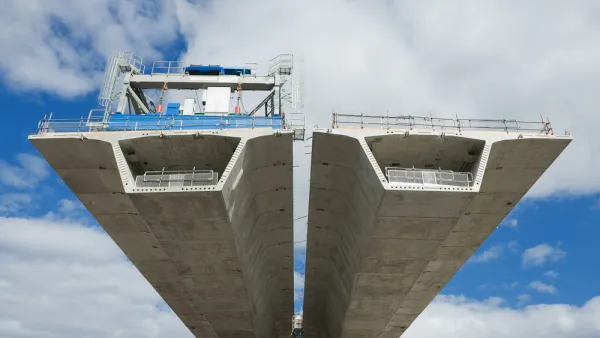
Proposed Colorado Rule Calls for Mitigating Climate Effects of Road Projects
State and local agencies would be tasked with evaluating and offsetting the carbon emissions caused by new transportation projects.
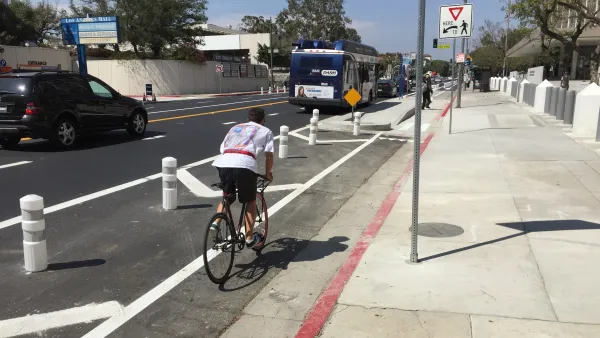
Study: Bike Lanes Don't Cause Displacement
A longitudinal study shows that bike facilities don't precede neighborhood change or displacement of residents.
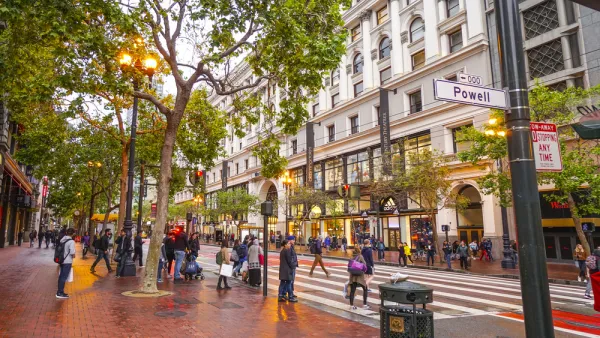
Ranking the Top 15-Minute Cities of the United States
The rankings in a recent report are about the potential of U.S. cities to become more like the 15-minute city model provided by Paris.

FREE Course: Walkable City 1: Why Walkability?
After describing his path towards focusing on walkability as the essence of good planning, Jeff Speck marches through his five principal reasons for making more walkable places.
Reinventing Malls: Planning Alchemy—Turning Gray Fields Into Gold
The course focuses on the opportunities and imperatives that shape reinvention of mall sites.

KFH Group Inc.
Greater Baltimore Committee
Eagle County Government
The Architects Foundation
University of Cincinnati Online
The Pocatello Development Authority
The Urban Renewal Agency of the City of Pocatello