Transportation
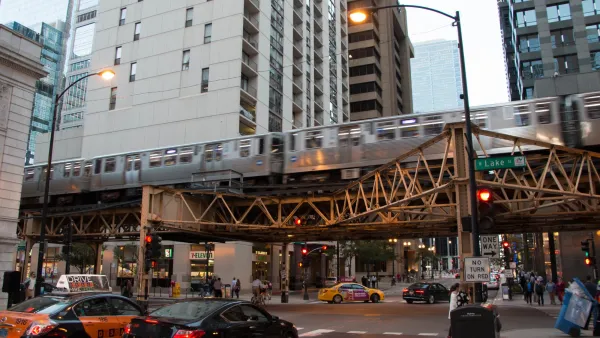
Recommendations for the Federal Transit Administration's Capital Investment Grant Program
The Capital Investment Grants program should focus on improving service on heavily-used lines, expanding access to jobs and amenities, and increasing multimodal accessibility.
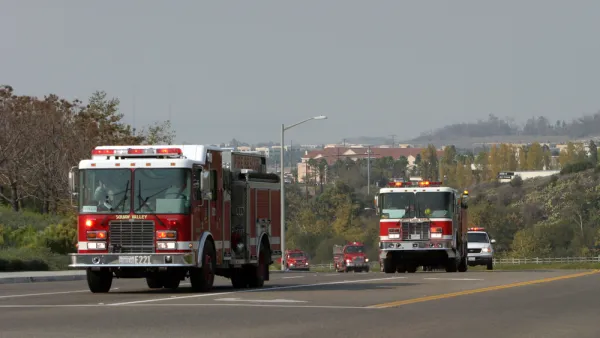
Sirens May Do 'More Harm Than Good,' Research Shows
The ear-piercing sirens used by emergency vehicles are shown to have little impact on patient outcomes while contributing to more dangerous road conditions, experts say.
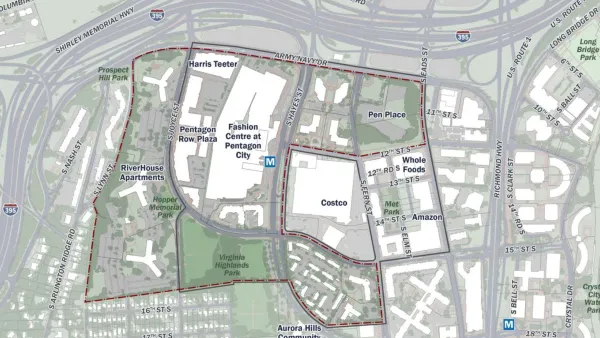
The New Pentagon City Could Be More Sustainable, Walkable
In a draft plan, planners in Arlington County, Virginia call for improved pedestrian infrastructure, higher-density housing, and more public parks.
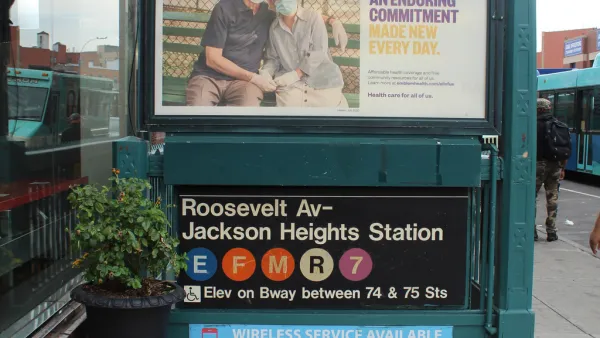
Zoning for Transit Accessibility
Using zoning codes to improve accessibility to public transit facilities is a new, but well overdue, idea.

Vision Zero Success Story: Fremont, California
While traffic fatalities continue to rise nationwide, Fremont has drastically reduced its crash rates in the five years since it launched its Vision Zero project.
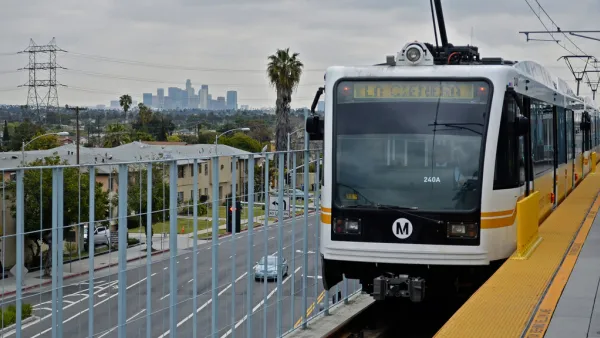
New Bike and Bus Lanes Coming to Culver City, California
The MOVE Culver City project will connect downtown Culver City with the E Line train, giving residents easier access to downtown Los Angeles and beach communities.
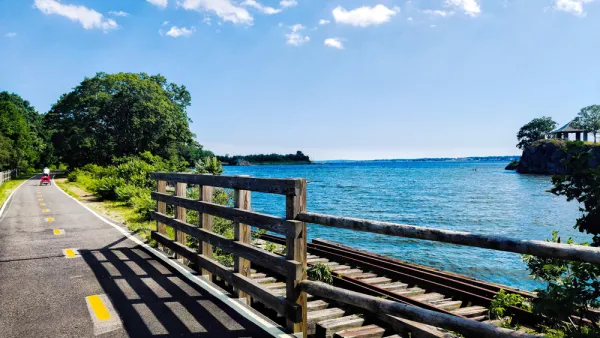
Lessons From Past Bike Lane Controversies Rarely Inform Present Debates
History repeats itself with the political controversies created by bike lanes.

Boosters Bring Normalcy Back to Tel Aviv
Life in Tel Aviv is bustling again since COVID-19 vaccine boosters became accessible to anyone over 12 years of age. Traffic is now more of a concern than COVID, Mayor Ron Huldai told Bloomberg CityLab during a visit to 'quiet' Manhattan.
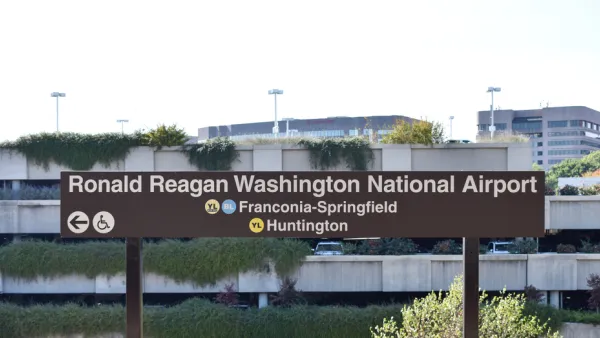
60 Percent of D.C. Metrorail Fleet Pulled From Service After Last Week's Derailment
The disruptions caused by an October 12 train derailment on D.C. Metrorail's Blue Line are spreading to the entire system.
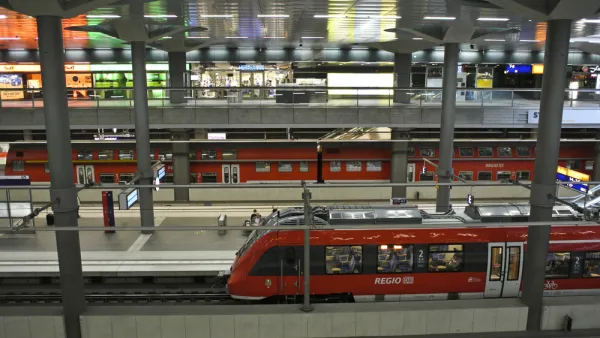
How Global Cities Are Working to Electrify Transit
With the transportation sector accounting for a third of urban carbon emissions, cities around the world are seeking new ways to electrify their transit fleets and reduce fossil fuel consumption.

Major Redevelopment Planned for Gwinnett County, Georgia
City leaders in Norcross, Georgia approved a plan that would bring new housing, retail, and parks to a 'long-neglected' stretch of highway.
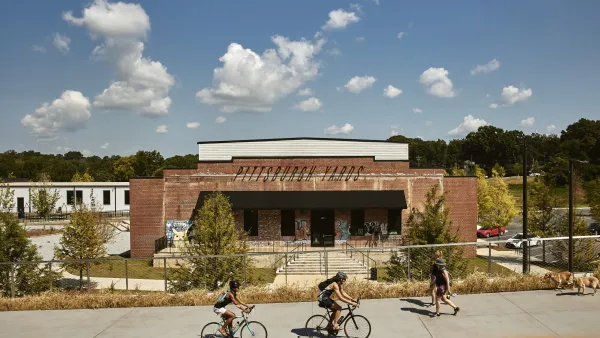
Southside Trail Takes Atlanta's Beltline to the Next Level
Doubters questioned whether Atlanta had the political will to bring the Beltline to the Southside. The city overcame those doubts last week.
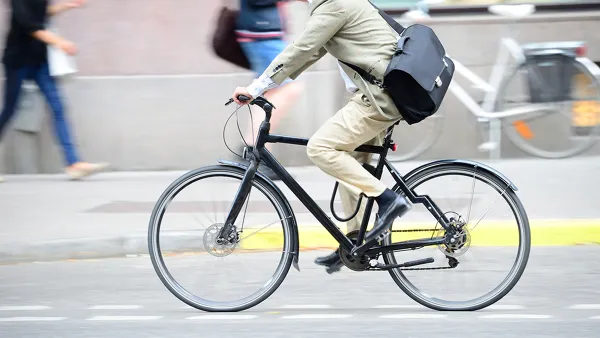
Breaking Down the Federal Bike Commuter Benefit
The flexible credit is meant to support a variety of bike-related expenses, including bike share memberships.
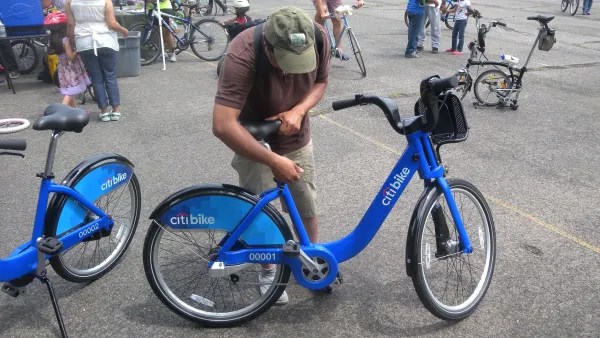
Robust Data and Community Trust Crucial to Achieving Equitable Transit
Experts say a deep understanding of communities and access to rich local data are necessary for improving transit service for all segments of society.
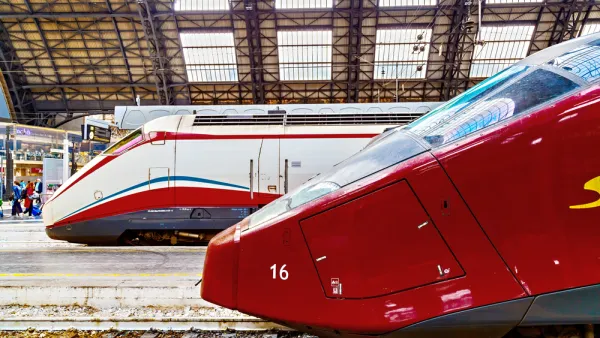
Intercity High-Speed Rail Outlasts Italy's National Airline
European countries are committing to making intercity rail the preferable option compared to domestic and intra-continental flights. The shift seems to be working in Italy.

Who Really Needs 15-Minute Grocery Delivery?
New start-ups are promising ultra-fast delivery, but at a high cost to workers, the environment, and the urban fabric.

Report: Rural Communities Urgently Need Safer Transportation
Despite the reputation of rural America as "drive-through country," many residents depend on walking and transit to get around.
Church Vans Tackling Cleveland's Public Transit Problem
If you don't have a car, it's not easy to get from Cleveland's inner city to the good-paying jobs in the suburbs. But a program that puts underused church vans to work as shuttles is making an impact.
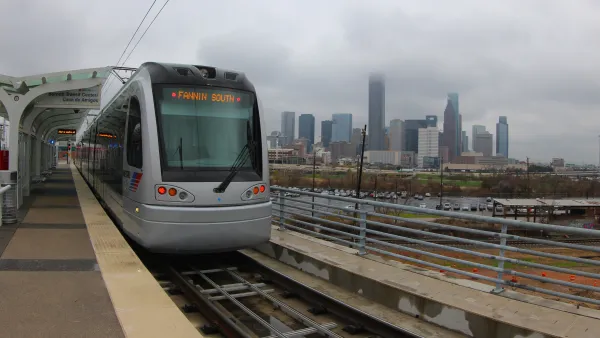
Houston Needs More Public Transit Funding, Report Finds
While ridership dropped during the pandemic, many 'essential workers' continued to rely on Houston Metro's services, signaling the crucial role of public transit for the city's economy.
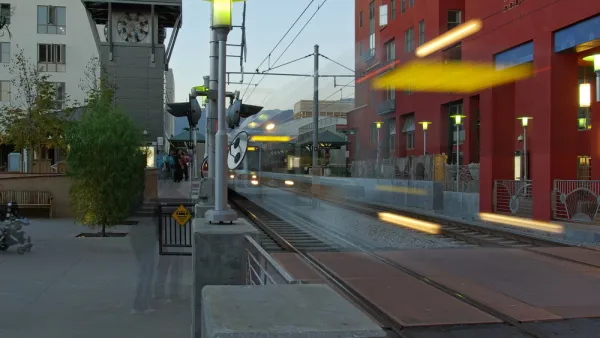
Transit Agencies Leasing Real Estate to Raise Revenue
As ridership revenues drop, more agencies are looking to diversify their income sources by leasing agency-owned land to developers.

FREE Course: Walkable City 1: Why Walkability?
After describing his path towards focusing on walkability as the essence of good planning, Jeff Speck marches through his five principal reasons for making more walkable places.
Reinventing Malls: Planning Alchemy—Turning Gray Fields Into Gold
The course focuses on the opportunities and imperatives that shape reinvention of mall sites.

City of Rosemead
Rutgers University, Edward J. Bloustein School of Planning and Public Policy
One Hundred Miles
University of Michigan School for Environment and Sustainability (SEAS)
Hunter College, City University of New York (CUNY)
The Architects Foundation
City of Cambridge
The Pocatello Development Authority
The Urban Renewal Agency of the City of Pocatello









