Transportation
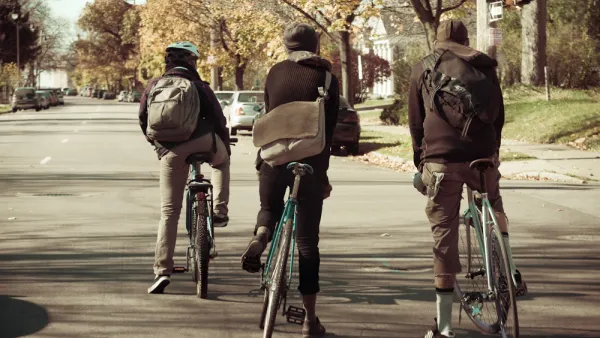
Race, Infrastructure, and Police in Cycling
Recent research suggests that cyclists of color are more likely to receive citations, but enforcement has little correlation with improved safety.
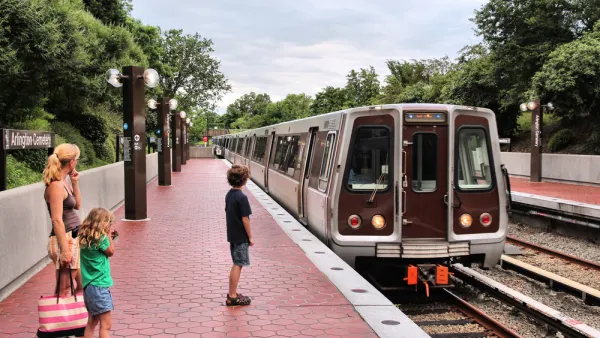
TOD Plans Take Shape in Prince George's County
The historically car-dependent county is hoping the planned revitalization of the Blue Line Corridor will boost the local economy and help maintain affordable housing.
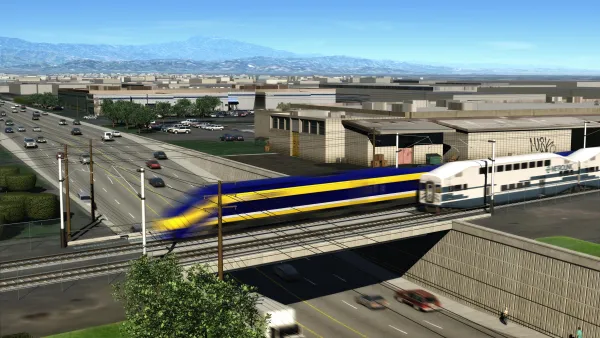
Democratic Legislators Obstruct Funding for California High Speed Rail
Voters approved a $9.9 billion bond for the California High Speed Rail project in 2008. State legislators would like that money to be spent in other ways in 2021.
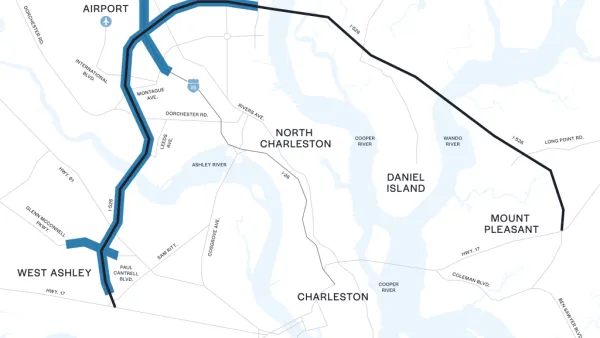
Planned Highway Expansion Would Cut Into Black Community in Charleston
The Biden administration's efforts to curb the tendency of highway expansions to cut into Black communities will be tested by the West I-526 Lowcountry Corridor plan in North Charleston, South Carolina.
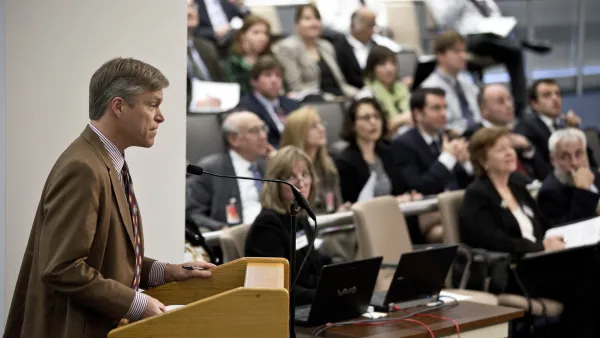
The Consequences of Community Engagement
Long, onerous environmental review processes focused on public input can cause major delays and cost increases for infrastructure and transportation projects.
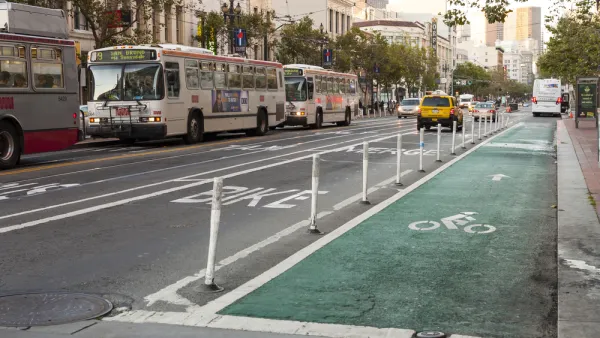
San Francisco Not Living Up to 'Transit First' Promise
Despite a stated goal of encouraging other modes, the city's streets still overwhelmingly prioritize cars.
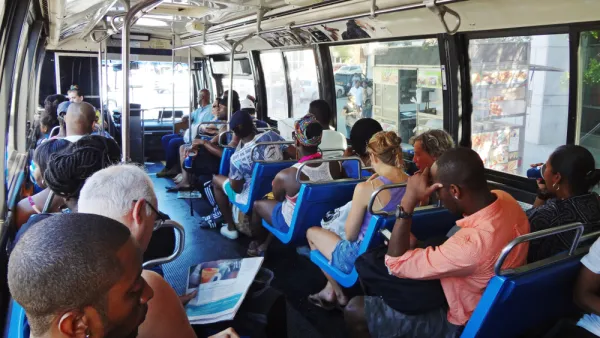
Transit Needs Service Changes, Now More Than Ever
As travel patterns and needs shift, transit agencies should look at service changes as a much-needed 'regular practice.'
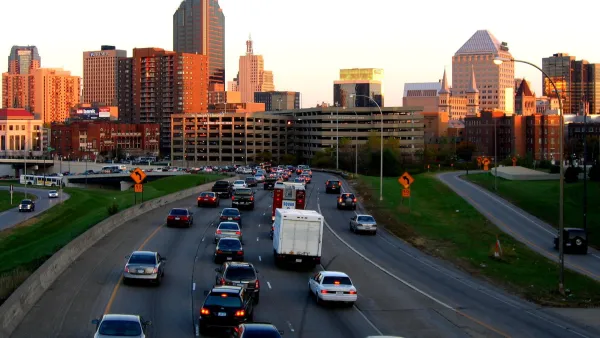
How to Abolish Parking Minimums: Lessons from the Twin Cities
Cities around the country are eliminating parking minimums in an effort to reduce the costs of housing construction and encourage car-free living.
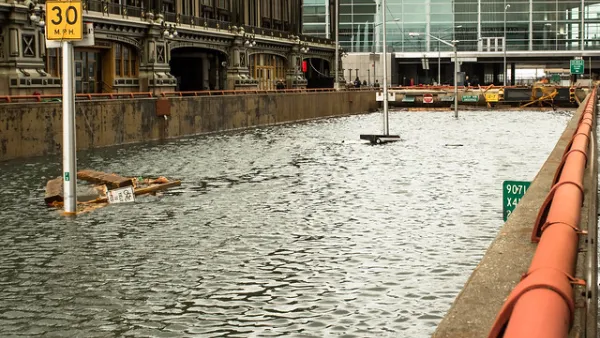
How New York City Can Prepare for the Next Catastrophic Floods–Now
The city must take urgent action to mitigate the effects of increasingly damaging rainstorms.
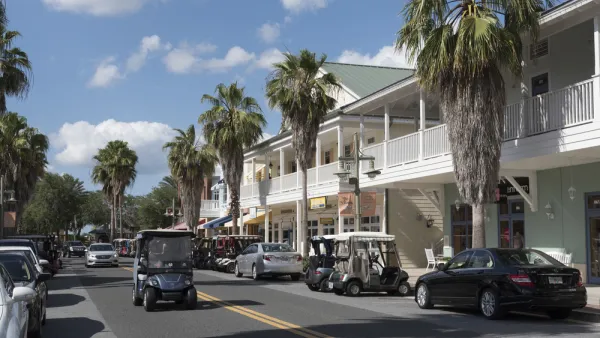
Golf Carts as Transportation
Designing roads for low-speed vehicles like golf carts can make getting around safer and easier for seniors.
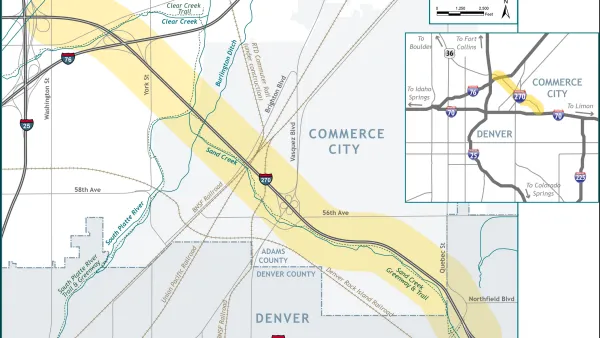
Colorado DOT To Study Air Quality Near I-270 Project—Residents Are Skeptical
The Colorado Department of Transportation has pledged to evaluate direct mitigation measures to reduce the impact of construction projects on nearby communities.
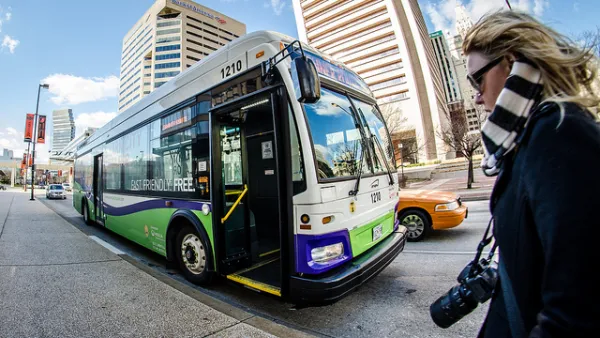
Bus Transit Still Faces Social Stigma
Improving headways and making service more reliable can help reduce the negative public image faced by urban bus transit.
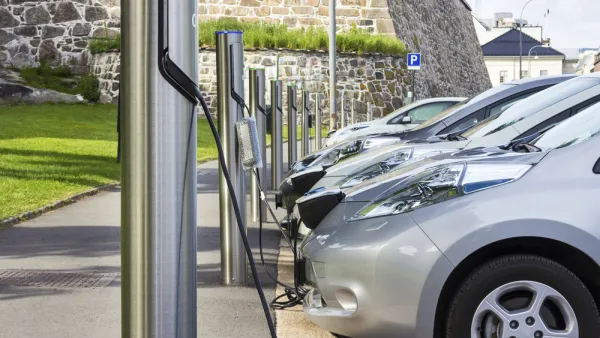
Hybrid Car Sales Fail to Meet Predictions
Over a decade ago, automakers predicted that every new car would be a hybrid by 2020. Why were they so off the mark?
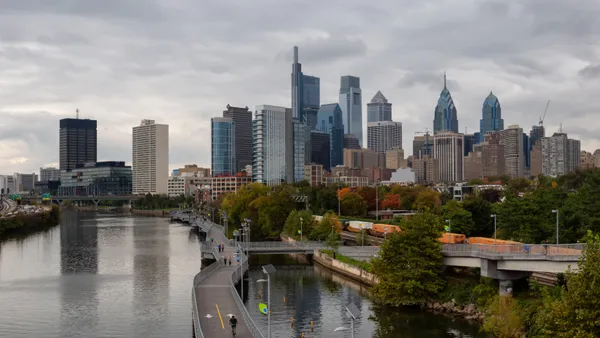
Opinion: Philly's Regional Transit Needs More Funding
The region's planning commission is pouring billions into highway widening projects while neglecting its public transit needs.
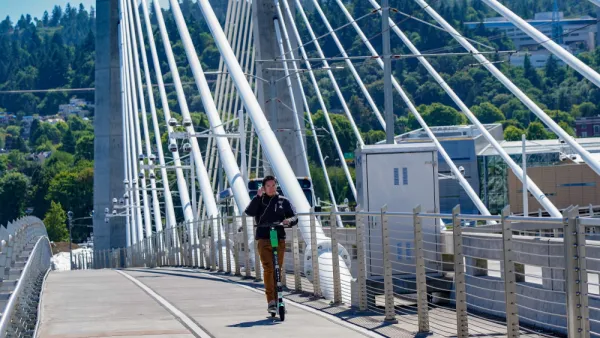
Scooter Laws That Could Also Apply to Drivers
E-scooters are governed by hundreds of regulations aimed at improving the safety of riders and pedestrians. Is it time to apply them to cars, too?
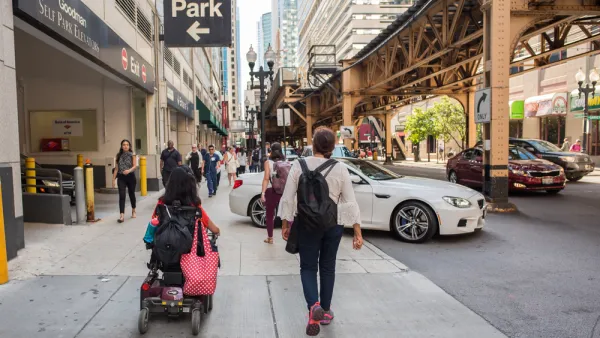
Centering Non-Drivers Would Improve Infrastructure for All
Inadequate infrastructure disproportionately harms people with mobility challenges who can't or don't drive, but their needs closely mirror those of all pedestrians.
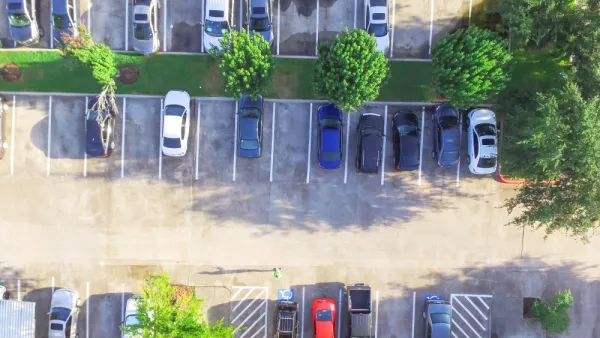
San José Could Eliminate Parking Minimums
The city of San José has the highest minimum parking requirements in the state. Now, it is weighing a proposal that would do away with them altogether and let developers decide how much parking to build.
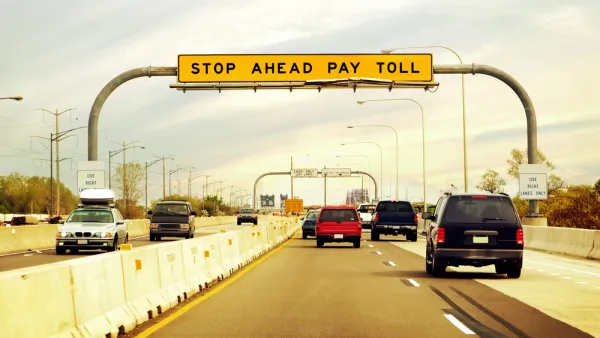
Texas Ends Contract With Toll Road Operator
Citing "lackluster service," the department will be seeking a new technology provider.
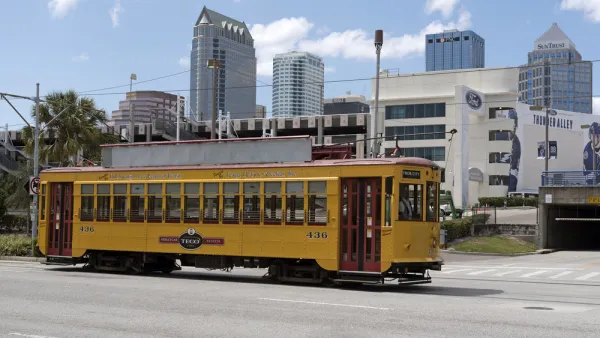
These Tampa Projects Could Benefit From the Federal Infrastructure Bill
The city's aging streetcar line and historic Cass Street Bridge are among projects that could receive federal funding if Congress passes the current infrastructure package.
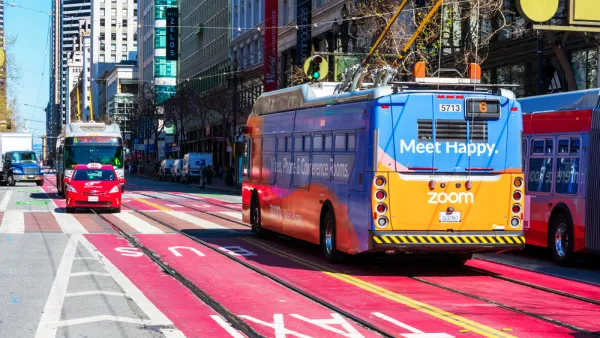
Where Did the Federal Transit Funding Go?
The final infrastructure deal cutting by more than half the transit funding proposed in the American Jobs Plan.

FREE Course: Walkable City 1: Why Walkability?
After describing his path towards focusing on walkability as the essence of good planning, Jeff Speck marches through his five principal reasons for making more walkable places.
Reinventing Malls: Planning Alchemy—Turning Gray Fields Into Gold
The course focuses on the opportunities and imperatives that shape reinvention of mall sites.

City of Rosemead
Rutgers University, Edward J. Bloustein School of Planning and Public Policy
One Hundred Miles
University of Michigan School for Environment and Sustainability (SEAS)
Hunter College, City University of New York (CUNY)
The Architects Foundation
City of Cambridge
The Pocatello Development Authority
The Urban Renewal Agency of the City of Pocatello









