Transportation
Monitoring the Effects of the Pandemic on Metros and Cities
Eugénie Birch discusses cities' and metros' recoveries from the COVID-19 pandemic.
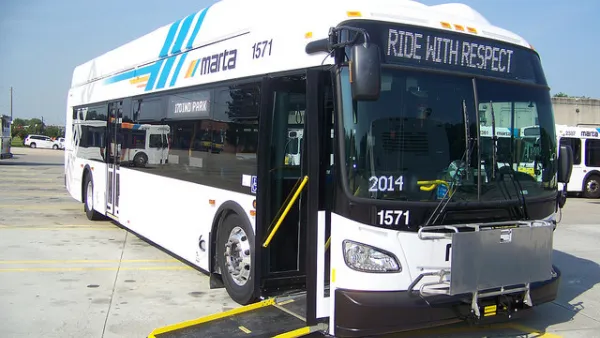
Downtown Atlanta Association Calls for Changes to Proposed BRT Line
The group expressed concerns with changes made to a key segment, which leaves riders with fewer connections to existing transit and does not position the line for future growth.
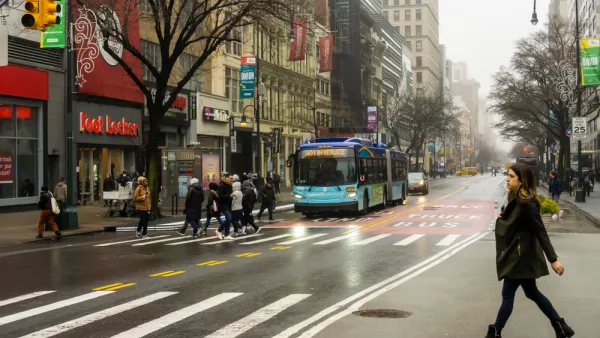
Bus Lane Plans Continue Retreat in New York City—This Time it's Fifth Avenue
The de Blasio administration caved to the interests of a Manhattan real estate developer and shelved a plan to prioritize bus transit over private automobiles on one of the most famous corridors in the world.
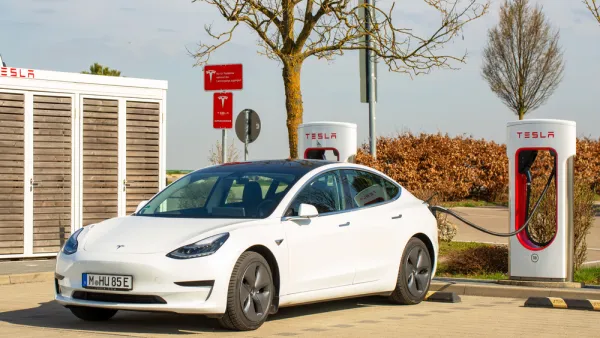
Tesla 3 Now the Best-Selling Car in Europe
For the first time ever, an electric vehicle was the most sold car in Europe—with Tesla's Model 3 outselling all other cars on the continent in the month of September.
What COVID Taught About Mobility Justice
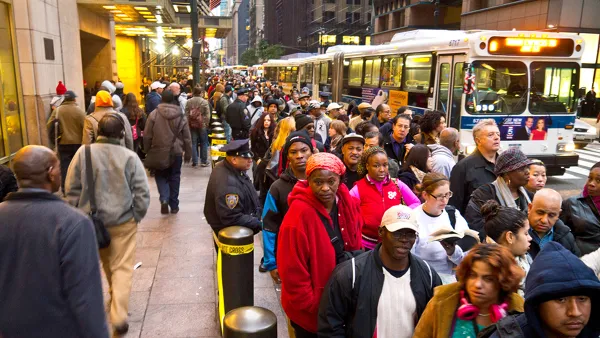
Transit agencies are waking up to the inequities in transportation systems—highlighted by the realities of the Covid-19 pandemic.
Saudi Arabia Promises 'Net Zero' Greenhouse Gas Emissions by 2060
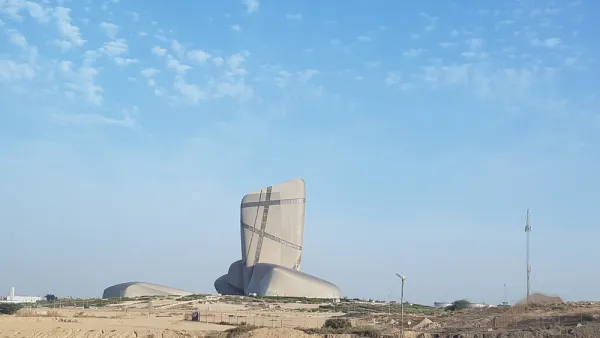
Cue a grain of salt.
Greyhound Sold to the King of European Intercity Bus Operators
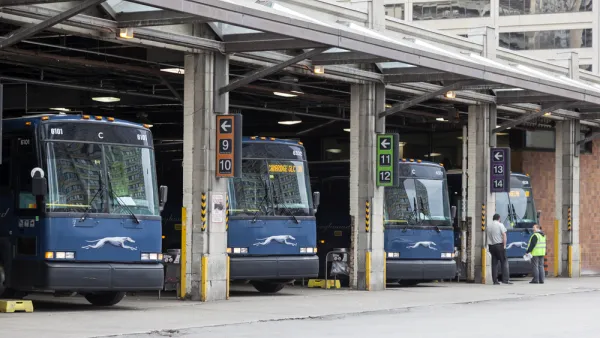
With revenue tanking during the pandemic, Greyhound has been sold from one European company to another—the new owner also happens to be the new kid on the Intercity bus block.
How Street Configuration Impacts Equity
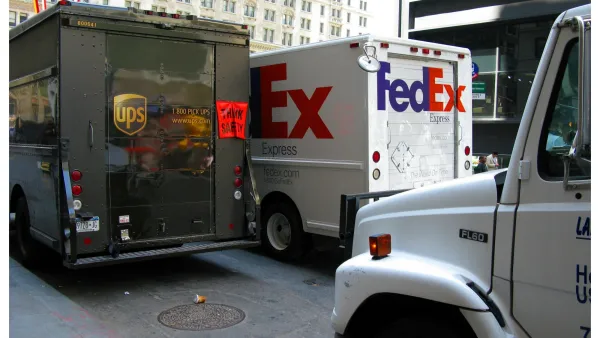
With urban pollution and traffic violence disproportionately affecting communities of color, better management of public space and streets could improve equity in cities.
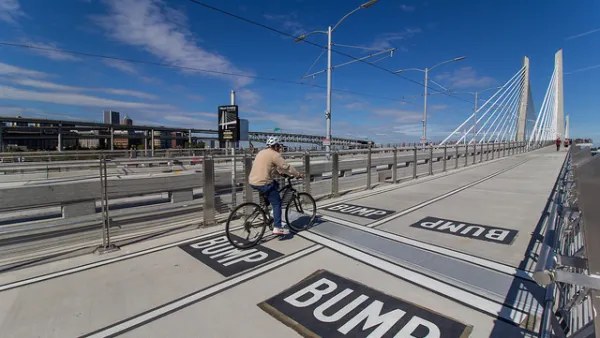
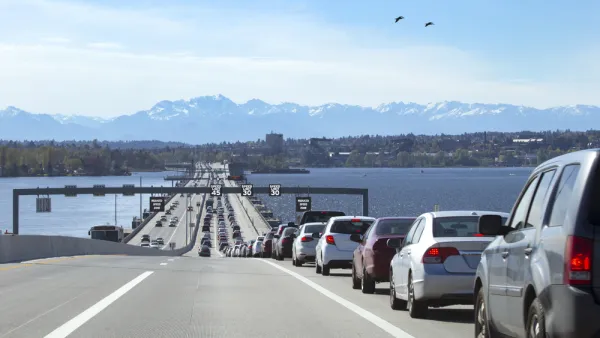
Portland and Multnomah County Push for Lower Speed Limits on Bridges
The Portland Bureau of Transportation and Multnomah County agree on a 30 mph speed limit on five downtown bridges, but the state's department of transportation denied the change on two key spans.
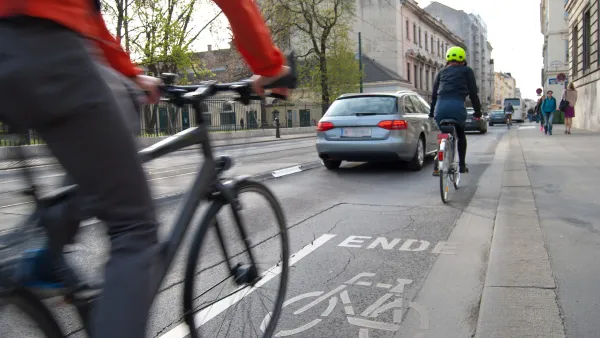
Watch: Even With Bike Lanes, 'Right Hooks' Are a Risk
An eight-minute video explains the importance of bike lanes for traffic safety and illustrates some of the risks for people on bikes even with higher-quality bike lane infrastructure in place.
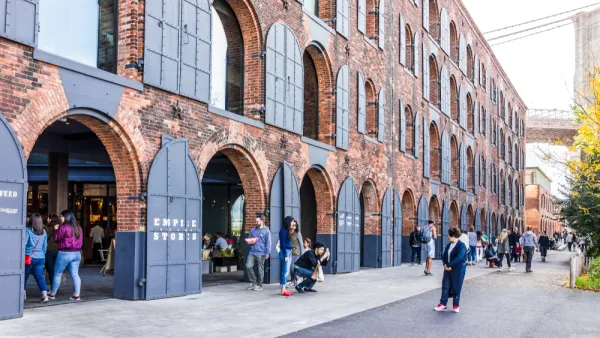
A Car-Free Vision for Downtown Brooklyn—Updated for the Covid-Era
In December 2019, the Downtown Brooklyn Public Realm Vision set ambitious goals for removing cars from one of New York's central business districts. Then came the pandemic and new tests for those ambitions.
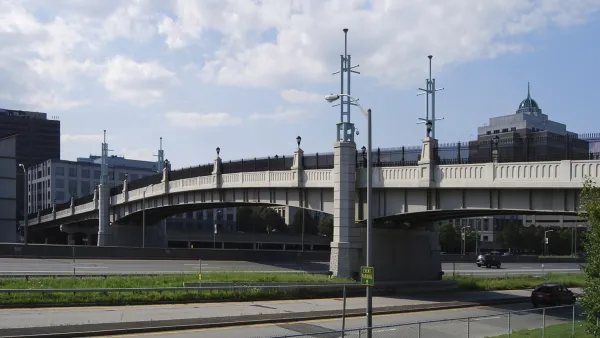
How Albany Can Reclaim Its Waterfront From a Bad Highway
Finding full-scale highway removal nearly impossible, advocates in the New York state capital turn to creative workarounds to reconnect the city to the Hudson River.
New Tool Calculates Induced Demand Caused by Road Widening Projects
The calculator can help transportation advocates and agencies project how many additional miles and emissions a highway widening project would create.
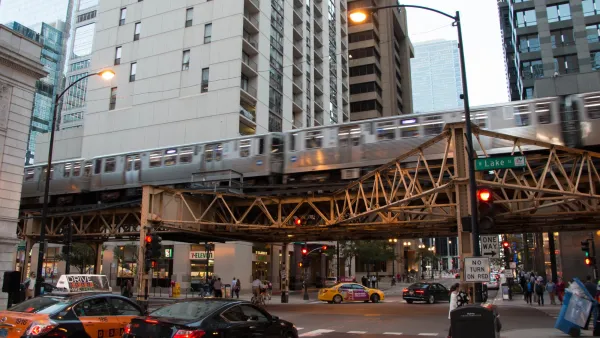
Recommendations for the Federal Transit Administration's Capital Investment Grant Program
The Capital Investment Grants program should focus on improving service on heavily-used lines, expanding access to jobs and amenities, and increasing multimodal accessibility.
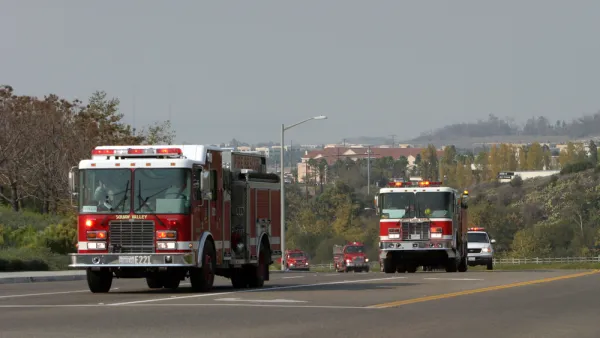
Sirens May Do 'More Harm Than Good,' Research Shows
The ear-piercing sirens used by emergency vehicles are shown to have little impact on patient outcomes while contributing to more dangerous road conditions, experts say.
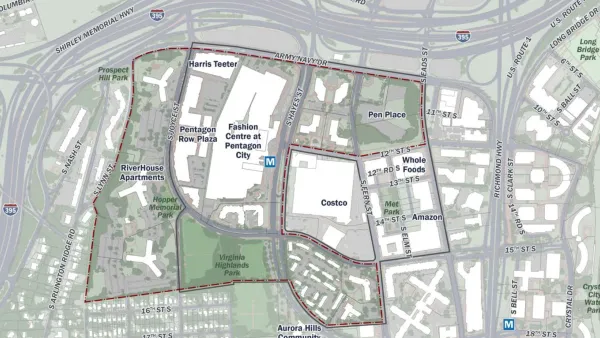
The New Pentagon City Could Be More Sustainable, Walkable
In a draft plan, planners in Arlington County, Virginia call for improved pedestrian infrastructure, higher-density housing, and more public parks.
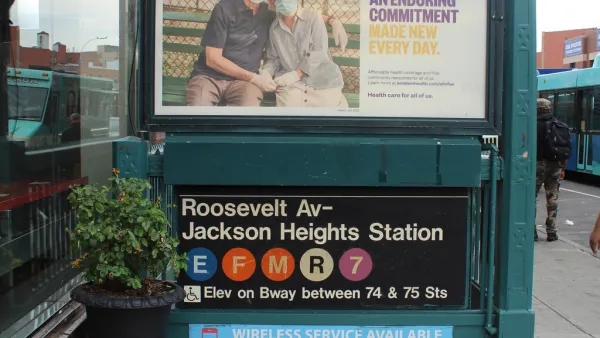
Zoning for Transit Accessibility
Using zoning codes to improve accessibility to public transit facilities is a new, but well overdue, idea.

Vision Zero Success Story: Fremont, California
While traffic fatalities continue to rise nationwide, Fremont has drastically reduced its crash rates in the five years since it launched its Vision Zero project.
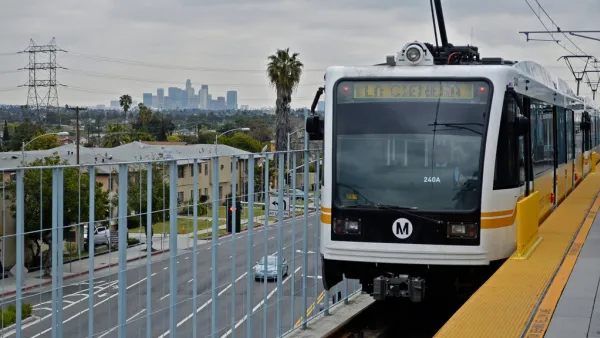
New Bike and Bus Lanes Coming to Culver City, California
The MOVE Culver City project will connect downtown Culver City with the E Line train, giving residents easier access to downtown Los Angeles and beach communities.
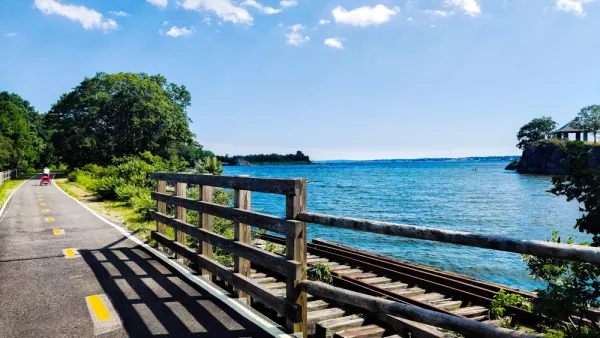
Lessons From Past Bike Lane Controversies Rarely Inform Present Debates
History repeats itself with the political controversies created by bike lanes.

FREE Course: Walkable City 1: Why Walkability?
After describing his path towards focusing on walkability as the essence of good planning, Jeff Speck marches through his five principal reasons for making more walkable places.
Reinventing Malls: Planning Alchemy—Turning Gray Fields Into Gold
The course focuses on the opportunities and imperatives that shape reinvention of mall sites.

KFH Group Inc.
Greater Baltimore Committee
Eagle County Government
The Architects Foundation
University of Cincinnati Online
The Pocatello Development Authority
The Urban Renewal Agency of the City of Pocatello