Transportation

The Most Popular Articles on Planetizen in 2021
The most-read news, features, blogs, and Planopedia posts on Planetizen in 2021.
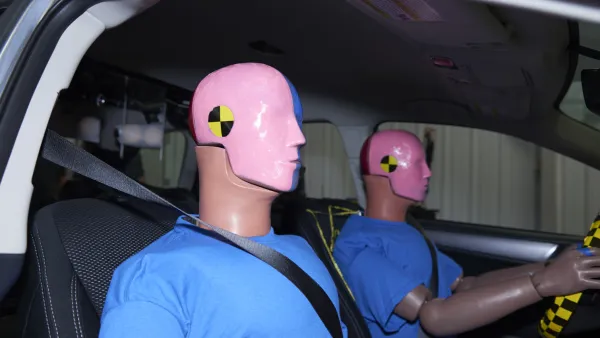
Coalition Calls for Updated Federal Crash Test Standards
Revising federal crash test standards and updating test dummies to mimic a wider variety of bodies could save thousands of lives each year.

Ten Urban Success Stories From 2021
Still battling a global pandemic and its widespread economic and social effects, cities nevertheless made progress in some unexpected ways.
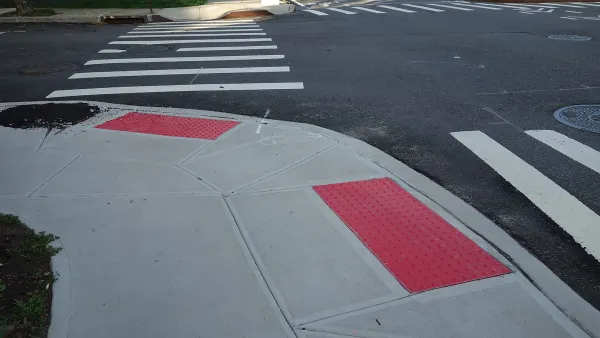
Federal Government to Enforce Accessibility Guidelines
Local agencies will soon be tasked with adhering to federal right-of-way accessibility rules: comprehensive guidelines for accessible streets and sidewalks.

Seattle Neighborhood Calls for Highway Removal
South Park becomes the latest community to call for the removal of a highway segment that has cut off the neighborhood from local amenities for decades.
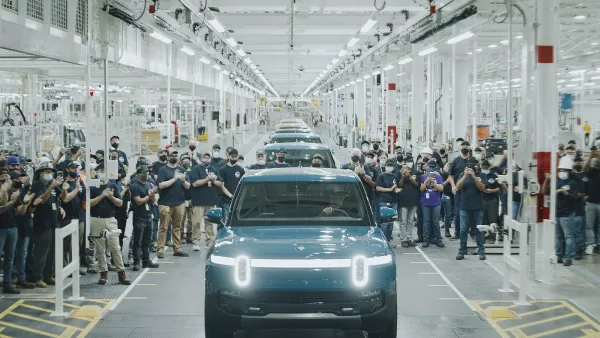
Georgia Offers Massive Incentive Package to EV Manufacturer
Critics question the wisdom of giving Georgia's largest-ever incentive package to electric car manufacturer Rivian to secure a new factory and job training center in East Atlanta.
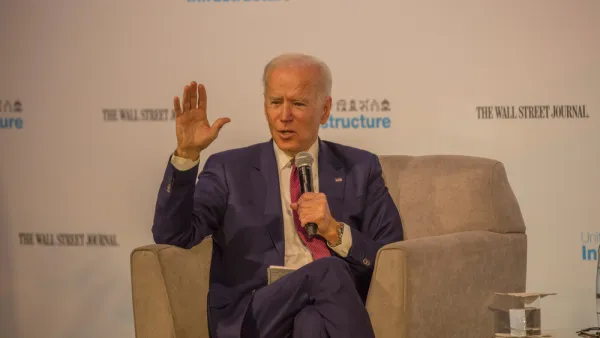
Year in Review: The Stories That Defined Urban Planning in 2021
Part two (of two) of Planetizen's review of 2021 collects the biggest stories and storylines of the year from the wide world of planning.
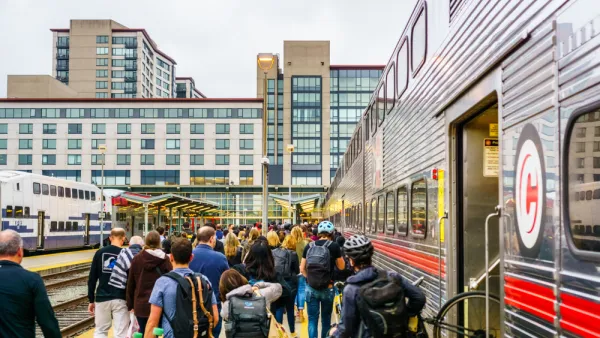
Remote Workers: The New Supercommuters
Workers who moved away from their jobs during the pandemic are adjusting to longer commutes as employers start asking them to return to the office.
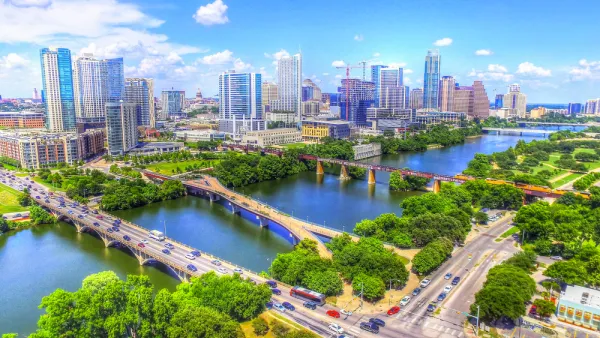
Vision Zero Projects Reduce Carnage in Select Corners of Austin
Vision Zero safety improvements at High Injury Roadways and implementation and Leading Pedestrian Intervals are reducing crashes in Austin. The city has a long way to go to achieve Vision Zero.
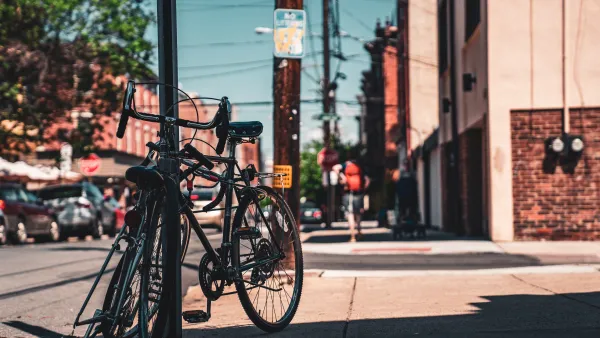
New Philly Bike Racks Blend Form, Function, Fire Hydrant Access
The clever designs serve multiple purposes—providing more bike parking while getting cars out of illegal parking spaces.
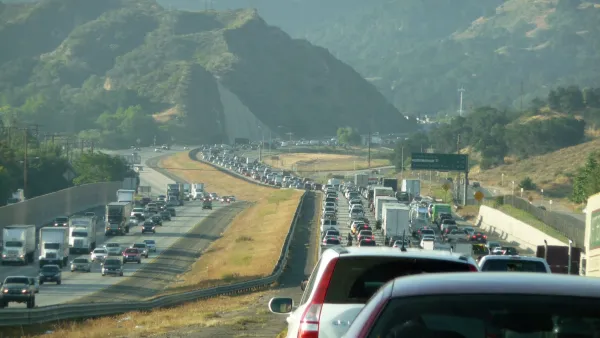
Cities and Automobile Dependence: What Have We Learned?
Thirty years ago Peter Newman and Jeff Kenworthy introduced the concept of automobile dependency. In this article they reexamine the evidence, consider criticisms, and discuss how their insights changed—sometimes painfully—planning practices.
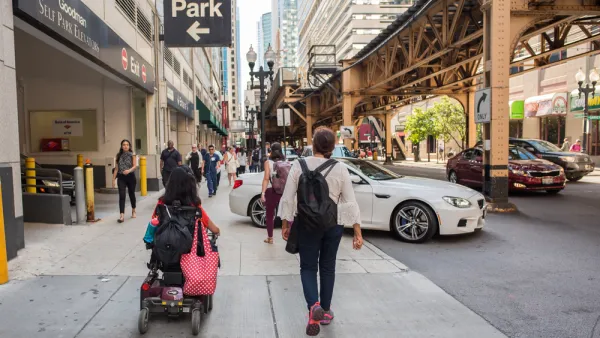
Better Access to Urban Opportunities
A major new Coalition for Urban Transitions guide offers specific recommendations for COVID-19 recovery, climate emergency response, and poverty reduction through policies that make cities more accessible, sustainable, and inclusive.

Seattle Times Editorial Board: Time for Pike Place Market to Go Car-Free
It's been more than a century since the Seattle City Council decided to remove farmstands to make space for cars at the Pike Place Market. Public and political opinion is starting to see that decision as a mistake that can be reversed.
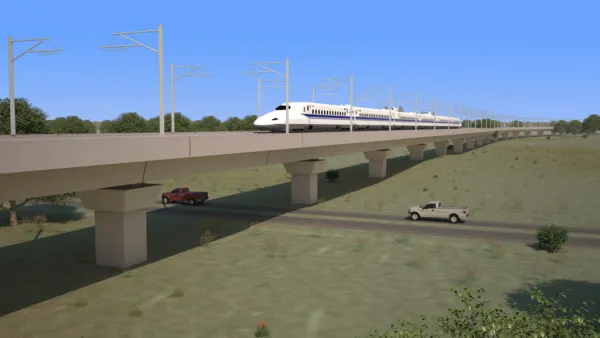
Eminent Domain Questions Still Dog Texas Central High Speed Rail Plans
The Texas Attorney General took a break from its crusade against unsubstantiated claims of voter fraud to weigh in on a controversial question of property rights.

Tesla Reverses on Video Games for Drivers
Tesla's rollout of video games that can be played by drivers on the center consoles of the automakers cars has quickly turned into a recall.

What Can Lessons From Traffic Safety Teach About the Covid Response?
Finger waggings aren't effective for pedestrian safety—so why should they work for public health? A "safe system" approach, created for traffic safety in Sweden, offers a model for improved pandemic public health outcomes, according to this opinion.

O'Toole, Cato Institute Part Ways
Randal O'Toole, who resisted contemporary progressive planning trends by supporting the unfettered expansion of automobile infrastructure and single-family residential development, is no longer employed by the conservative-leaning Cato Institute.
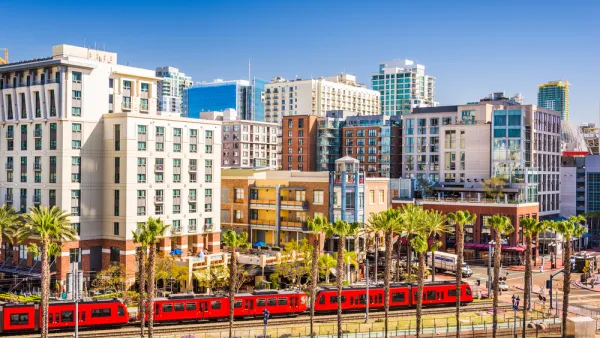
SANDAG Plan Retreats on Road Usage Charge, Proposes Other New Taxes
In response to conservative opposition to a proposed road user charge, San Diego's regional planning agency is proposing other revenue sources including a tax on ride-hailing and three sales tax increases.
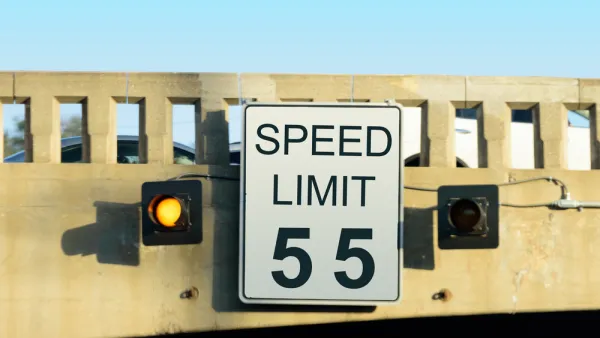
Can't Drive 55: America's Dangerous Love of Speeding
While most Americans agree that speeding is a threat to public safety, dysfunctional laws and inadequate enforcement perpetuate a culture of tacitly sanctioned high-speed driving.
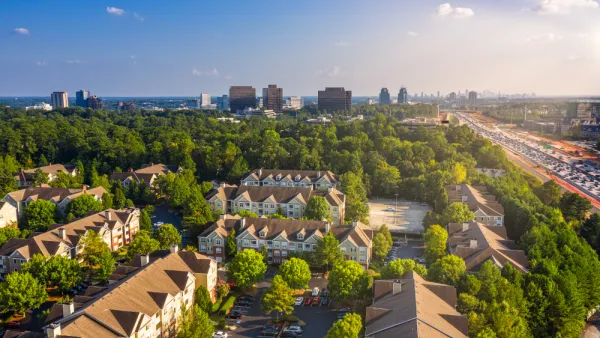
Report Links Housing Growth and Climate Resilience
Data from three U.S. metro areas show a failure to address land use and sprawl as a key factor driving climate change.

FREE Course: Walkable City 1: Why Walkability?
After describing his path towards focusing on walkability as the essence of good planning, Jeff Speck marches through his five principal reasons for making more walkable places.
Reinventing Malls: Planning Alchemy—Turning Gray Fields Into Gold
The course focuses on the opportunities and imperatives that shape reinvention of mall sites.

City of Rosemead
Rutgers University, Edward J. Bloustein School of Planning and Public Policy
One Hundred Miles
University of Michigan School for Environment and Sustainability (SEAS)
Hunter College, City University of New York (CUNY)
The Architects Foundation
City of Cambridge
The Pocatello Development Authority
The Urban Renewal Agency of the City of Pocatello









