Transportation
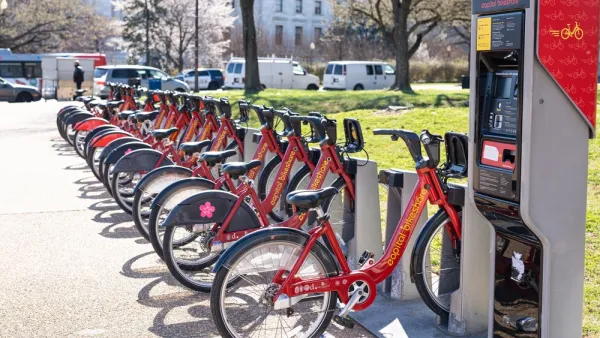
Bikeshare Ridership Up From Pre-Pandemic Levels
Shared micromobility, particularly docked bikeshare systems, are seeing record growth, but ‘scooter inflation’ may cool riders’ enthusiasm.
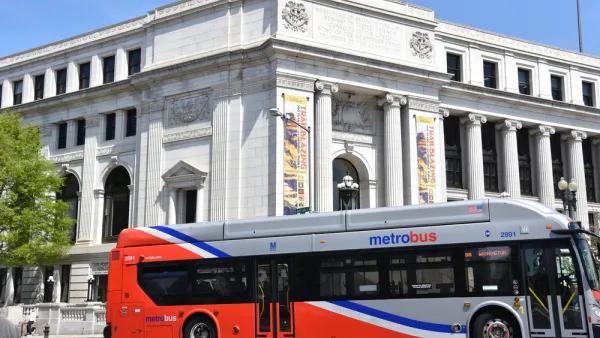
Free Rides, Overnight Service Considered for Metro Transit in D.C.
Washington, D.C. councilmembers are making a bold commitment to public transit.
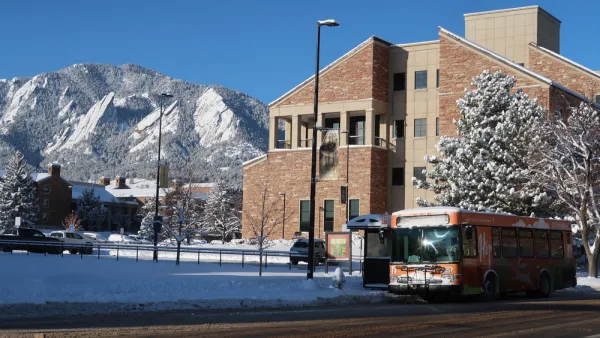
Colorado Free Transit Program Boosted Ridership
Many local transit agencies that took advantage of a state program that funded free fares throughout August have seen increased ridership even beyond the program’s end.
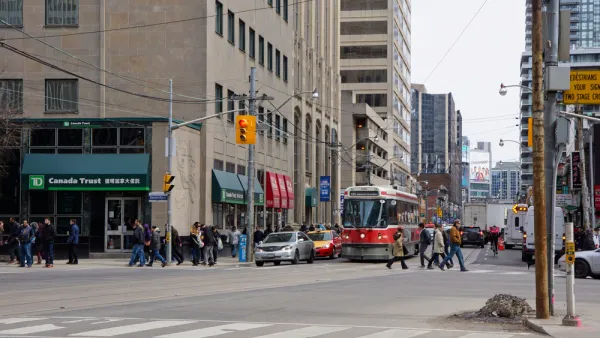
Canada's Car Commuting Roars Back as Transit’s Rebound Remains Slow
Car commuting rates are returning to pre-pandemic levels, while public transit and active transportation rates are slower to recover.
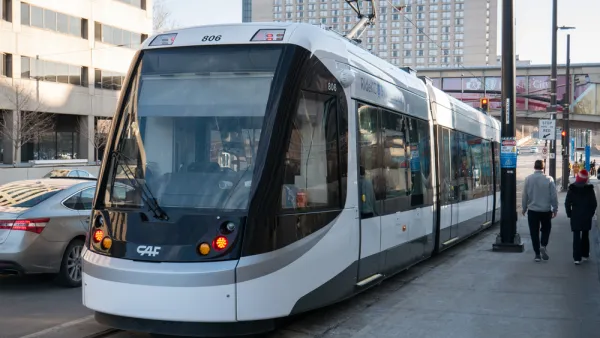
The Limits of Kansas City’s Fare-Free Experiment
For the Missouri city, the economic and social benefits of eliminating transit fares outweigh the costs, but can their success be replicated in bigger cities more dependent on farebox revenue?
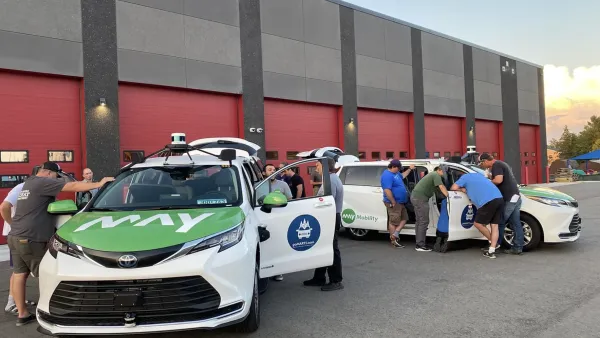
Grand Rapids Tests First Rural Autonomous Shuttle
The town launched a five-vehicle fleet aimed at improving mobility for residents in the rural community.
Why Are U.S. Roads So Deadly?
Despite an abundance of Vision Zero pledges, U.S. roads remain some of the most dangerous in the developed world.
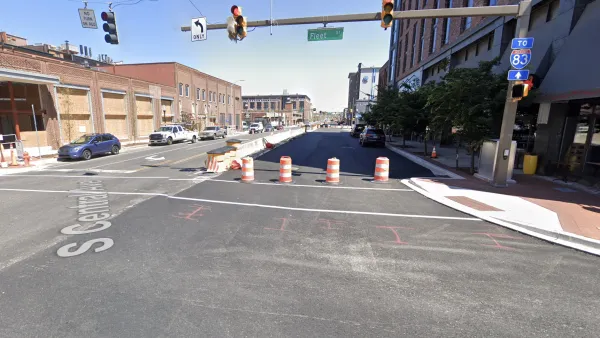
Protected Bike Lanes, Vehicle Lane Reductions Cause Stir in Baltimore
Residents and business operators say they weren’t warned about a road diet planned for a major thoroughfare in Baltimore. Planners and advocates say the changes have been a long time coming.
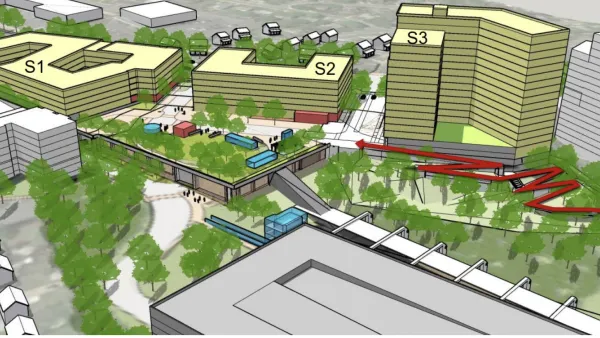
A New Transit Oriented Vision for Fairfax County, Virginia
A new transit station area plan is reaching the finishing line for the Huntington Metro station, serving the WMATA’s Yellow Line in Northern Virginia.

Advice for a Post-Parking Mandate World
After abolishing parking requirements, what can cities do to make the most of new space and revenue and avoid backlash?

Detailing the Boring Company’s Poor Track Record
Elon Musk’s promised solution for congestion—the Boring Co.—has proven most successful at disappearing on the governments that trusted them.
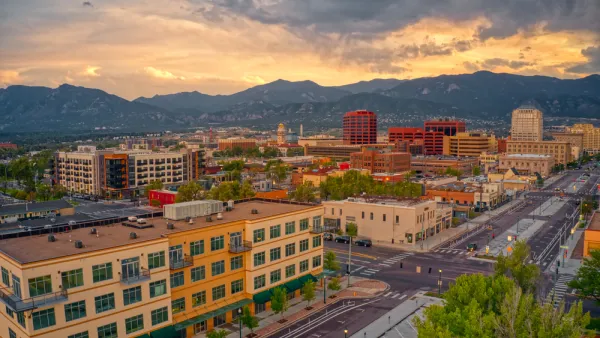
Colorado Springs Updates Transportation Plan
The city made the first revisions to its transportation plan in twenty years, acknowledging the changing transportation needs of the region’s growing population.
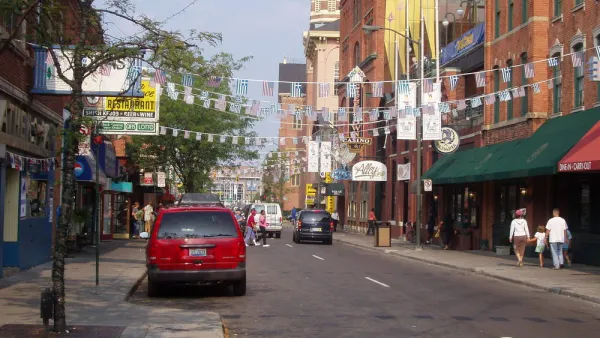
Detroit To Build New Parking for Small Businesses
The city will invest $9 million in an initiative to build customer parking on city-owned lots to boost economic development.

Passenger Rail Could Return to the Gulf Coast
Although the details of the deal remain murky, Amtrak and the freight companies that share tracks in the region have agreed to restore passenger train service east of New Orleans.
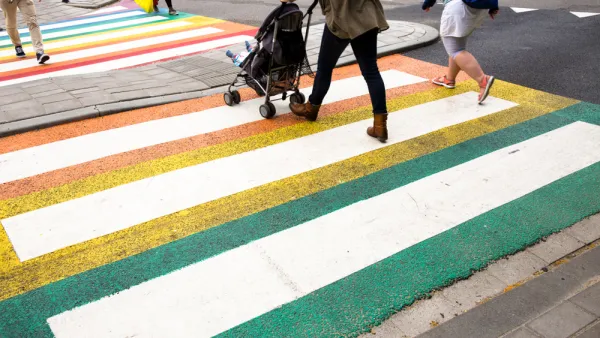
Vision Zero Successes Show a Path Forward
While traffic deaths in the United States keep rising, progress in cities like Hoboken and New York prove that, with the right resources, eliminating traffic deaths is possible.
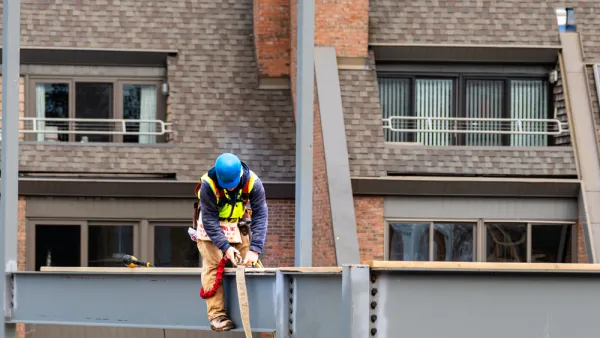
One Year After the Infrastructure Investment and Jobs Act
The potential of the Infrastructure Investment and Jobs Act is most unrealized as the federal government mobilizes the details of the $1.2 trillion bill. President Joe Biden signed the bill in November 2021.

Electric Vehicles Require Real Progress—Not Lip Service—on Equity
Communities of color are already being left behind as the nation prepares the infrastructure for an electric future.
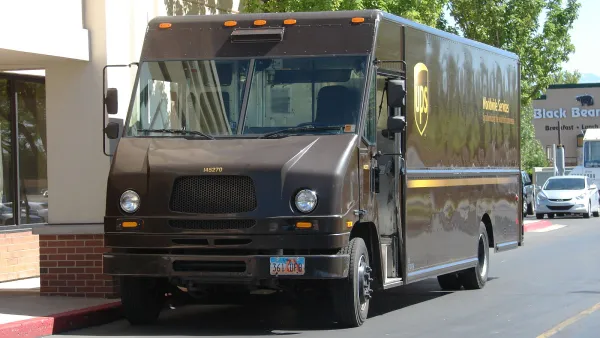
Mitigating the Impacts of Delivery Services
How cities can minimize the impact of delivery vehicles on air quality and congestion through effective curb management and zero-emission delivery zones.
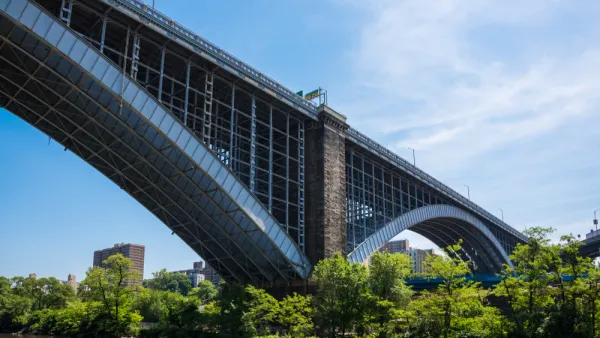
New York Announces New Bike Lanes and Public Space Improvements
As part of its commitment to improve safety for pedestrians and cyclists, the city identified several major projects for 2023 that include protected bike lanes and public plazas.
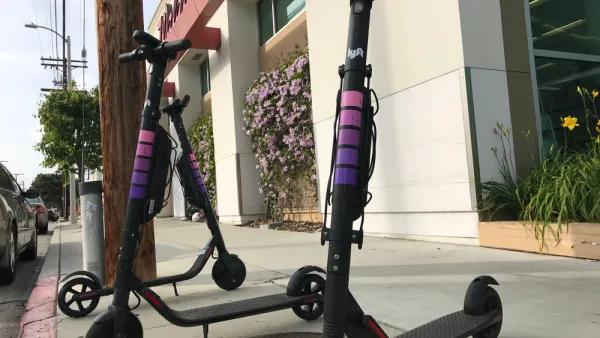
Lyft Pulls Micromobility From Los Angeles Area
The company will no longer provide shared bikes and scooters in the L.A. region, citing a ‘lack of longterm commitment’ from cities.

FREE Course: Walkable City 1: Why Walkability?
After describing his path towards focusing on walkability as the essence of good planning, Jeff Speck marches through his five principal reasons for making more walkable places.
Reinventing Malls: Planning Alchemy—Turning Gray Fields Into Gold
The course focuses on the opportunities and imperatives that shape reinvention of mall sites.

City of Rosemead
Rutgers University, Edward J. Bloustein School of Planning and Public Policy
One Hundred Miles
University of Michigan School for Environment and Sustainability (SEAS)
Hunter College, City University of New York (CUNY)
The Architects Foundation
City of Cambridge
The Pocatello Development Authority
The Urban Renewal Agency of the City of Pocatello









