Transportation
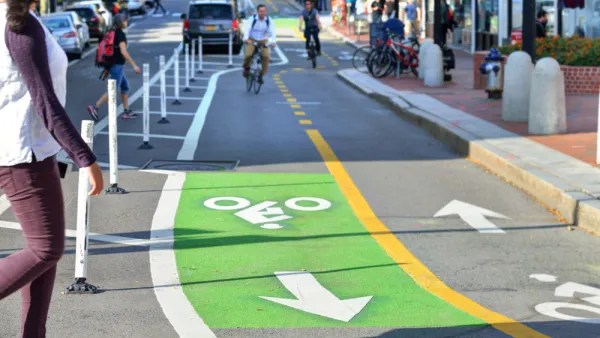
Protected Bike Lane Yields Positive Results in North Kansas City
A one-mile protected bike lane has been shown to decrease driver speeds and attract more cyclists to the route.
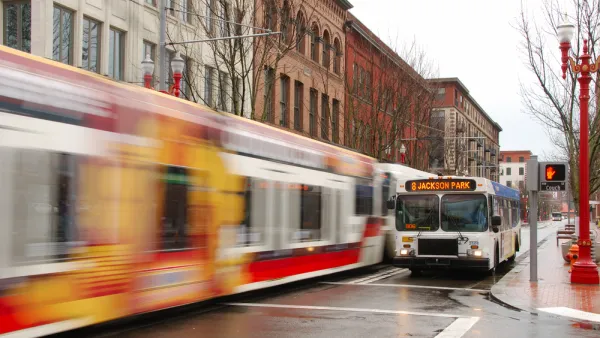
Promoting Diversity in Transit Leadership
Latinos in Transit works to connect and empower people of color to increase diversity in management roles at transit agencies.
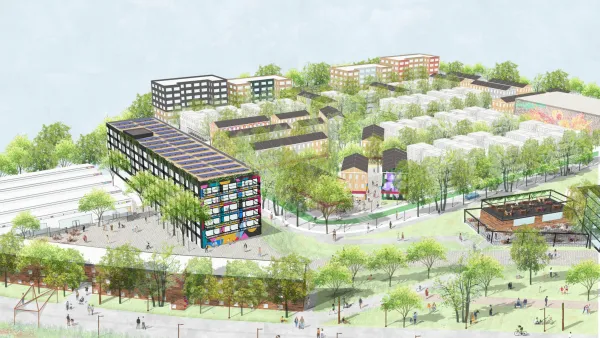
Tempe’s Car-Free Developers Headed to Atlanta
Culdesac, developer of a massive no-parking multi-family development in Arizona, is headed to Georgia.
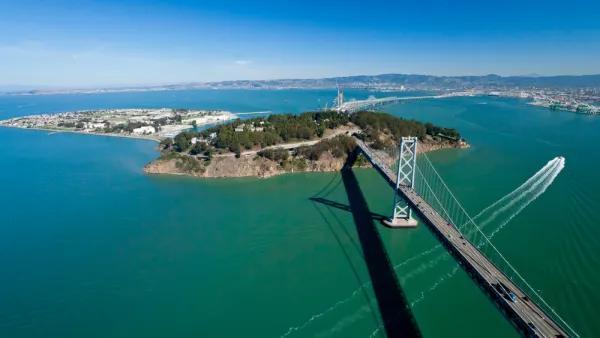
Maps for Proposed San Francisco Bay Tunnel Revealed
Planners presented two options for new tunnels that would help connect more parts of the Northern California megaregion to San Francisco and Oakland.
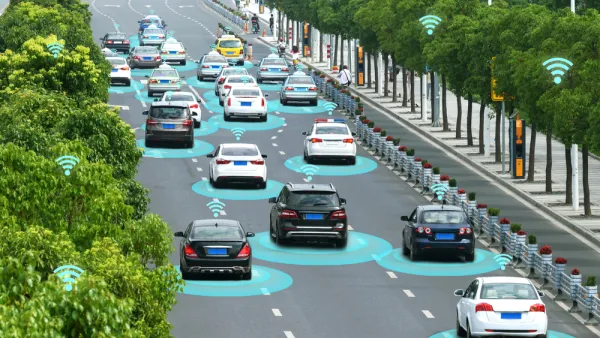
Will Autonomous Cars Live Up to Their Potential?
A new report details the promise and perils of the growing autonomous vehicle industry.
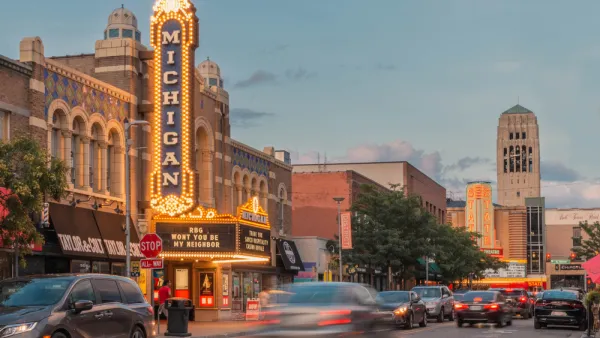
Ann Arbor Delays Right Turn on Red Ban, Citing Equity Concerns
The city council wants more information on how a ban on right turns on red would affect the city’s hourly workers and the details of its implementation.
There Goes the Neighborhood? The Trickle-Down Effect of High Ride-Hailing Prices
Low-cost Uber and Lyft services helped some neighborhoods thrive, making them more accessible. Now these same neighborhoods are feeling the pinch as high ride-hailing costs push customers to stay closer to home.
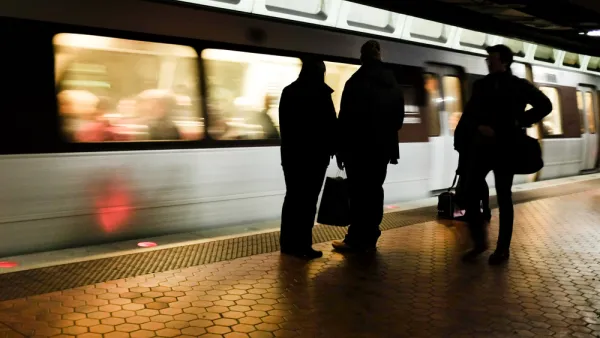
Southern Maryland Rapid Transit Proposal Moves Forward
The state assembly has asked the department of transportation to begin research and planning for a rapid transit line that would connect residents with jobs in Washington, D.C. and reduce traffic congestion in the region.
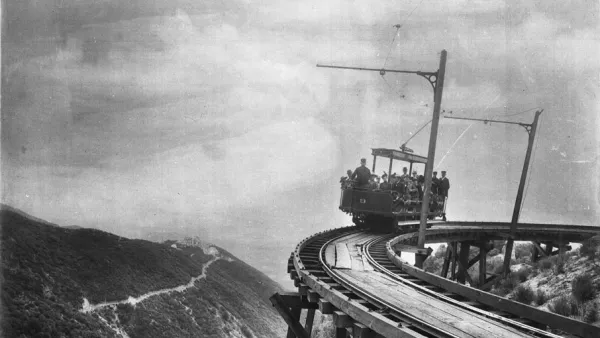
Mountain Shuttle Could Be Revived, a Century Later
Close to one hundred years after the last funicular trains took tourists up to dizzying heights in the Angeles National Forest, a new shuttle service could bring the wilderness closer to more Los Angeles residents.
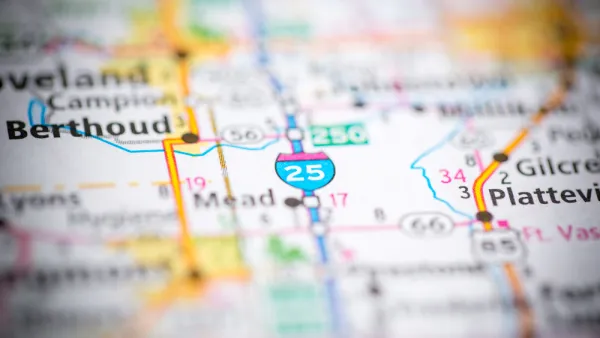
Colorado OKs $350 Million for I-25 Expansion
Colorado’s new approach to transportation projects is on display with the funding of a new project to widen an interstate freeway, adding bike and pedestrian infrastructure alongside new toll lanes.
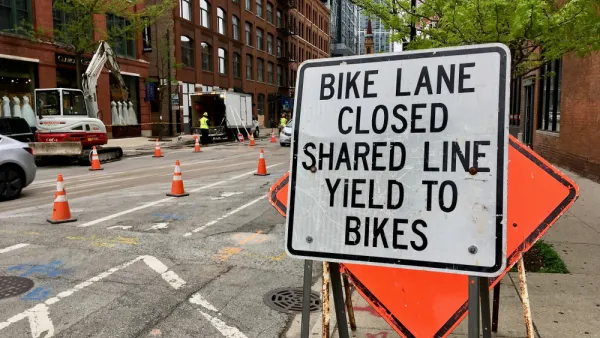
Opinion: Traffic Calming Shouldn’t Be Optional
Road infrastructure that fails to make dangerous driving behavior feel risky to drivers is ineffective in protecting pedestrians and people on bikes.
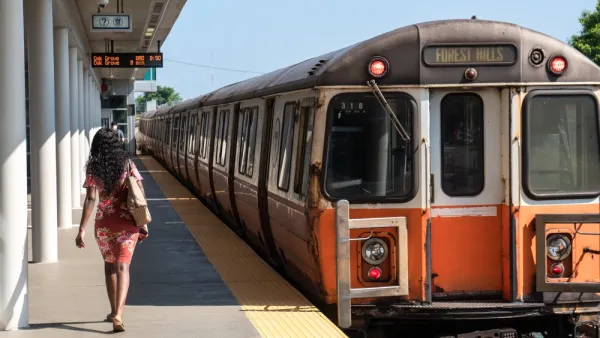
When Transit-Oriented Development Is Missing the ‘Transit’
Cities, residents, and developers have a renewed interest in building more housing near transit stations—when they actually provide safe, reliable transit.
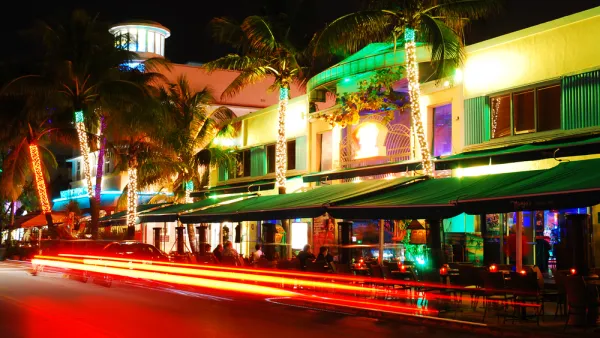
Revamped Curb Management Strategies Among Pandemic Changes Likely to Stick in Cities
With so many more people working from home, ordering delivery, and moving around the public realm in new ways, advanced curb management strategies are among the pandemic-era innovations likely to stick long into the future.
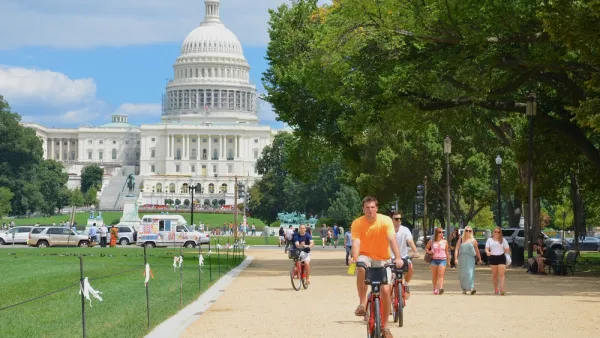
D.C. Moves Forward With Idaho Stop Plan
A proposal to outlaw right turns on red and legalize the so-called Idaho Stop for bikes and scooters is aimed at improving road safety and limiting dangerous interactions between cyclists and drivers.
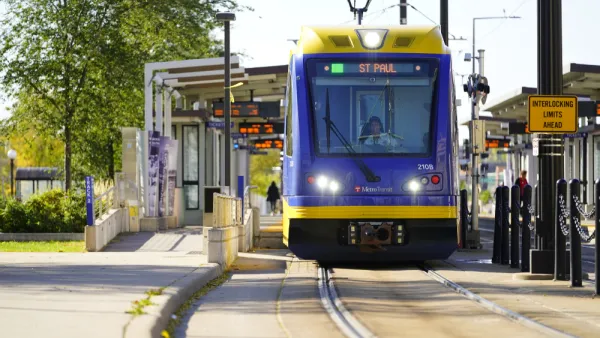
Twin Cities Volunteers Help Recent Immigrants Navigate Transit
Showing refugee and immigrant residents how to use public transportation can improve access to essential services, jobs, and education, but a more robust transit system is needed to effectively serve all who need it.
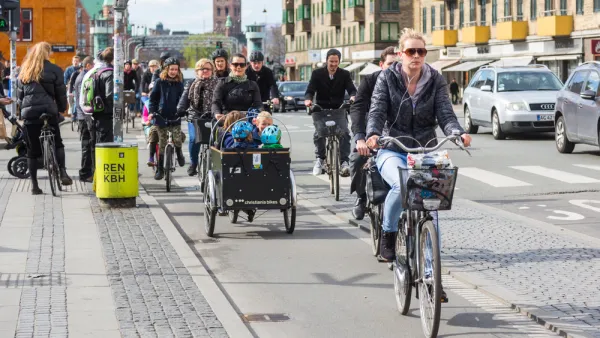
The Inflation Reduction Act's 'Inadequate' Reliance on Electric Vehicles
Electric vehicles can help reduce greenhouse gas emissions, but not enough to prevent the worst of climate change and not as much as walkable cities with far fewer cars on the road.
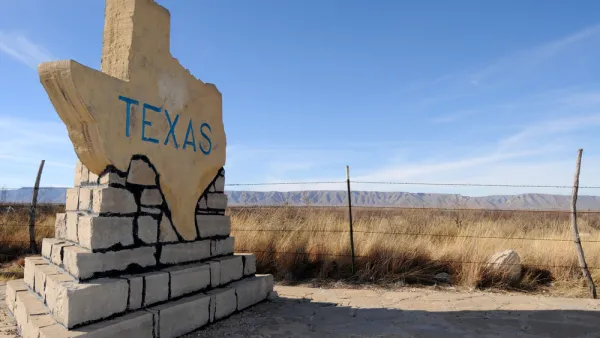
Texas Lags on Rural Road Investments
State-administered roads in rural parts of Texas have some of the highest speed limits in the state, and see more fatal crashes than urban roads.
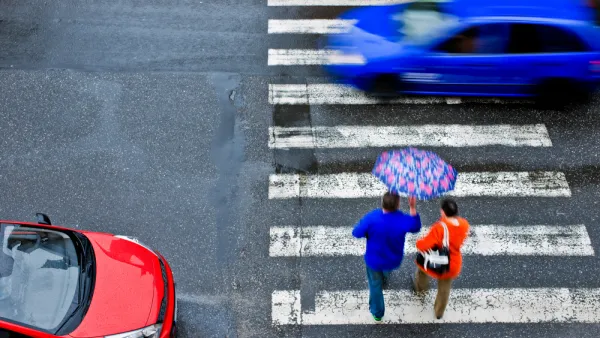
A Legal Perspective on Transportation Safety
Legal scholars are showing how the federal government frustrates pedestrian safety.
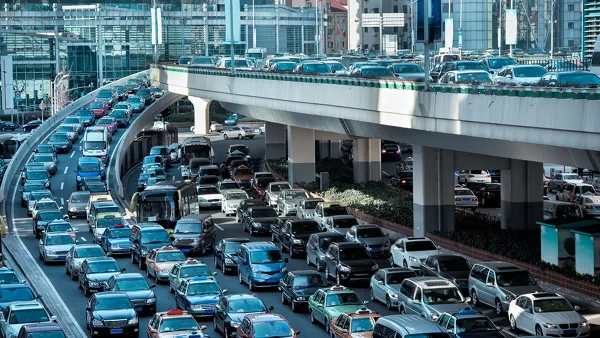
Some Commute Times Worsening Despite Remote Work Trends
The unpredictability of constantly changing commuting trends has some workers seeing much longer commute times as transportation agencies work to adjust to new travel patterns.
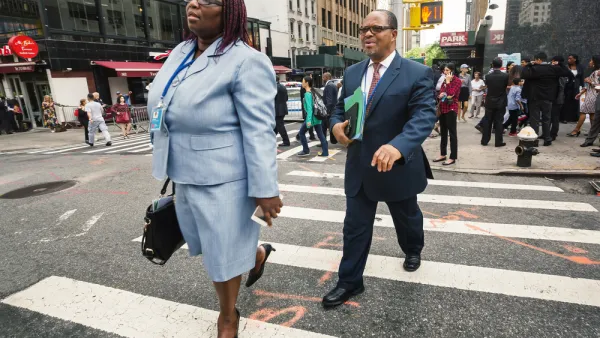
Which Road Safety Interventions Work Best?
Data from New York City show that traffic safety projects that give pedestrians the most space are the most effective in reducing fatal crashes and injuries.

FREE Course: Walkable City 1: Why Walkability?
After describing his path towards focusing on walkability as the essence of good planning, Jeff Speck marches through his five principal reasons for making more walkable places.
Reinventing Malls: Planning Alchemy—Turning Gray Fields Into Gold
The course focuses on the opportunities and imperatives that shape reinvention of mall sites.

KFH Group Inc.
Greater Baltimore Committee
Eagle County Government
The Architects Foundation
University of Cincinnati Online
The Pocatello Development Authority
The Urban Renewal Agency of the City of Pocatello