Electrification
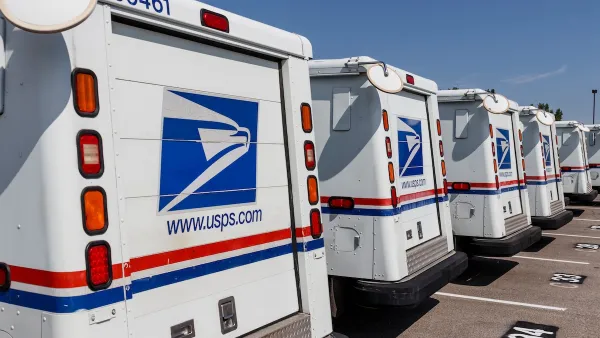
USPS Electrification Project Far Behind Schedule
The manufacturer of the electric mail trucks ordered by the Postal Service is plagued by problems that are slowing production to around one truck per day.
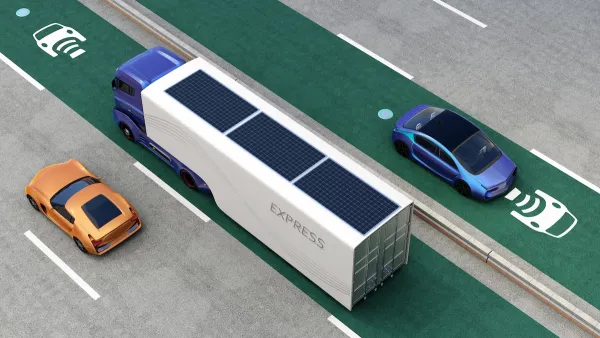
UCLA Will Build California’s First EV Charging Roadway
The ¾-mile segment will allow electric shuttles and buses to charge while driving.
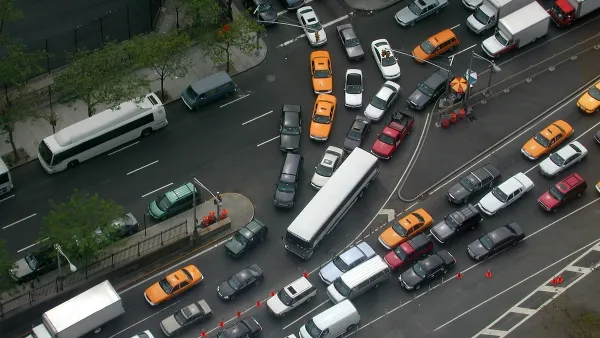
Report Highlights Economic Benefits of Reducing Car Dependence
Encouraging Americans to drive less — and supporting cities where it’s possible to do so — could save the country trillions more than just electrifying the transportation sector.

Caltrain Introduces Electric Train Fleet
The Bay Area agency will switch to all electric trains by the end of September.

Austin Transit Agency Backs Down on Electric Bus Pledge
Technology problems, short ranges, and supply chain issues hinder Cap Metro’s ambitious electrification plan.
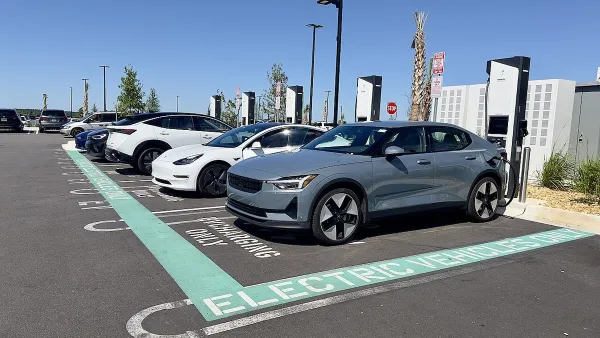
Florida Law Bars Cities From Regulating EV Chargers
Under the new law, cities cannot require charging infrastructure in local codes.

LA is Electrifying its Bus Fleet, but Olympic Transit Challenges Remain
The region is preparing its transit system to handle the more than one million visitors expected during the 2028 Olympic Games.
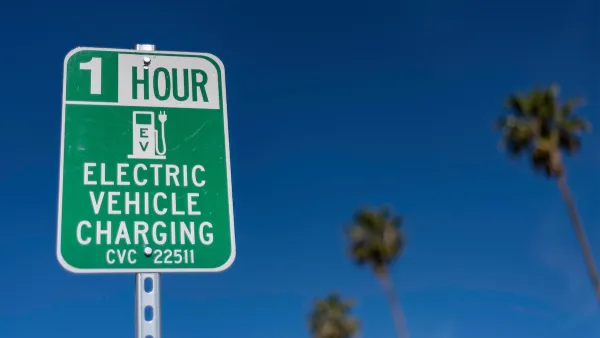
L.A. County Expands Electric Vehicle Fleet to Combat Climate Change
Leading by example, the county is increasing its electric vehicle fleet to reduce greenhouse gas emissions and promote sustainability.
New York State Climate Plan Stalls
Of 35 recommendations presented in the state’s climate scoping plan, just one has been implemented so far.
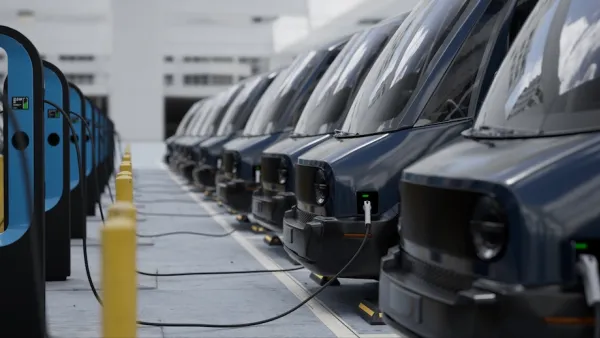
USDOT Unveils Strategies to Achieve Near-Zero Transportation Emissions
Three key strategies — reducing travel distances, increasing energy-efficient travel modes, and transitioning to zero-emission vehicles and fuels — are recommended to meet national climate goals under the Paris Agreement.
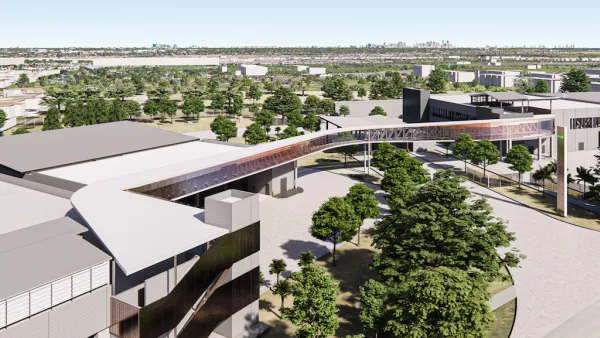
Miami Breaks Ground on All-Electric Transit Center
The terminal will have the capacity to power 100 electric buses.

California Cities Suspend Natural Gas Bans Following Court Ruling
A Ninth Circuit court ruling forced Berkeley to reverse its ban on natural gas in new buildings, prompting other cities to suspend their own efforts to promote all-electric buildings.
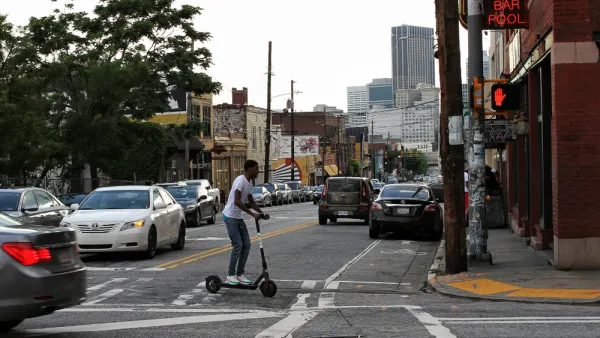
Georgia Partnership Seeks to Boost Clean Transportation in Black Communities
The Electric Black Future initiative seeks to address historic disparities in transportation, energy, and technology workforce by helping Black communities in three Georgia cities shape their e-mobility futures.

Northwest Power Demand Could Surge as Data Centers, Transportation Electrification Ramps Up
New estimates project a steady increase in electricity demand due to population growth, data centers, and the shift to electric power in homes, buildings, and transportation.
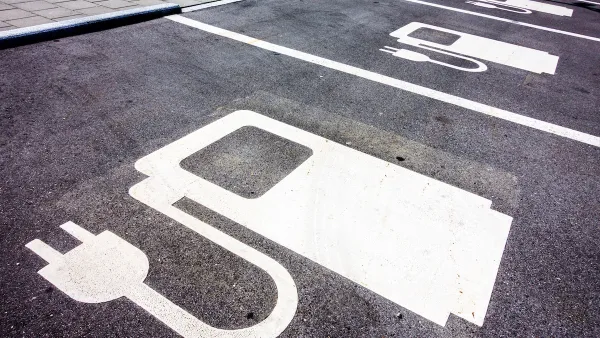
How New Federal Rule Could Impact EV Adoption
An adjustment to federal pollution limits will require a greater share of low-carbon vehicles, but the rule also gives automakers some flexibility in deploying electric and hybrid cars.
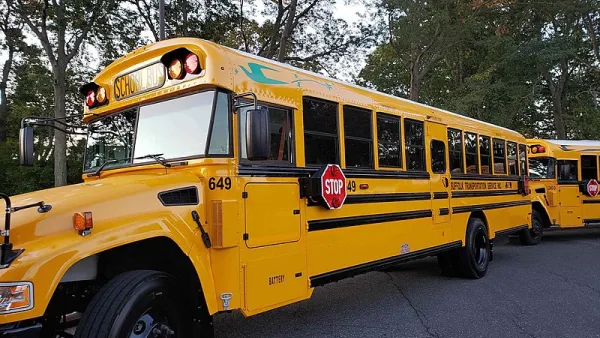
US EPA Awards Another $1 Billion for Clean School Buses
The funding will help purchase over 2,700 electric and low-emission vehicles in 280 school districts in 37 states.
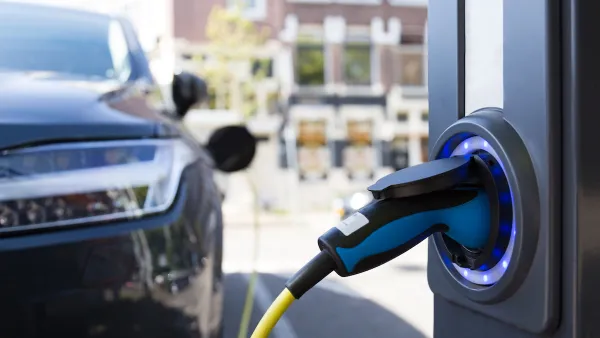
Federal Government Awards $623 in EV Charging Grants
The grants will fund roughly 7,500 new chargers in neighborhoods and along key freeway corridors.

How to Decarbonize the Electric Grid
Eliminating fossil fuels means shifting how electricity is produced and distributed from the source.

Berkeley Natural Gas Ban Remains Reversed
A court declined to revisit its decision to invalidate a city ban on natural gas hookups.
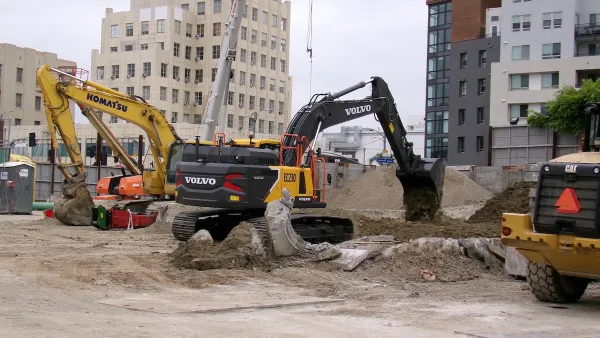
LA Rail Project Testing Electric Excavator
The battery-powered excavator could replace diesel-powered machinery to reduce construction emissions and noise.

FREE Course: Walkable City 1: Why Walkability?
After describing his path towards focusing on walkability as the essence of good planning, Jeff Speck marches through his five principal reasons for making more walkable places.
Reinventing Malls: Planning Alchemy—Turning Gray Fields Into Gold
The course focuses on the opportunities and imperatives that shape reinvention of mall sites.

City of Charlotte
City of Rosemead
Rutgers University, Edward J. Bloustein School of Planning and Public Policy
University of Michigan School for Environment and Sustainability (SEAS)
Hunter College, City University of New York (CUNY)
The Architects Foundation
University District Partnership









