Electrification

Companies Eyeing EV Charging as Next Big Opportunity
More electric vehicles on the road will mean more demand for charging stations where drivers can power up away from home.
'Charging as a Service' Could Accelerate Decarbonization
The proliferation of private EV charging services, coupled with federal investment in charging stations, has the potential to reduce 'charging anxiety' and encourage a faster switch to electric vehicles.
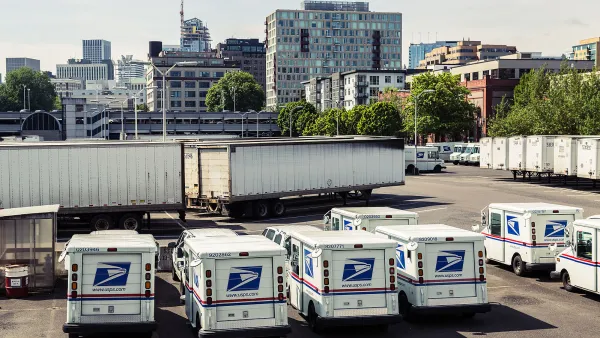
USPS Says It Needs More Money To Electrify Fleet
The agency claims the federal government isn't providing enough funding to switch more of its delivery trucks to electric vehicles.
Brief: U.S. DOT Rural EV Toolkit Is Good but No Panacea
The U.S. needs more charging infrastructure to support the electrification of the transportation sector. This toolkit is a good step in the right direction. But electric vehicles and charging infrastructure are no panacea to our transportation woes.
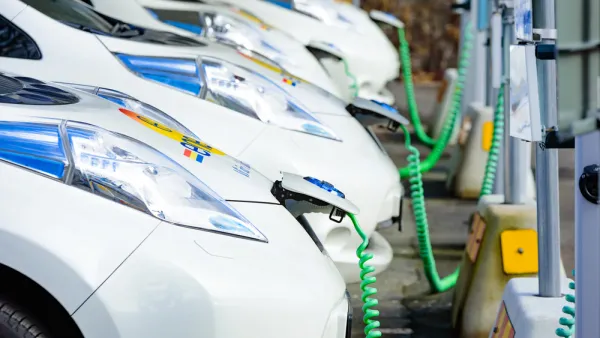
Challenges to Electrifying City Fleets
Shifting municipal fleets to electric vehicles poses some challenges, but cities can take steps today to prepare for an easier transition to an electric future.

Sustainability Advocates Reject USPS Electrification Plan
Critics say the Postal Service's argument for its weak commitment to electrifying its vehicle fleet doesn't hold water.

Fighting Climate Change in the Kitchen
With more cities banning the use of natural gas in new buildings, cooks are discovering the benefits of electric appliances.
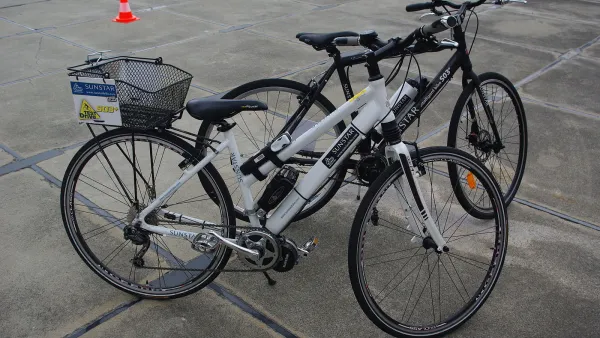
Why Are U.S. Policymakers Ignoring Electric Bikes?
The singular focus on EVs is making U.S. cities miss out on the opportunity to promote e-bikes as a more efficient and sustainable transportation mode.
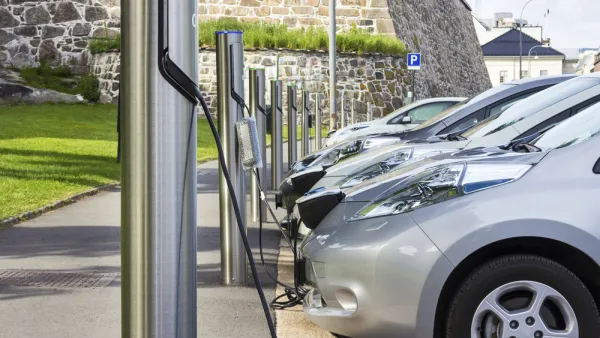
Study: EV Adoption Isn't Enough. Car-Centric Culture Needs To Change.
The focus on electrifying personal vehicles misses the opportunity to transform urban transportation systems, reduce congestion, and make cities more affordable.
Making The Switch To EVs Requires Robust Charging Infrastructure
With more states outlawing the sales of gas-powered vehicles and the federal government setting ambitious electrification goals, now is the time to invest in critical charging infrastructure.
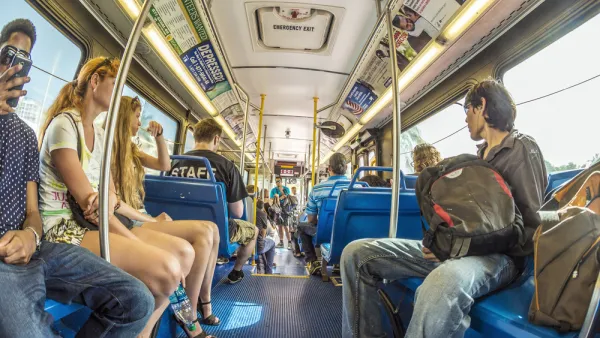
To Fight Climate Change, Support Public Transit
Electric cars may garner a lot of attention these days, but significantly reducing carbon emissions and urban congestion means investing in high-quality mass transit.
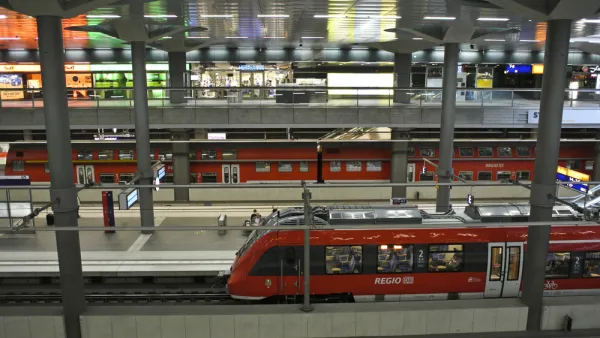
How Global Cities Are Working to Electrify Transit
With the transportation sector accounting for a third of urban carbon emissions, cities around the world are seeking new ways to electrify their transit fleets and reduce fossil fuel consumption.
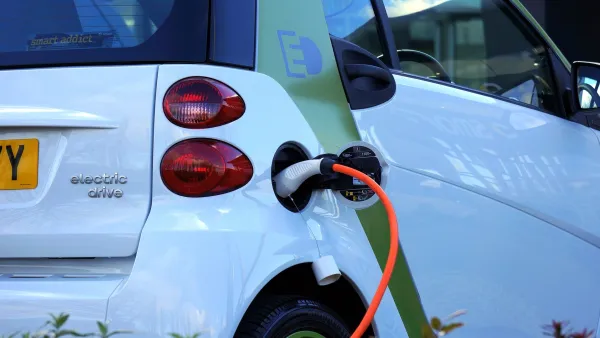
Five Midwest States to Develop EV Charging Network
The governors hope the agreement will create jobs, reduce emissions, and encourage more widespread adoption of electric vehicles in their states.
Hybrid Car Sales Fail to Meet Predictions
Over a decade ago, automakers predicted that every new car would be a hybrid by 2020. Why were they so off the mark?

New Infrastructure Bill Guts Transit, EVs, and Safety Programs
The proposed bill keeps road funding almost intact while cutting funding for electrification, rail, and community development.
Too Much Focus on EVs in Infrastructure Bill
Funding the electrification of personal vehicles won't move the needle on climate change nearly as much as investing in infrastructure that lets people get out of their cars, mode shift advocates argue.
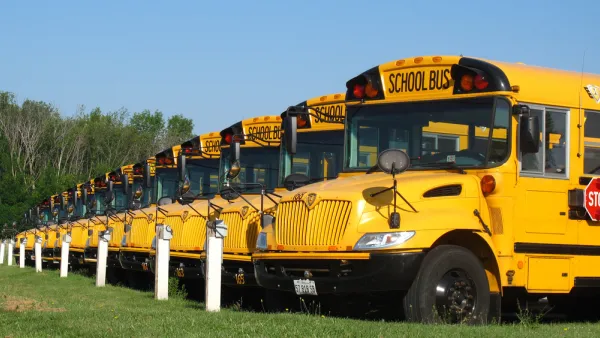
Congress Shortchanges School Bus Electrification in Infrastructure Bill
Greening school buses, which represent the bulk of America's mass transit, would reduce children's exposure to harmful diesel emissions and remove millions of tons of greenhouse gas emissions from our roads.
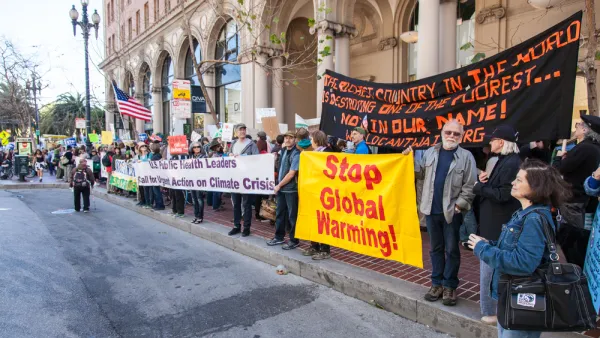
The Climate One-Two Punch
Like a boxer, cities are wielding their one-two punch in the fight against climate change. One punch aims to protect people from the oppressive heat, while the second punch strikes at the source of global warming by reducing overall GHG emissions.
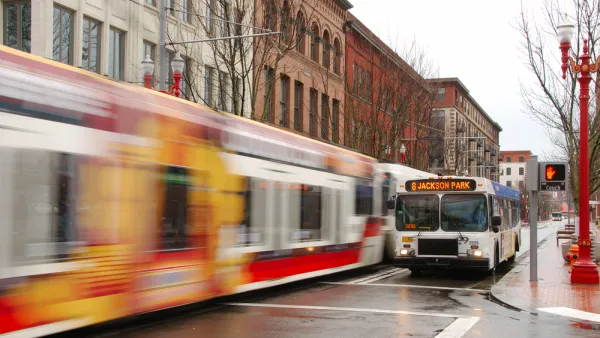
Fighting Climate Change Requires Serious Transportation Reform
The federal government can encourage public transit use and electrification through reforms in transportation systems and land use policies.
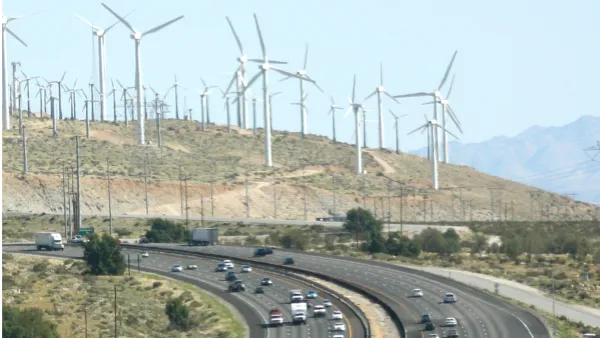
California's Priorities for Electrification and Resilience
CEC Chair David Hochschild shares the commission’s strategy for improving the current grid system and how California has been, and will continue to be, a global leader in clean energy innovation.

FREE Course: Walkable City 1: Why Walkability?
After describing his path towards focusing on walkability as the essence of good planning, Jeff Speck marches through his five principal reasons for making more walkable places.
Reinventing Malls: Planning Alchemy—Turning Gray Fields Into Gold
The course focuses on the opportunities and imperatives that shape reinvention of mall sites.

City of Charlotte
City of Rosemead
Rutgers University, Edward J. Bloustein School of Planning and Public Policy
University of Michigan School for Environment and Sustainability (SEAS)
Hunter College, City University of New York (CUNY)
The Architects Foundation
University District Partnership









