Vehicle Miles Traveled
Traffic Deaths Take a Big Jump in 2016
A 9 percent increase in fatalities on the nation's highways compared to the same period in 2015 does not appear to be a result of increased driving, which jumped 3.3 percent during that period, but rather an increase in the rate of fatal crashes.
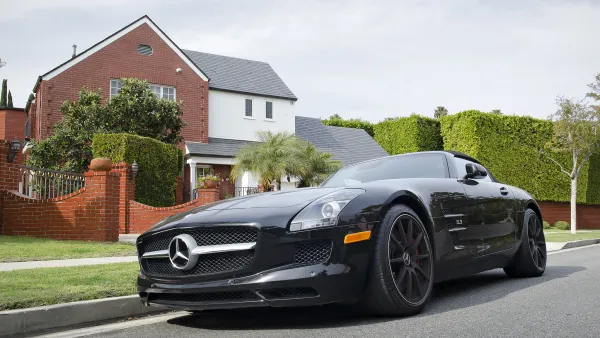
Americans Continue to Drive More, Reports Federal Highway Administration
New driving totals are out for June and and the first six months of 2016, and the news is not good for those who want to see a reduction in what is now the greatest source of the nation's greenhouse gas emissions.
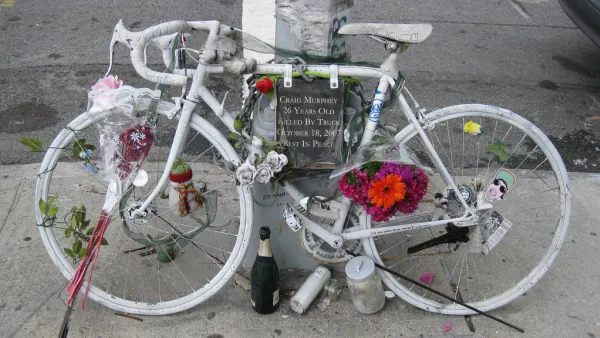
2015 Road Toll: 35,200 Fatalities
The National Highway Traffic Safety Administration (NHTSA) released preliminary fatality estimates for 2015. Deaths jumped by 2,525, an increase of 7.7 percent over 2014. Pedestrians and bicyclists saw the biggest increases.
California Environmental Law Continues to Frustrate Bike Planning (for Now)
Help is on the way. The law that requires the governor's planning office to devise an alternative method for measuring vehicle traffic for environmental compliance will also take up where an earlier law that exempted bike lanes from CEQA left off.
Public Transportation Ridership: Three Steps Forward, Two Steps Back?
Recent data showing declining transit ridership is only the latest news to cast doubt on expectations of a public transit renaissance.
More Than One Way to Gauge How Much Americans are Driving
Last year the U.S. Department of Transportation reported an increase of 3.3 percent in miles-traveled. During that same period, use of toll facilities, i.e., where motorists elect to pay to drive, increased 7.7 percent according to a new analysis.
Southern California Association of Governments Stalling on CEQA Reform
One of the largest, most influential regional governments in the state has asked for exemptions from changes to the California Environmental Quality Act (CEQA) that will measure Vehicle Miles Travelled (VMT) instead of Level of Service (LOS).
San Francisco Leading CEQA Reform Process—Scraps Level of Service
The San Francisco Planning Commission took historic action earlier this month, voting to end the use of Level of Service in environmental review.

So Much for Peak VMT
Many observers and planners had hoped 2007 was the peak of vehicle miles travelled in the United States. After record-breaking increases in driving and auto sales, what are we to make of the present and future of driving in the United States?
2015 Sets New Record for Vehicle Miles Traveled
2007 had set the prior record, which sparked the term, "peak miles driven" or "peak car." Historically low gas prices and an improved economy have fueled more driving, resulting in a record of 3.148 trillion miles driven last year.
Federal Report Finds Increasing Numbers of Traffic Deaths
With more driving comes a lot more deaths on the nation's roads. The question is why traffic deaths increase at a greater rate than vehicle miles traveled.
Draft CEQA Updates Now Available for Public Comment
A big moment in the process of updating the California Environmental Equality Act.
Trinity Parkway Would Raise Dallas-Area VMT by One Million Miles a Day
Pitched as a necessary addition to reduce congestion on interstates 30 and 35E as they pass Downtown Dallas, the Trinity Parkway is likely to induce one million additional vehicle miles traveled a day.
Autonomous Vehicles and the VMT Problem
The flurry of speculation about the future of autonomous vehicles (AVs) is mostly ignoring a significant downside: the impact on vehicle miles travelled (VMT).
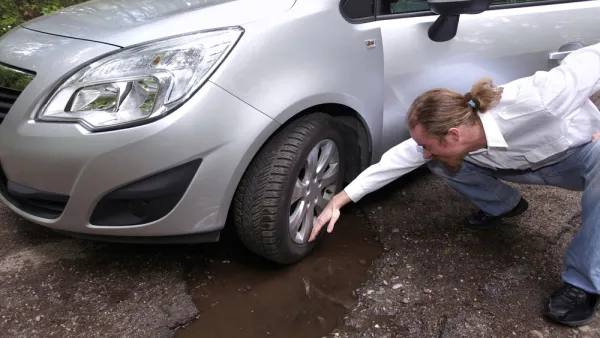
Blaming Millennials for Decaying Road Infrastructure
If you thought inflation and fuel efficiency, along with politicians unwillingness to raise gas taxes were the main causes of America's decaying road and bridges, S&P adds another contributing factor—millennial transportation preferences.
Millennials Can't Change U.S. Driving Habits Alone
Yonah Freemark throws cold water on the notion that the country is becoming less auto-dependent. Yes, millennials are less auto-oriented than older were, but they haven't stopped per-capita vehicle miles traveled from increasing.
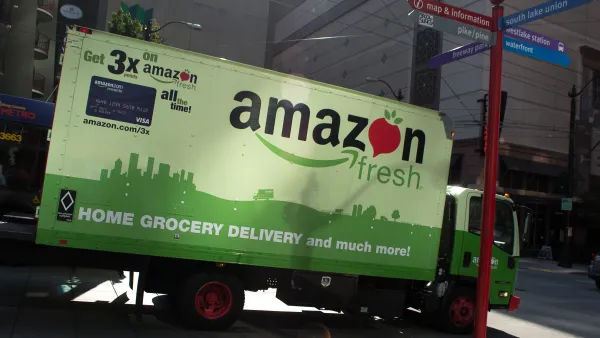
Online Retail Curbs Urban Traffic
Despite claims that urban truck traffic continues to rise, recent data shows no real increase in urban vehicle miles traveled. Online shopping may be helping keep people off the roads.
Drivers Enjoy Lowest Gas Prices in 11 Years on Labor Day Weekend
Not since 2004 have gas prices been this low, an outcome of a glut of oil on the market from producers amidst a slowdown of demand from China. No surprise that driving is at all-time hime. Prices are expected to drop below $2 per gallon by Christmas.
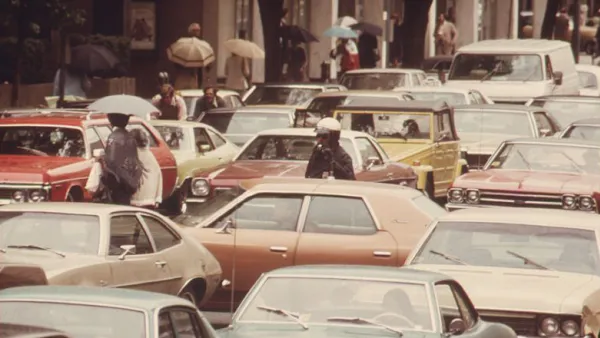
If Congestion Is Getting Worse, Why Are We Spending Less Time Traveling?
The University of Michigan Transportation Research Institute released its eighth report on peak motorization in the U.S., an evaluation of time spent traveling for a broad category of purposes, not just work. From 2004 to 2014, total time decreased.
How Growth and Neighborhood Protection Coexist in Pasadena
Pasadena recently elected its first new mayor in 16 years, and the city is completing a 20-year General Plan Update that aims to continue animating downtown Pasadena by addressing growth and mobility simultaneously.

FREE Course: Walkable City 1: Why Walkability?
After describing his path towards focusing on walkability as the essence of good planning, Jeff Speck marches through his five principal reasons for making more walkable places.
Reinventing Malls: Planning Alchemy—Turning Gray Fields Into Gold
The course focuses on the opportunities and imperatives that shape reinvention of mall sites.

KFH Group Inc.
Greater Baltimore Committee
Eagle County Government
The Architects Foundation
University of Cincinnati Online
The Pocatello Development Authority
The Urban Renewal Agency of the City of Pocatello