Vehicle Miles Traveled
Vehicle Miles Traveled as a Metric for Sustainability
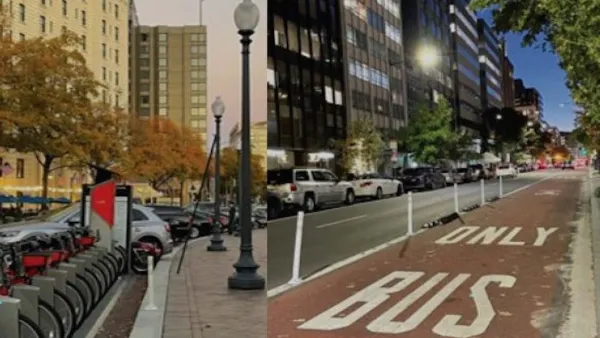
Motor vehicle travel benefits users but also imposes large economic, social, and environmental costs. With better planning, our needs can be met with less vehicle travel. A new ITE report describes why and how to optimize the amount we drive.
Report: Bike Lanes Can't Make up for New Roads
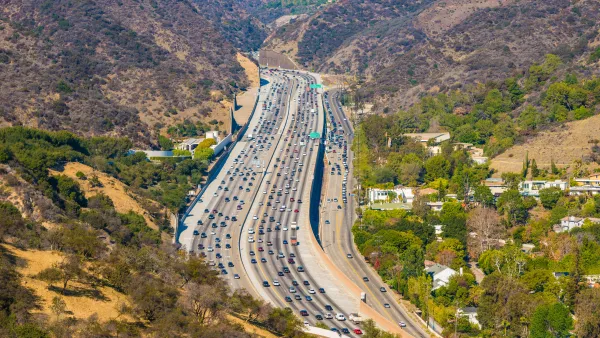
If California wants to meet its climate goals, the state must stop funding its myriad road construction and expansion projects.
How to Reduce Excess Vehicle Travel
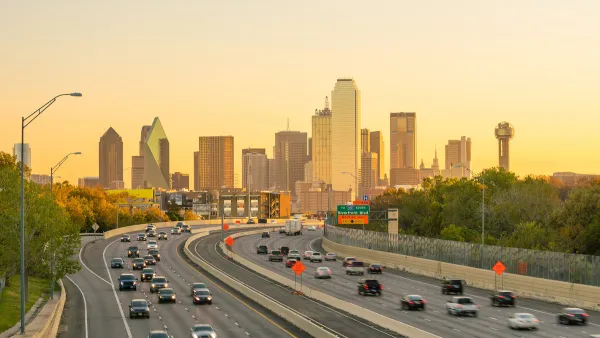
Some experts claim that remote work is the most effective way to reduce vehicle travel, but my research indicates that improving and encouraging walking, bicycling, and public transit can provide larger impacts and benefits.
Leveraging the Choice Not to Travel
The pandemic accelerated the growth of remote services and telecommuting. Now is the time for urban planners to leverage these new opportunities to reduce vehicle miles traveled.
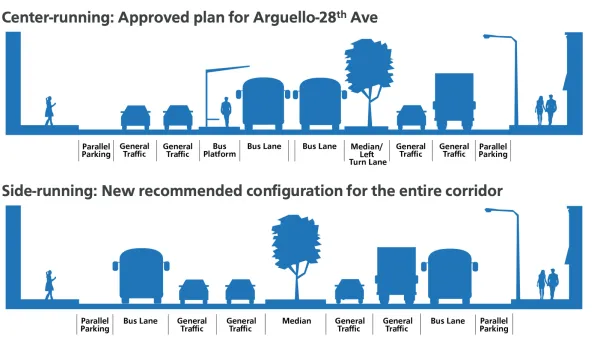
New Bus Only Lane Overcomes Opposition in San Francisco
Local business owners and the local elected official opposed the Geary transit-only lane project, but compromise and wide public support got the project across the finish line.
What Is Transportation Demand Management?
When a government creates incentives or disincentives to influence how and when you travel—that's transportation demand management.
WTPP June Issue Spotlights Livable Cities, Essential Transportation Components
The June 2023 issue of World Transport Policy & Practice spotlights livable cities and features articles about three essential components of livable cities: public transit, bicycling, and reducing car use.
Driving Still Below Pre-Pandemic Levels in the U.S., Study Says
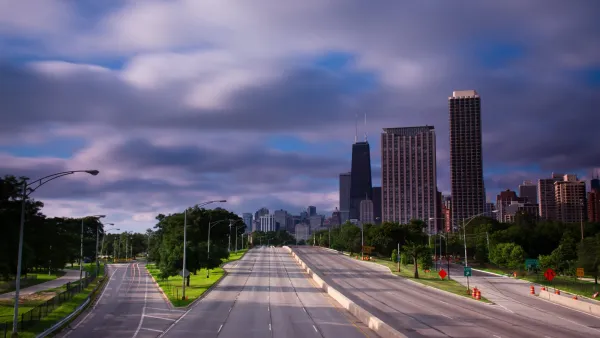
Congestion is increasing much faster than vehicle miles traveled, suggesting that the “new normal” of hybrid work and an influx of suburban residents is taking a toll on the nation's transportation system.
Connecting Land Use and Transportation Planning to Save the Climate
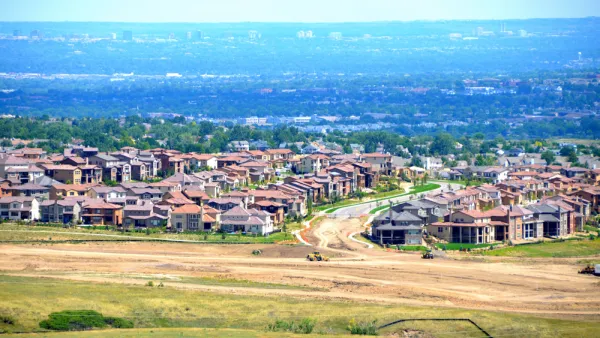
The United States will have to make major changes to long-standing land use and transportation paradigms to prevent the worst outcomes of climate change. How to make those changes was the subject of a recent podcast.

Opinion: Stop Trusting Elon Musk—on Tunnels, on Teslas, on Everything
Musk has leveraged social media intrigue and a hot streak on the market to become the standard bearer for autonomous vehicle technology. Trust Tesla at public peril, argues James Brasuell in this opinion piece.
Californians Could Get a Tax Credit for Not Owning Cars
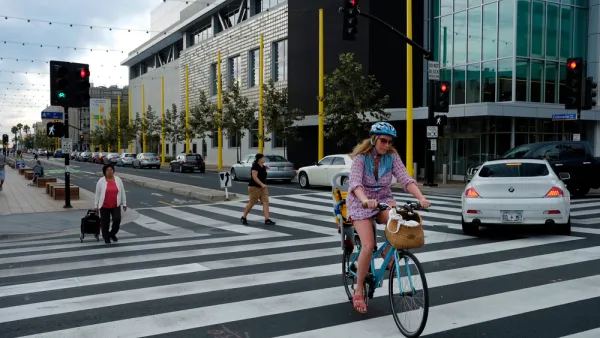
The bill’s sponsors say it’s only fair to extend tax relief to Californians who don’t own cars as the state aims to reduce greenhouse gas emissions and decrease driving.
'Are Gas Prices Too High?'
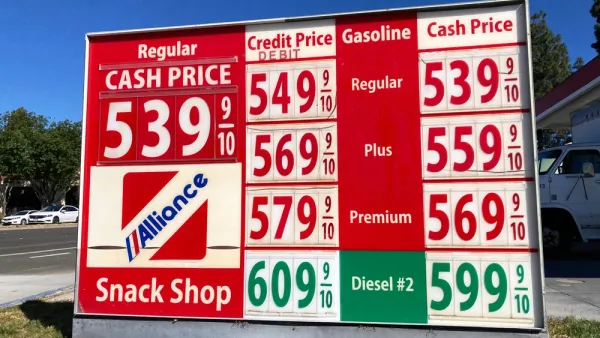
Nominal gas prices have never been higher. But are they too high? The question was posed by the ranking member of the Senate Committee on Energy & Natural Resources to the Secretary of the Interior during a committee hearing on May 19.
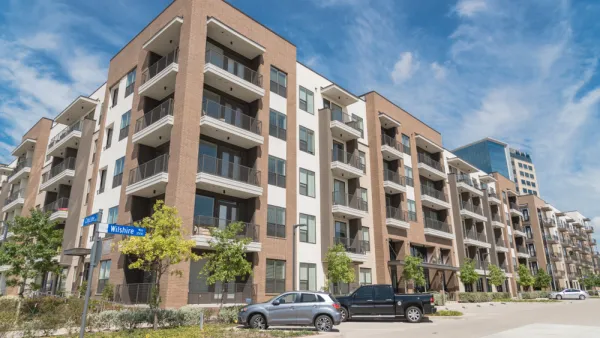
Density and Driving: A Second Look
A common argument against more compact housing is that increased population density will only reduce vehicle miles traveled at moderate levels of density, as opposed to very low-density and very high-density areas. But this might not be so.
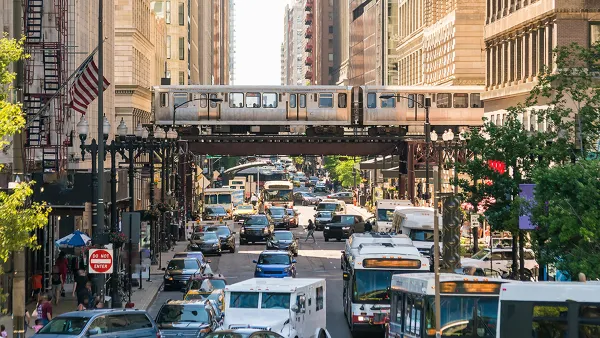
Planning for Congestion Relief
The third and final installment of Planetizen's examination of the role of the planning profession in both perpetuating and solving traffic congestion.

Day One of the National Planning Conference—Reunions, Pandemic Planning, Equity, and VMT
The American Planning Association gathers for its first in-person National Planning Conference since 2019. Planetizen is in attendance, and here is some of what we saw on the first day of the conference.
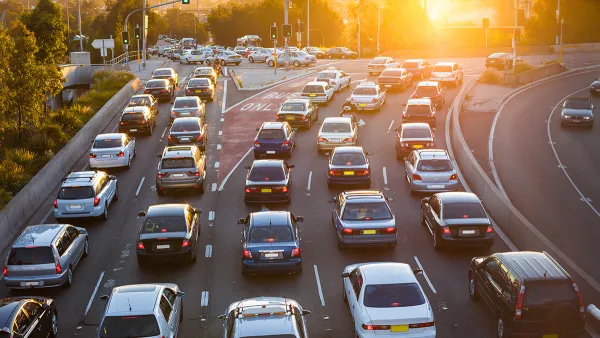
How Planning Fails to Solve Congestion
Solutions for congestion are never as simple and easy as armchair planners and engineers would like you to believe—especially those who suggest that congestion can be solved by forever building more roadway capacity.
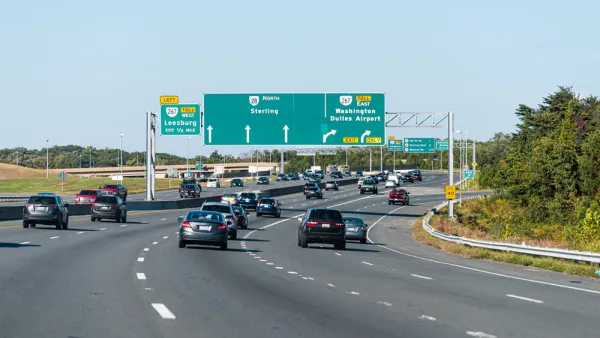
Report: Northern Virginia Transportation Plans Will Induce More Driving
The Northern Virginia Transportation Authority’s plans to widen and expand the region’s highways will lead to a sharp increase in vehicle miles driven, a new study shows.
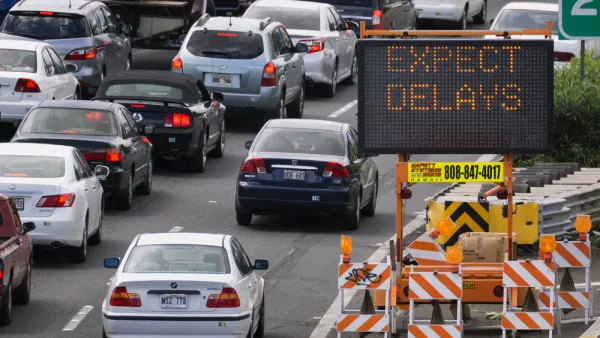
Planning and the Complicated Causes and Effects of Congestion
What do planners know about congestion, and what can they do about it? Explanations and solutions are less obvious than they seem (part one of a three-part series).
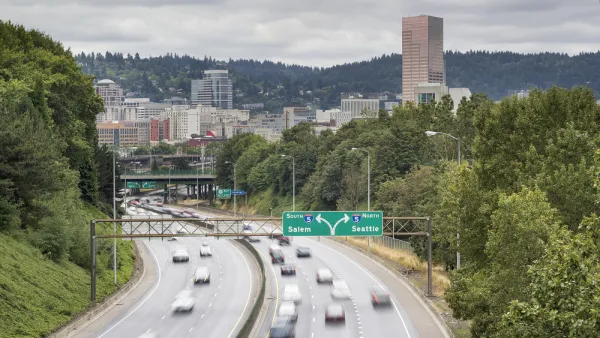
What Is VMT?
A measure of the demand for vehicle travel on public roadways, VMT provides a metric for evaluating the potential impact of road projects and developments and could become an increasingly useful tool for assessing road usage taxes.
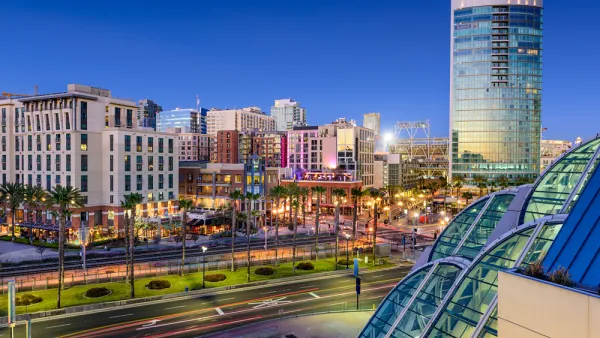
San Diego County Weighs VMT Proposal
San Diego County could tax developers based on projected vehicle miles traveled as part of a new CEQA requirement that replaces Level of Service with VMT.

FREE Course: Walkable City 1: Why Walkability?
After describing his path towards focusing on walkability as the essence of good planning, Jeff Speck marches through his five principal reasons for making more walkable places.
Reinventing Malls: Planning Alchemy—Turning Gray Fields Into Gold
The course focuses on the opportunities and imperatives that shape reinvention of mall sites.

KFH Group Inc.
Greater Baltimore Committee
Eagle County Government
The Architects Foundation
University of Cincinnati Online
The Pocatello Development Authority
The Urban Renewal Agency of the City of Pocatello