Urban Design

It's Time To Reconsider How Speed Limits Are Set
Speed limits are currently determined by a calculation that considers only the status quo of vehicular velocity. Standard practices for speed limit setting and legislators should prioritize the safety of community members, according to this article.
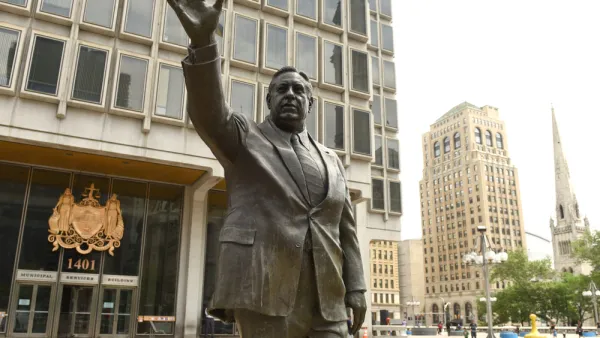
Designing for Life
A Black architect calls on designers to recommit their training and expertise to account for the health and safety of all, especially those who have been most harmed by the status quo of the built environment.
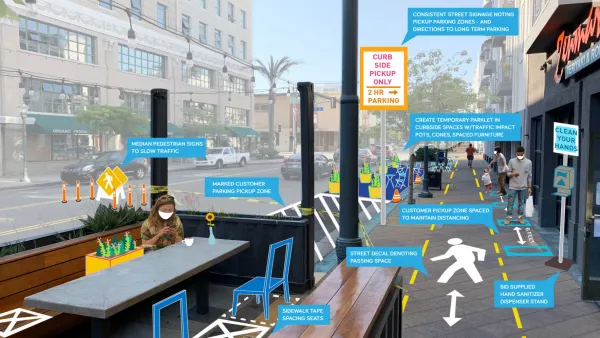
Reopening Main Street
A Long Beach-based urban design firm shares design tips for reopening main streets while balancing public health and economic concerns—making space for parklets, pedestrians, and al fresco dining.
Is it Time to Revive the Pattern Language?
Software and other fields have made brilliant progress with the pattern language methodology, while built environment fields lag badly, mired in parochial debates over the massive book that invented the methodology.
How the Post-Pandemic Future Could Resemble the Pre-Pandemic Future
Response to coronavirus challenges in urban settings will likely be a continuity of work started decades ago.
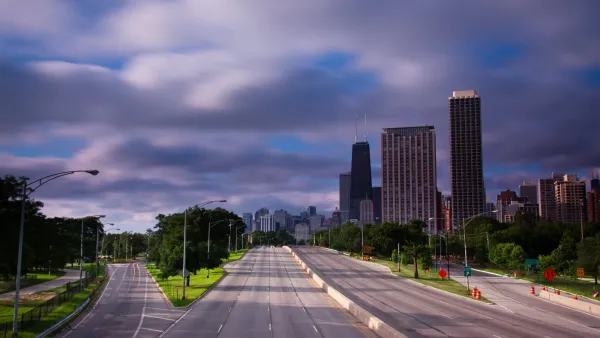
The Pandemic Offers a Chance to Rethink the Mobility Priorities of Cities
Cities have an opportunity to make bold changes that would give pedestrians and cyclists the space on streets that they deserve.
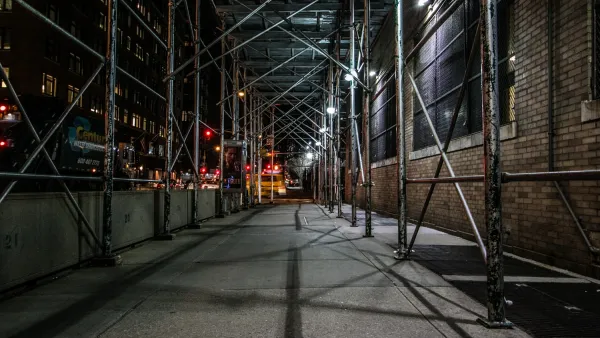
A Closer Look Under the Sidewalk Scaffolding of New York City
A common part of the urban landscape, scaffolds are mostly ignored or detested. But these in-between spaces can also take on a life of their own.
The Traditional Snarky Architecture Review—This Time for the Decade
This annual architecture and design award has been kicking for ten years now, and 2019 provides the perfect opportunity to review the decade that was the 2010s.
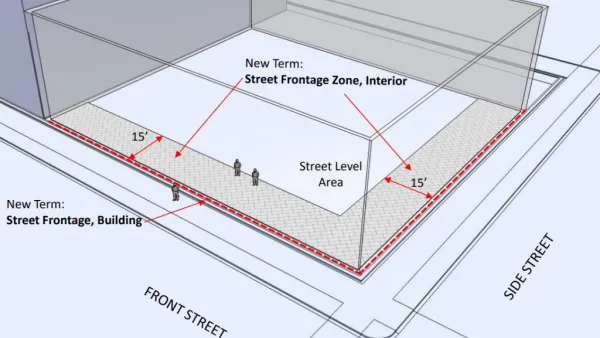
Milwaukee Updates Zoning Code to Encourage Walkability
The city of Milwaukee will require new commercial developments to include a 15-foot "street frontage zone" to encourage walking.
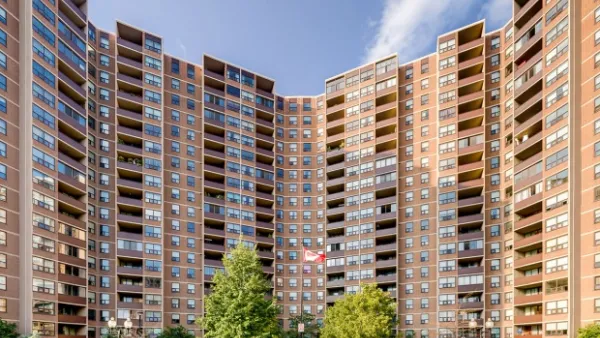
Op-Ed: What Can Be Done About Toronto's Drabness?
After decades of "just-good-enough when it comes to design," now may be the time for Toronto to take steps to upgrade its aesthetics.

Sidewalk Labs Debuts New Generative Design Tool
A new generative tool developed by Sidewalk Labs uses machine learning and computational design to generate millions of comprehensive planning scenarios.
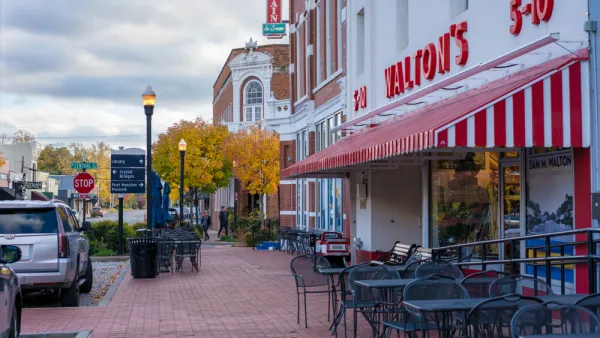
Plans for Walmart's New Corporate Headquarters Return to Company's Roots
Walmart hasn't always synonymous with sprawl, and maybe it won't always be. Its new corporate headquarters has been designed as a walkable urban place, and a magnet for talent.
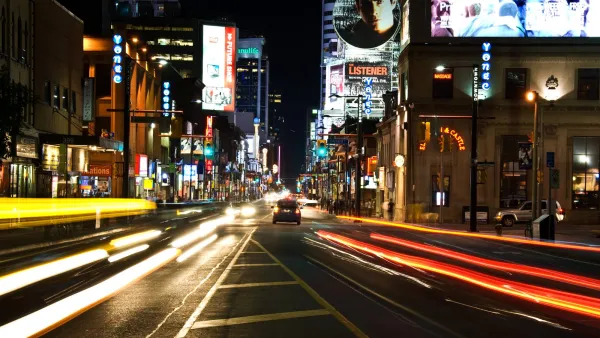
A Pedestrian-Forward Vision for Toronto Roadway
Toronto’s iconic Yonge Street is heavily used by pedestrians, and, according to this article, it's time for a revamp that acknowledges all of the street's users.
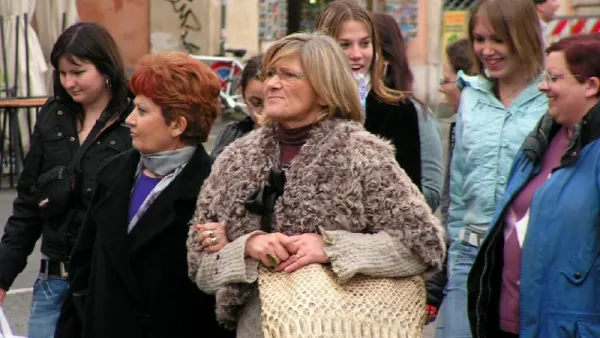
What Would Cities Look Like if They Were Designed by Women?
Cities are built by men, and so too often urban design does not reflect the needs, perspectives, and realities of women.
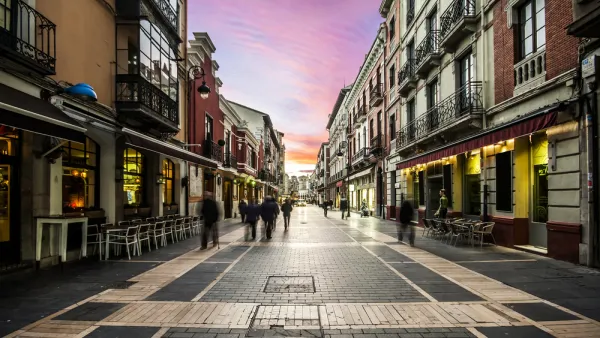
Envisioning the 'Soft City'
Density and diversity—where boundaries between spaces and uses are lessened—create more vibrant, livable places and more functional cities.

Skateboarding and the City
Skateboarding is becoming a legitimate part of the urban landscape by revitalizing public spaces and engaging young people and the broader community.
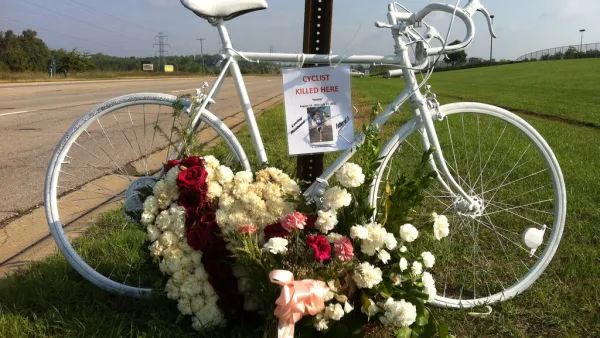
Op-Ed: Street Safety Is a Matter of Race
What do traffic safety and gun violence have in common? A lot, as it turns out. In both cases, hard-hit neighborhoods tend to have suffered from historical disinvestment along racial lines.
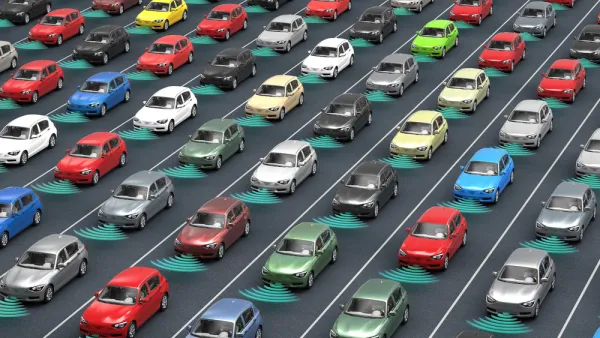
Can Autonomous Vehicles Absolve the Sins of 20th Century Planning?
Self-driving cars are likely to become part of the urban landscape in the future, and they have the potential to drastically alter urban environments—in good and bad ways.
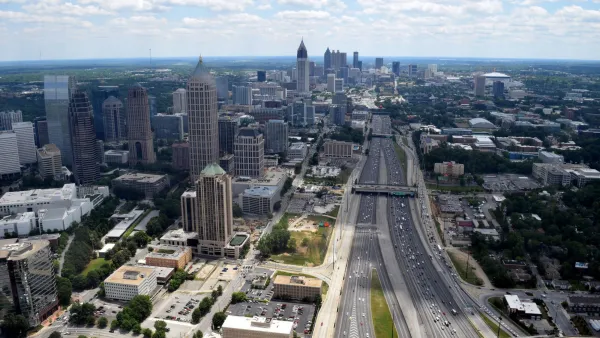
Atlanta Pop-Up Studio Brings Urban Designers into the Community
The Atlanta City Studio lets community members talk to the city’s urban designers about the projects most important to them.
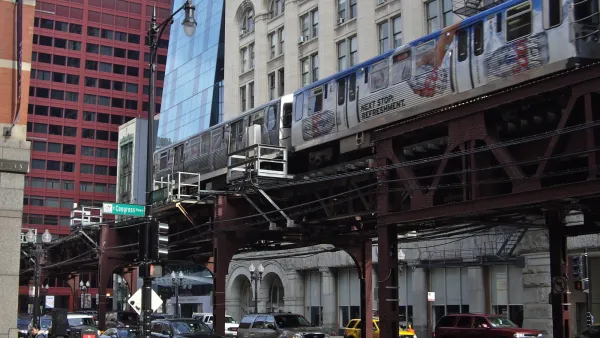
Design Thinking Needs a Broader Perspective
A design-focused study of mode choice doesn’t consider the many ways people interact with and travel through urban environments.

FREE Course: Walkable City 1: Why Walkability?
After describing his path towards focusing on walkability as the essence of good planning, Jeff Speck marches through his five principal reasons for making more walkable places.
Reinventing Malls: Planning Alchemy—Turning Gray Fields Into Gold
The course focuses on the opportunities and imperatives that shape reinvention of mall sites.

City of Rosemead
Rutgers University, Edward J. Bloustein School of Planning and Public Policy
One Hundred Miles
Hunter College, City University of New York (CUNY)
The Architects Foundation
University of Cincinnati Online
City of Cambridge
Montrose County
The Pocatello Development Authority









