Traffic Congestion
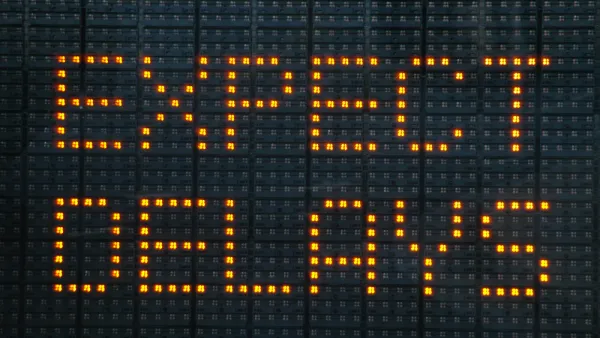
Op-Ed: 'Public Mood' Has Turned Against Cars in Cities
A survey of recent planning decisions demonstrates that cities are no longer necessarily looking to more and bigger highways to solve their traffic problems.

If Traffic Costs Americans Billions, What About Waiting for Coffee?
The folks over at City Observatory brew up a "Cappuccino Congestion Index" to show that anything can be shown to cost Americans vast sums of money.
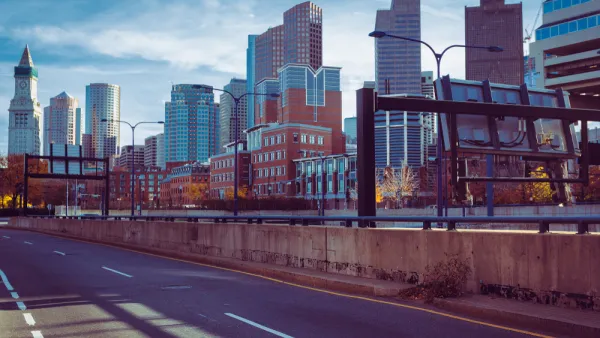
Could Boston Join Seattle in Proposing Congestion Pricing?
The compelling reason behind Boston's looking at congestion pricing is traffic congestion, unlike Seattle where it is being viewed as a major way to reduce greenhouse gas reductions and fund public transit.
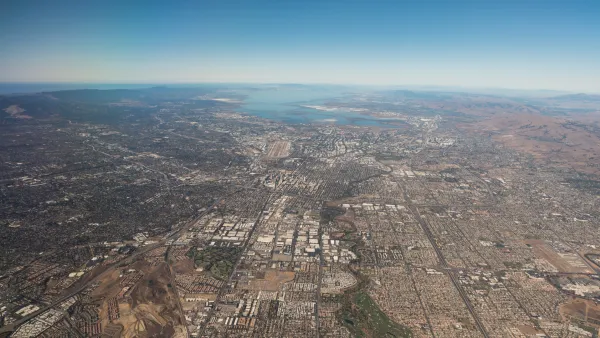
Silicon Valley Isn't Really Over
Though a handful of recent articles predicted "peak Silicon Valley," new numbers show the region is still producing lots of good jobs and attracting plenty of venture capital.
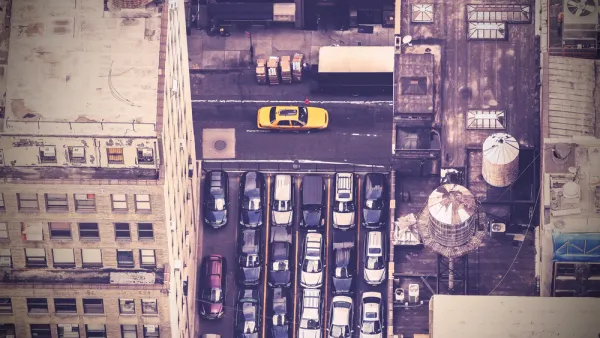
New York City Congestion Pricing Plan Deserves to Move Forward
Congestion pricing, done right (details matter), mitigates a downside of urban density: traffic congestion. Professor John Rennie Short explores the history of congestion pricing, its application in Singapore and London, and why it's good for NYC.
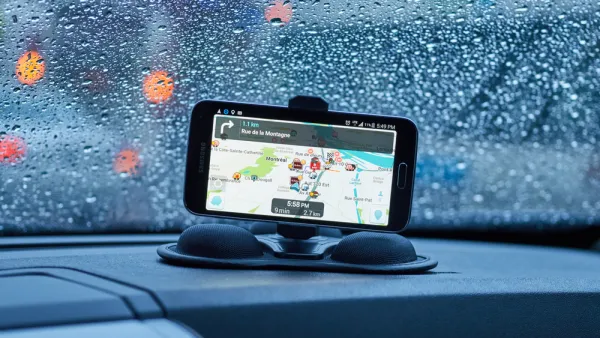
Flooded With Navigation App Users, a Town Closes Its Streets
Navigation apps like Waze often reroute drivers onto residential streets that would be quiet otherwise. With some residents unable to leave their driveways, the New Jersey borough of Leonia has taken an extreme measure against the problem.
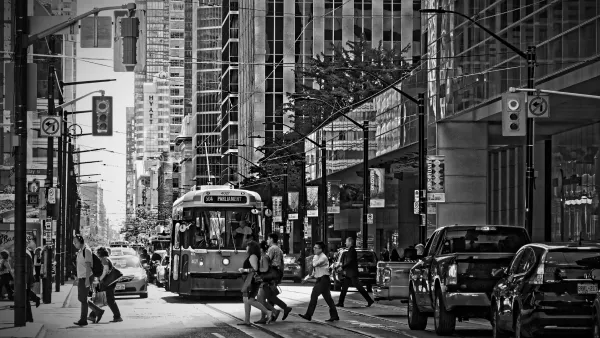
In Praise of Toronto's Least Ambitious Transit Project
After decades of big, expensive plans, diverting cars from a busy streetcar route will make a bigger difference to commuters for far less money.
Uber's Accidental Argument Against Itself
The ride-sharing company produces a terrific illustration of how bad Bangkok traffic can be, but not how Uber would help.
Bay Area's Newest Express Lanes Opened Monday
Due to the high level of existing congestion, the Metropolitan Transportation Commission warns motorists that the new I-680 Contra Costa Express Lanes will offer relief just before and after the peak commute hour.
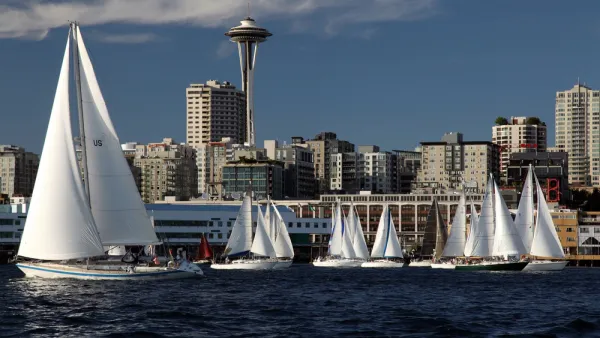
Could Seattle Be the U.S. Vancouver?
Seattle appears to be following the Vancouver, B.C. model by increasing population and residential density while investing in transit. If it works, traffic congestion will not deteriorate, and vehicle trips should drop.
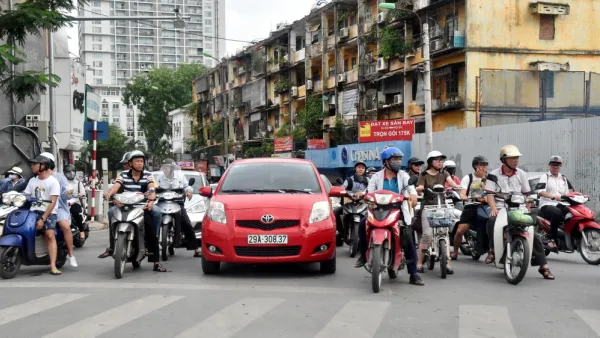
Vietnam Approves Ban on Motorbikes
Vietnam's capitol city Hanoi, following other South East Asian country restrictions on mopeds and two-wheeled vehicles, approves a controversial ban.
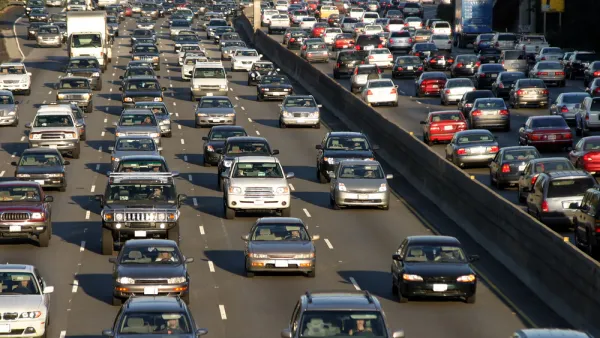
Why Elon Musk Is Wrong about His Boring Solution to L.A.'s Traffic Congestion
Herbie Huff of the UCLA's Lewis Center and Institute of Transportation Studies pens a well-reasoned opinion for the Los Angeles Times as to why a market-based strategy to manage demand is the best approach to traffic congestion in Los Angeles.
Yet Another Flawed Congestion Report
The new INRIX Traffic Scorecard uses "big" data to calculate congestion costs. Like previous studies, it exaggerates traffic congestion costs and roadway expansion benefits.
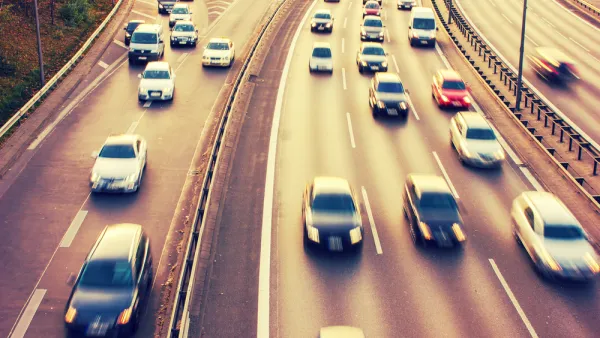
Faulty Assumptions in the TTI Urban Mobility Report
The annual Urban Mobility Report (UMR), published by Texas Transportation Institute (TTI), should come with a warning label.
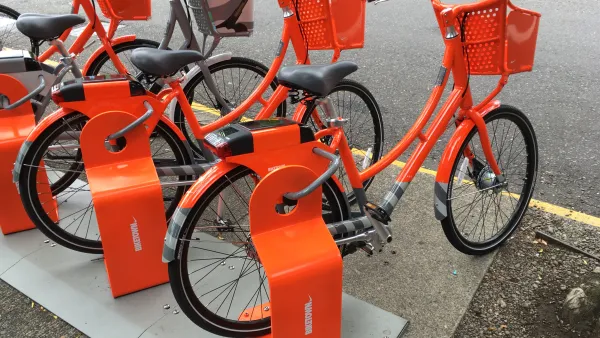
Are Bikeshare Programs Successful?
Bikeshare programs were first introduced in the U.S. seven years ago. Outside Magazine investigates whether they "are actually benefiting cities and their residents."
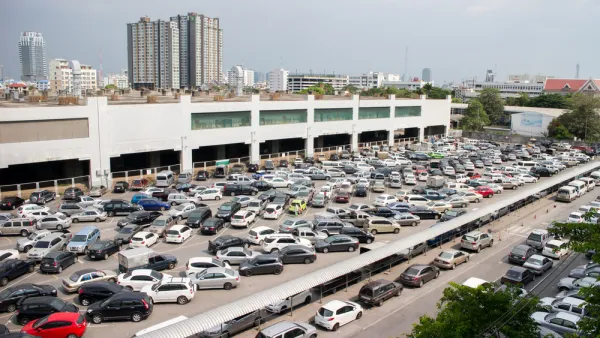
App Detects Open Parking Spaces with 99% Accuracy
Technology startup Parkifi seeks to use the Internet of Things to address the long-lamented problem of congestion created by drivers seeking parking.
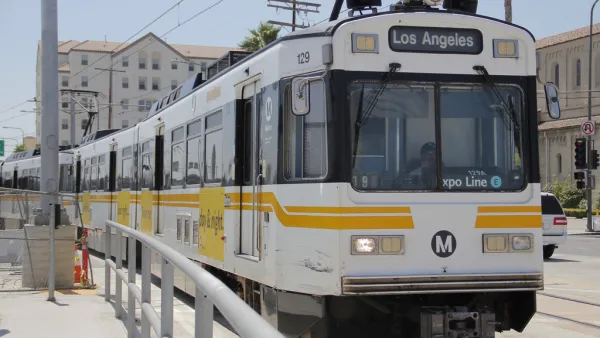
What L.A.'s New Expo Line Extension Won't Do
The $1.5 billion, 6.6-mile light rail extension from Culver City to Santa Monica is projected to double trips on the line by 2030, giving commuters a viable alternative to driving. Just the same, don't expect the extension to reduce congestion.
How Not To Measure Traffic Congestion, Redux Again
TomTom's annual traffic congestion rankings predictably generated horrified, self-pitying headlines about awful congestion in top-ranked cities. But there are big problems with their methodology.
Same Source Data, 'Contradictory Conclusions' on Congestion
A curious discrepancy between two major congestion reports using the same data: There is a profound and unexplained discrepancy between the travel trends in the latest Urban Mobility Scorecard report and the data provided by Inrix.
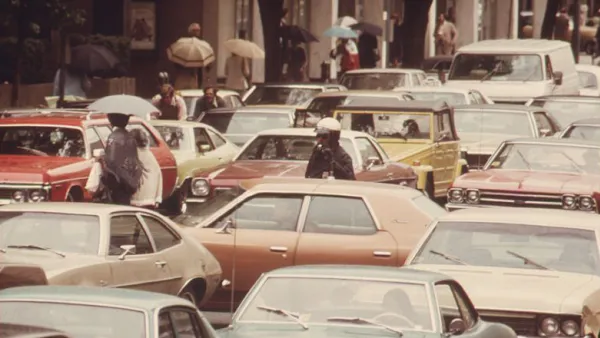
If Congestion Is Getting Worse, Why Are We Spending Less Time Traveling?
The University of Michigan Transportation Research Institute released its eighth report on peak motorization in the U.S., an evaluation of time spent traveling for a broad category of purposes, not just work. From 2004 to 2014, total time decreased.

FREE Course: Walkable City 1: Why Walkability?
After describing his path towards focusing on walkability as the essence of good planning, Jeff Speck marches through his five principal reasons for making more walkable places.
Reinventing Malls: Planning Alchemy—Turning Gray Fields Into Gold
The course focuses on the opportunities and imperatives that shape reinvention of mall sites.

City of Wisconsin Rapids
Harvard University Graduate School of Design
KFH Group Inc.
The Architects Foundation
University of Cincinnati Online
The Pocatello Development Authority
The Urban Renewal Agency of the City of Pocatello