Renewable Energy
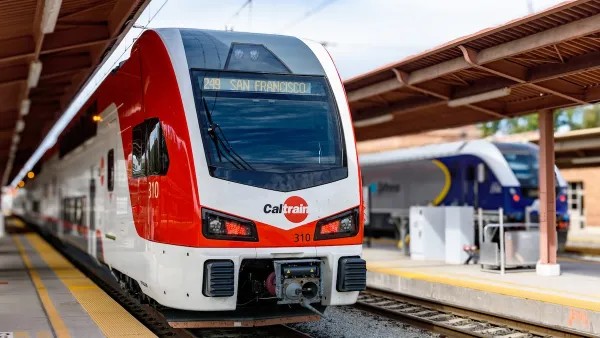
Electric Caltrain Will Earn $1 Million/Year Returning Power to the Grid
The train returns 23% of the power it generates to the state’s grid, powering homes and businesses along its route.
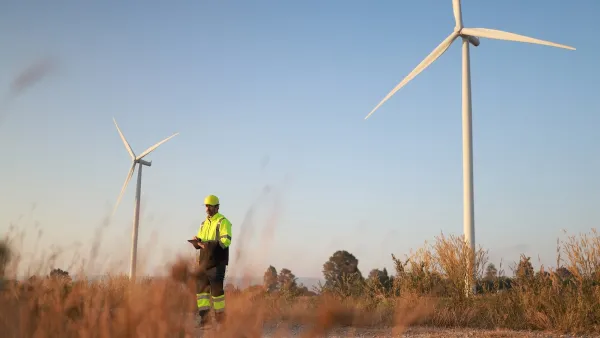
Feds Terminate $7.56 Billion for Clean Energy Projects
The Department of Energy canceled awards to over 200 renewable energy projects.
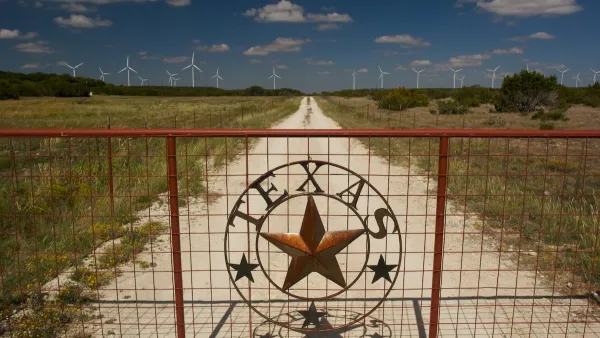
Texas Rural Communities Could Lose Billions From Renewable Energy Tax Credit Cuts
Texas produces more solar and wind energy than anywhere in America — and the tax revenue from it pays for rural schools, hospitals, law enforcement and more. The One Big Beautiful Bill threatens that.

Is the Future of Solar in our Sidewalks?
From photovoltaic pavement to bus stops that charge EVs from below, the next generation of clean energy infrastructure is right under our feet.

Building a Just Energy Transition
A new book outlines a “four-plus pillars” framework for phasing out fossil fuels while addressing systemic inequities, emphasizing public support, dedicated funding, economic diversification, coalitions, and reforms that dismantle extractive systems.
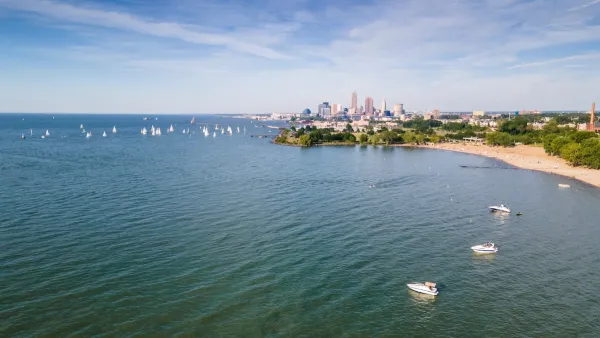
Op-Ed: The Great Lakes Could Be a Key Source of Wind Energy
States, not the federal government, have authority over wind power leases in the Great Lakes.
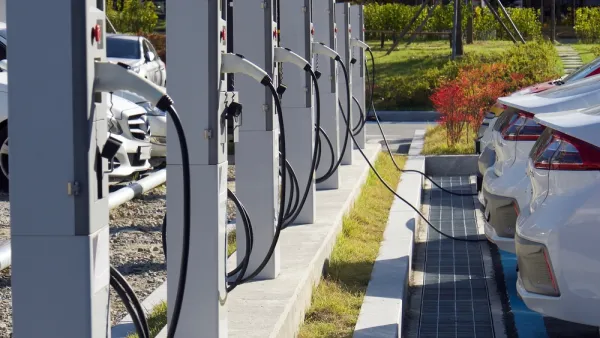
Charging Ahead: Why EV Infrastructure Is Still Expanding Despite Market Uncertainty
Electrify America is forging ahead with major charging network expansions, confident that long-term demand will keep rising despite short-term EV market and policy disruptions.
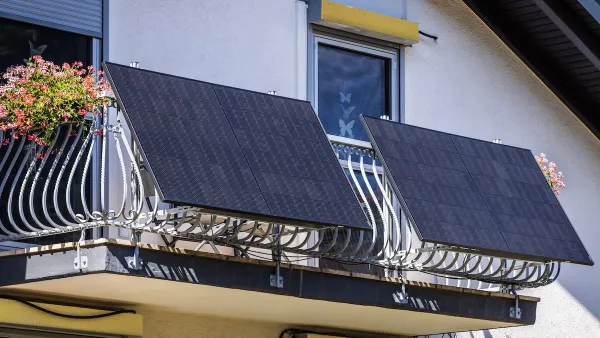
Bay Area Embraces ‘Balcony Solar’
Popular in Germany, wall- or balcony-mounted solar panels come at a lower cost and face fewer regulatory hurdles than rooftop solar, but their legal status in California is murky.
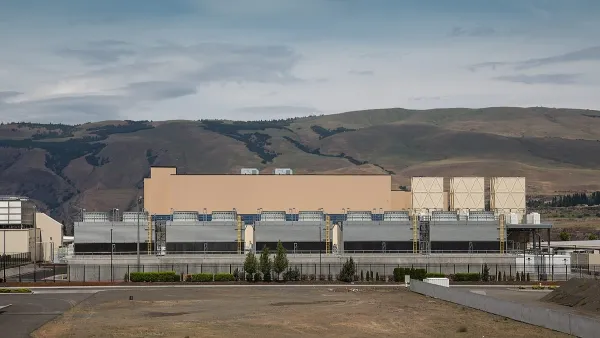
Data Centers Threaten Western Water Supplies, Power Grids
The rapidly growing need for water to cool data centers is endangering one of the West’s most essential resources.
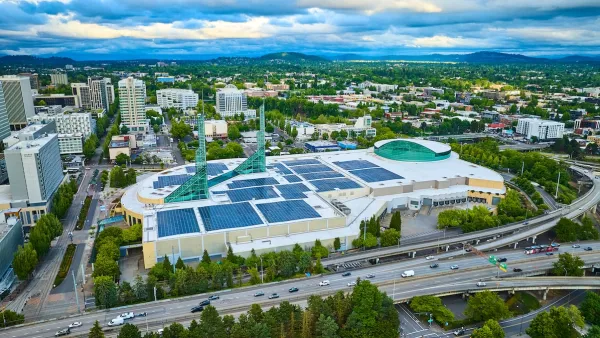
Oregon Approves Ambitious Framework for ’Microgrids’
Local energy “islands” within the larger power system ensure key facilities can remain online during emergencies and power outages.

A New Texas Neighborhood is Powered by Geothermal Energy
The 7,500-home development claims to be Austin’s ‘first zero energy planned community.’
Integrating Human Rights Into Energy and Extractive Sector Transitions
Why just transition efforts must move beyond economic considerations by embedding human rights principles into business practices to ensure equitable, transparent, and accountable outcomes for affected communities and workers.
Bringing Community Voices Into Renewable Energy Planning
The MIT Renewable Energy Clinic helps coastal communities navigate the complexities of offshore wind development through neutral, inclusive engagement that surfaces local concerns and supports fair decision-making.

Rethinking Computing: Researchers Tackle AI’s Energy Demands
USC researchers are reimagining how AI systems are trained and powered — through smarter algorithms, innovative hardware, and brain-inspired designs — to dramatically reduce computing’s energy footprint.
Wind Energy on the Rise Despite Federal Policy Reversal
The Trump administration is revoking federal support for renewable energy, but demand for new projects continues unabated.
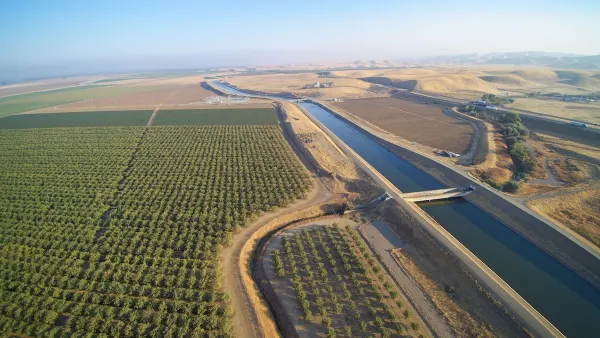
California's Canal Solar Projects Aim to Conserve Resources and Expand Clean Energy
California’s Project Nexus has begun generating electricity from solar panels installed over irrigation canals, with researchers and state agencies exploring statewide expansion to conserve water and boost clean energy production.
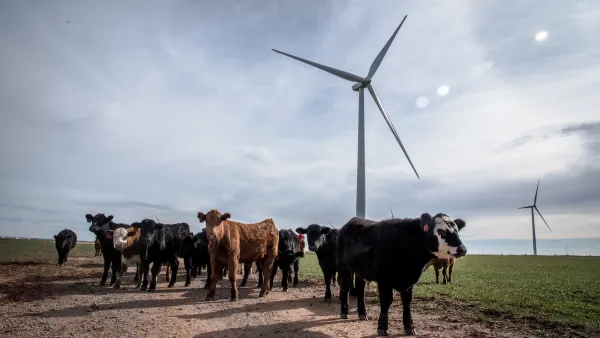
Renewable Energy Overtakes Coal for First Time
Solar and wind power generated close to a third of U.S. electricity supplies in 2024.

Can Geothermal Energy Fuel Hawaiʻi’s Future?
Gavin Murphy, a New Zealand-based consultant with experience in indigenous-led geothermal projects, argues that Hawaiʻi is poised to achieve energy independence and economic growth by respectfully developing its untapped geothermal resources.
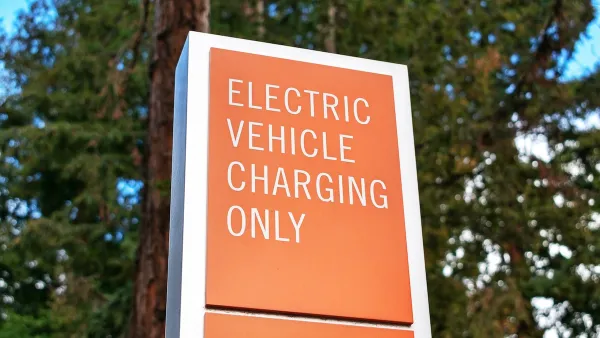
10 States Follow Through on Promise to Put 3.3 Million EVs on the Road
Rebate programs are at the heart of collaborative success.
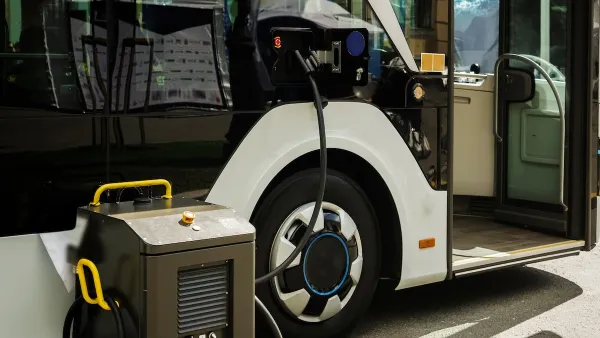
Zero-Emission Bus Fleets Grow, But Federal Funding Is in Jeopardy
Transit agencies around the country have purchased over 7,000 zero-emission buses, but a federal program that funds the shift could be eliminated under the new administration.

FREE Course: Walkable City 1: Why Walkability?
After describing his path towards focusing on walkability as the essence of good planning, Jeff Speck marches through his five principal reasons for making more walkable places.
Reinventing Malls: Planning Alchemy—Turning Gray Fields Into Gold
The course focuses on the opportunities and imperatives that shape reinvention of mall sites.

City of Rosemead
Rutgers University, Edward J. Bloustein School of Planning and Public Policy
One Hundred Miles
Hunter College, City University of New York (CUNY)
The Architects Foundation
University of Cincinnati Online
City of Cambridge
Montrose County
The Pocatello Development Authority









