Energy created when trains brake is harnessed to power the trains themselves, station infrastructure, and street-level electric car chargers.


The Barcelona subway is using power harnessed from braking train cars to power its stations, trains, and even other electric vehicles.
As Joseph Wilson explains in an Associated Press article, the MetroCharge regenerative braking project is in place at 16 stations. An electric motor captures energy that would otherwise be released as heat.
One innovation of the Barcelona system is its use of generated power locally, making it more efficient. The system estimates it will recover the 7.3 million Euros spent on the system in four years as it saves on energy costs. The regenerative system creates enough energy to fully power 28 of the 163 Barcelona metro stations.
FULL STORY: Barcelona subway recycles energy from braking into power to charge electric cars

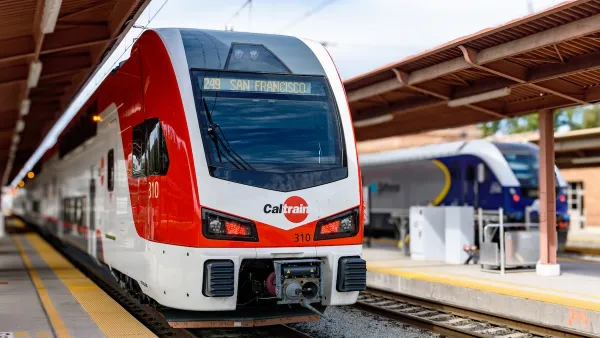
Electric Caltrain Will Earn $1 Million/Year Returning Power to the Grid
The train returns 23% of the power it generates to the state’s grid, powering homes and businesses along its route.
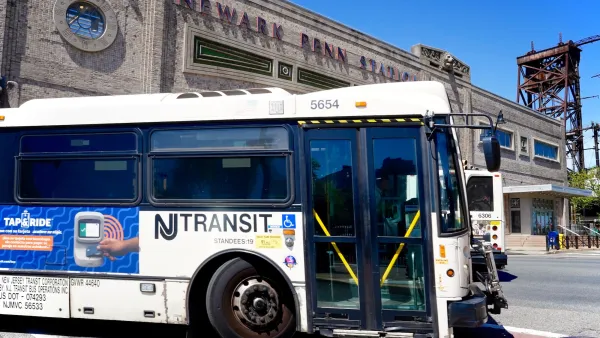
Facing Federal Funding Freeze, NJ Transit Revises Zero-emission Plan
The agency is retooling a plan to modernize its aging bus depots after the Trump administration decided to freeze nearly $324 million in grants.
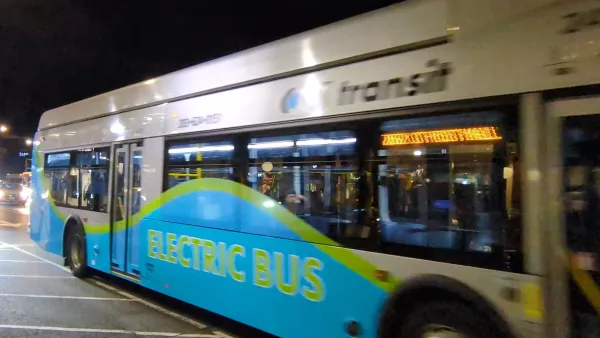
US Transit Fleets Have Bought Over 8,000 Zero-emission Buses
The number of zero-emission transit vehicles grew by 16 percent between 2024 and 2025.

The state-sanctioned urbicide of Austin
People don’t kill cities. Freeways do.

US to reduce Colorado River water deliveries to Mexico
A new Colorado Treaty amendment reduces Mexico’s Colorado River water allocation by 250,000 acre feet.

New Jersey’s second-largest city bans standalone data centers
Jersey City will continue to allow co-location facilities, such as those meant for research institutions that store their own data.

Amtrak not solely to blame for New Jersey commuter rail's unreliability, report finds
A new study from the Garden State Initiative found that NJ Transit’s budget grew 20% across a 4 year period, but reliability declined significantly over the same period.

EPA erases limits on planet-warming pollution from power plants
Under Monday’s plan, power plants would still have some limits on how much mercury, arsenic and other contaminants they can emit.

Phoenix announces new on-demand transit service, more frequent RAPID buses
Both new services will launch in October, and are part of Phoenix's Project Effective Access Solutions for Easing Congestion.

FREE Course: Walkable City 1: Why Walkability?
After describing his path towards focusing on walkability as the essence of good planning, Jeff Speck marches through his five principal reasons for making more walkable places.
Reinventing Malls: Planning Alchemy—Turning Gray Fields Into Gold
The course focuses on the opportunities and imperatives that shape reinvention of mall sites.

Eagle County Government
Harvard University Graduate School of Design
Nashville Planning Department
The Architects Foundation
University of Cincinnati Online
The Pocatello Development Authority
The Urban Renewal Agency of the City of Pocatello
Journal of the American Planning Association