Public Transit
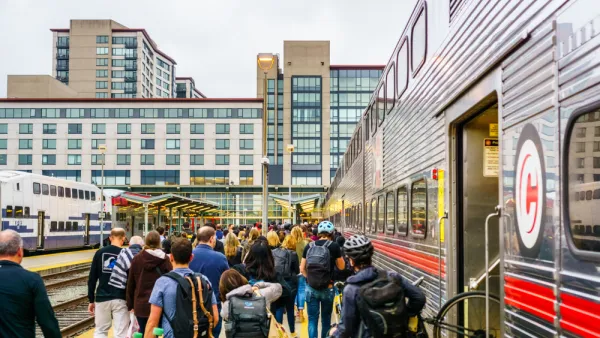
California Could Cut $2 Billion in Transit Spending
The governor’s proposed budget would slash public transit investment to help make up for a projected $22.5 billion deficit.
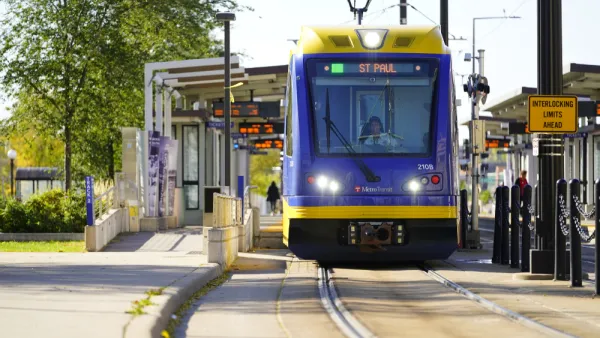
Leveraging Federal Funding for Transit Accessibility
Just 8 percent of U.S. households live near “high-quality transit.” How can federal infrastructure spending help fill this gap?
Where Ridership-Only Service Design Comes Up Short
Jarrett Walker and Mathew Yglesias discuss one of the great quandaries of 21st century transit planning—how to increase cost effectiveness and ridership while also ensuring equity and service for underserved communities.
Multimodal Improvements Coming to Houston
The city is continuing its investment in safety and accessibility improvements for transit riders, pedestrians, and cyclists.
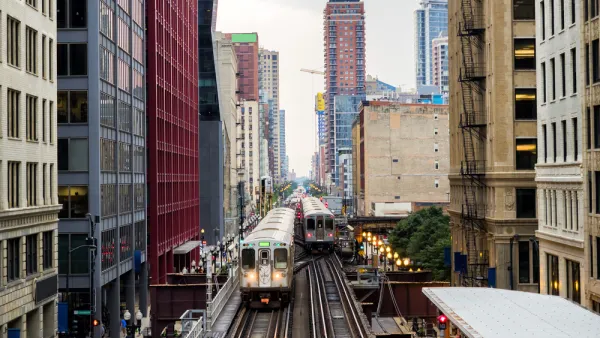
Chicago Transportation Advocates Launch ‘Safe Streets for All’ Coalition
The group brings together advocates for road safety and better transit in the hope of influencing local elections and city policy.
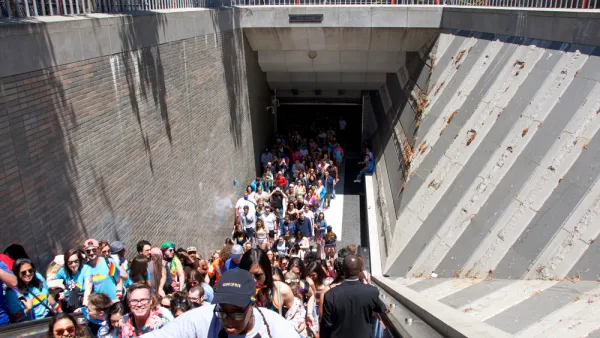
How Mass Transit Can Adapt to Post-Pandemic Needs
With commuter ridership playing a smaller role in transit operations, agencies must reorganize their services around different travel schedules and patterns.
Federal Plan Takes Aim at Transportation Emissions
The U.S. National Blueprint for Transportation Decarbonization is designed to guide federal investment and regulations, focusing on electrification with a nod to transit investment and walkability.
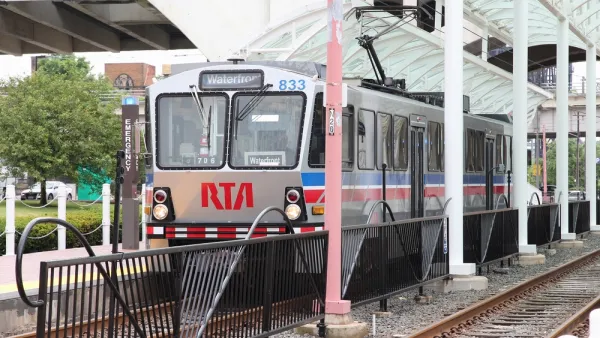
Study: Cuyahoga County Suburbs Ready for TOD
The growth of transit-oriented development in the Cleveland region is being hindered by zoning codes that limit housing density and excessive parking requirements that drive up construction costs, new research suggests.
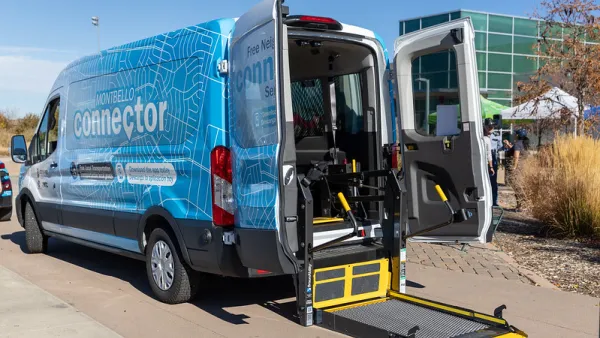
On-Demand Transit Supplements Denver-Area Bus and Rail
Residents in far-flung parts of the region can connect to rail and bus lines and access local destinations through an on-demand service called the Denver Connector.

Subway Ridership Still Lagging as Cities Come Back to Life
While other aspects of urban life are starting to recover to pre-pandemic ‘normals,’ ridership on the nation’s subway systems is still well below average levels.
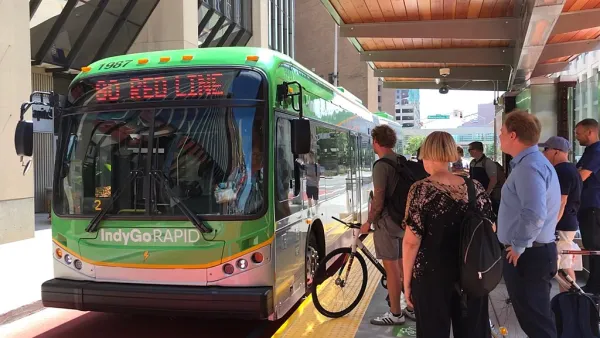
2023 Could Be a Breakthrough Year for Buses
Funding bus rapid transit is the fastest and most cost-effective way to improve U.S. transit systems and bring transit within reach for more Americans.
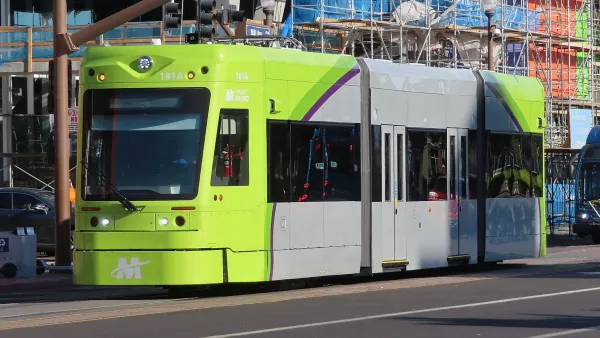
Feeling the Impact of Federal TOD Grants
Grants aimed at stimulating development and increased density along transit lines are starting to make a difference in cities around the country.
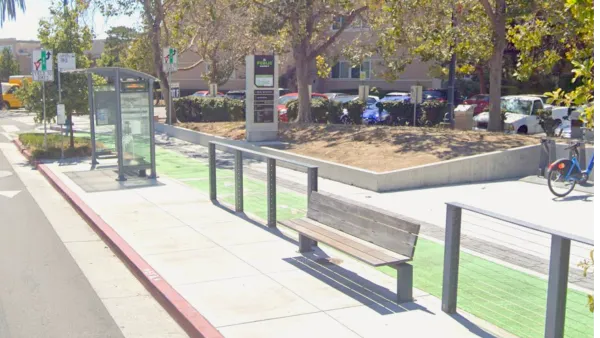
The Importance of Bus Stop Benches
Noticing a need in his community, a California mayor found a fast and affordable way to put seating at every bus stop in town.
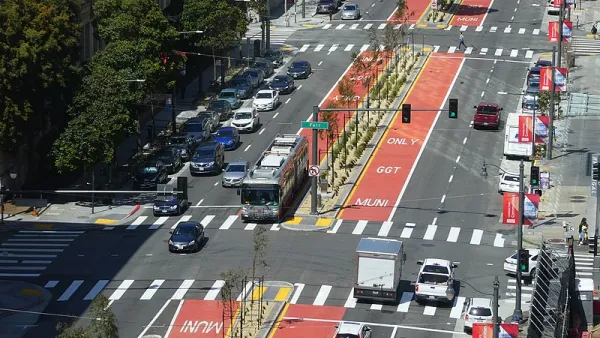
S.F. Accelerates Parking Removal at Bus Stops From 7 Years to 18 Months
Reviewing changes in bulk will make it easier for the Municipal Transportation Agency to remove parking around bus stops in San Francisco.
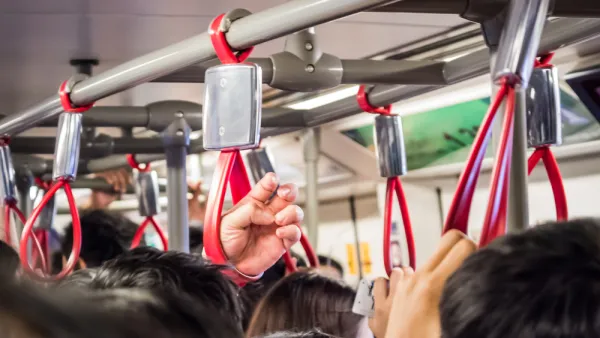
Free Fares for Buses? Don’t Forget the Trains
Fare-free programs that apply to buses and not trains create a fragmented transit system and encourage more people to use slower, less efficient modes.
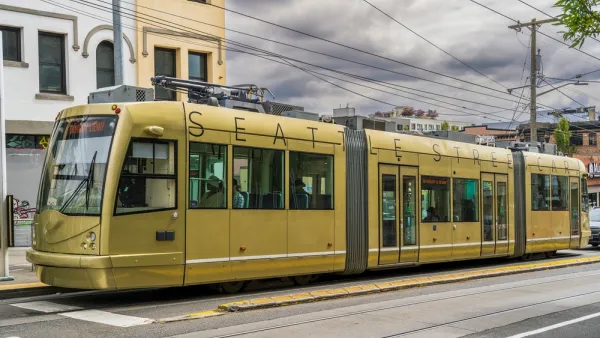
Boosters Hope Streetcar Could Breathe New Life into Downtown Seattle
Supporters of a stalled streetcar project say reviving the line would create more transit connections and boost economic development in the area.
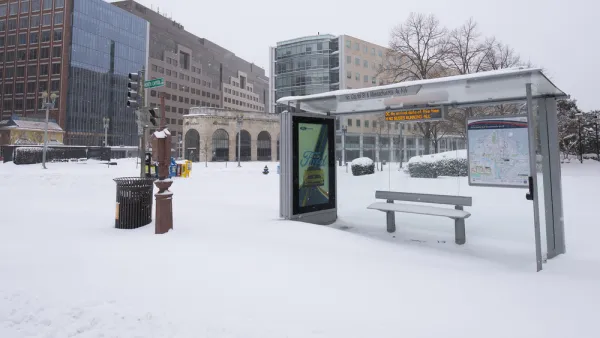
D.C. Promises No More ‘Ghost Buses’
The agency says a new software update will remove out-of-service buses from maps so riders aren’t ‘ghosted’ by buses that never show up.
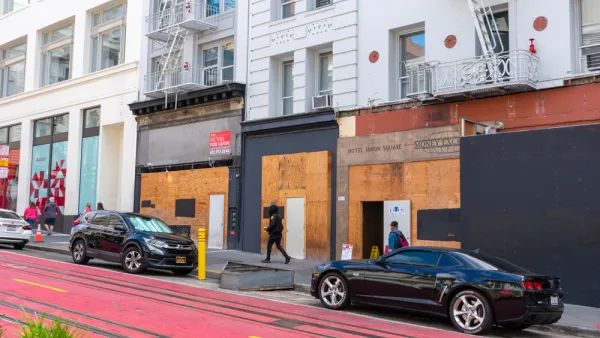
Planning Year in Review 2022: Downtowns, Transportation, Climate Change
Part two of a review of the major themes, debates, and events of the year in planning that was 2022.
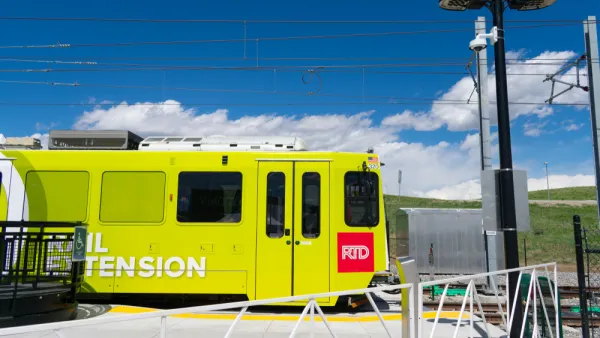
Denver’s C and F Light Rail Routes Closed Permanently
The Regional Transportation District in Denver suspended two light rail lines at the onset of Covid-19 in March 2020. The routes have now been permanently discontinued.
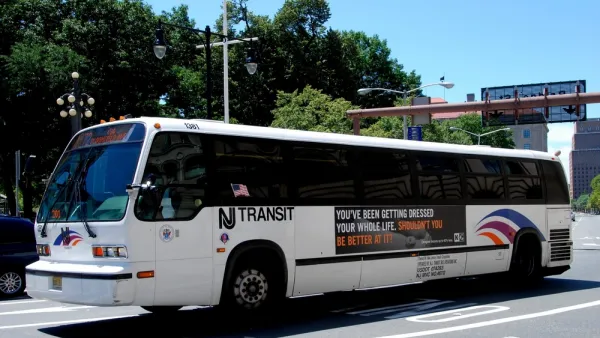
New Jersey Transit Will Ban Riders Who Assault Workers
As part of a bill passed to protect transit operators from violence and abuse, NJ Transit is creating a policy for banning violent passengers, permanently in some cases.

FREE Course: Walkable City 1: Why Walkability?
After describing his path towards focusing on walkability as the essence of good planning, Jeff Speck marches through his five principal reasons for making more walkable places.
Reinventing Malls: Planning Alchemy—Turning Gray Fields Into Gold
The course focuses on the opportunities and imperatives that shape reinvention of mall sites.

City of Charlotte
City of Rosemead
Rutgers University, Edward J. Bloustein School of Planning and Public Policy
University of Michigan School for Environment and Sustainability (SEAS)
Hunter College, City University of New York (CUNY)
The Architects Foundation
University District Partnership









