Public Transit
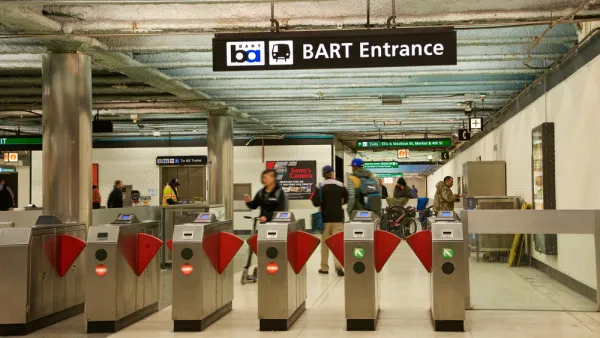
Transit and the ‘Big One’
Bay Area transit agencies employ rigorous protocols to ensure they’re prepared for the next major earthquake.
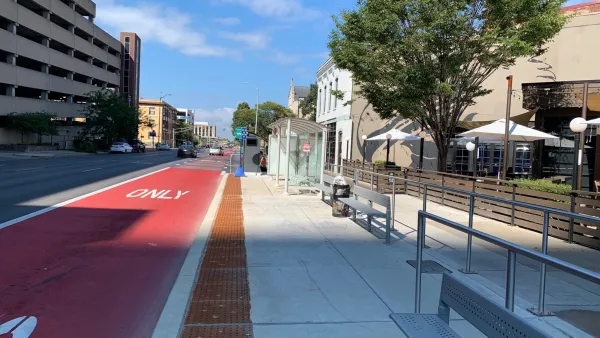
IndyGo Opens First ‘Super Stop’
The city plans to build eight enhanced bus stops that streamline boarding and offer seating, shelter, and ticketing machines.
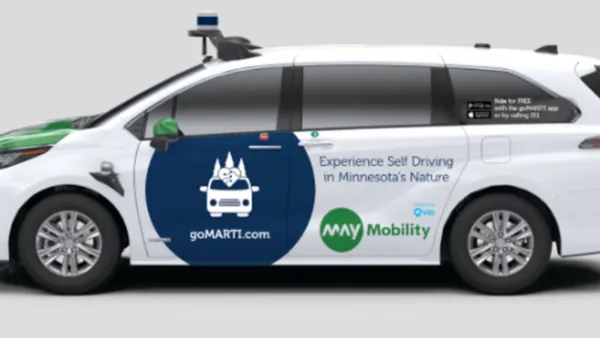
Minnesota Uses Autonomous Shuttles To Improve Mobility
A pilot program will provide free rides to help rural and elderly residents reach more destinations.
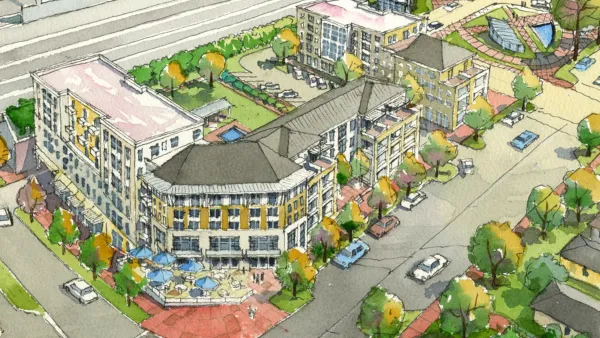
MARTA Completes New Transit-Oriented Development
A mixed-use complex in Edgewood/Candler Park brings hundreds of new housing units, retail, and office space to the area.
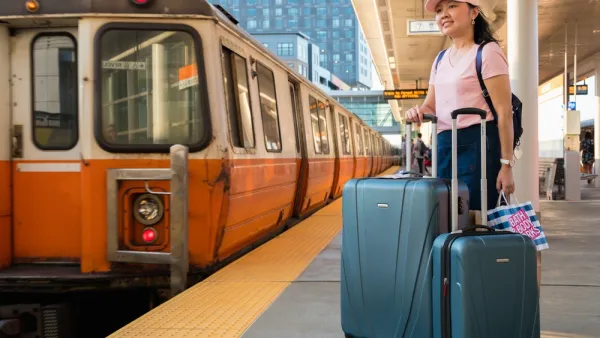
Lessons from Boston’s Orange Line Shutdown
A month-long shutdown of one of the region’s busiest lines prompted the city to experiment with temporary bus lanes, reoriented streets, and free bikeshare.
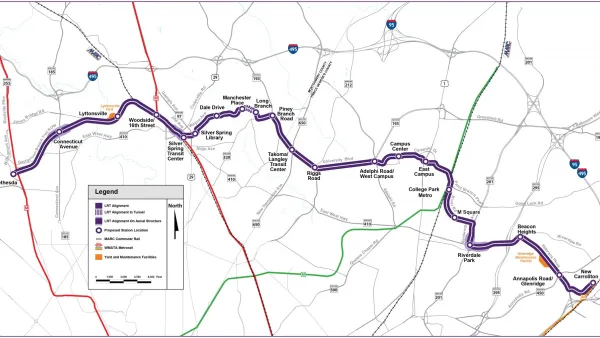
Coalition Fights Displacement Along Purple Line
Community advocates are warning that Maryland’s new light rail line could cause displacement without concerted efforts to preserve affordable housing and legacy businesses.
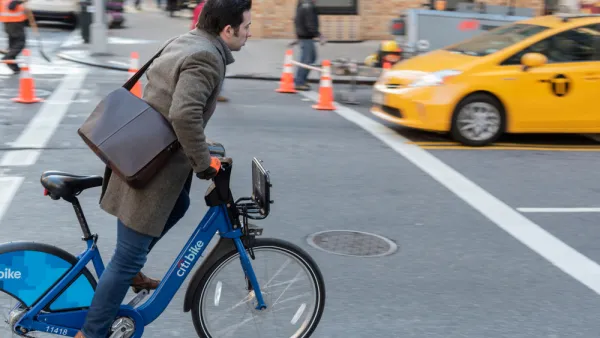
The Resilience of Bikeshare
The inherent simplicity of bikes makes shared mobility systems a crucial transportation option during natural disasters.
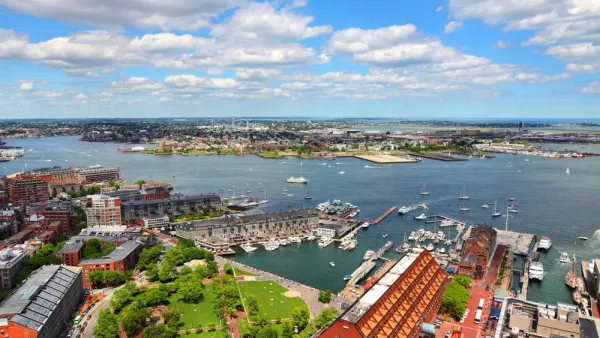
Study To Assess Climate Mitigation Options for East Boston
A grant-funded research team will evaluate solutions for shoring up the area’s flood protection strategies and improving access and service on the Blue Line for local residents.
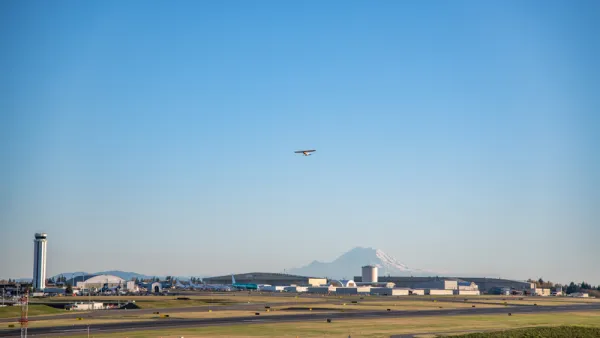
Will Snohomish County Light Rail Bypass the Airport?
Some county leaders rejected two proposed routes that would skirt Boeing and Paine Field, citing the area’s high potential for travelers and jobs.
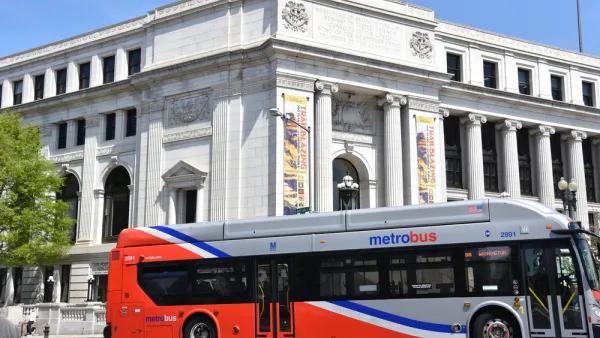
D.C. Could Give Residents $100 Transit Subsidy
A proposed bill would distribute $100 in transit fare to District residents and provide $10 million to improving bus and streetcar services in underserved neighborhoods.
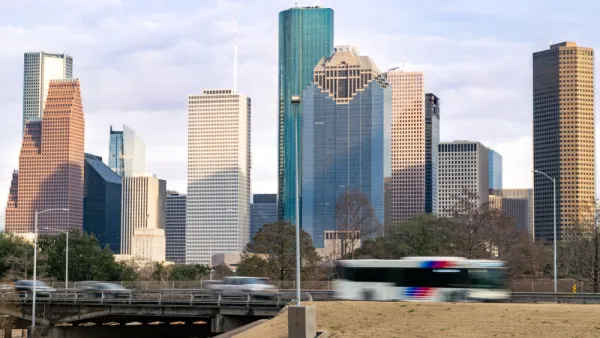
Houston Metro Seeks Proposals for Transit-Oriented Development
The agency will assess ways to more effectively use its surface parking lots and encourage more mixed-use development near transit hubs.
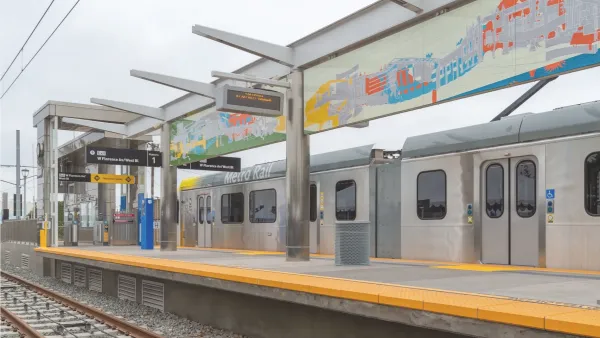
K Line to South L.A. To Open October 7
The line, part of L.A.'s effort to expand its public transit system ahead of the 2028 Summer Olympics, was originally scheduled to open in 2019.
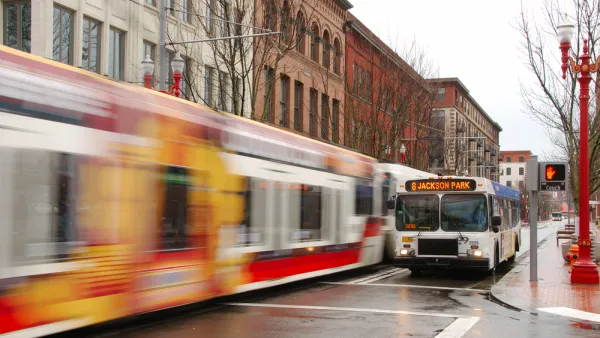
Promoting Diversity in Transit Leadership
Latinos in Transit works to connect and empower people of color to increase diversity in management roles at transit agencies.
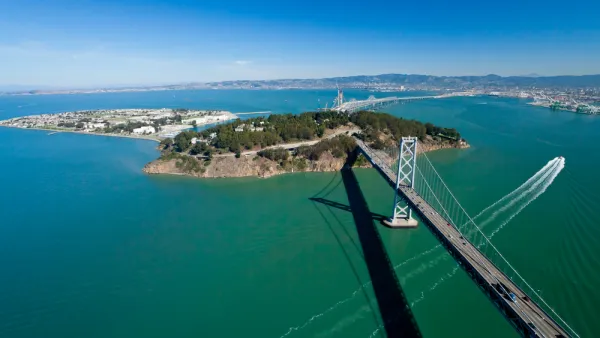
Maps for Proposed San Francisco Bay Tunnel Revealed
Planners presented two options for new tunnels that would help connect more parts of the Northern California megaregion to San Francisco and Oakland.
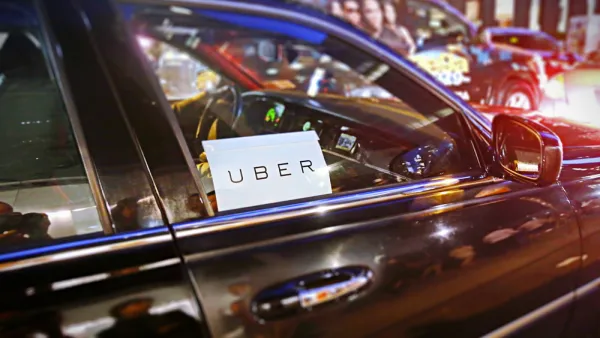
There Goes the Neighborhood? The Trickle-Down Effect of High Ride-Hailing Prices
Low-cost Uber and Lyft services helped some neighborhoods thrive, making them more accessible. Now these same neighborhoods are feeling the pinch as high ride-hailing costs push customers to stay closer to home.
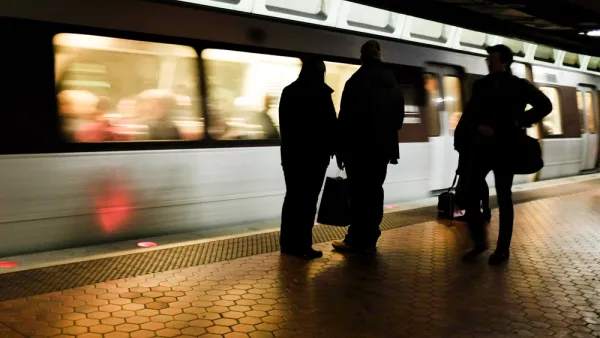
Southern Maryland Rapid Transit Proposal Moves Forward
The state assembly has asked the department of transportation to begin research and planning for a rapid transit line that would connect residents with jobs in Washington, D.C. and reduce traffic congestion in the region.
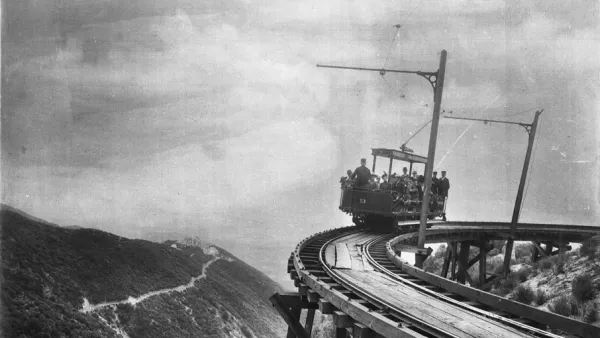
Mountain Shuttle Could Be Revived, a Century Later
Close to one hundred years after the last funicular trains took tourists up to dizzying heights in the Angeles National Forest, a new shuttle service could bring the wilderness closer to more Los Angeles residents.
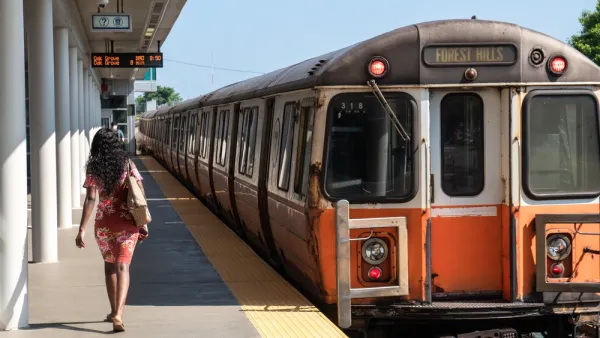
When Transit-Oriented Development Is Missing the ‘Transit’
Cities, residents, and developers have a renewed interest in building more housing near transit stations—when they actually provide safe, reliable transit.
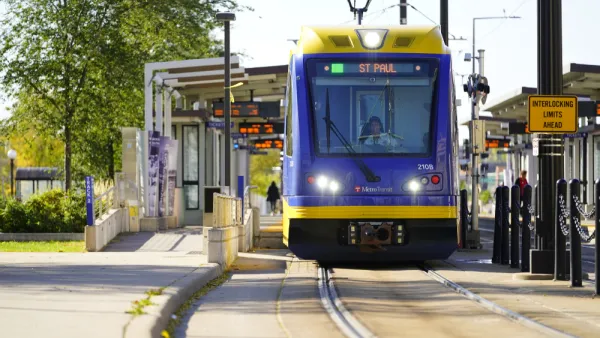
Twin Cities Volunteers Help Recent Immigrants Navigate Transit
Showing refugee and immigrant residents how to use public transportation can improve access to essential services, jobs, and education, but a more robust transit system is needed to effectively serve all who need it.
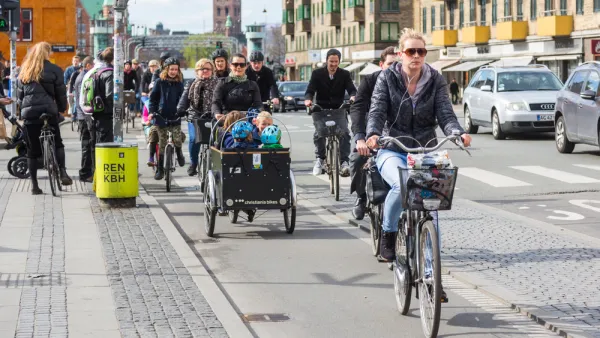
The Inflation Reduction Act's 'Inadequate' Reliance on Electric Vehicles
Electric vehicles can help reduce greenhouse gas emissions, but not enough to prevent the worst of climate change and not as much as walkable cities with far fewer cars on the road.

FREE Course: Walkable City 1: Why Walkability?
After describing his path towards focusing on walkability as the essence of good planning, Jeff Speck marches through his five principal reasons for making more walkable places.
Reinventing Malls: Planning Alchemy—Turning Gray Fields Into Gold
The course focuses on the opportunities and imperatives that shape reinvention of mall sites.

City of Charlotte
City of Rosemead
Rutgers University, Edward J. Bloustein School of Planning and Public Policy
University of Michigan School for Environment and Sustainability (SEAS)
Hunter College, City University of New York (CUNY)
The Architects Foundation
University District Partnership









