Public Transit
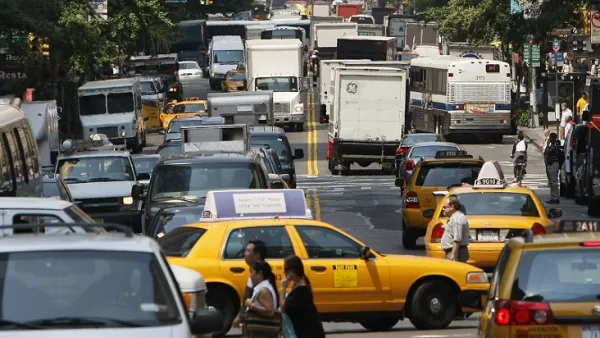
Congestion Pricing Details Emerge From MTA’s Environmental Assessment
After more than a decade of delays and reversals, congestion pricing is expected to take effect in Manhattan in late 2023 or early 2024.
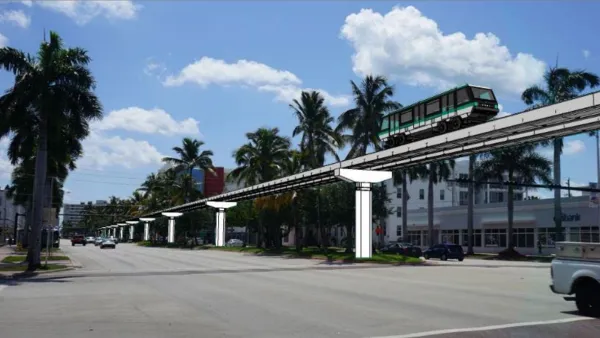
Miami Rapid Transit Project Moves Forward
The county completed the draft environmental impact study for a monorail and people mover planned as part of its rapid transit system.
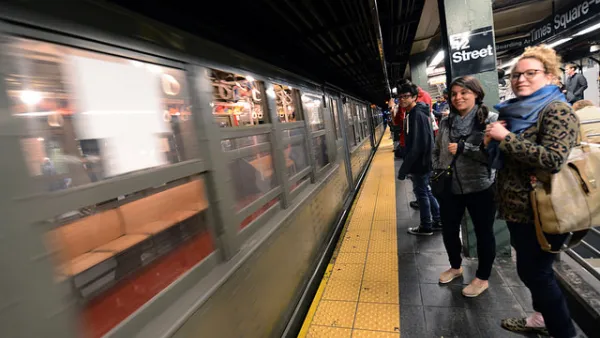
How Transit Reform Could Restore Trust in Governance
One writer argues that improving transit in major cities would boost local economies and prove that positive change is possible.
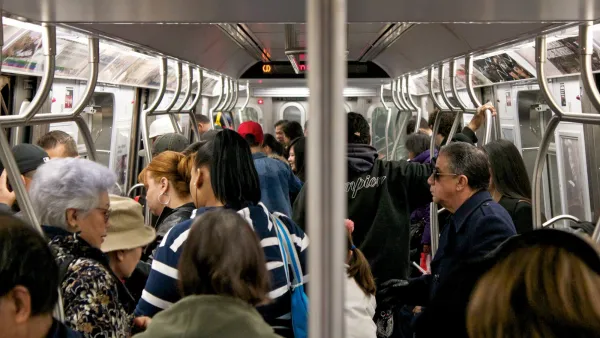
New York MTA Seeks New Funding Sources
The agency plans to negotiate new options for operational funding as farebox and toll revenue lingers far below pre-pandemic levels.
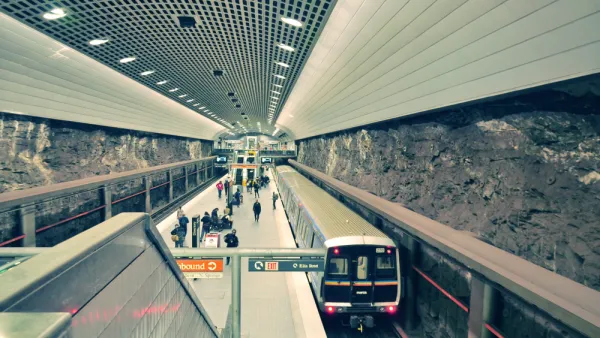
Atlanta Transit Could Go Fare-Free
The city has tasked the Metropolitan Atlanta Rapid Transit Authority with evaluating the feasibility of eliminating transit fares.
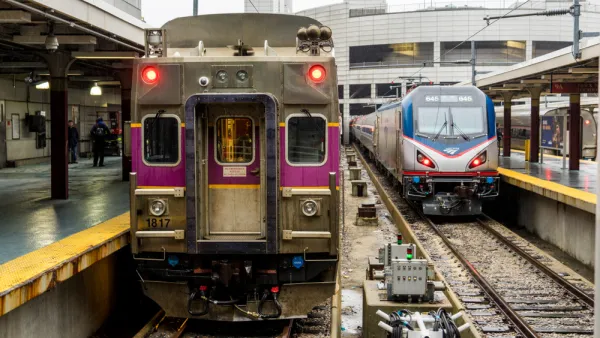
To Save or Not to Save the MBTA?
Some lawmakers and residents think the management of Boston transit should shift to the state’s department of transportation, but would that solve the troubled system’s problems?
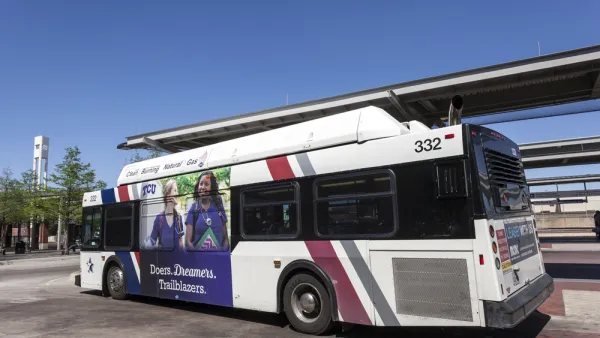
Fort Worth To Study Transit Opportunities in its Poorest Neighborhoods
Residents in the 76104 ZIP code, where life expectancy is the lowest in Texas, lack access to effective transit and essential needs.
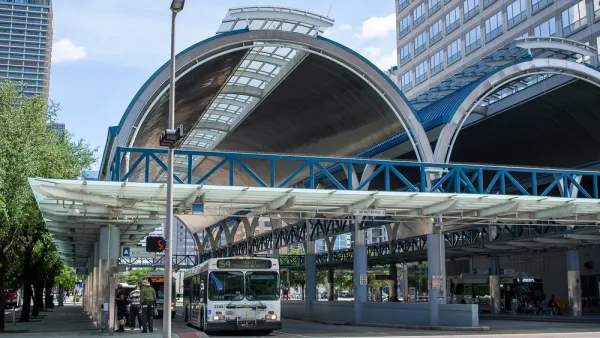
Editorial: Why Houston’s University Line BRT Is a ‘Crucial’ Project
The Houston Chronicle editorial board comes out in support of a proposed 25-mile bus rapid transit line, arguing it would provide essential service to transit-dependent residents.
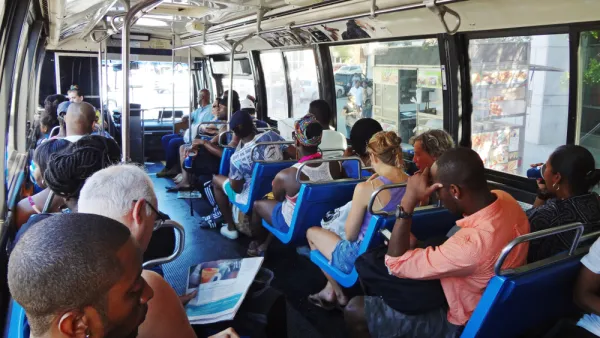
The Benefits of Fare Capping
Fare capping—putting a ceiling on the amount a transit passenger pays in a day or a month regardless of the number of trips—is becoming a popular policy option for transit agencies seeking to increase equity and bring back riders.
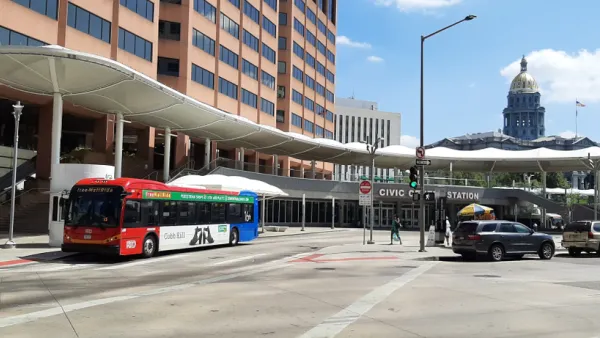
Major Redesign Planned for Denver-Area Bus System
The Regional Transportation District will make significant changes to bus frequency and routes in an effort to make transit accessible to more Colorado residents.
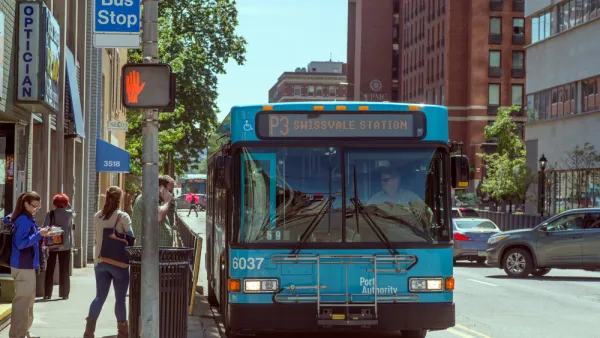
Pittsburgh Regional Transit Moves To Implement Long-Range Plan
After four years of delays, the agency is ready to implement a five-year plan setting the foundation for its long-term goals to improve and expand service.
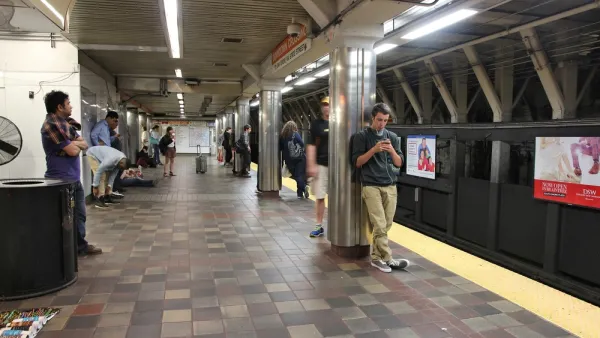
Opinion: Funding The T Should Be a Massachusetts State Priority
With ridership revenue still lagging and fatal incidents plaguing the Boston-area transit agency, one writer argues that state lawmakers must step in to fund upgrades for the aging system.
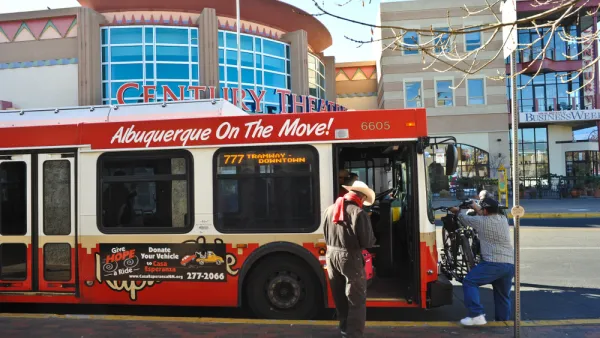
The State of America’s Free Transit Programs
Dozens of cities made public transit free during the pandemic. Can transit agencies sustain these programs?
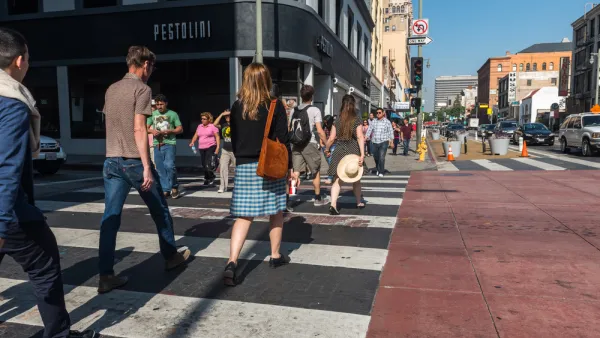
Could L.A. Be a 15-Minute City?
Advocates argue that even famously car-centric Los Angeles can become a place where residents can easily access their daily needs without getting behind the wheel.
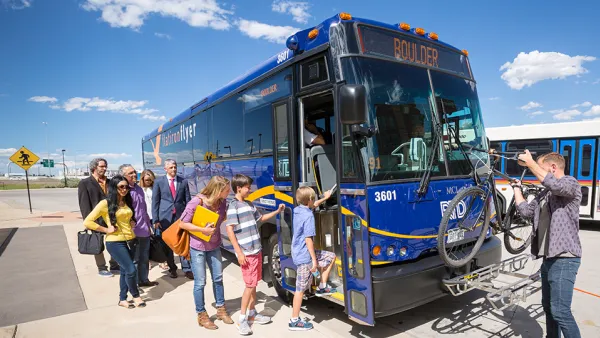
Boulder Launches ‘Zero Fare for Better Air’
The Colorado city will make public transit free during the month of August to boost ridership and reduce emissions.
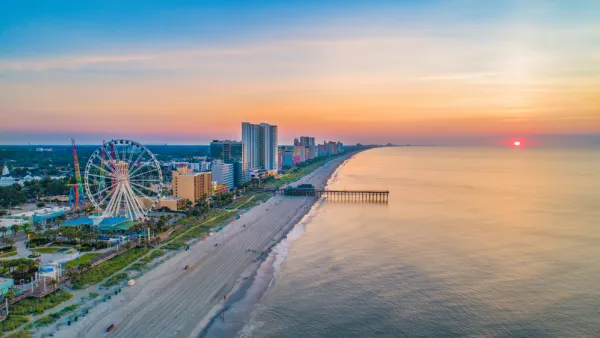
South Carolina Town Blames Free Buses for Rise in Unhoused Population
City officials in North Myrtle Beach argue that a free transit program has led to a rise in the town’s homelessness rate.
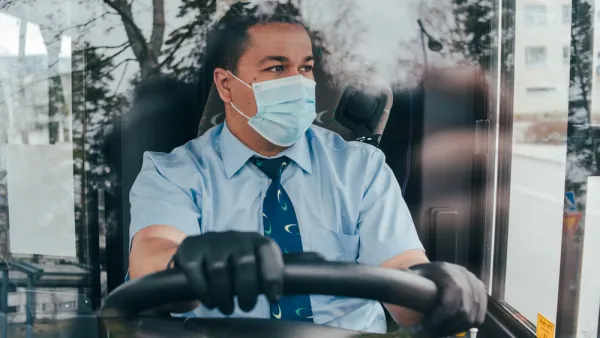
Why Are Transit Agencies So Understaffed?
More than nine in 10 U.S. transit agencies face operator shortages. A new report sheds light on the reasons why they’re having such a hard time attracting new hires.
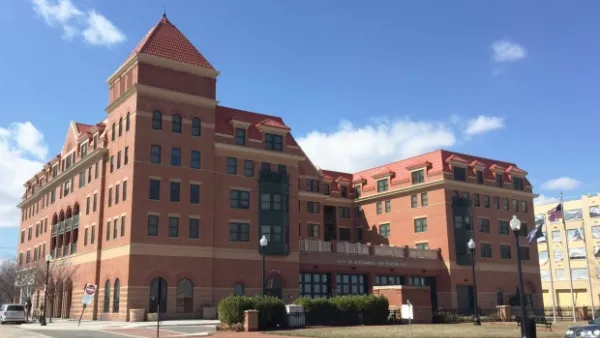
Metrorail Preparing for Record-Long Service Shutdown
A bridge on the D.C. Metrorail Yellow Line will be closed for seven months—the longest ever for the transit system. Blue Line service and shuttles will attempt to make up the difference.
Massachusetts Legislation Would Require Low-Income Transit Fares
After a similar bill was vetoed by Governor Charlie Baker in 2020, the Massachusetts senate has reintroduced an amendment that would mandate discounted transit fares.

The American Commute Is Getting More Expensive
The average cost of commuting in the United States rose by 35 percent since last year, according to a new report.

FREE Course: Walkable City 1: Why Walkability?
After describing his path towards focusing on walkability as the essence of good planning, Jeff Speck marches through his five principal reasons for making more walkable places.
Reinventing Malls: Planning Alchemy—Turning Gray Fields Into Gold
The course focuses on the opportunities and imperatives that shape reinvention of mall sites.

City of Charlotte
City of Rosemead
Rutgers University, Edward J. Bloustein School of Planning and Public Policy
University of Michigan School for Environment and Sustainability (SEAS)
Hunter College, City University of New York (CUNY)
The Architects Foundation
University District Partnership









