A pilot program will provide free rides to help rural and elderly residents reach more destinations.


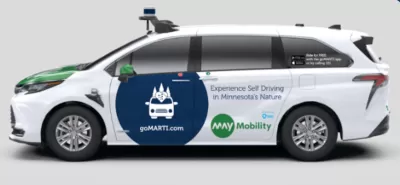
An 18-month pilot program will bring five autonomous shuttles to Grand Rapids, Minnesota as part of the state’s Autonomous Rural Transit Initiative (goMARTI), reports Mary Balstad for LPTV.
“One major reason for bringing these shuttles northbound is to decrease isolation and increase mobility for those with disabilities,” Balstad explains. “Other considerations toward implementing these shuttles in the area include understanding the economic impact of self-driving shuttles in a rural community, engaging and educating the local population about autonomous vehicles, and advancing this technology through more difficult circumstances, such as through winter months.”
According to the article, “Passengers can access the shuttles by using the VIA app or through First Call 211. Three of the vehicles are also ADA compliant.” During the program, the shuttles will have operators present to ensure proper functioning and manually control the vehicles if needed.
FULL STORY: Self-Driving Shuttles to Share the Streets of Grand Rapids

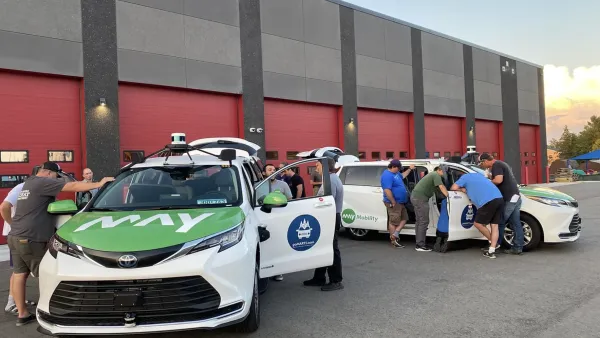
Grand Rapids Tests First Rural Autonomous Shuttle
The town launched a five-vehicle fleet aimed at improving mobility for residents in the rural community.
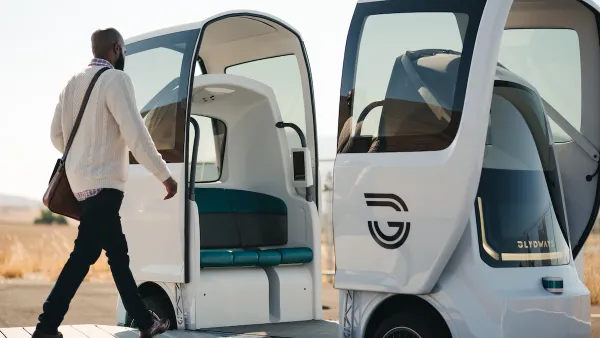
Self-Driving Microtransit System Coming to Contra Costa County
The autonomous, four-person pods would travel on an enclosed track, but is it an effective model for public transit?
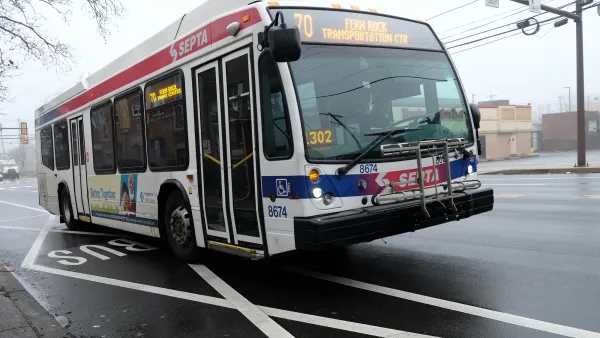
Pennsylvania lawmaker wants to ban fully self-driving buses
State Rep. Ben Waxman's proposed bill would require autonomous buses to have a licensed driver on board.

Planetizen Federal Action Tracker
A weekly monitor of how Trump’s orders and actions are impacting planners and planning in America.

The state-sanctioned urbicide of Austin
People don’t kill cities. Freeways do.

US to reduce Colorado River water deliveries to Mexico
A new Colorado Treaty amendment reduces Mexico’s Colorado River water allocation by 250,000 acre feet.

Baltimore to break ground on $50 million Transit Priority Project
The project will bring faster bus trips, safer streets and better bike connections to Baltimore.

Airbnb launches $250 million 'last-dollar financing' housing accelerator, makes first investment in Austin
The company will put $6.4 million towards affordable housing development in Texas’ capital.

Guerilla urbanists are building DIY bus stop benches in Chicago
A before-and-after of one of the bus stops with a new bench. The new benches are not officially sanctioned or permitted, but the residents who placed them hope they will be the start of a network of DIY benches across the city.

FREE Course: Walkable City 1: Why Walkability?
After describing his path towards focusing on walkability as the essence of good planning, Jeff Speck marches through his five principal reasons for making more walkable places.
Reinventing Malls: Planning Alchemy—Turning Gray Fields Into Gold
The course focuses on the opportunities and imperatives that shape reinvention of mall sites.

Eagle County Government
Harvard University Graduate School of Design
Nashville Planning Department
The Architects Foundation
University of Cincinnati Online
The Pocatello Development Authority
The Urban Renewal Agency of the City of Pocatello
Journal of the American Planning Association