Level of Service
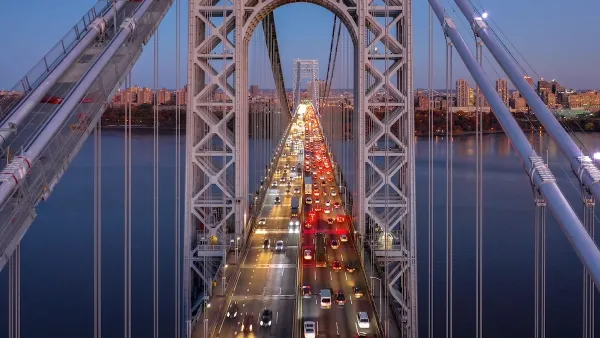
Vehicle Miles Travelled, Level of Service, and a Soon-to-be-Insolvent Transportation Trust Fund
Level of Service and the gas tax have served our transportation needs for a long time. Now, it’s time for a change.

Opinion: LOS has ‘No Redeeming Quality’
The commonly used Level of Service metric that grades intersections based on traffic speed rather than safety is a key contributor to dangerous roadways.
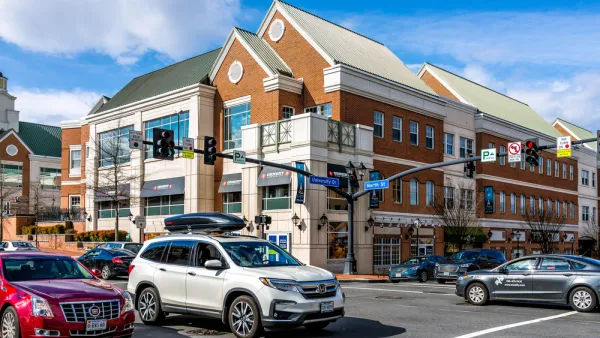
Shifting the Focus for Transportation Planning in Fairfax County
Fairfax County wants to move away from a heavy reliance on level of service in favor of more pedestrian- and transit-oriented planning.
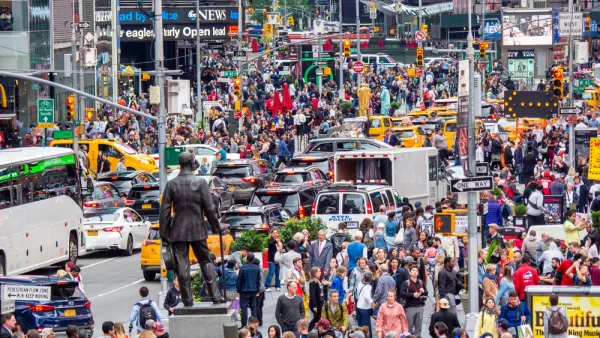
What Is LOS?
Level of Service (LOS) defines how well vehicle traffic flows along a street or road. LOS is one of the most influential metrics in planning, with critical relevance for both land use and transportation planning.
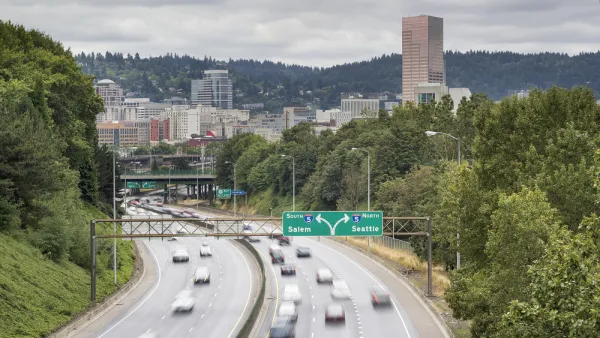
What Is VMT?
A measure of the demand for vehicle travel on public roadways, VMT provides a metric for evaluating the potential impact of road projects and developments and could become an increasingly useful tool for assessing road usage taxes.

New Rule on Environmental Impacts of Driving, Long Awaited, Goes Into Effect Today
At long last, California law will consider the amount of driving, rather than vehicle delay, when evaluating the environmental impacts of new developments. This is a more common-sense approximation of their environmental impacts.
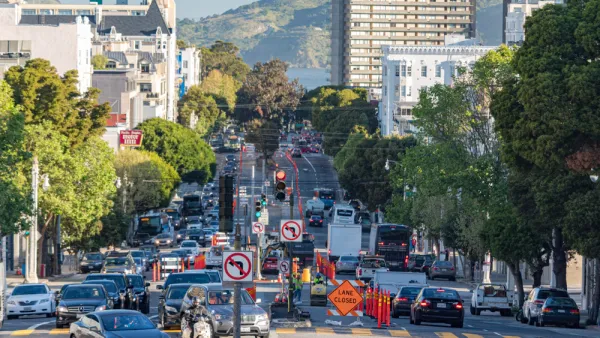
Caltrans to Ditch Level of Service for Vehicle Miles Traveled
Unlike for land use regulations, state law doesn't require Caltrans to switch from Level of Service to Vehicle Miles Traveled in measuring the environmental impact of projects. The state department of transportation is making the change anyway.
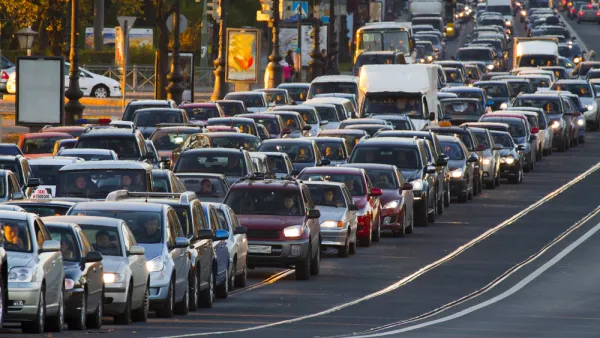
Level of Service, the Wrong Performance Measure
The use of level of service (LOS) to gauge the success of roadway networks has shaped and influenced cities in many negative ways.
A New Day for the California Environmental Quality Act
The California Natural Resources Agency posted the final version of amendments to the California Environmental Quality Act, enabled by 2013's SB 743, at the end of 2018.
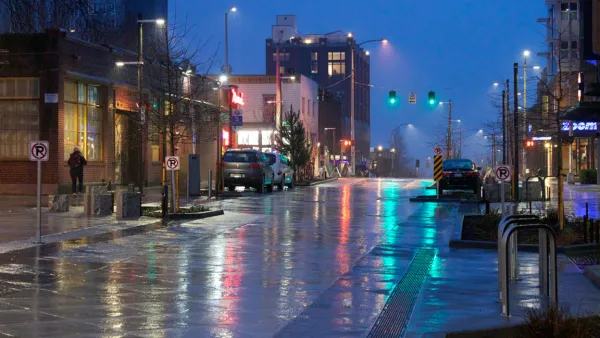
Level of Service Reform Takes Step Forward in Seattle
The city of Seattle is making more room for alternative transportation modes in its level of service calculations.
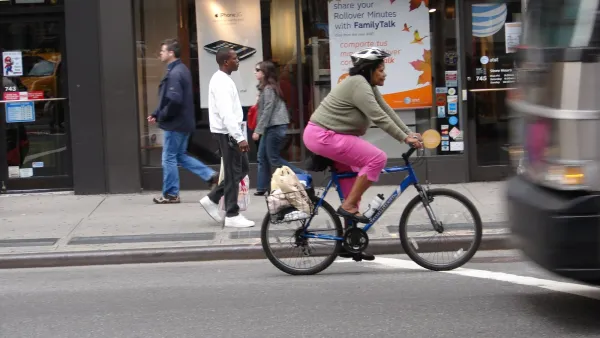
Thumbs Down to Planning Rules of Thumb
In planning, a number of common principles of practice are widely accepted. However, an alternative set of guidelines can better serve as information and decision-making tools.

Op-Ed: Planners Could Do More to Encourage Healthy Communities
In many locales, instruments like traffic studies take pedestrian health into little account. According to Lark Lo, healthy communities haven't been much of a priority at all.

Seattle May Follow San Francisco in Tossing Conventional Level of Service Standards
Mayor Ed Murray released a 20-year growth plan, Seattle 2035, that retains LOS, but rather than measuring vehicle congestion, measures mode share, consistent with his vision for a green and sustainable city, but rattling The Seattle Times.
Experts Weigh in on Decision to Move California to VMT as Metric for Impacts
In a significant effort to shift from sprawl toward incentivizing low-carbon transportation options, California is revising the way it measures traffic impacts of development projects under its Environmental Quality Act.
Southern California Association of Governments Stalling on CEQA Reform
One of the largest, most influential regional governments in the state has asked for exemptions from changes to the California Environmental Quality Act (CEQA) that will measure Vehicle Miles Travelled (VMT) instead of Level of Service (LOS).
Feds Coming Around to Level of Service Reform
Streetsblog USA notes that the federal government is following the lead of California in awakening to the negative effects of Level of Service.
Draft CEQA Updates Now Available for Public Comment
A big moment in the process of updating the California Environmental Equality Act.
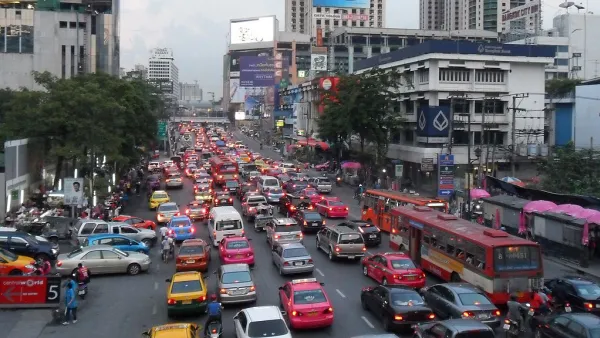
Why it's Unfair to Only Plan for Rush Hour
Determining whether to widen a street solely based on rush hour traffic ignores how the street is used and who uses it the rest of the day.
Debate: When Should California Switch to VMT to Measure Development Impacts?
In an effort to shift from car-centric planning and incentivize eco-friendly transportation options, California is revising the way it measures traffic impacts of development projects under its Environmental Quality Act.
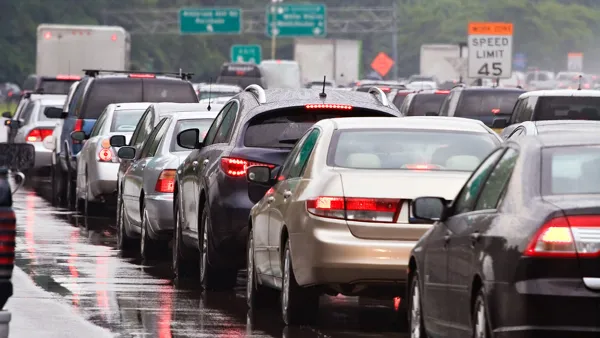
End These 5 Transportation Planning 'Rule of Thumbs'
An op-ed calls for an end to five examples of them planning status quo, and recommends four new "rule of thumbs" that can provide a better model for the transportation planning of the future.

FREE Course: Walkable City 1: Why Walkability?
After describing his path towards focusing on walkability as the essence of good planning, Jeff Speck marches through his five principal reasons for making more walkable places.
Reinventing Malls: Planning Alchemy—Turning Gray Fields Into Gold
The course focuses on the opportunities and imperatives that shape reinvention of mall sites.

City of Wisconsin Rapids
Harvard University Graduate School of Design
KFH Group Inc.
The Architects Foundation
University of Cincinnati Online
The Pocatello Development Authority
The Urban Renewal Agency of the City of Pocatello