Extreme Heat
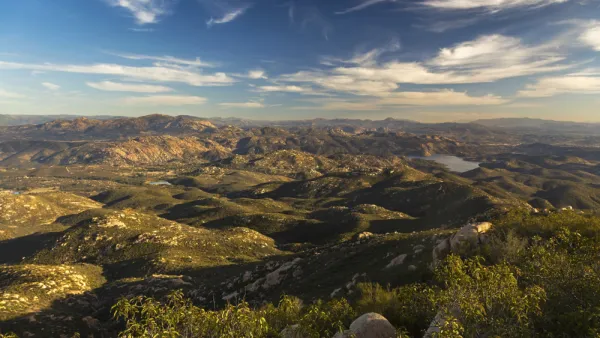
Extreme Heat Prompts Trail Closures and Safety Warnings in San Diego
San Diego County has closed three hiking trails for August due to extreme heat, urging hikers to stay safe with proper planning, hydration, and early starts.
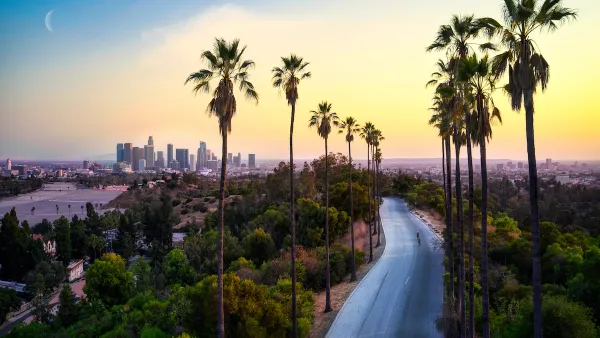
Planting for Change: How Trees Are Powering Climate Action
"Combating Climate Change with Trees" highlights how Southern California communities are strategically planting and nurturing urban forests to cool neighborhoods, improve air quality, and advance environmental justice.
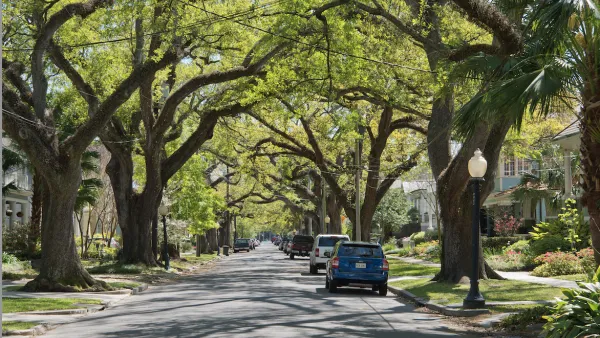
Art in the Shade: Confronting Climate and Equity Through Creativity
Through powerful, multisensory installations, Roots of Cool uses art to illuminate Los Angeles’ climate and shade inequities, inviting visitors to imagine a more just, tree-filled future.
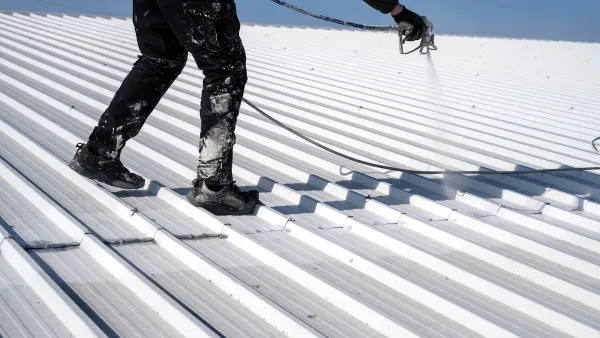
New Atlanta Law Requires ‘Cool Roofs’
Painting roofs with reflective coatings can significantly reduce indoor temperatures and improve energy efficiency, sometimes at a lower cost than traditional roof treatments.
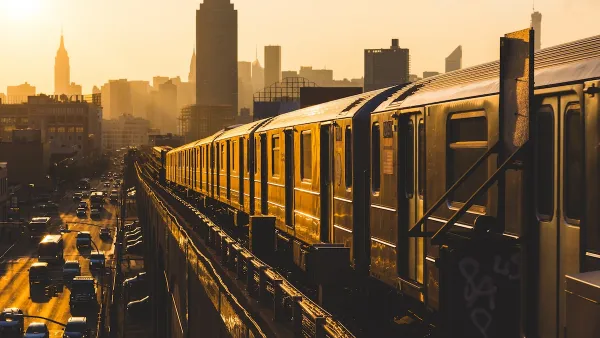
Aging NYC Subway Cars No Match for Extreme Heat
The MTA receives thousands of complaints about broken air conditioning on subway cars each summer.
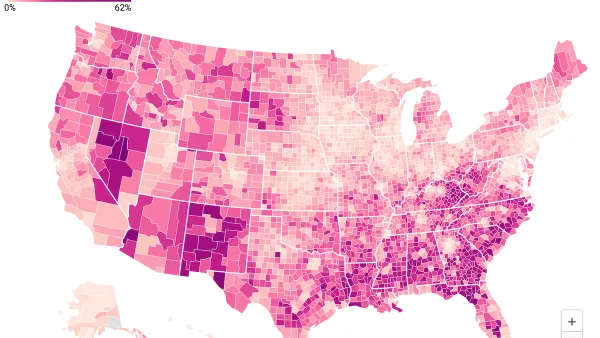
Data: In Rural America, Mobile Homes are Heat Traps
Extreme heat is often viewed as an urban problem, but rural communities face their own unique risks.
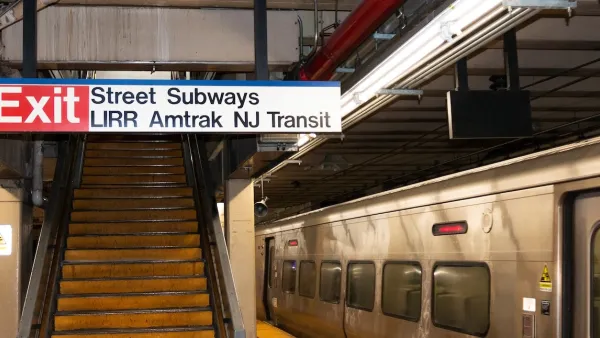
NJ Transit Trains Delayed by Extreme Heat
Breakdowns in the subway network’s HVAC system caused dangerously high temperatures on platforms, while heat-induced track expansion forced trains to slow down.
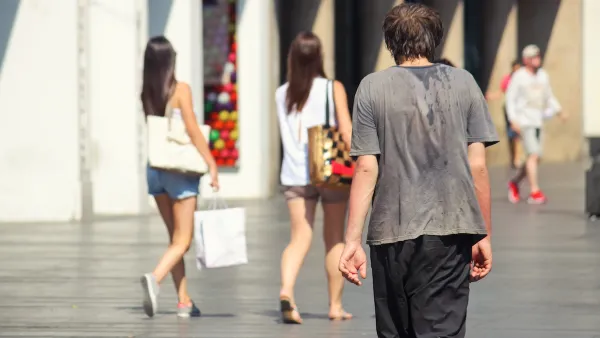
Index Measures Impact of Heat on Pedestrian Activity
When heat and humidity are high, people are more likely to opt for cars when possible.
Hundreds of New Yorkers Hospitalized Due to Extreme Heat
A brutal heat wave is causing hospitalizations for heat-related illnesses, an increasingly common threat as summers get warmer.
How Extreme Heat Impacts Children
As summers get hotter and more dangerous, parents can take steps to protect kids from heat-related illnesses.
LA County Creating Action Plan to Tackle Extreme Heat
Los Angeles County is creating a Heat Action Plan to help communities stay safe during extreme heat, with steps like adding more shade, improving buildings, and supporting the neighborhoods most at risk.
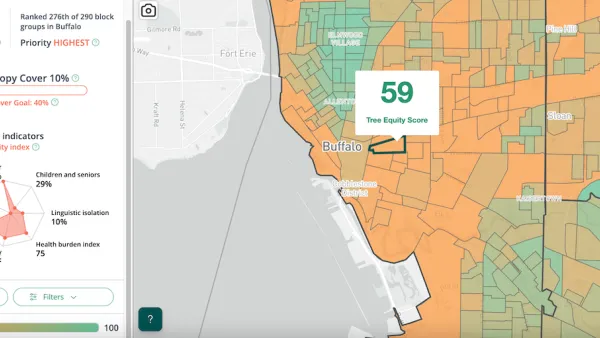
Interactive Map Reveals America's “Shade Deserts”
Launched by UCLA and American Forests to combat heat-related deaths, the tool maps the shade infrastructure for over 360 U.S. cities.
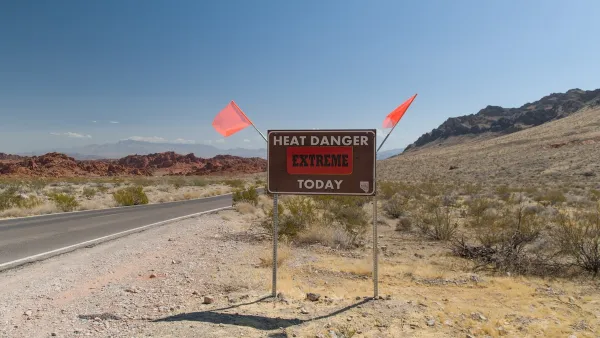
U.S. Braces for Another Record-Breaking Summer of Heat and Drought
The U.S. is heading into another dangerously hot summer, with widespread extreme heat, drought, and wildfire risks compounded by underfunded federal agencies and growing pressure on local governments to protect vulnerable communities.
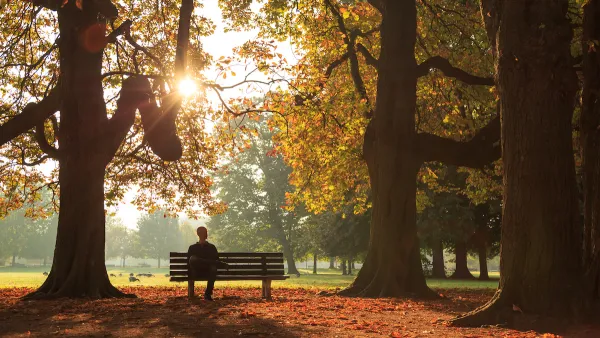
‘Smart Surfaces’ Policy Guide Offers Advice for Building and Maintaining Urban Tree Canopies
Healthy, robust tree canopies can reduce the impacts of extreme heat and improve air quality.
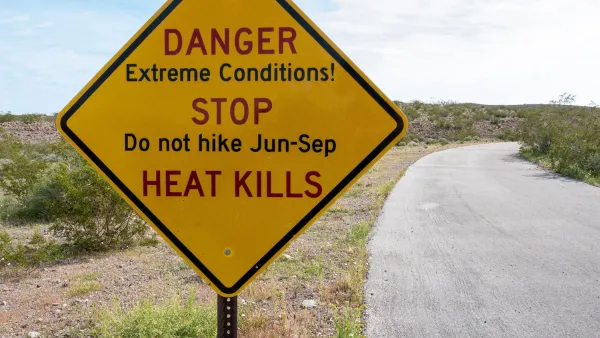
Record Temperatures Prompt Push for Environmental Justice Bills
Nevada legislators are proposing laws that would mandate heat mitigation measures to protect residents from the impacts of extreme heat.
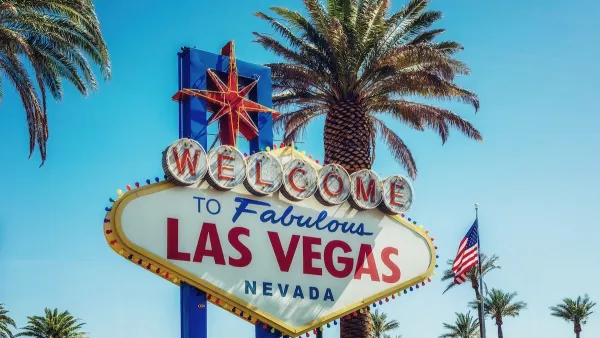
Planting Relief: Tackling Las Vegas Heat One Tree at a Time
Nevada Plants, a Las Vegas-based nonprofit, is combating the city’s extreme urban heat by giving away trees to residents in underserved neighborhoods, promoting shade, sustainability, and community health.
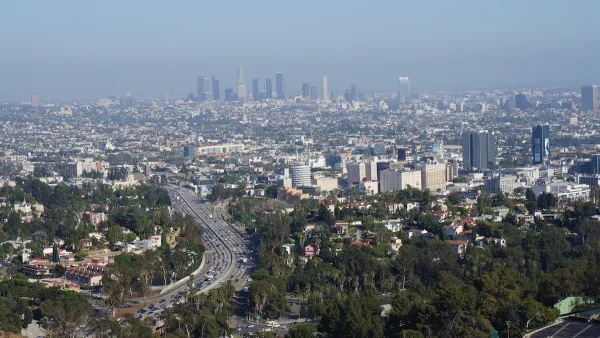
Updating LA’s Tree Rules Could Bring More Shade to Underserved Neighborhoods
A new USC study finds that relaxing Los Angeles’ outdated tree planting guidelines could significantly expand urban tree canopy and reduce shade disparities in lower-income neighborhoods, though infrastructure investments are also needed.
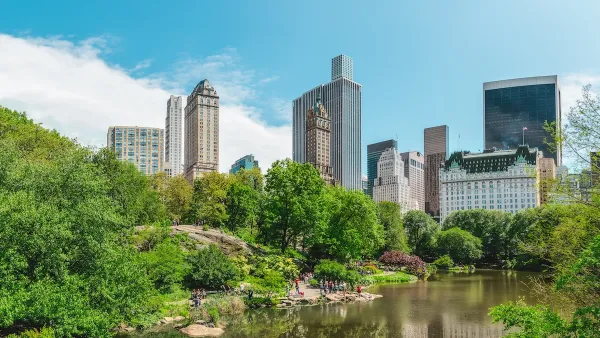
Public Parks as Climate Resilience Tools
Designed with green infrastructure, parks can mitigate flooding, reduce urban heat, and enhance climate resilience, offering cost-effective solutions to environmental challenges while benefiting communities.
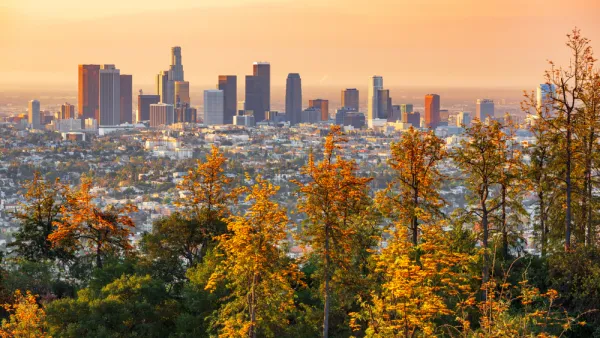
LA’s Trees Absorb More Carbon Than Expected, But Can’t Do It Alone
A USC study finds that Los Angeles’ urban trees absorb more carbon than expected, but while they provide crucial environmental benefits, they cannot replace the urgent need for systemic emissions reductions.
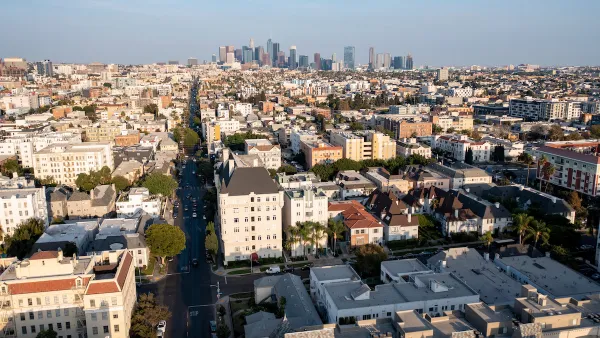
The Urban Heat Divide: Addressing LA’s Thermal Inequities
LA's thermal inequities leave low-income, minority neighborhoods disproportionately hotter and more vulnerable, prompting advocacy and policy efforts to address these disparities through green infrastructure and equitable climate investments.

FREE Course: Walkable City 1: Why Walkability?
After describing his path towards focusing on walkability as the essence of good planning, Jeff Speck marches through his five principal reasons for making more walkable places.
Reinventing Malls: Planning Alchemy—Turning Gray Fields Into Gold
The course focuses on the opportunities and imperatives that shape reinvention of mall sites.

City of Rosemead
Rutgers University, Edward J. Bloustein School of Planning and Public Policy
One Hundred Miles
University of Michigan School for Environment and Sustainability (SEAS)
Hunter College, City University of New York (CUNY)
The Architects Foundation
City of Cambridge
The Pocatello Development Authority
The Urban Renewal Agency of the City of Pocatello









