Extreme Heat

Los Angeles Parents Demand Greener Schoolyards
With asphalt temperatures reaching as much as 150 degrees, parents and advocates are asking the city’s school district to provide more shade, trees, and other heat mitigation features on its schoolyards and playgrounds.
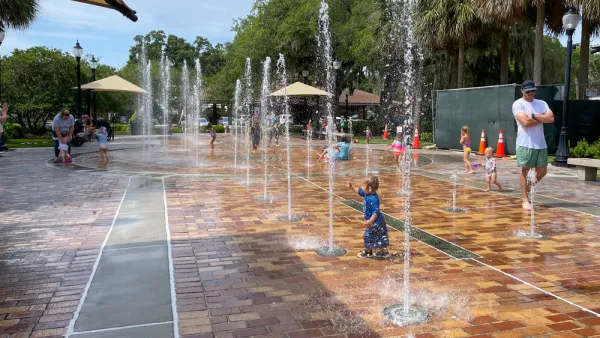
World’s First Municipal ‘Heat Officers’ Combat Extreme Heat
As extreme heat threatens infrastructure and public health, municipal ‘heat officers’ work to develop cooling strategies to keep urban residents safe from increasingly hot temperatures.
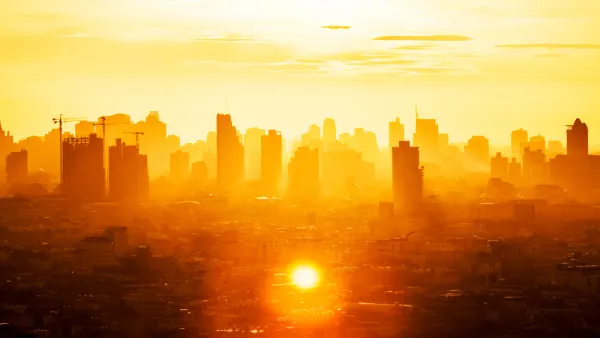
What Is the Urban Heat Island Effect?
Man-made surfaces and urban density contribute to higher temperatures, intensifying heat waves and posing a growing danger to public health.
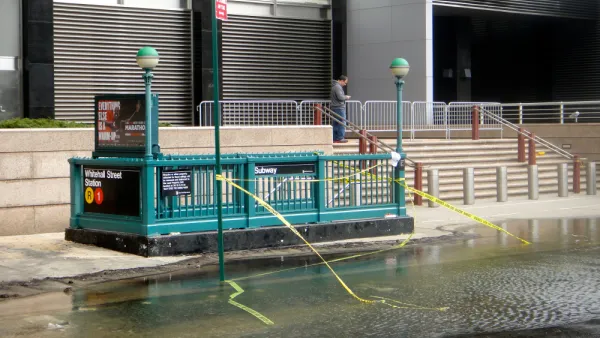
How Extreme Weather Threatens Transit Systems
As weather events become more intense and unpredictable, transit agencies must take steps to protect their aging infrastructure from flooding, storms, and extreme heat.
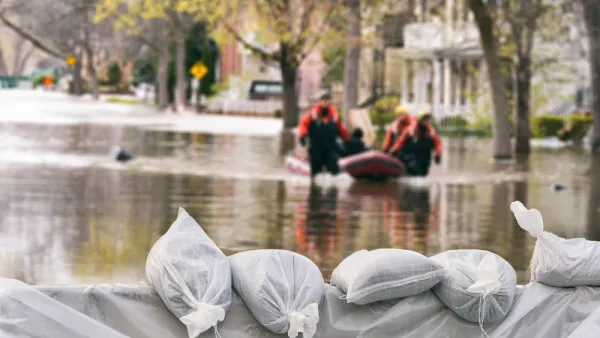
Infrastructure Must Catch Up With Climate Change
The worsening effects of extreme weather events are accelerating the deterioration of critical infrastructure, leaving communities more vulnerable.

This Street Treatment Fights Extreme Heat
Applied to streets, parking lots, and other asphalt surfaces, a reflective epoxy coating can lower temperatures by as much as 10 degrees and cool neighborhoods vulnerable to extreme heat.
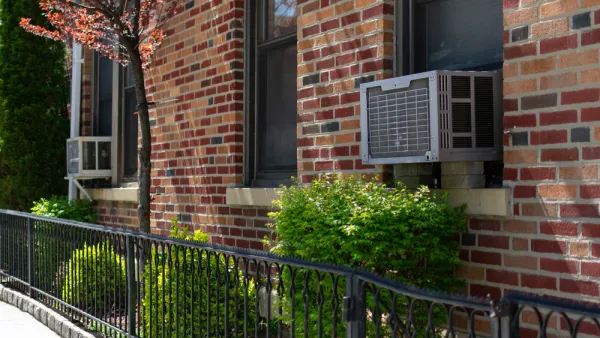
Oregon Law Requires Cooling, but Could Leave Many Renters Out
A state bill requiring landlords to allow tenants to install portable air conditioners comes with a raft of exemptions that could restrict the most affordable options.
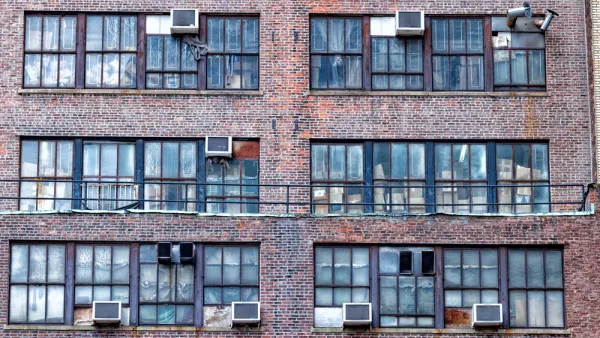
Protecting Urban Residents From Extreme Heat
With temperatures reaching record highs in cities around the country, local officials are implementing measures to ensure vulnerable residents have adequate cooling.
Mapping Heat Inequality
A new mapping tool underscores inequities in infrastructure that lead to higher rates of heat-related illnesses in low-income neighborhoods.
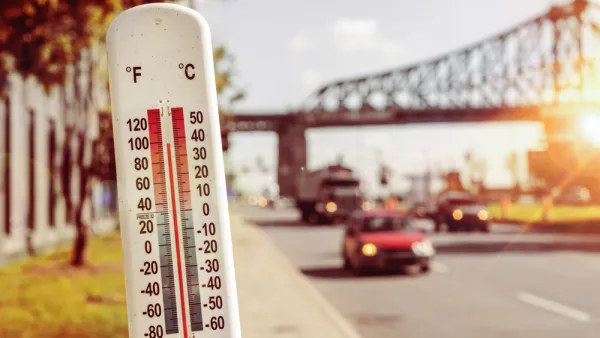
New Tool to Understand Heat Vulnerability and Resilience in California
The California Healthy Places Index: Extreme Heat Edition is a tool which provides datasets on projected heat exposure for California, including place-based indicators measuring community conditions and sensitive populations.

Extending the Life of California's Largest Power Plant
Gov. Gavin Newsom has notified the U.S. Department of Energy of his interest in using funding included in the Infrastructure Investment and Jobs Act to extend the life of the Diablo Canyon nuclear power plant slated to close in three years.
Extreme Heat as a Public Health Crisis
Cities can take action to improve conditions during extreme heat events and prevent heat-related deaths, many of which occur in low-income communities.
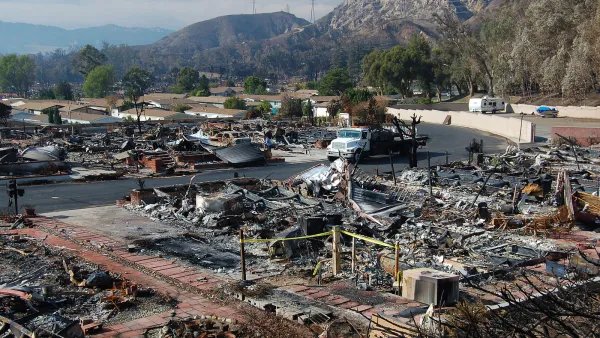
U.S. Communities Increasingly at Risk of Extreme Weather Events
As development pushes into more wildfire-prone areas and climate change makes extreme weather conditions more common, more Americans are experiencing the destructive impacts of climate disasters.
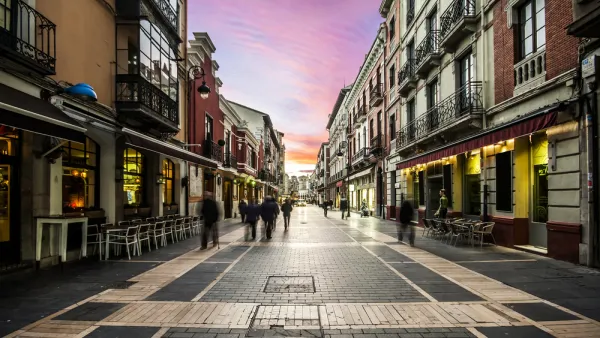
Ten Urban Success Stories From 2021
Still battling a global pandemic and its widespread economic and social effects, cities nevertheless made progress in some unexpected ways.
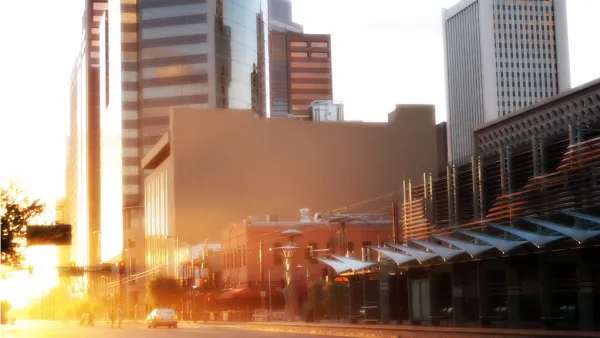
To Combat Rising Heat Deaths, Phoenix Creates Heat Response and Mitigation Office
As more extreme temperatures lead to an alarming rise in heat-related deaths across the country, Phoenix is taking action with the nation's first public heat response office.
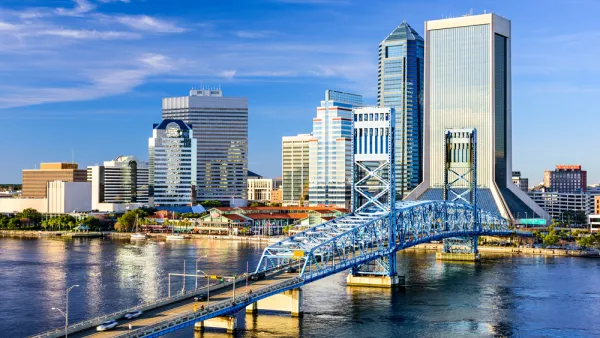
An Interview With Jacksonville's New Chief Resiliency Officer
The city of Jacksonville's new resiliency department will evaluate the city's long-term needs and coordinate with various stakeholders to implement systems adaptable to extreme climate events.
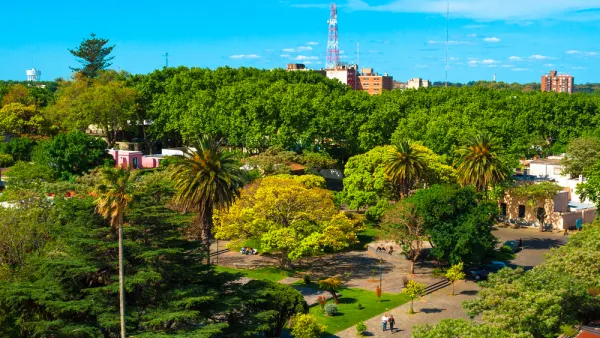
How the Phoenix Tree Canopy Affects Urban Temperatures
As extreme weather intensifies, cities are using trees to mitigate the effects of climate change and reduce energy consumption.
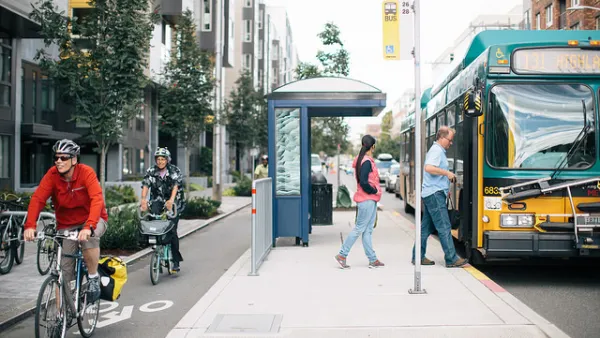
As Heat Waves Become More Common, Bus Shelters Are Needed to Keep Transit Riders Onboard
As climate change brings prolonged, intense heat waves to cities once associated with rain and cold weather will have to attend to the lack of shelter provided to bus and transit riders.
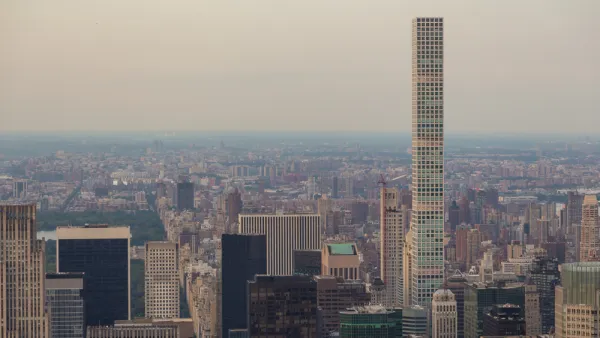
Report: Skyscrapers a Driving Factor of the Urban Heat Island Effect
As cities build upwards in an effort to create more housing and increase walkability, research shows that tall buildings intensify heat and contribute to increased carbon emissions.
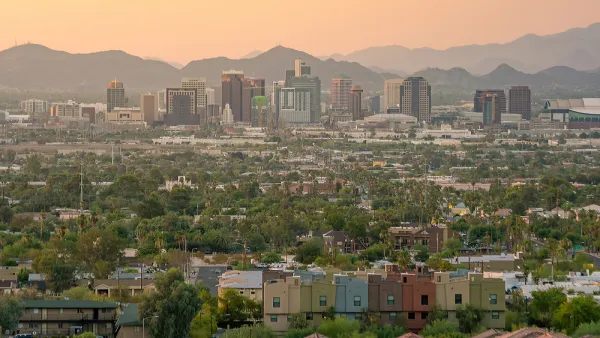
Why It's So Difficult to Measure Heat Deaths
Without a standard for recording and classifying heat-related deaths, experts believe the scale of the problem is much bigger than numbers let on.

FREE Course: Walkable City 1: Why Walkability?
After describing his path towards focusing on walkability as the essence of good planning, Jeff Speck marches through his five principal reasons for making more walkable places.
Reinventing Malls: Planning Alchemy—Turning Gray Fields Into Gold
The course focuses on the opportunities and imperatives that shape reinvention of mall sites.

City of Rosemead
Rutgers University, Edward J. Bloustein School of Planning and Public Policy
One Hundred Miles
University of Michigan School for Environment and Sustainability (SEAS)
Hunter College, City University of New York (CUNY)
The Architects Foundation
City of Cambridge
The Pocatello Development Authority
The Urban Renewal Agency of the City of Pocatello









