Nevada Plants, a Las Vegas-based nonprofit, is combating the city’s extreme urban heat by giving away trees to residents in underserved neighborhoods, promoting shade, sustainability, and community health.


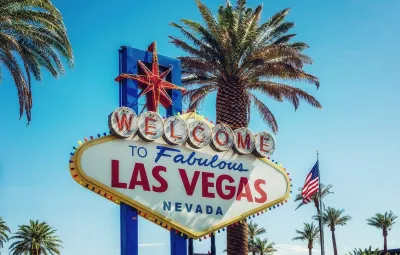
Facing a severe lack of tree canopy in parts of Las Vegas — some with as little as 3 percent coverage — local nonprofit Nevada Plants is tackling the urban heat crisis by giving away trees to residents most vulnerable to heat stress. Founded in 2021 by former Henderson urban forester Lisa Ortega, the organization focuses on residential properties and schools, recognizing these as overlooked spaces in the broader push for greener cities. The nonprofit was galvanized by the release of urban heat island and food desert maps, which underscored the urgent need for local action.
Since its founding, Nevada Plants has distributed over 1,700 trees across the region, carefully selecting varieties suited for local conditions — including fruit, nut, and shade trees. Ortega and her collaborators, such as Paul Noe from Star Nursery, work to ensure trees are healthy and appropriate for each site, while emphasizing that planting is just the first step. The group also offers tree care education and performs regular checkups on the trees it distributes, helping foster long-term success and sustainability.
With heat-related challenges intensifying—especially for low-income communities—Nevada Plants’ work is more vital than ever. Ortega sees trees not just as a cooling solution, but as essential air filters and a symbol of investment in future generations. Through tree giveaways, education, and ongoing support, Nevada Plants continues to grow its impact, with more events planned this Earth Month to support healthier, greener neighborhoods in Southern Nevada.
Read the full story: Sustainability Heroes: How this Las Vegas-based nonprofit tackles urban heat with tree giveaways

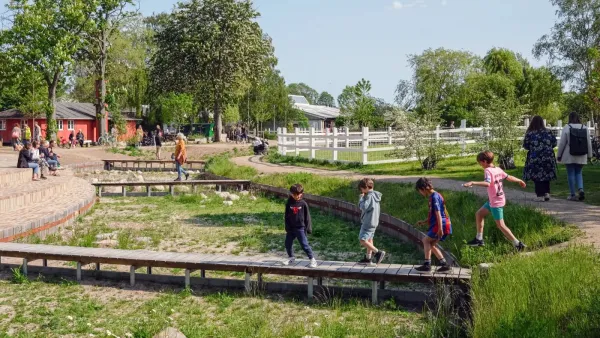
Copenhagen is losing its cool
In a city long designed to maximize light during dark Scandinavian winters, climate change is forcing the Danish capital to rethink its relationship with the sun.
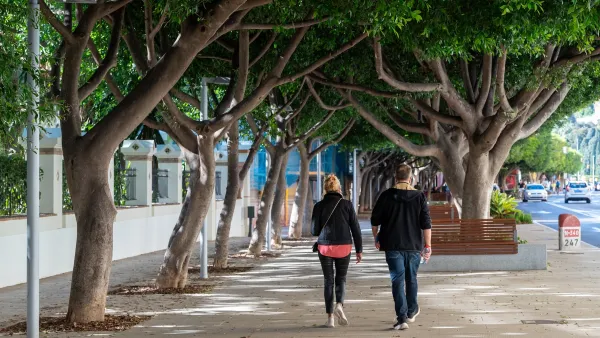
Green blocks are up to 4 degrees cooler than treeless streets
The difference in temperature created by urban trees can translate to as much as 40% less excess heat.
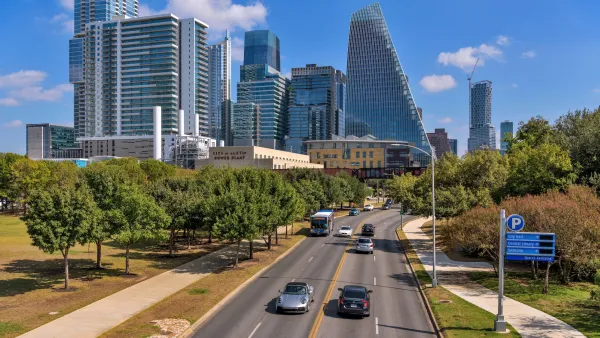
Austin uses satellite data to find gaps in its tree canopy
Layering tree data, heat risk and demographics information is helping the city implement its Climate Equity Plan.

Planetizen Federal Action Tracker
A weekly monitor of how Trump’s orders and actions are impacting planners and planning in America.

The state-sanctioned urbicide of Austin
People don’t kill cities. Freeways do.

Colorado’s Largest Data Center Could Rise Next to Homes — Without a Public Hearing
The proposed campus would consume 11 times the power of Denver International Airport; as it has across the country, opposition mounts.
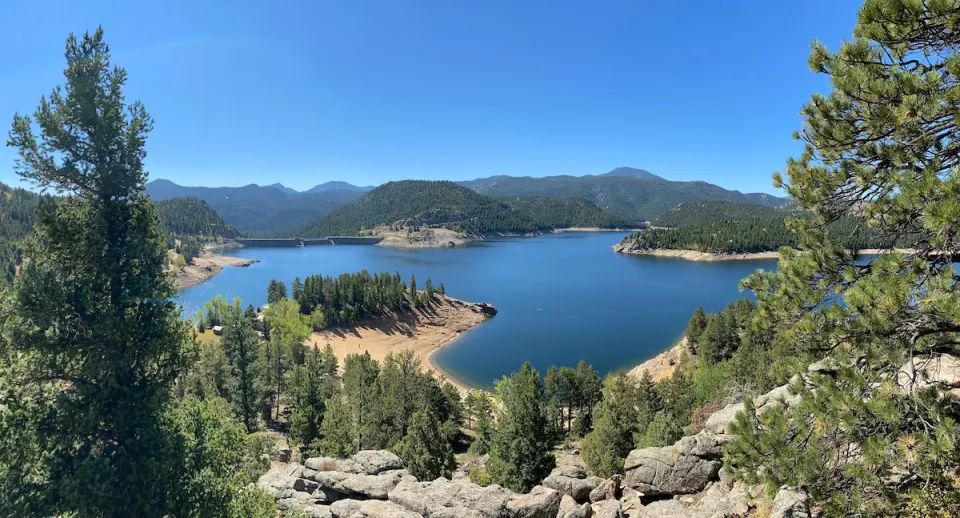
Judges permit Denver to divert 77,000 acre feet from the Colorado River for reservoir expansion
Overuse and climate change have caused the Colorado River’s water levels to plummet.
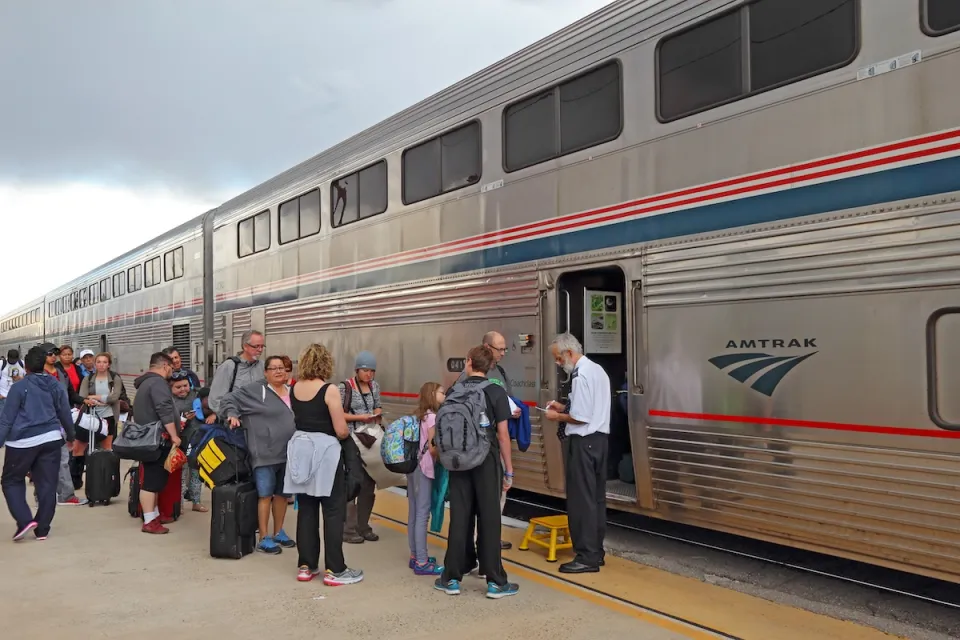
Amtrak, CN end decades-long dispute with eight-year agreement
The new operating agreement establishes an updated framework for the companies to work together, including processes to resolve disputes.
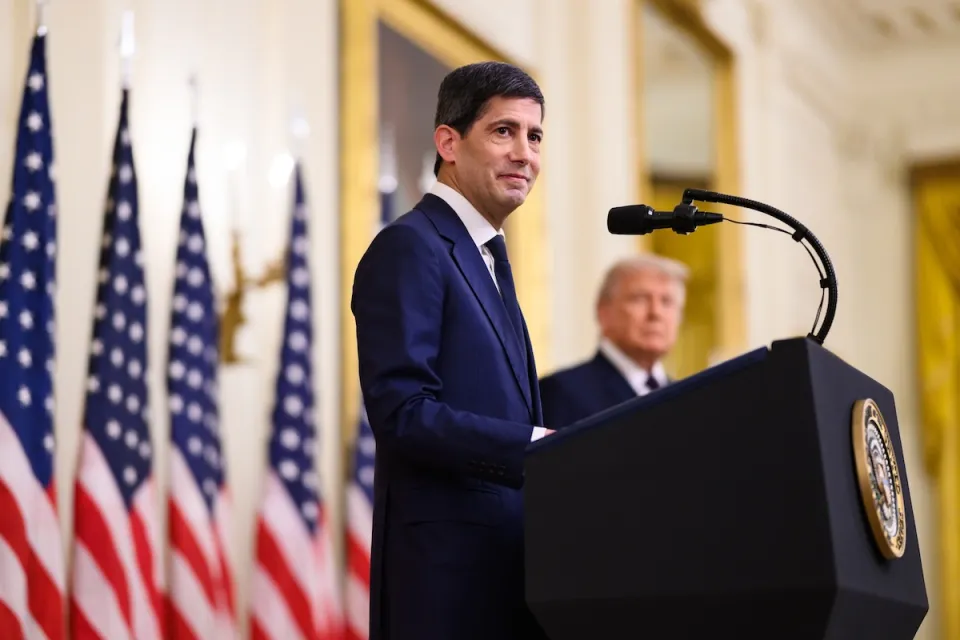
Raised interest rates may kill financially vulnerable construction projects
The chief economist at ConstructConnect warns that if construction project owners are negatively impacted by the raised rates, it could result in delayed payments to contractors.

FREE Course: Walkable City 1: Why Walkability?
After describing his path towards focusing on walkability as the essence of good planning, Jeff Speck marches through his five principal reasons for making more walkable places.
Reinventing Malls: Planning Alchemy—Turning Gray Fields Into Gold
The course focuses on the opportunities and imperatives that shape reinvention of mall sites.

KFH Group Inc.
Greater Baltimore Committee
Eagle County Government
The Architects Foundation
University of Cincinnati Online
The Pocatello Development Authority
The Urban Renewal Agency of the City of Pocatello