Equity

Ann Arbor Traffic Stops for Minor Offenses Drop to Zero in August
A new policy bars Ann Arbor police officers from pulling people over for minor, non-dangerous equipment violations.

Cities Can be a Sensory Nightmare. Minnesota is Trying to Change That.
A state-wide effort to build 10,000 sensory-friendly spaces aims to set a new standard for inclusive design.
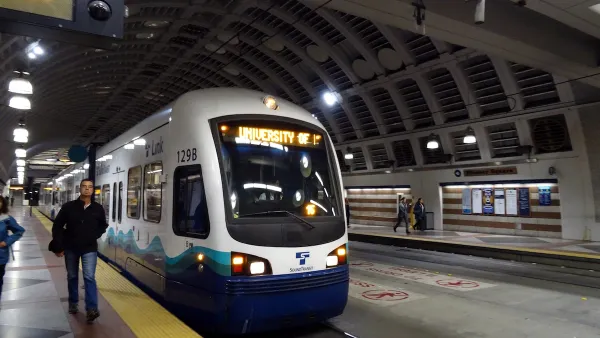
MPO Boards Don’t Reflect Their Constituencies
Metropolitan planning organizations make important transportation planning decisions, but their memberships often don’t reflect their region’s demographics.

Monterey Park’s Blueprint for Equitable Parks
Monterey Park’s first-ever Parks System Master Plan offers a community-driven roadmap for creating more equitable, accessible, and vibrant public spaces.

Building a Just Energy Transition
A new book outlines a “four-plus pillars” framework for phasing out fossil fuels while addressing systemic inequities, emphasizing public support, dedicated funding, economic diversification, coalitions, and reforms that dismantle extractive systems.
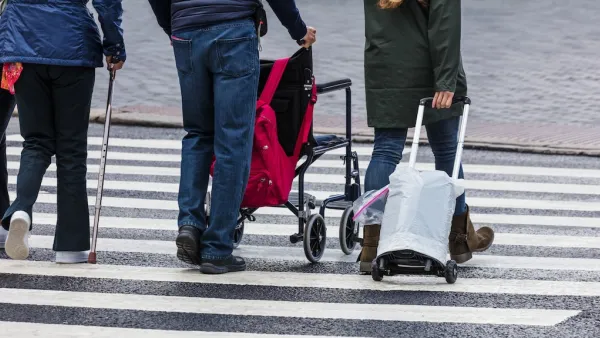
‘Week Without Driving’ Highlights Needs of Non-Drivers
The event encourages public officials to use their local public transit and engage with the people who rely on it every day.

What Is Artificial Intelligence?
Data-driven algorithms can help planners make more informed decisions, but the technology comes with its own risks of error, misuse, and built-in biases.

The Link Between Public Transit and Justice
The chancellor of the Philadelphia Bar Association argues that a robust transit system is key to ensuring people on all sides of the justice system can access courts and resources.

Florida Home Insurers Disproportionately Dropping Low-Income Households
Non-renewal rates are highest in inland counties, not the coastal areas most immediately vulnerable to storms.
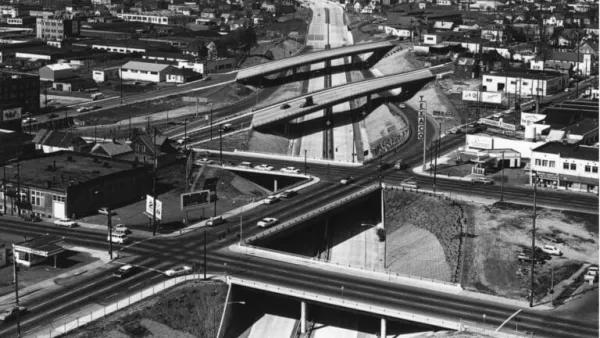
Will the Reconnecting Communities Program Survive Trump?
A freeway cap in Portland, Oregon is in jeopardy. But the visionary “restorative redevelopment” next door goes on.
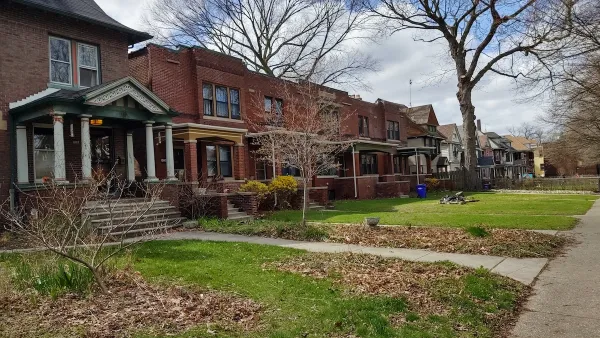
Detroit Says Problems With Property Tax Assessments are Fixed. Advocates Disagree.
With higher-valued properties under assessed and lower-valued properties over assessed, advocates say there's still a problem with Detroit's property tax system.
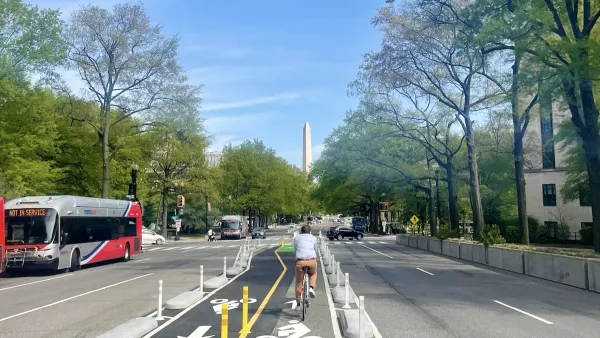
Trump Prompts Restructuring of Transportation Research Board in “Unprecedented Overreach”
The TRB has eliminated more than half of its committees including those focused on climate, equity, and cities.
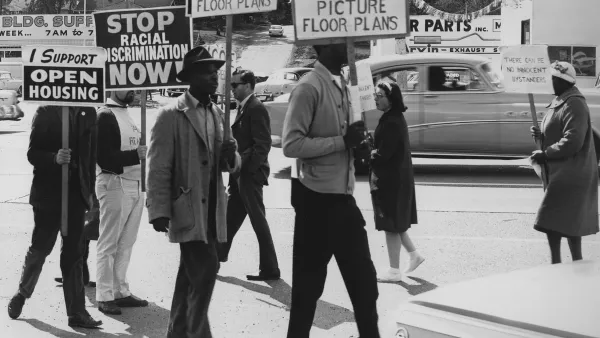
What Is the Fair Housing Act?
Signed in 1968, the Fair Housing Act legally prohibits discrimination on the basis of race, sex, and other protected categories in housing. Over fifty years later, access to safe and affordable housing remains uneven across social and racial groups.
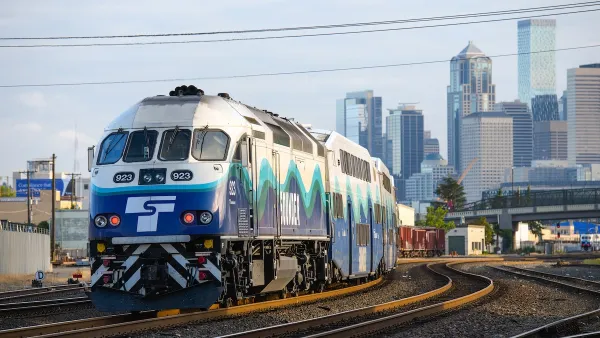
Judge Blocks Anti-DEI Rules for Transportation, Housing Grants
A second injunction blocks the Trump administration from enforcing new regulations for federal funding.
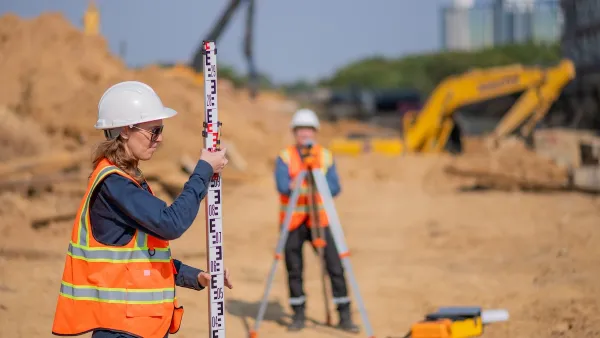
DOJ Seeks to End USDOT Affirmative Action Program
The Disadvantaged Business Enterprise Program encouraged contracting with minority- and women-owned businesses in the transportation sector, where these groups are vastly underrepresented.

Integrating Human Rights Into Energy and Extractive Sector Transitions
Why just transition efforts must move beyond economic considerations by embedding human rights principles into business practices to ensure equitable, transparent, and accountable outcomes for affected communities and workers.

Reflections on Representation and Legacy in Parks and Public Service
In a personal reflection for Asian American and Pacific Islander Heritage Month, planner Clement Lau explores how cultural identity, public service, and a commitment to equity have shaped his career in parks, community planning, and sustainability.

April Must-Reads: Top 10 Articles From Last Month
A key federal housing assistance program is in peril, Maui tries to balance housing affordability with its tourism-based economy, and a landmark Virginia law could set a new standard for road safety.
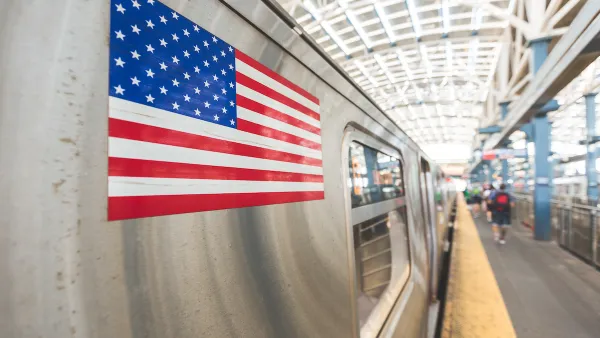
Op-Ed: Why Mobility Is Political
The freedom to move remains unevenly distributed between people of different backgrounds.

Bringing Community Voices Into Renewable Energy Planning
The MIT Renewable Energy Clinic helps coastal communities navigate the complexities of offshore wind development through neutral, inclusive engagement that surfaces local concerns and supports fair decision-making.

FREE Course: Walkable City 1: Why Walkability?
After describing his path towards focusing on walkability as the essence of good planning, Jeff Speck marches through his five principal reasons for making more walkable places.
Reinventing Malls: Planning Alchemy—Turning Gray Fields Into Gold
The course focuses on the opportunities and imperatives that shape reinvention of mall sites.

City of Charlotte
City of Rosemead
Rutgers University, Edward J. Bloustein School of Planning and Public Policy
University of Michigan School for Environment and Sustainability (SEAS)
Hunter College, City University of New York (CUNY)
The Architects Foundation
University District Partnership









