Energy Efficiency
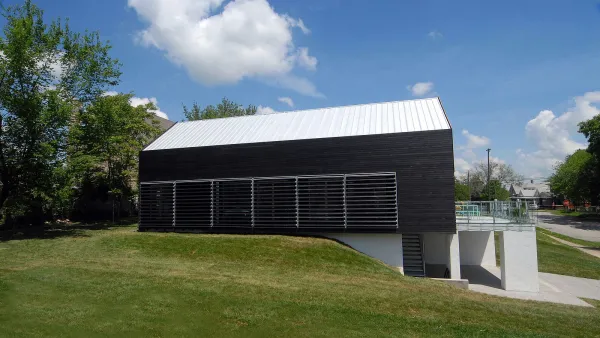
Passive Building Incentives Spur New Housing in Massachusetts
Two grant programs aimed at supporting highly efficient, affordable housing developments are yielding promising results.
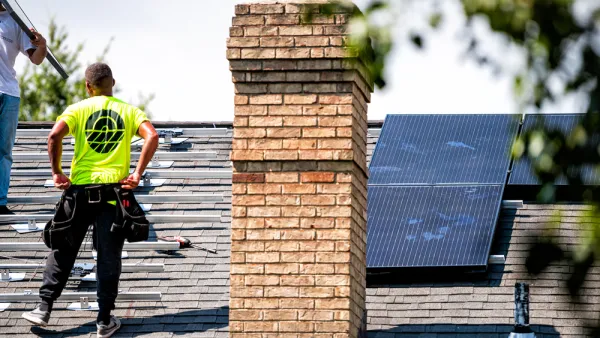
Virginia Law Granting Local Authority for Energy Efficiency Rejected Due to Housing Affordability Concerns
The state preemption pendulum swings again—this time in favor of state preemption of energy efficiency standards in Virginia.
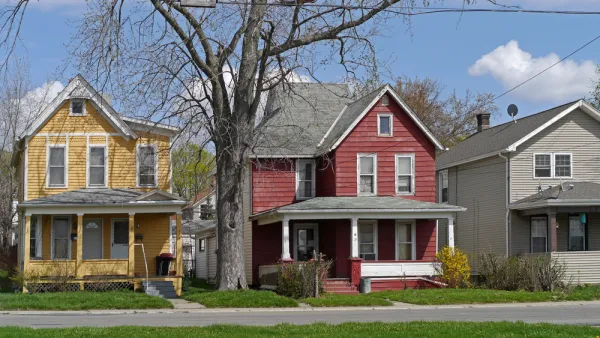
Opinion: New Construction Is Safer, Better for the Environment
The emotional attachment to old homes can obscure the benefits of new buildings, which consume less energy and provide more amenities for residents.
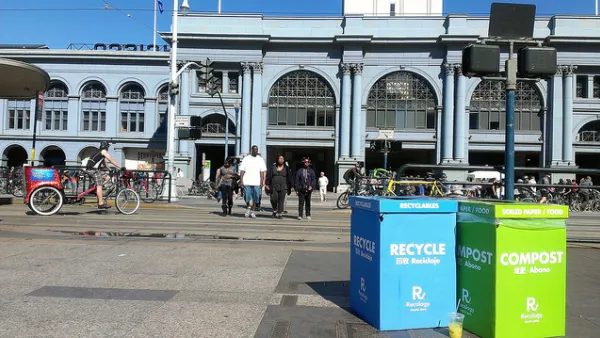
8 Cities Taking Steps Toward Waste Reduction and Sustainability
These eight cities are taking steps to reduce waste and achieve sustainability of their metropolitan areas. Keep reading to learn more.
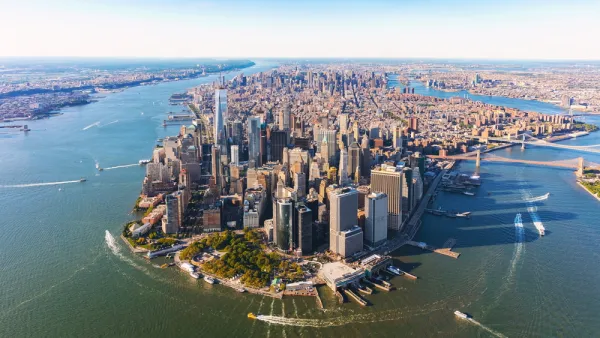
Cities as a Climate Change Solution
With the urban exodus hysteria of the early pandemic in the rearview mirror, urban apologists are staking high ground on urban soil.
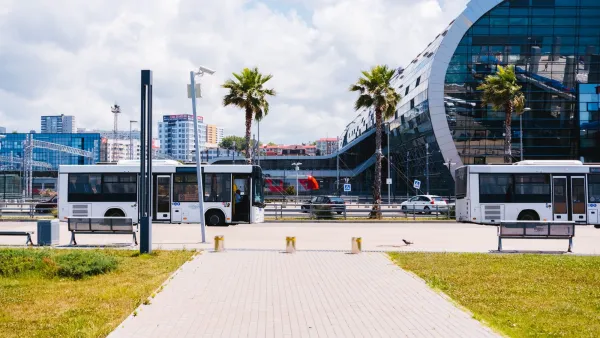
The Surprising Ways Cities Work to Clean the Environment
Municipal programs and urban design offer cities multiple, perhaps surprising ways, to clean the environment.

Industry Wins a Round Over Building Efficiency Requirements
New regulations prohibit cities from enacting stricter efficiency standards in new buildings.

A Year of Climate Action for Cities
The Trump administration might have dealt numerous setbacks in the fight to reduce greenhouse gas emissions, but climate action in 2020 went local, with cities all over the country finding new ways to reduce emissions.
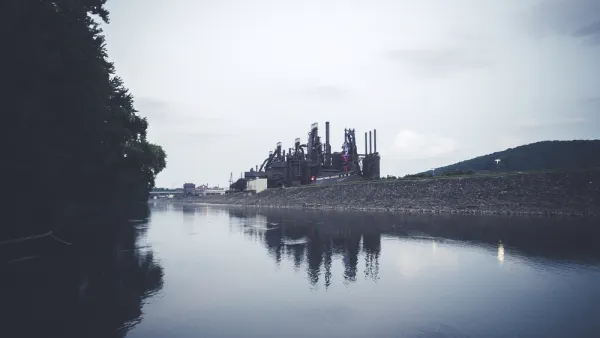
The 'Marshall Plan for Middle America' Plans $600 Million in Clean Energy Investments
A coalition of leaders in the Appalachian region recently released the "Marshall Plan for Middle America" to create jobs and transition the states of Pennsylvania, West Virginia, Ohio, and Kentucky away from fossil fuels.

Fostering a 'Green Economic Recovery' in Post-Coronavirus Cities
Cities around the world are putting sustainability and climate change at the forefront of economic recovery plans.

LEDs, Downward Lights Changing the Night in Chicago
The nighttime illumination of Chicago is almost finished with a complete overhaul of its streetlights, producing a dramatic effect in the nighttime environment of the city.
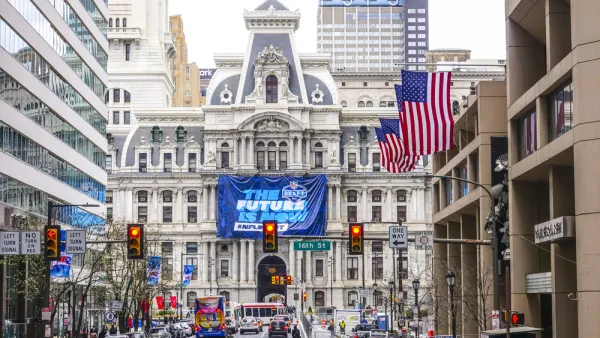
Building Energy Efficiency Program Approved in Philadelphia
Philadelphia has renewed its efforts to improve energy efficiency in non-residential building to contribute to its Paris Climate Agreement commitment.
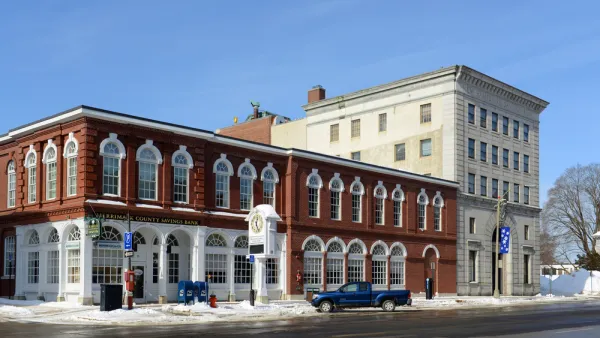
To Reduce Carbon Emissions, Focus on Existing Buildings
Architects are uniquely positioned to reduce global warming, argues the CEO of Urban Green Council—but first they need to rethink their role.

What if the Greenest Building Isn't the One Already Standing?
Renovating old buildings instead of demolishing them as the better "green" option is preservation orthodoxy. But what if the decision between renovation and demolition is less than clear-cut?

Improved Electrical Grids Cut Greenhouse Gas Emissions
Preventing electricity losses makes power generation more efficient. Those efficiencies translate into lower emissions.
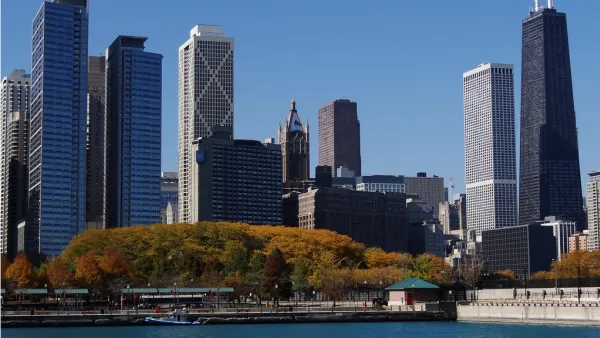
New Energy Rating System for Chicago Buildings
The city will evaluate all buildings over 50,000 square feet and make the energy performance ratings and information easily accessible.

California Takes Step Toward Replacing Gas with Electricity in Buildings
Two weeks after Berkeley became the nation's first city to outlaw natural gas lines in new buildings, the California Public Utilities Commission voted to update an old regulation to allow funding for 'fuel switching' from gas to electric appliances.
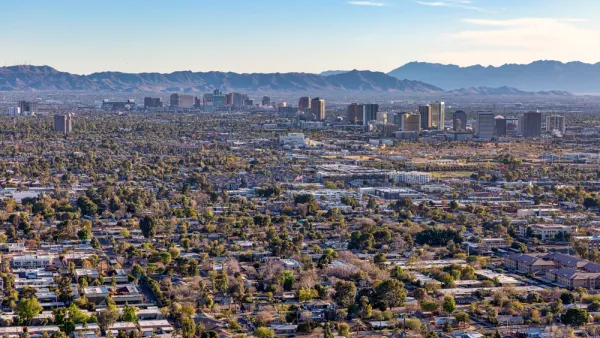
'Green' Houses Come Up Well Short in Phoenix
City inspectors and federal regulators will not be favorably portrayed in this story.
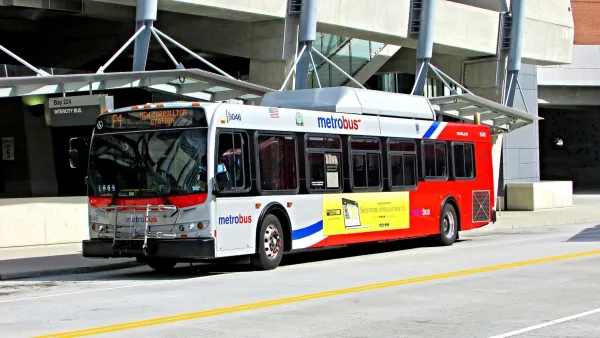
An Energy Efficient Makeover for D.C.-Area Public Transit
D.C. Metro has a plan to reduce carbon emissions and energy consumption by building to LEED green building standards and buying electric buses.

Another Big City Announces Sweeping Energy Plans for Buildings
San Francisco and New York City made a theme of this year's Earth Day: mandating emissions reductions from buildings.

FREE Course: Walkable City 1: Why Walkability?
After describing his path towards focusing on walkability as the essence of good planning, Jeff Speck marches through his five principal reasons for making more walkable places.
Reinventing Malls: Planning Alchemy—Turning Gray Fields Into Gold
The course focuses on the opportunities and imperatives that shape reinvention of mall sites.

City of Rosemead
Rutgers University, Edward J. Bloustein School of Planning and Public Policy
One Hundred Miles
University of Michigan School for Environment and Sustainability (SEAS)
Hunter College, City University of New York (CUNY)
The Architects Foundation
City of Cambridge
The Pocatello Development Authority
The Urban Renewal Agency of the City of Pocatello









