Design

Planning Education: Striking a Better Balance
Planning education and practice fail to recognize the importance of physical design and spatial planning. Randall Arendt diagnoses the root of the disorder and suggests some treatments for returning urban planning to good health.
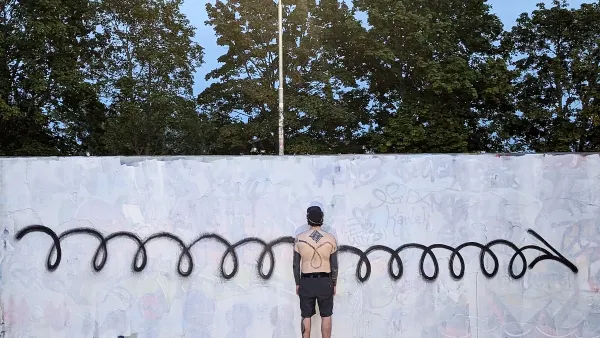
“Skin, Like a City, Will Tell You if You’ve Ignored its History”
Once an urban planner, Sean Colgrave traded in infrastructure for ink when he became a tattoo artist. Now he says: one profession has a lot to learn from the other.

These Bear Safety Signs Illustrate the Impact of Good Design
What makes a sign effective?
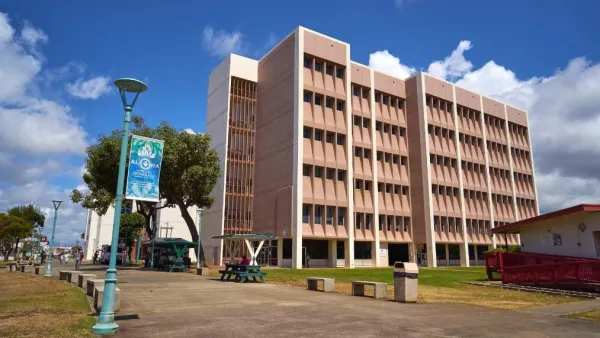
Expanding Access to Design Education at Honolulu Community College
Honolulu Community College’s Architecture, Engineering & Construction Technologies program highlights the role of community colleges in preparing nontraditional students for careers in architectural and construction technologies.

Innovative Water Towers Popping Up in Sweden
Swedish cities are encouraging designers to dramatically reimagine the humble water tower.
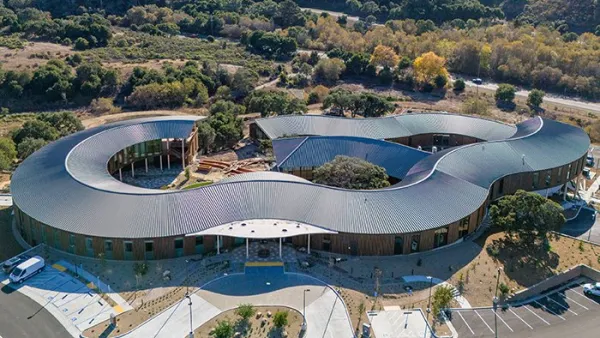
Mental Health Facility Uses Design to Improve Outcomes
Far from the drab and claustrophobic mental health facilities of cinematic fame, Ohana aims to serve patients in an aesthetically soothing, nature-driven environment.
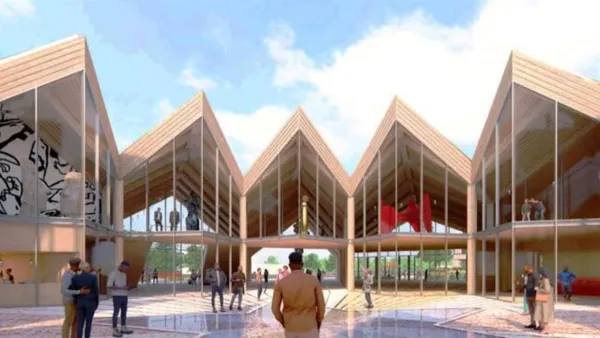
The Best, Worst, and Most Questionable in 2022 Architecture and Design
A list of innovative projects, intriguing design, and flummoxing failures.

New Philly Bike Racks Blend Form, Function, Fire Hydrant Access
The clever designs serve multiple purposes—providing more bike parking while getting cars out of illegal parking spaces.
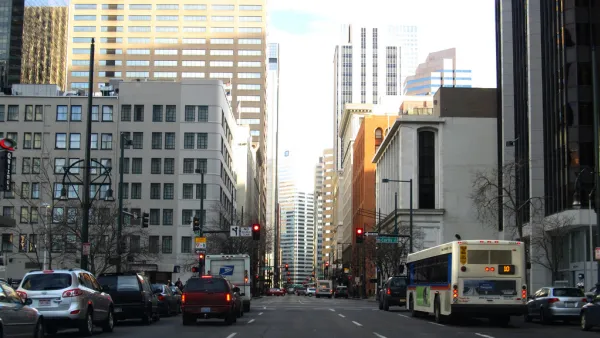
Improving Housing Through Trauma-Informed Design
A growing awareness of the link between the built environment and mental health has led some designers to examine the ways we can make housing feel more safe and welcoming for vulnerable populations.
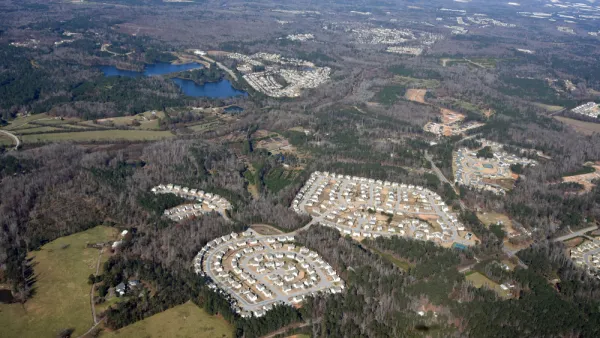
CNU Report Outlines Incremental Steps for More Walkable Suburbs
Transforming suburban sprawl is a massive undertaking, but these small steps can help communities understand their needs and assets and develop clear, actionable goals for the future.

Building Better Multi-Family Housing for Less
New research examines ways multifamily housing costs can be reduced through design and construction decisions.

What Can Brain Science Tell Us About Cities?
Cities are not unlike brains in their capacity to evolve along complex, self-organizing patterns. Studying what some researchers call the "urban connectome" may give us insight into how best to organize the places where we live.

Op-Ed: What Can Be Done About Toronto's Drabness?
After decades of "just-good-enough when it comes to design," now may be the time for Toronto to take steps to upgrade its aesthetics.

Bicycle Architecture Biennale Showcases Exceptional Projects Around the World
The second biennale in Amsterdam highlights design and infrastructure projects that put biking front and center.

Op-Ed: Good Design Isn't Just for Downtowns
Richard Driehaus attests to the importance of intentional, context-oriented design on the neighborhood level.
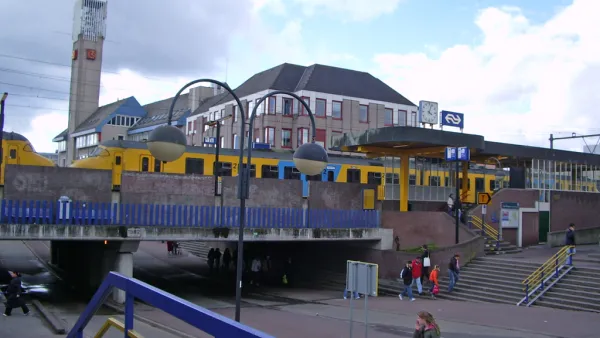
The Trains of the Future Could Provide Much More Than Mobility
Renderings of Dutch trains imagine a variety of seating styles for a variety of activities, including working, socializing, and relaxing.
A Peek into Gensler's Creativity Boosting Workshop
A recent Gensler workshop to brainstorm the design process reaffirms the importance of design charrettes, idea sharing, or brainstorming for every project, writes San Diego Gensler Design Director Marin Gertler.

A Showcase of Innovative Climate Change and Resiliency Design Projects
A competition in the San Francisco Bay Area highlights projects considering new ways to design for impending environmental changes.

Designing Houses to Survive Wildfires
Houses that aren't vulnerable to embers blowing in the wind, could save the government and homeowners millions.
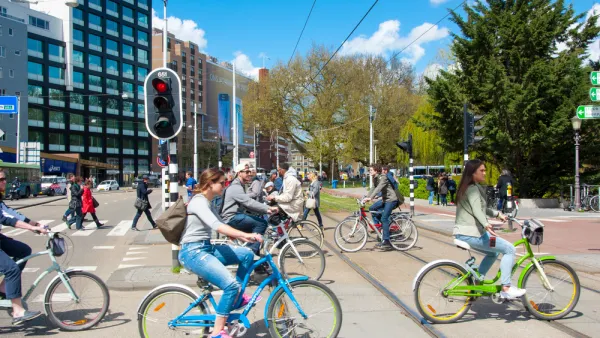
Learning from Europe
European cities tend to be more walkable and transit-accessible—perhaps because they get the three Ds right (density, diversity, and design).

FREE Course: Walkable City 1: Why Walkability?
After describing his path towards focusing on walkability as the essence of good planning, Jeff Speck marches through his five principal reasons for making more walkable places.
Reinventing Malls: Planning Alchemy—Turning Gray Fields Into Gold
The course focuses on the opportunities and imperatives that shape reinvention of mall sites.

City of Rosemead
Rutgers University, Edward J. Bloustein School of Planning and Public Policy
One Hundred Miles
Hunter College, City University of New York (CUNY)
The Architects Foundation
University of Cincinnati Online
Montrose County
The Pocatello Development Authority
The Urban Renewal Agency of the City of Pocatello









