New research examines ways multifamily housing costs can be reduced through design and construction decisions.


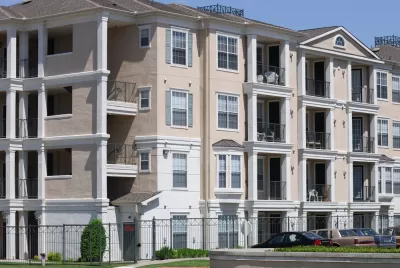
Hannah Hoyt discusses findings presented in a working paper about design and construction costs related to multifamily housing. Hoyt conducted a series of interviews with multifamily housing experts about anticipating and addressing cost challenges and ways to implement cost-reduction strategies.
"Developing on oddly-shaped lots, spending more upfront to understand site conditions, integrating general contractors into design conversations, devoting design attention to unit layout and proportions, and investing upfront in building energy performance: these strategies cut across planning, design, and construction phases, offering a range of opportunities for teams to save time and control costs," says Hoyt.
She says that this research also indicates that there is no single solution for multifamily housing. Instead, a combination of strategies is necessary to reduce control and time costs, and these discussions need to be part of the planning process.
"While many of these strategies are common best practices within the design and construction disciplines, they are less frequently discussed in planning and policy conversations," concludes Hoyt.
FULL STORY: MORE FOR LESS?: HOW DESIGN AND CONSTRUCTION DECISIONS CAN (AND CAN’T) ADDRESS MULTIFAMILY HOUSING COSTS


Indianapolis rents grew by 30% since 2020
The metro area has a shortage of roughly 137,000 affordable homes for the lowest-income households.
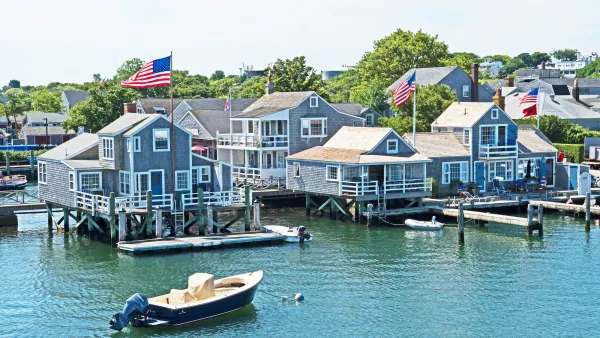
In Nantucket, where over half of homes are for seasonal use, workers struggle to find affordable housing
The island is short roughly 892 to 1,081 rental units.
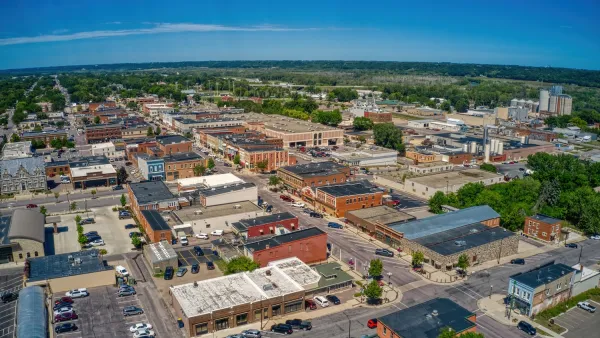
Instead of Restricting Development, One Minnesota City Just Approved Flurry of ‘Experimental’ Housing Types
New Ulm leaders are approving multiple projects including tiny homes, apartments, and ‘shed homes’ using Planned Unit Developments to move projects forward faster.

Planetizen Federal Action Tracker
A weekly monitor of how Trump’s orders and actions are impacting planners and planning in America.

The state-sanctioned urbicide of Austin
People don’t kill cities. Freeways do.

US to reduce Colorado River water deliveries to Mexico
A new Colorado Treaty amendment reduces Mexico’s Colorado River water allocation by 250,000 acre feet.

5 New England states march closer to 800 megawatt wind energy project
Securing federal approval for the project may be complicated under the Trump administration, which has historically been hostile towards domestic wind power.

Baltimore to break ground on $50 million Transit Priority Project
The project will bring faster bus trips, safer streets and better bike connections to Baltimore.

Airbnb launches $250 million 'last-dollar financing' housing accelerator, makes first investment in Austin
The company will put $6.4 million towards affordable housing development in Texas’ capital.

FREE Course: Walkable City 1: Why Walkability?
After describing his path towards focusing on walkability as the essence of good planning, Jeff Speck marches through his five principal reasons for making more walkable places.
Reinventing Malls: Planning Alchemy—Turning Gray Fields Into Gold
The course focuses on the opportunities and imperatives that shape reinvention of mall sites.

Eagle County Government
Harvard University Graduate School of Design
Nashville Planning Department
The Architects Foundation
University of Cincinnati Online
The Pocatello Development Authority
The Urban Renewal Agency of the City of Pocatello
Journal of the American Planning Association