Crime

Chicago's Black Residents Continuing to Leave the City
The Census shows that black residents are leaving Chicago and the surrounding areas. Many tie the trend to disinvestment in black neighborhoods, including the closings of schools.

Research: Gentrification Follows Falling Crime
It isn't exactly a surprising correlation: gentrification and decreases in crime. This research finds that falling crime often precedes gentrification, not the other way around.
High Hopes for New Developments in the Chicago Neighborhood of Englewood
Chicago's Englewood neighborhood recently saw the opening of a Whole Foods, Starbucks, and other retailers in a bit of a good news, for a neighborhood that's challenged by low employment and high violence.

Indianapolis Installing New Streetlights for the First Time in 35 Years
Indianapolis officials including Mayor Joe Hogsett gathered this week to celebrate the installation of the city's first new streetlight in 35 years.

Study: Street Lights Don't Reduce Crime
Pacific Standard shares news of a study that debunks a long-held assumption of public safety.
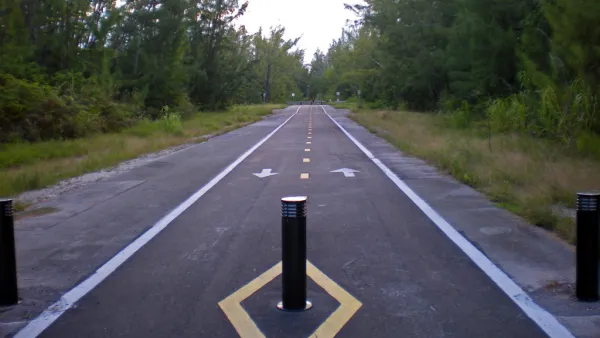
A Chicago Bike Path Goes Underused
While a federally-funded network of bike paths is in the works elsewhere in the city, the Major Taylor Trail gets little use from Chicago residents. The main problems are a lack of awareness and the South Side's fearsome reputation.

Anchorage to Renovate a Prominent Public Space in the Name of Public Safety
A popular public meeting space in downtown Anchorage faces renovations due to claims of illegal activity. A now defunct water fountain feature has created conditions that some believe are unsafe with a need for more eyes on the street.

Leaving Chicago
Why are folks fleeing from the city and the state in record numbers? Is domestic migration to blame for the Chicago region's population loss last year of over 6,000 and the state's loss of over 22,000 people?
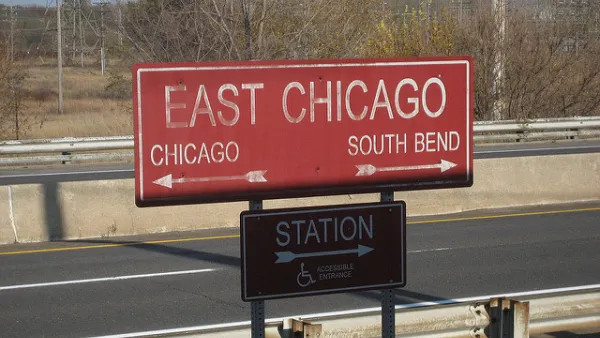
A Black Exodus from Chicago
Black residents of Chicago are leaving for cities like Atlanta in massive numbers—away from the waves of crime tearing apart their hometown.
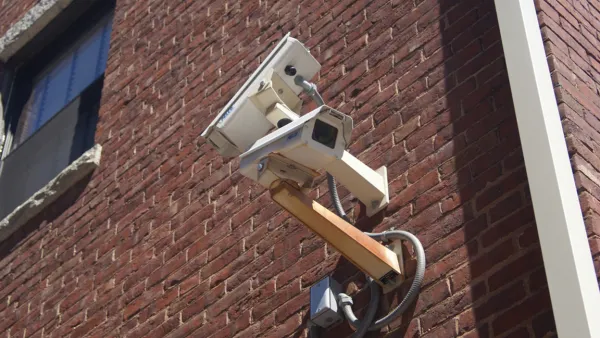
Op-Ed: Facial Recognition on Transit Goes a Step Too Far
Despite its insistence that the technology would only target criminals, Dallas Area Rapid Transit (DART) should reconsider using facial recognition software to address crime. The potential for abuse may be too high.
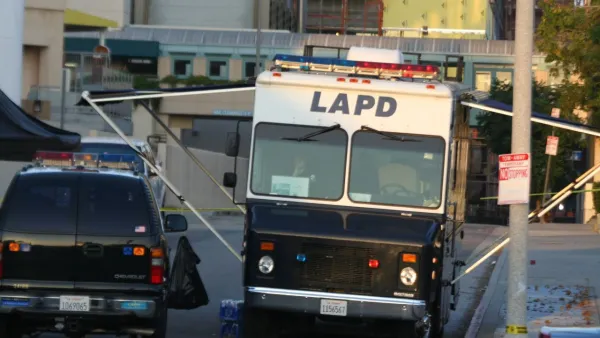
Still Gritty: Crime Wave in Downtown Los Angeles
As people and jobs stream into the district, downtown's long-simmering problems butt up against vigorous urban renewal. Crime is up, but so are property values.
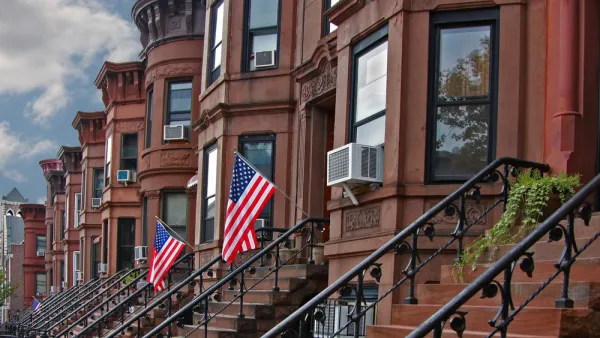
Friday Funny: The Onion Discovers New Gentrification Indicators
The satirical site The Onion has been consistently roasting the contemporary conversation about urban living.
San Francisco Mayor Ed Lee Pushing for Speed Camera Legislation
If Lee has his way, San Francisco will join other cities like New York, Chicago, and Washington, D.C. by employing speed cameras to issue citations to offending motorists in school zones. But first he needs to find a legislator to draft a bill.
Happy Hour Anyone? Mapping Liquor Licenses and Crime in Dallas
Questions of how to regulate the sale of alcohol, how to enforce public intoxication, and whether or not alcohol leads to crime can quickly divide communities into factions. So what evidence exists to help cities answer these questions?
Boxing Gyms in Shrinking Cities: Refuge for the Formerly Incarcerated
Sociologist Lucia Trimbur describes how urban boxing gyms provide an opportunity for a particularly vulnerable population, formerly incarcerated men of color, to "recover from detention and establish stability in the free world."
After Tragedy: Reject the 'Ready Made' Narratives of Urban Decline
G.M. Donley pens an impassioned plea to reject "ready made" narratives about the decline of Cleveland Heights, an inner suburb of Cleveland, after the murder of local bar and restaurant owner Jim Brennan.
Ranking America's Safest Suburbs
Movoto Real Estate figured it was time to see just which suburbs can still claim to be safer than their big city neighbors.
After the Drug War: Ciudad Juárez Working to Attract Visitors
The murder rate in Ciudad Juárez is in sharp decline: from 3,075 in 2010 to 487 in 2013. Juárez officials are launching initiatives to revitalize the city and attract visitors from across the border in Texas and New Mexico.
Correlating Driving Misbehavior with Crime
Is there a correlation between running red lights and more violent crime like robberies and homicide? Gabe Klein, Chicago's distinguished outgoing transportation commissioner, thinks so. It's been dubbed "the broken windows effect."
Low Crime Rates In Large Cities Support Multi-Modal Planning and Smart Growth
Contrary to popular assumptions, large, transit-oriented cities have lower crime rates than smaller, automobile-oriented cities. Jane Jacobs was right! This column discusses this phenomenon and its implications for transport and land use planning.

FREE Course: Walkable City 1: Why Walkability?
After describing his path towards focusing on walkability as the essence of good planning, Jeff Speck marches through his five principal reasons for making more walkable places.
Reinventing Malls: Planning Alchemy—Turning Gray Fields Into Gold
The course focuses on the opportunities and imperatives that shape reinvention of mall sites.

KFH Group Inc.
Greater Baltimore Committee
Eagle County Government
The Architects Foundation
University of Cincinnati Online
The Pocatello Development Authority
The Urban Renewal Agency of the City of Pocatello