Crime

Infrastructure Investment for Public Safety: Lessons from Medellín
A natural experiment in Medellín indicates that infrastructural investments can reduce crime and improve perceptions of public safety.

Big Cities Aren't as Bad as People Think
Paul Krugman argues that the pervasive myth of cities as crime-ridden cesspools harms democracy and creates a false contrast between urban and small-town America.
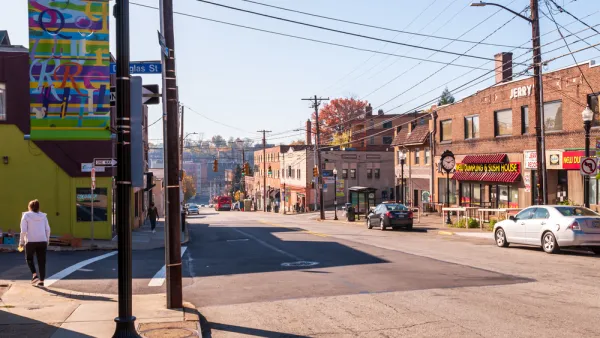
Another Fun Neighborhood Analysis Toy
A Trulia feature offers lots of interesting information about neighborhoods (or at least about how their residents perceive them).
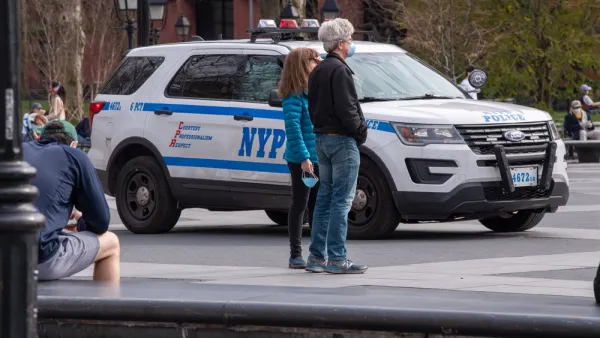
Which Cities Are Becoming More Violent?
Some cities have become significantly more violent since the George Floyd protests began—but not all. Why have some cities been more successful than others?
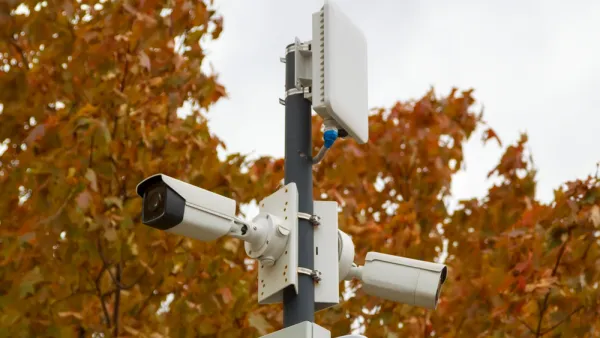
Use of Private Surveillance Grows With the Help of Cheap AI Tech
As the technology gets cheaper, AI surveillance systems are gaining popularity in some parts of the country, like the neighborhood of Magnolia in Seattle.

LAPD is Looking for 5,000 Volunteers to Help Police Neighborhoods
The Los Angeles Police Department is looking to recruit 5,000 volunteers to run stake outs and "undercover surveillance," along with other police activities.
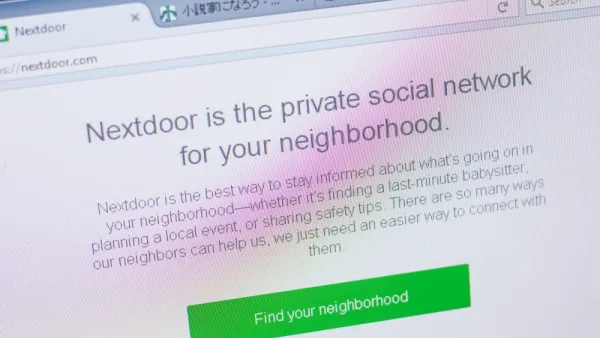
Neighborhood-Based Apps and the Socialized Fear of Crime
Violent crime is at the lowest rate in decades, but don't tell that to the people who use neighborhood-based apps like Nextdoor, Citizen, and Neighbors.

Preventing Crime, One Park at a Time
Deborah Marton, executive director of the New York Restoration Project, connects parks and open space to improved public safety.

Birds of Passage: Quantifying Jacobs's Gloom
While the debate continues unabated on the influence of the physical and land use characteristics of a city on crime, a critical aspect is left out: resident transience. Jacobs took notice and feared its negative influence. Was she right?
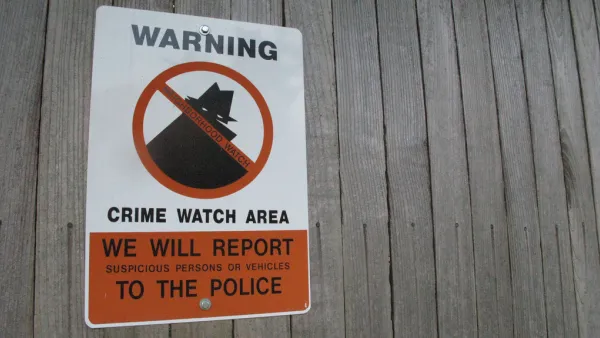
Op-Ed: Seattle Should Do More About Crime in Business Districts
To combat a rash of incivility and outright criminal acts, three Business Improvement Area directors argue that Seattle needs to commit more law enforcement resources to business districts.
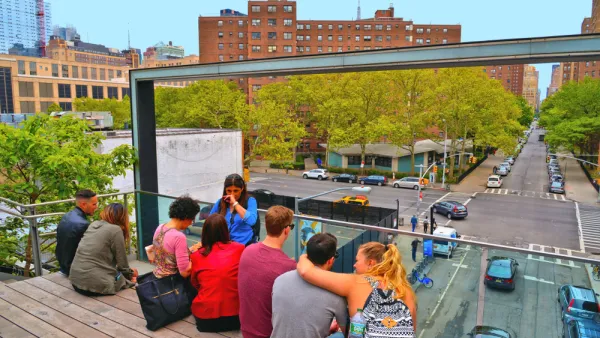
The View from Hudson Street—With Thoughts on Science and Orthodoxy
Anecdotal evidence isn't enough to make claims about the connection between density and crime, but the planning orthodoxy does so anyway.
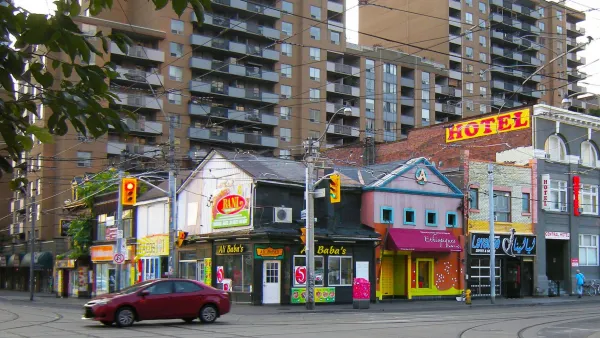
Eyes from the Street – A Finer Filter
Evidence described here suggests that urban design for "eyes on the street" is not enough to lower crime.
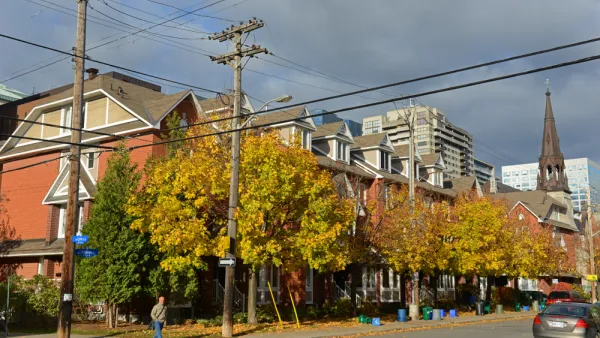
Eyes from the Street: The Neighbourhood Fabric that Matters
The mantra “eyes on the street" focuses on the physical and functional traits of urban fabric but fails to explain the high crime rate of my Jacobsian neighbourhood. Time to reconsider, look for explanations, and exchange mantras for research.
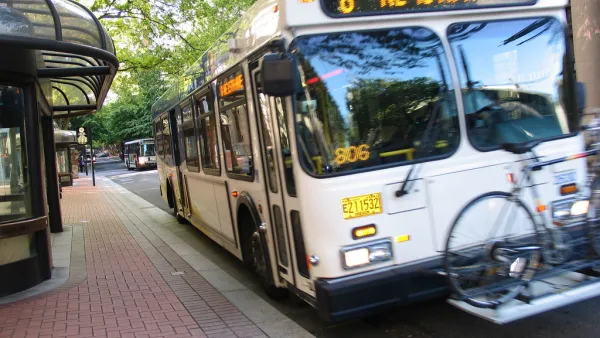
Portland Lowers Penalties for Fare Evasion
Fines will be waived for low-income riders, among other changes aimed at bringing "fairness and equity" to TriMet's enforcement system.

Where Mass Shootings Happen
It's tempting to try to find a link between sites of mass shootings, but data shows they happen in all types of American communities.
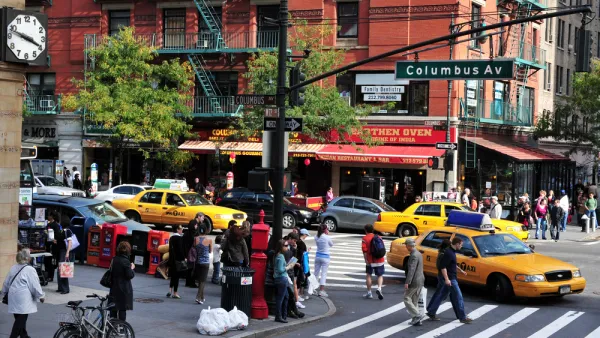
Falling Crime Rates Have Changed American Cities
The drop in crime in cities has extended American life expectancies, especially those of black men, and brought more wealthy people into urban areas.
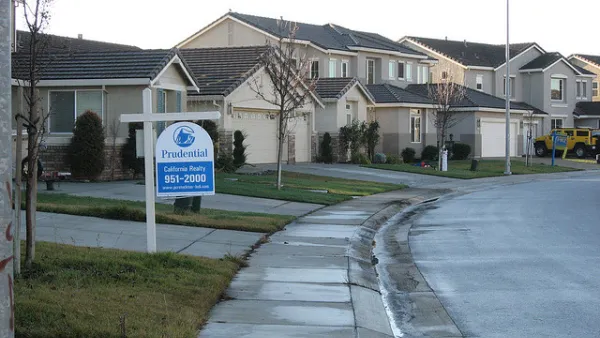
Distressed Suburbs Struggle to Recover From Decade-Old Recession
Located primarily in the western states, some suburbs were hit hard by the 2008 recession and still haven't recovered. Many have seen an influx of low-income residents and upticks in crime.
Study: Nonprofits, Ordinary Citizens Played Major Role in Crime Decline
As many wonder whether the nation's multi-decade crime decline will continue, research suggests that community groups and local nonprofits have played a larger role in that story than they're given credit for.

Study Sheds Light on the Effect of Streetlights on Crime
A study of the neighborhood and streets in the city of Houston finds that streetlights aren't always an effective crime deterrent.

Study: 'Eyes on the Street' Have Real Value for Neighborhood Safety
The first study to make an attempt at quantifying the value of "eyes on street"—an idea most eloquently described by Jane Jacobs—offers reason to support a mix of uses, with businesses operating later in the evening.

FREE Course: Walkable City 1: Why Walkability?
After describing his path towards focusing on walkability as the essence of good planning, Jeff Speck marches through his five principal reasons for making more walkable places.
Reinventing Malls: Planning Alchemy—Turning Gray Fields Into Gold
The course focuses on the opportunities and imperatives that shape reinvention of mall sites.

KFH Group Inc.
Greater Baltimore Committee
Eagle County Government
The Architects Foundation
University of Cincinnati Online
The Pocatello Development Authority
The Urban Renewal Agency of the City of Pocatello