Commercial Districts
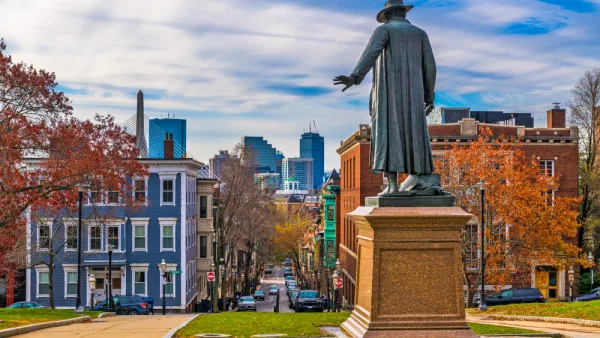
Saving Walkable Urban Places
A few key changes can help downtowns out of the ‘urban doom loop.’
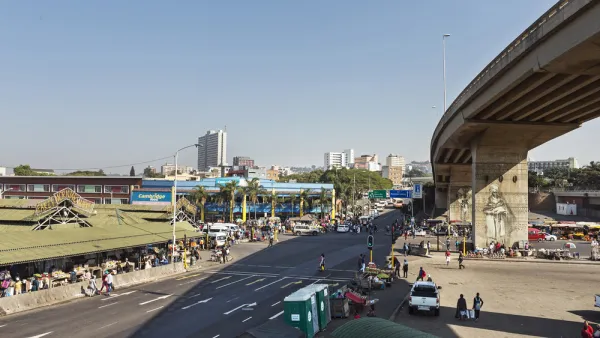
6 International Models of Urban Revitalization
The New York Times recently published an article exploring six cities from around the world reinventing themselves for the 21st century: Paris, Sydney, Medellin, Lisbon, Singapore, and Durban.
A Struggling Commercial District Searches for Opportunity in Crisis
A commercial district in a wealthy part of Washington, D.C. is shedding high-profile businesses. A reboot is in order, according to local business owners and political leaders.
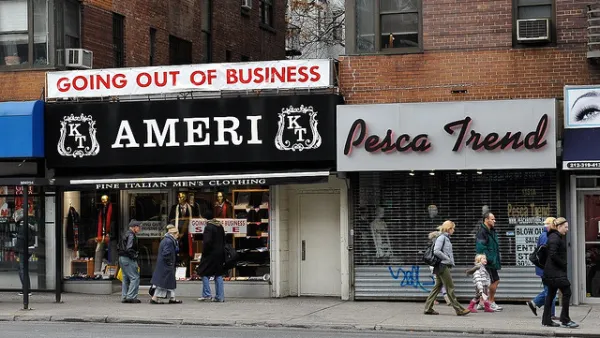
Planning Department Study Documents Storefront Vacancy in NYC Neighborhoods
A new report from the New York Department of City Planning has found that storefront vacancy may not be a one-answer citywide problem. Vacancies were found to be concentrated in certain neighborhoods, and the reasons appear to be varied.
Albany, New York, Putting Finishing Touches on Comprehensive Zoning Reform
Earlier this week, Albany Mayor Kathy Sheehan sent a draft of the city's new Unified Sustainable Development Ordinance to the city's Common Council.
The End of Manhattan's Music Row
The changes sweeping New York City include the end of Manhattan's Music Row.
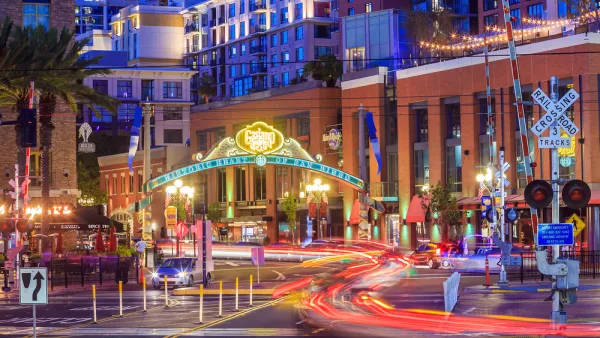
Land Use Planning to Activate Downtown Nightlife
The Arlington County, Virginia downtown district of Rosslyn will provide the region's latest case study of a commercial district leveraging land use regulations to activate a dormant nightlife.

99-Cent Stores: the Weed of the Urban Commercial Environment
A proliferation of 99-cent stores in the Woodhaven neighborhood in Queens has strangled the commercial offerings in the neighborhood. But can residents or the local business improvement district do anything about the trend?
Placemaking in Communities of All Sizes
A new article from Smart Growth America portrays the successes of placemaking in communities as diverse as Soldotna, Alaska (population 4,163), Orlando, and Philadelphia.
The Art of Balancing Retail
Diversity is important to neighborhood commercial areas, but getting the right balance of retail and restaurants without disincentivizing the former is not so simple.

FREE Course: Walkable City 1: Why Walkability?
After describing his path towards focusing on walkability as the essence of good planning, Jeff Speck marches through his five principal reasons for making more walkable places.
Reinventing Malls: Planning Alchemy—Turning Gray Fields Into Gold
The course focuses on the opportunities and imperatives that shape reinvention of mall sites.

One Hundred Miles
County of Mendocino
planning NEXT
The Architects Foundation
University of Cincinnati Online
Montrose County
Northern Illinois Transit Authority (NITA)
The Pocatello Development Authority