Affordability

Report: D.C. Metro Area Still Needs More Housing
Despite a downtown construction boom, housing is still scarce across the Capital Region. And nearly two-thirds of new homes built since the year 2000 have been single-family structures.

How the Middle Class Is Faring on Housing
While the middle class does not face the same kind of nationwide affordability crisis as low-income populations, geography and demographics are placing new stress on middle-income households.

How One Town Solved its ADU Regulation Challenges
Against opposition, the town of Durango, Colorado has successfully found a way to permit accessory dwelling units and legalize those that already existed under the radar.

Shared-Equity Homeownership: A Primer
Alternative models of homeownership involving shared equity may be able to offset the urban housing crunch. They include the subjects of this discussion: community land trusts and housing co-ops.

Road Pricing Equity Report and Toolkit
A new report and toolkit helps policymakers and equity advocates apply comprehensive analysis to road pricing, considering affordability, accessibility and community health, and identifies way to achieve equity goals through pricing reforms.
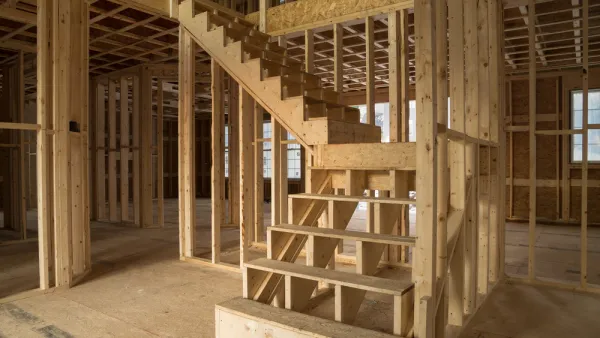
Denver Condo Project Aims for 'Permanent Affordability'
More often the province of rental housing, affordability policies are limited in the for-sale market. A partnership in Denver aims to change that with a mixed-use project including at least 86 condos destined to be "permanently affordable."

Democratic Presidential Contenders May Elevate Housing Policy
Housing measures fared well in the 2018 election, and it's likely that Democratic contenders for the presidency in 2020 have taken notice and will boost those issues in their campaigns.
Is Residual Income a Better Metric for Housing Affordability?
The common metric for measuring housing affordability—whether households pay more than 30 percent of their income on shelter—has its downsides. Looking at residual income offers more precision in some respects.
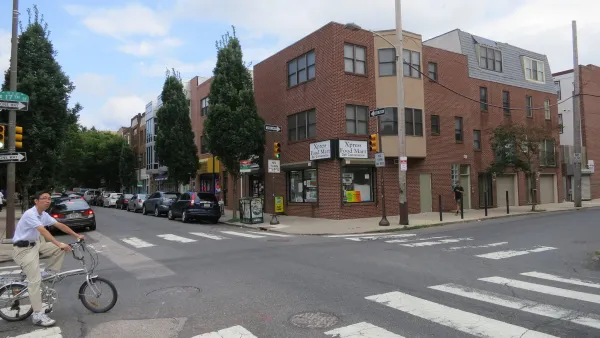
Dynamic Planning for Affordability
Conventional planning is static, designed to lock in existing land use patterns. We need more dynamic planning to respond to changing household needs and community goals.
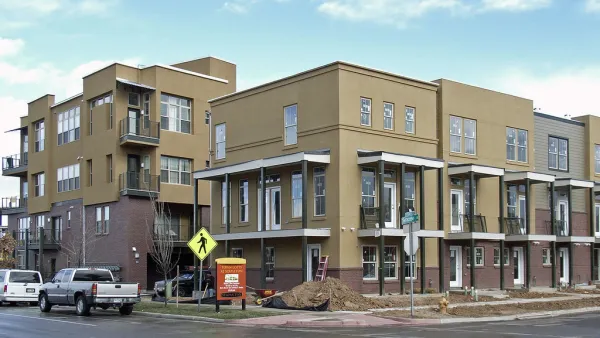
For Less Displacement, Build More Housing
New research finds lower displacement rates in neighborhoods with more new housing development. Slowing or stopping new development has the opposite of the desired effect, constricting housing supply, driving up rents, and displacing residents.
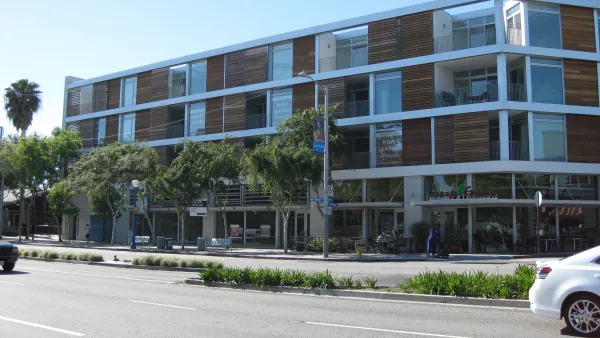
Affordability Trade-offs
Strategies for increasing affordability often involved trade-offs between various goals and impacts. It is important to consider all of these factors when evaluating potential solutions to unaffordability.

San Diego Not Even Close to Meeting Permanent Housing Goals for Homeless
The city’s new $6.5 million "bridge shelters" are providing a place to stay, but not accomplishing what they set out to do.

California Getting Way More New Jobs Than New Housing
Even with tons of building permits already issued this year, the outlook for the state’s affordability crisis is pretty grim.
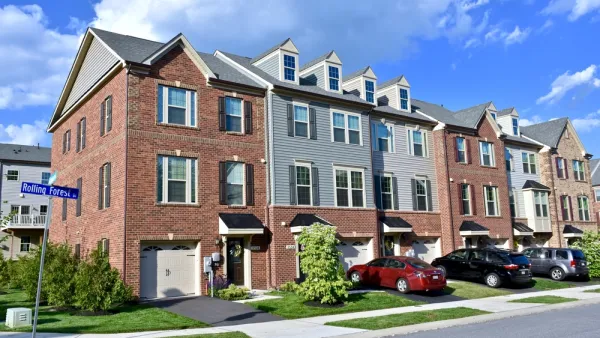
On the Do's and Don'ts of Housing Policy
Brookings has put together nine rules for more cohesive and effective housing policy, despite federalism's tendency to create near-infinite local variety.

Understanding Location-Efficient Affordability Impacts
A recent study suggests that families save little by moving to location-efficient neighborhoods. There are good reasons to be skeptical of that conclusion.
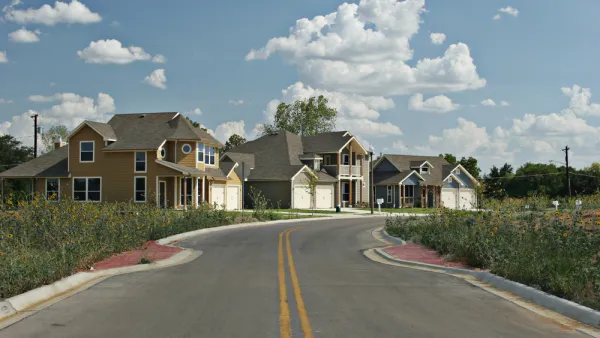
True Affordability: Critiquing the International Housing Affordability Survey
The International Housing Affordability Survey is biased in ways that make urban-fringe housing seem more affordable and infill seem less affordable. Anybody who uses this analysis should be warned.
True Affordability: Critiquing the International Housing Affordability Survey
The International Housing Affordability Survey rates affordability in selected urban regions. Although presented as objective research, the IHAS is actually propaganda. Users of this information should be warned about its biases

Atlanta BeltLine Raises the Specter of 'Environmental Gentrification'
Large-scale adaptive reuse projects like the BeltLine in Atlanta receive praise in many circles. But they can also release a flurry of speculation, severely threatening affordability.

Coming to Terms With the Bay Area's Housing 'Death Spiral'
Prospects for solving the Bay Area's severe housing shortage look far off. Action on the state level may be one way to approach this crippling collective action problem.

Houses Appreciate. Cars Depreciate. Walkable Urban Neighborhoods Help Families Build Wealth.
Walkable urban neighborhoods tend to have more expensive housing but cheaper transport. By shifting spending from vehicles to housing a typical household can build a million dollars in additional equity by choosing a Smart Growth location.

FREE Course: Walkable City 1: Why Walkability?
After describing his path towards focusing on walkability as the essence of good planning, Jeff Speck marches through his five principal reasons for making more walkable places.
Reinventing Malls: Planning Alchemy—Turning Gray Fields Into Gold
The course focuses on the opportunities and imperatives that shape reinvention of mall sites.

City of Thousand Oaks
City of Wisconsin Rapids
Harvard University Graduate School of Design
The Architects Foundation
University of Cincinnati Online
The Pocatello Development Authority
The Urban Renewal Agency of the City of Pocatello