Social / Demographics
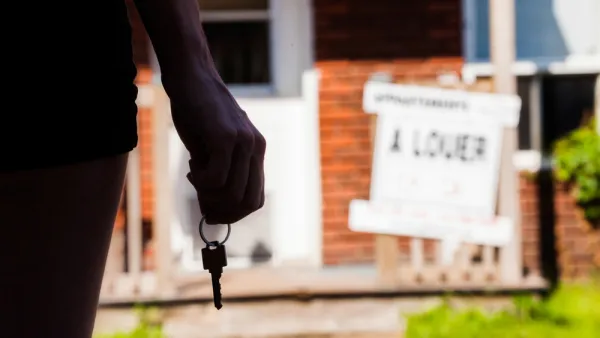
Strengthening the Safety Net With Universal Housing Assistance
The Urban Institute simulated a model to predict the cost of a universal housing assistance program to support those who face homelessness.

Does Dispersion Help?
Only 7 percent of U.S. residents live in the nation's largest metropolitan area (New York). Has that made coronavirus less deadly?
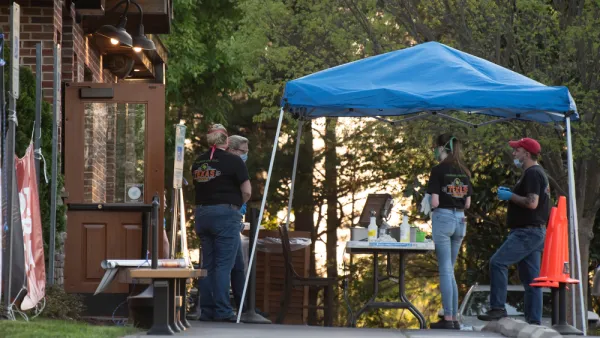
A Rare Chance for Urban Innovation
The realities of social distancing are allowing for innovations and experimentations with real opportunities for long-term benefit in cities, according to an article by Allison Arieff.
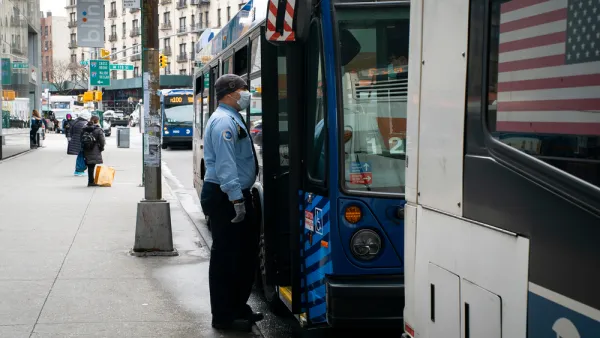
Race, Planning Intersect as the Coronavirus Kills Black and Latino Americans at Higher Rates
Black and Latino Americans in the United States are dying from COVID-19 at a much higher rate than whites. The foundation for the tragedy has been laid for decades.

Disaster Gentrification and COVID-19
Disaster gentrification is a widely documented phenomenon, like in New Orleans after Hurricane Katrina. The coronavirus and the resulting economic downturn could have similar consequences.

Will the Coronavirus Spare Rural America?
Many counties throughout the nation have recorded no deaths from COVID-19. A perception exists that population density is responsible for the massive death toll in New York and New Jersey and that exurban and rural counties may be spared.
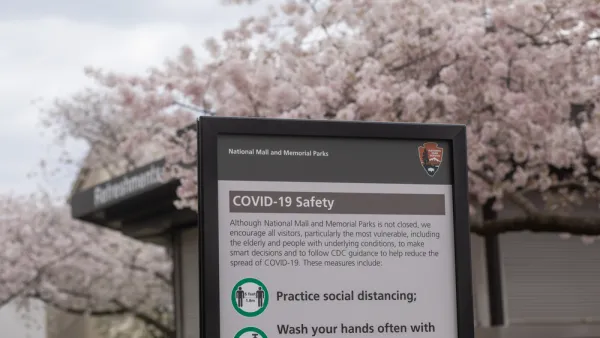
The Geography of Occupations: Some Neighborhoods Will Suffer More Than Others Under COVID-19
Census Bureau data shows we live near people with similar occupations, and right now frontline jobs are riskier for both health and economic well-being than working from home.
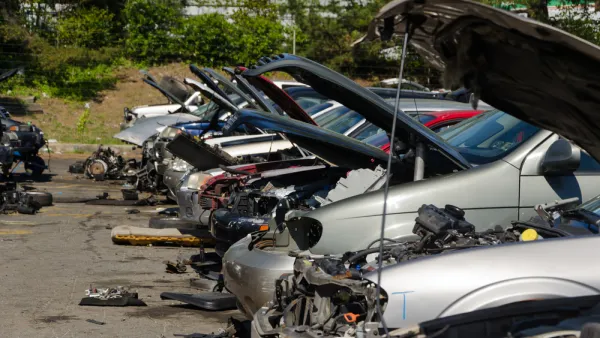
California Car Collision Rates Decline After Shelter-in-Place Mandates
A hopeful forecast predicts that thousands of monthly traffic collisions will be avoided due to reduced vehicular travel during California’s shelter-in-place period.
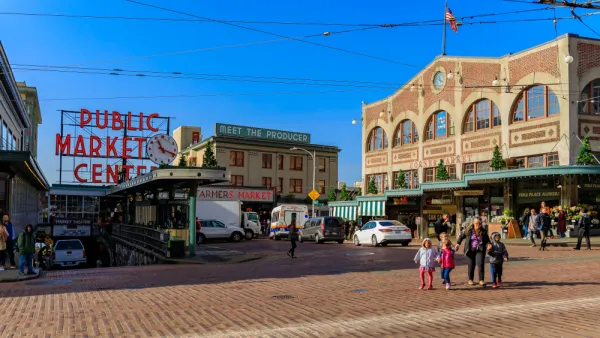
Project For Public Spaces Launches Initiative to Improve Marketplaces Worldwide
Project for Public Spaces' Market Cities Initiative seeks to understand and addresses challenges faced by the public marketplaces to improve market infrastructure and promote healthy food systems in local communities.
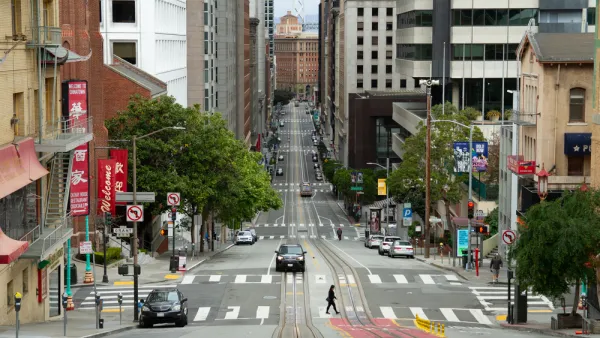
Contrasting the Coronavirus Impact in the Bay Area to New York City
Early intervention, or population density? NPR reporters based in the Bay Area and New York City offer explanations as to why the two regions are seeing such a wide contrast in experiences during the coronavirus outbreak.
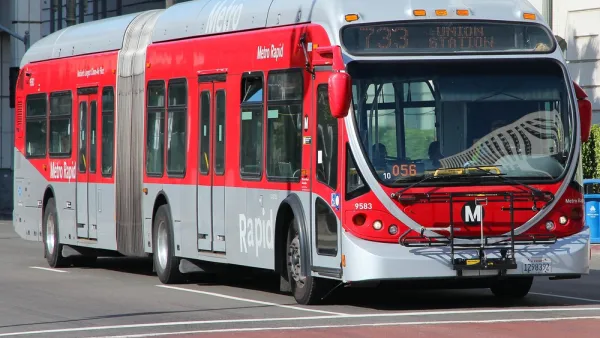
Causes of the Pre-COVID Decline in Bus Ridership
Even before the effects fo the coronavirus pandemic drastically reduced ridership, transit riders were declining in cities across the country. The reasons for the downward trend were varied.
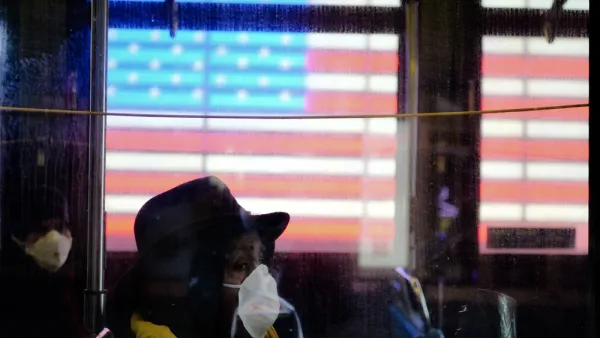
How Coronavirus Could Worsen the Racial Wealth Gap in the United States
The impact of coronavirus on unemployment and healthcare is predicted to affect black and Latinos at a disproportionate rate, raising questions about what can be done to ease the suffering and close the racial wealth divide in America.

Location Data Reveals Inequities of Coronavirus Response
More affluent people in the United States tended to stay at home sooner, and much more consistently, than low-income Americans according to location data tracked on mobile phones.

Stoops as a Respite in These Challenging Times
As New York City has shut down and people remain physically isolated, stoops provide spaces where residents can safely connect with others and the city itself.

Louisiana Municipalities Go Beyond 'Shelter in Place' with Curfews and Checkpoints
Four parishes and one town in Louisiana, which has the nation's highest COVID-19 per capita death rate, are implementing strict containment strategies that go well beyond the statewide stay at home order to reduce community spread.
Counties in Louisiana, Georgia Lead Nation in COVID Death Rate
All eyes are fixed on New York City, the epicenter of the COVID-19 outbreak with its skyrocketing deaths, but the six counties with the highest number of coronavirus deaths per capita are in two Southern states as of April 1. Manhattan is #7.

How Coronavirus Has Transformed Italy's Urban Spaces
Italy has been hit hard by the pandemic, and slowing the spread of the virus has meant dramatic changes in urban life.

Straight Talk from White House Public Health Experts on What to Expect
The public got to view the models that caused the president on Monday to extend the White House Coronavirus Guideline for 30 days. Dr. Deborah Birx, who led the presentation, emphasized that success will come down to behavior to reduce fatalities.

Drive-Through Coronavirus Testing Promises Not Yet Fulfilled
The number of drive-through testing sites across the country is still low. With continued supply shortages, when and if the situation will change are unclear.

Suppression or Mitigation? The Language of Coronavirus Containment
A report from Imperial College London, viewed as the "gold standard" by British leaders, was instrumental in compelling the U.S. and the U.K. to enact stronger policies to contain COVID-19. But was it too late?

FREE Course: Walkable City 1: Why Walkability?
After describing his path towards focusing on walkability as the essence of good planning, Jeff Speck marches through his five principal reasons for making more walkable places.
Reinventing Malls: Planning Alchemy—Turning Gray Fields Into Gold
The course focuses on the opportunities and imperatives that shape reinvention of mall sites.

City of Charlotte
City of Rosemead
Rutgers University, Edward J. Bloustein School of Planning and Public Policy
University of Michigan School for Environment and Sustainability (SEAS)
Hunter College, City University of New York (CUNY)
The Architects Foundation
University District Partnership









