Social / Demographics
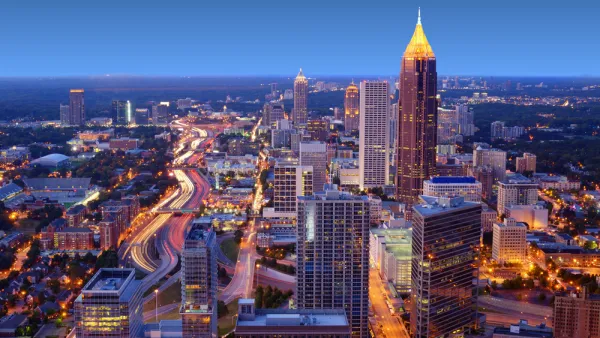
The Winners and Losers of Atlanta’s Transformation
The city has reinvented itself in many ways, but its residents are not reaping those benefits equally.
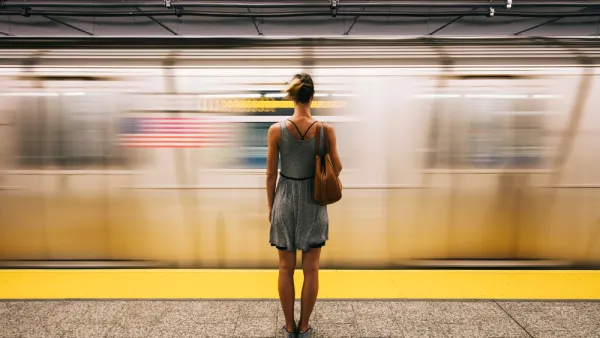
For Transit to Better Serve Women, More Data Needed
Understanding how women use transit does not just help make systems more equitable. It also guides policy and planning changes that benefit all riders.
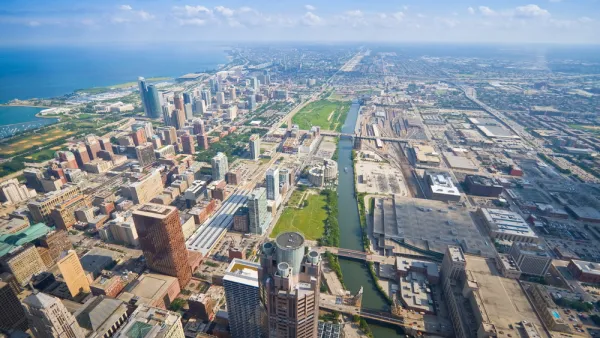
The Impact of Segregation and Disinvestment on Chicago's Black Population
The city is losing black residents, but those who stay are relocating to parts of the city with less transportation access and opportunities.
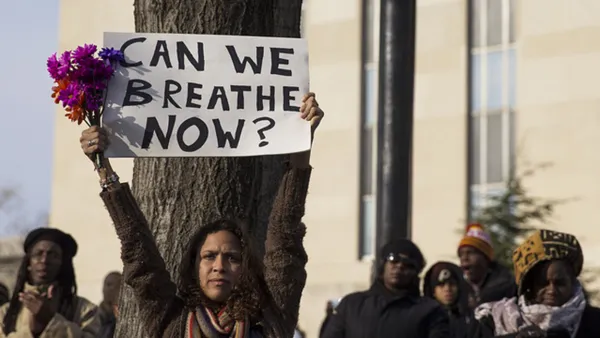
Black Homeownership Climbed in 2019
Black homeownership climbed in 2019, but still lags far behind homeownership rates for the entire country.
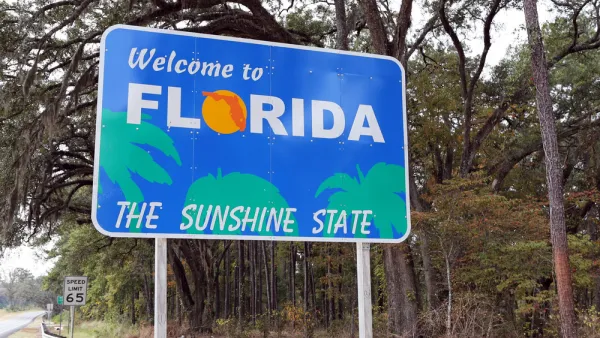
Leaving New York
Data released by the U.S. Census Bureau showed New York with an estimated population of 19.5 million people as of July 1, 2019, making it the fourth largest state in the country, but also showed that New York’s population dropped.
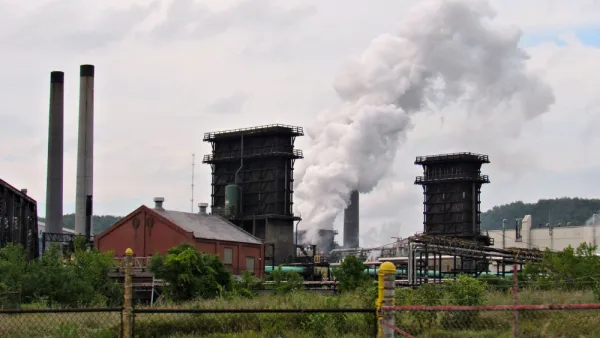
Coming to Terms with the Racist Causes of Pollution
Pittsburgh, Pennsylvania took the dramatic step of officially declaring racism a public health threat. Public policy has yet to mitigate the city's worsening air quality, however.
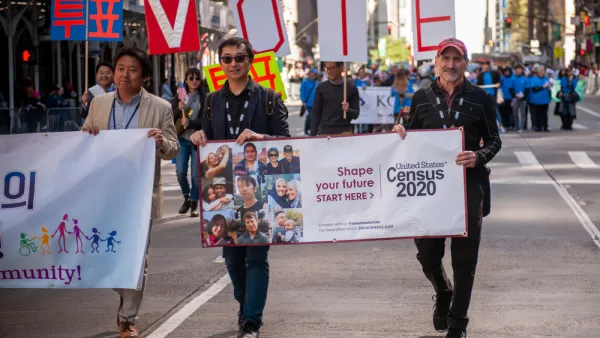
Census Information for Rental Property Owners
There are a number of obstacles and issues related to the 2020 Census enumeration of apartment building residents. This set of FAQs covers “Census Information for Rental Property Owners.”
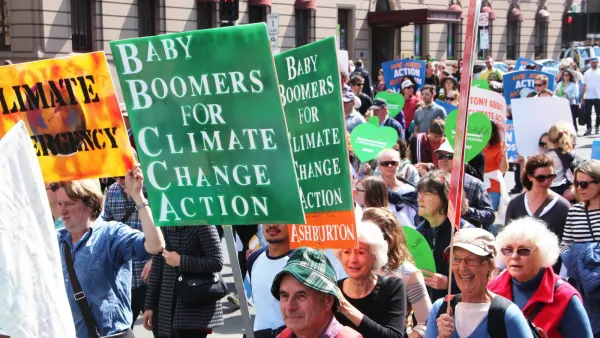
Fewer Baby Boomers Choose Urban Lifestyles Than Previous Generations
Despite appearances and a popular media narrative, Baby Boomers aren't becoming more urban in old age—when compared to previous generations at the same age.

Dog Parks Are Everywhere, but Where Did They Start?
Giving dogs the opportunity to play and socialize without restraint has its roots in the free speech movement in Berkeley, California.
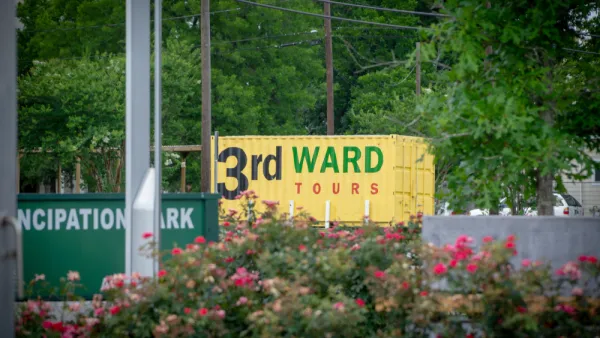
Gentrification in Houston Outpaces Other Texas Cities
Gentrification is transforming Houston faster than Austin, San Antonio, and Dallas, according to the Federal Reserve Bank of Dallas.
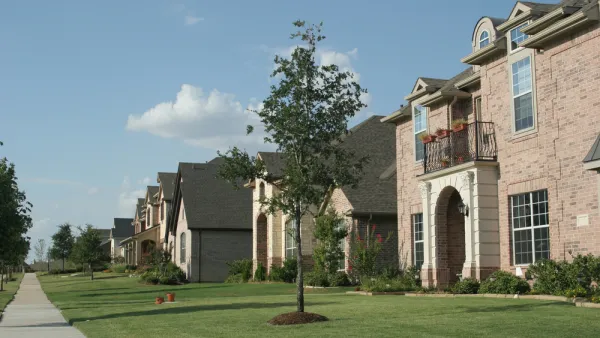
Affordable Housing Challenges in Beltway Suburbs
More people are moving to suburban counties, but a lack of affordable housing in places such as Loudon County, Virginia, means the suburbs are not an option for a growing number of people.
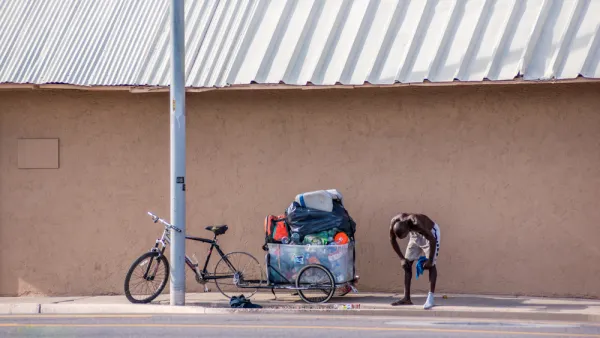
Study Traces the History of Racism and Urban Heat Islands
The people living in urban heat islands are much more likely to be inhabited by low-income people of color, and the roots of the environmental justice issue can be found in planning history.
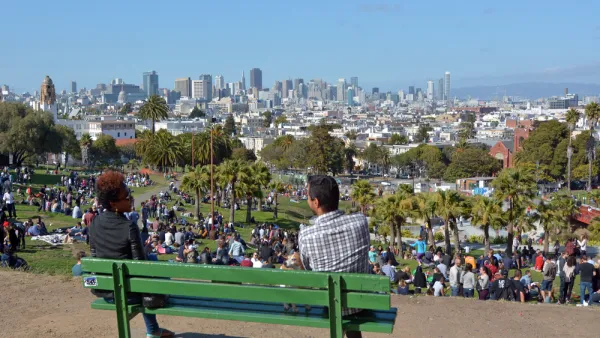
Parks of Inclusion
The people sitting, playing, and enjoying themselves in parks aren't always representative of the population that live in the communities. Here are three examples of parks that succeed at inclusion.
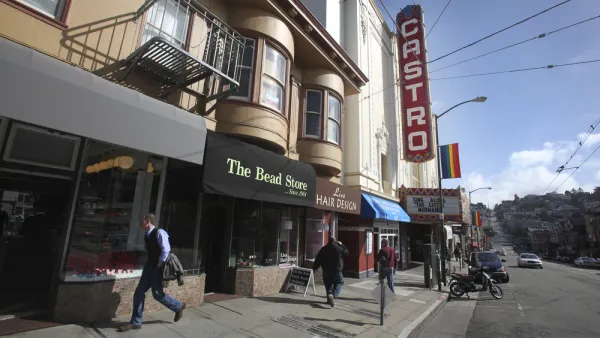
'A Strange, Second-Wave Gentrification' in San Francisco
Vast amounts of tech money have transformed the city's commercial spaces in unexpected ways.
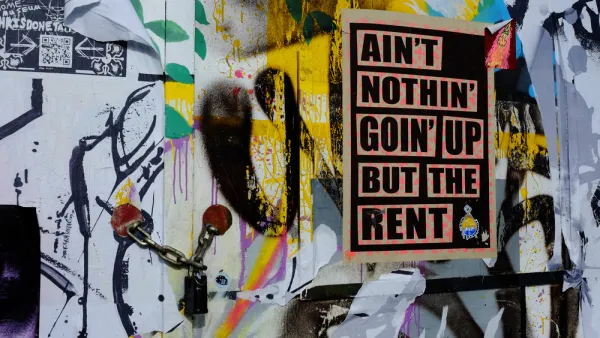
The Rent Gap Theory
Some urbanism commentators suggest that gentrification is the result of a "rent gap" between actual and potential rent. How should this theory affect zoning policy?
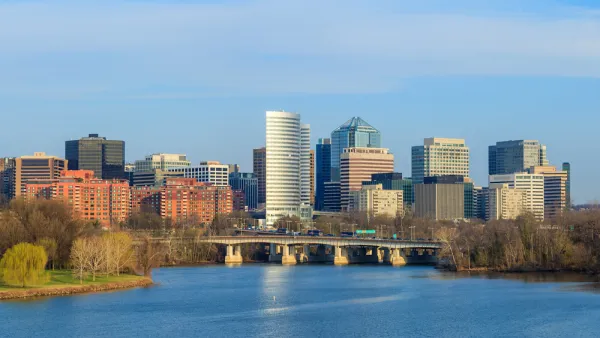
The Far-Reaching Effects of the Housing Crisis
When housing costs are high, lower-income residents are not the only ones who end up struggling.
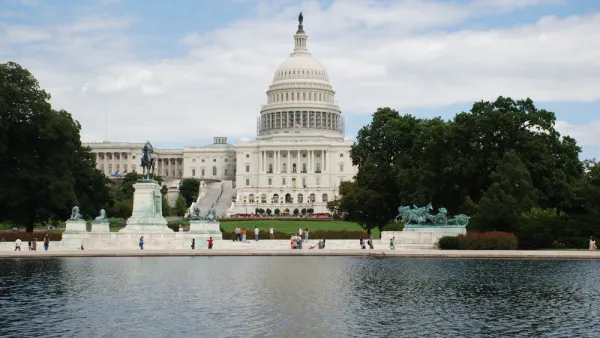
States to Gain and Lose Congressional Districts After Census Identified
A reapportionment of House of Representatives will begin when the results of the Census 2020 have been finalized. A new analysis indicates that ten House seats will likely shift from the Northeast and Midwest to the West and South.
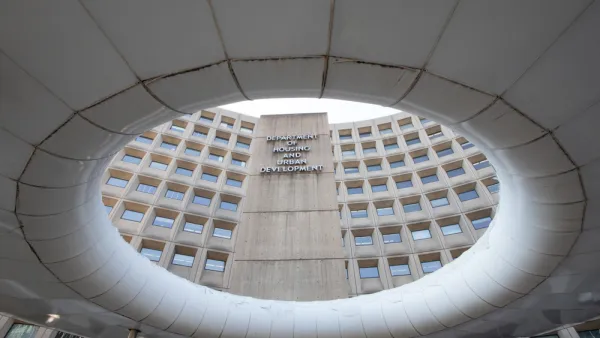
Trump Administration Proposal Would Eliminate Fair Housing Protections
The Trump administration last week published its latest attempt to undermine a fair housing rule adopted during the Obama administration.
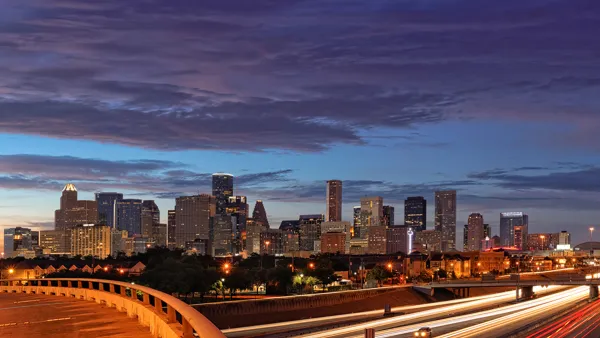
Changes in Houston Over the Last Decade
Comparing Houston in 2010 to the city today reveals a variety of transportation, infrastructure, and economic changes.
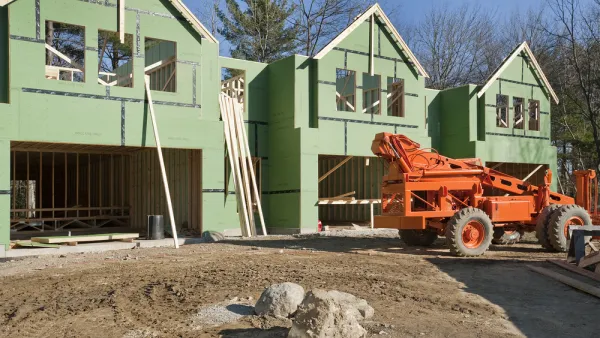
Report: Low Housing Production Stymies Entry-Level Buyers
According to this report, the trends point to a "less diverse, older, higher-income" crop of homebuyers as low production locks out the young and many people of color.

FREE Course: Walkable City 1: Why Walkability?
After describing his path towards focusing on walkability as the essence of good planning, Jeff Speck marches through his five principal reasons for making more walkable places.
Reinventing Malls: Planning Alchemy—Turning Gray Fields Into Gold
The course focuses on the opportunities and imperatives that shape reinvention of mall sites.

City of Charlotte
City of Rosemead
Rutgers University, Edward J. Bloustein School of Planning and Public Policy
University of Michigan School for Environment and Sustainability (SEAS)
Hunter College, City University of New York (CUNY)
The Architects Foundation
University District Partnership









