The United States is still mostly populated by white people, but there are plenty of places where that is no longer true.


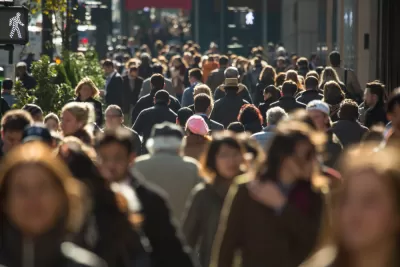
Jens Manuel Krogstad From writes about demographic trends: "In the United States, the white share of the population is declining as Hispanic, Asian and black populations grow. But the shift to a more diverse nation is happening more quickly in some places than in others."
Between 2000 and 2018, the white population share fell below 50 percent in 109 counties, according to the Pew Research Center analysis promoted by the article. "Overall, 293 U.S. counties were majority nonwhite in 2018," reports Krogstad.
The article includes infographics to help visualize the data reported, and a lot more detail and insights to help understand the effect of demographic change. Another way of understanding the nation's demographic changes, according to Krogstad, is to also note the counties where data shifted the opposite way: "From 2000 to 2018, just two counties went from minority white to majority white: Calhoun County in South Carolina and West Feliciana Parish in Louisiana, each with relatively small populations of about 15,000."
Read the full story: Reflecting a demographic shift, 109 U.S. counties have become majority nonwhite since 2000
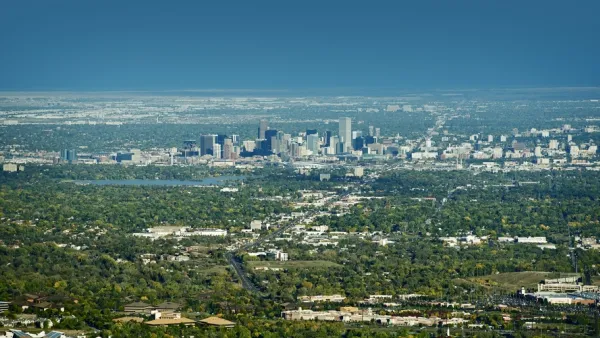
The Changing Demographics of Denver's Suburbs
The Colorado Demographer's Office is projecting big changes for the demographics of the suburban counties and cities surrounding Denver—even as overall growth for the region is expected to slow.

Racial Segregation in U.S. Neighborhoods
Despite the intentions of the nation's fair housing laws, neighborhoods in the United States continue to segregate by race.
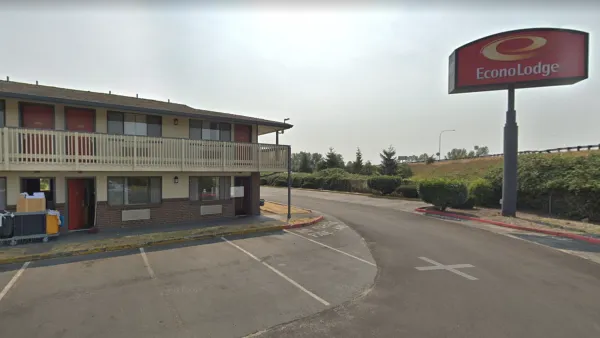
Dispute Over Siting of Coronavirus Quarantine Facility in Washington State
The Seattle area is ground zero for the coronavirus in the U.S., where 10 of the 11 deaths as of March 5 have occurred. King County's decision to purchase a motel in Kent for use as a quarantine facility is being met with protests by city officials.

Planetizen Federal Action Tracker
A weekly monitor of how Trump’s orders and actions are impacting planners and planning in America.

California plans to bury El Niño’s downpour
If the state plays its cards right, it may be able to store a billion acre-feet of El Niño’s water in aquifers.

Desperate measures: Advocates weigh draining Lake Powell to fill Colorado River
Draining the reservoir could reduce evaporation losses by a couple hundred thousand acre-feet.

Post election, Texas is no longer Musk’s 'AI oasis'
Elon Musk dolled out $446 million on the 2026 midterms, the most ever spent by a non-canidate.

Chicago voters approve permanent festival grounds, penalty for vacant property owners
Currently, major summer and fall festivals take over public parks for weeks at a time, drawing criticism from nearby residents

NYC votes to cut outdoor dining red tape, speed up permitting
New York City also voted to allow the Department of Transportation to begin work on urgent projects before notifying elected officials.

FREE Course: Walkable City 1: Why Walkability?
After describing his path towards focusing on walkability as the essence of good planning, Jeff Speck marches through his five principal reasons for making more walkable places.
Reinventing Malls: Planning Alchemy—Turning Gray Fields Into Gold
The course focuses on the opportunities and imperatives that shape reinvention of mall sites.

City of Rosemead
Rutgers University, Edward J. Bloustein School of Planning and Public Policy
One Hundred Miles
Hunter College, City University of New York (CUNY)
The Architects Foundation
University of Cincinnati Online
City of Cambridge
Montrose County
The Pocatello Development Authority