Social / Demographics

COVID-19 and Big, Dense Cities That Aren't New York
As in metropolitan New York, big, dense cities don't always suffer from coronavirus to a greater extent than their car-oriented suburbs.
Racial Equity, Starting With Planning Departments
A recent journal article argues for planners to lead on racial equity.
States to Train Public Health Armies to Move Beyond Mitigation to Containment
As some governors open nonessential businesses, subjecting workers and customers to potential viral infection, others move beyond social distancing to the next steps, boxing in the coronavirus with testing, contact tracing, isolation, and quarantine.

Density Debate Rages Alongside the Pandemic
Questions about how highly contested questions about the future of the built environment will reference COVID-19 for years to come. The question about whether that debate will achieve any actual change is still very much up for debate.
Pandemic and the Ills of Age Segregation
Older generations have increasingly segregated over the past century-plus of U.S. history, and the pandemic is only one more example of why that's a problem for young and old.
Census Bureau Launches Data Collection Projects to Track COVID-19 Effects in Real Time
Three new projects will help provide a better sense of the economic and societal effects of the pandemic.
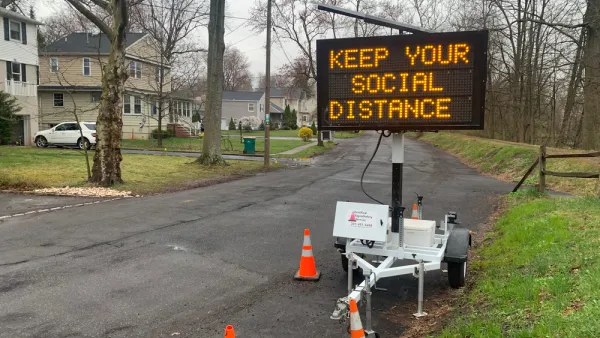
Coronavirus Spreading to the White, Trump-Voting Suburbs
The spread of coronavirus doesn't fit a tidy demographic narrative, according to new analysis by William Frey.
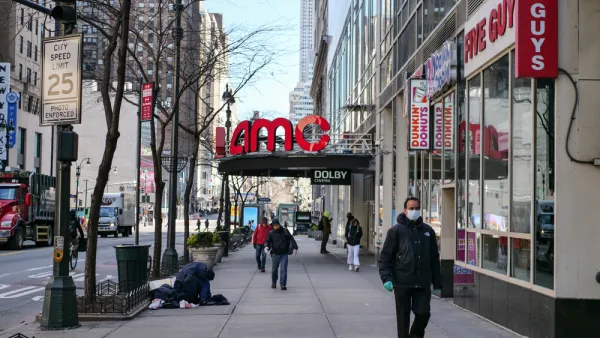
Late Action, Local Opposition Frustrate Emergency Homeless Shelter Plans
Some progress, but not nearly enough, has been reported as California and its cities scramble to procure temporary shelters to house homeless people during the pandemic.

Clean Water Crisis Exacerbated by Coronavirus
Communities have demanded access to clean water for decades, in some cases. The coronavirus pandemic is compounding the struggle and illustrating the inadequacy of most local government responses.
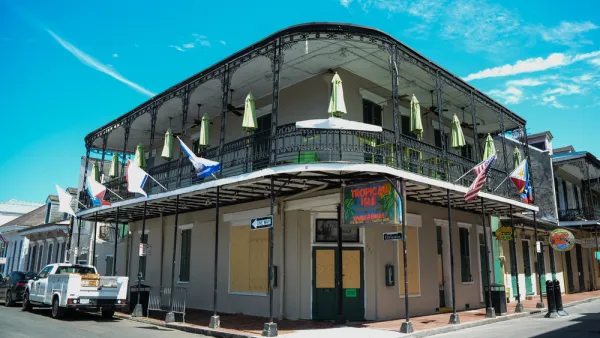
'Glaring' Racial Disparities Revealed in Louisiana COVID-19 Data
New data from the Louisiana Department of Health provide the most detailed look at the disparate impacts of the coronavirus across racial lines.

U.S. Needs to More Than Triple Testing Before States Can Open, Study Says
The United States currently tests about 145,000 people daily. A Harvard study calls for a minimum of 500,000 daily, but that's on the low end if the country wants to prevent shutting down again due to a second wave of the coronavirus.
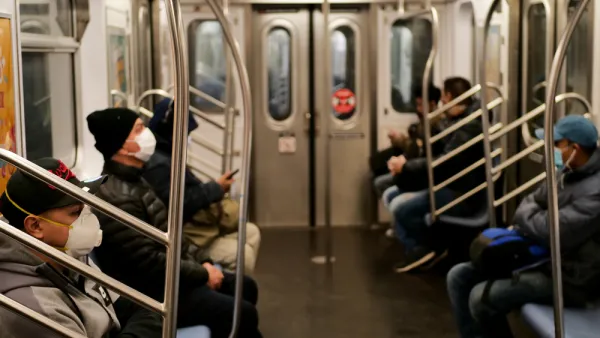
Subway-Coronavirus Connection Suffers From Lack of Evidence
There is little evidence that the New York Subway is spreading the coronavirus, according to analysis by Alon Levy.

Demand Expected to Slow in U.S. Rental Market
Analysis from the Joint Center for Housing Studies of Harvard University predicts the pandemic will reduce rents, but only at the top of the market.
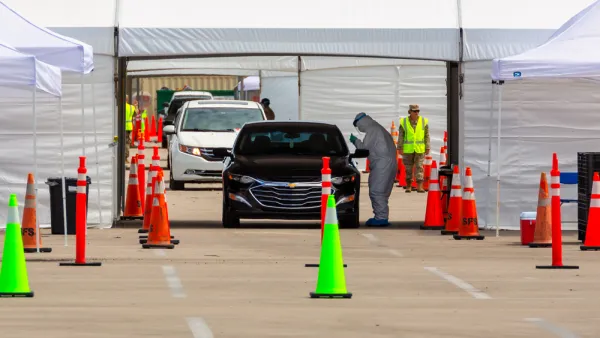
Seattle Needs Walk-Up Testing for People Without Access to Cars
Disability rights advocates and people who rely on public transit put pressure on Mayor Jenny Durkan to develop a plan for pedestrian access to coronavirus testing centers in Seattle.
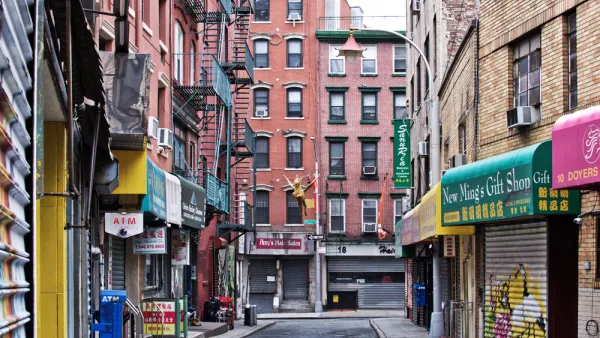
The Geography of Low-Income Job Losses
The historic job losses of the past two months have hit the most vulnerable workers harder than others, so far. The Urban Institute estimated and mapped where more low-income jobs have been lost.

Coronavirus Shuts Down Food Processing Plant as President Pushes Reopening Economy
As President Donald Trump eyes May 1 for "opening up states," he might want to look at states that never shut down businesses to understand his public health advisor's warning that "the virus makes the timeline."

How the Post-Pandemic Future Could Resemble the Pre-Pandemic Future
Response to coronavirus challenges in urban settings will likely be a continuity of work started decades ago.
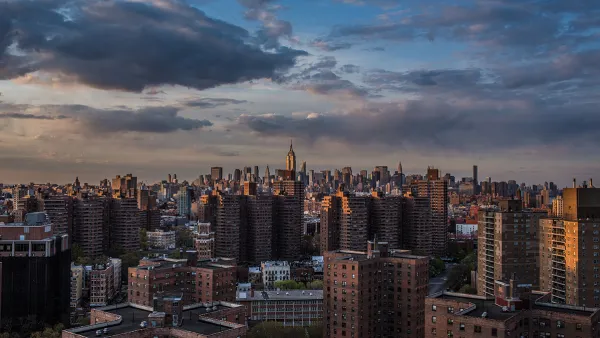
Expanding Housing Choice Vouchers Would Strengthen the Safety Net
An expanded housing voucher program is needed to address the medium- and long-term economic consequences of COVID-19.
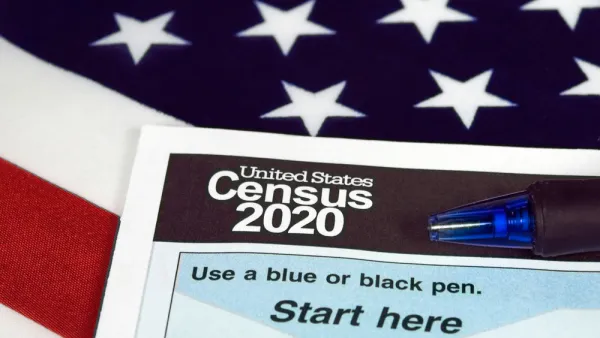
Census Bureau Seeks Delay
Citing complications from the coronavirus pandemic, the U.S. Census Bureau is seeking a 120-day delay in concluding the Census process, with potential consequences lasting into 2021.
COVID-19 Impacts on the Future of Transportation
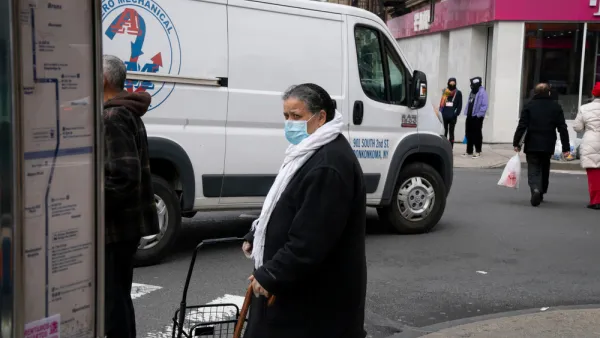
MoveLA's Denny Zane and Gloria Ohland assess the impact of the COVID-19 pandemic on public transit.

FREE Course: Walkable City 1: Why Walkability?
After describing his path towards focusing on walkability as the essence of good planning, Jeff Speck marches through his five principal reasons for making more walkable places.
Reinventing Malls: Planning Alchemy—Turning Gray Fields Into Gold
The course focuses on the opportunities and imperatives that shape reinvention of mall sites.

City of Charlotte
City of Rosemead
Rutgers University, Edward J. Bloustein School of Planning and Public Policy
University of Michigan School for Environment and Sustainability (SEAS)
Hunter College, City University of New York (CUNY)
The Architects Foundation
University District Partnership









