Social / Demographics
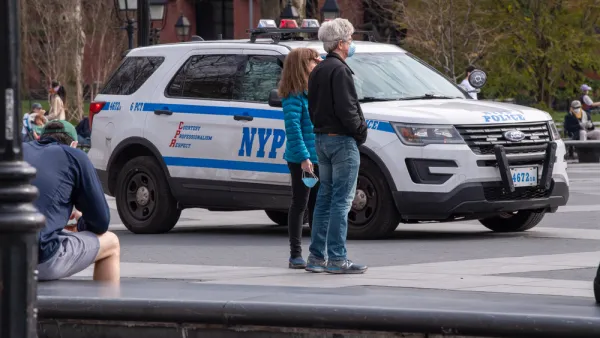
Which Cities Are Becoming More Violent?
Some cities have become significantly more violent since the George Floyd protests began—but not all. Why have some cities been more successful than others?
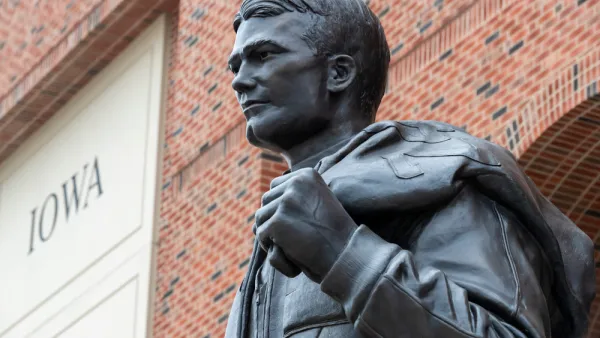
Coronavirus College Clusters Stress Town and Gown Relationship
College towns that have been observing public health guidelines and seen relatively few COVID-19 cases are now seeing infections spike as young people return to take classes. The New York Times has been tracking cases in colleges and college towns.
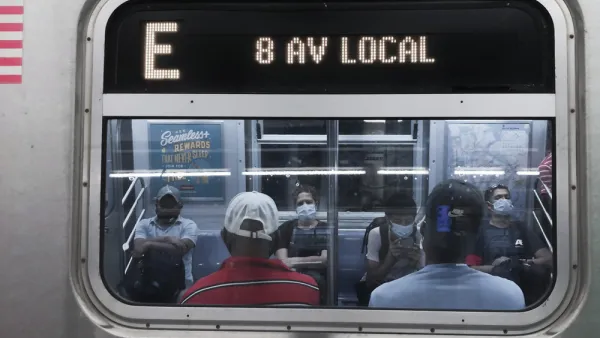
Formerly Redlined Neighborhoods Have Higher COVID-19 Prevalence, Study Says
Add COVID-19 to the list of long-term consequences of the racist and discriminatory regulatory and lending practices of the 20th century.
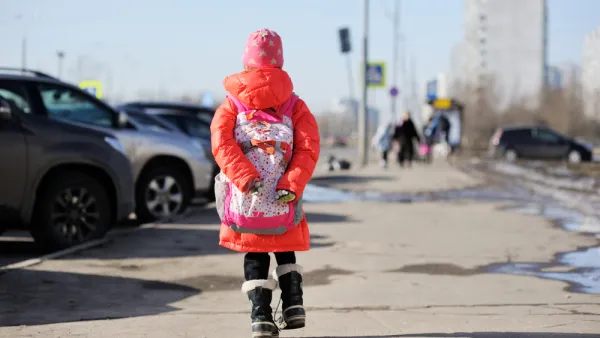
6 Ways to Ensure Equitable Cities for Children
A city that fosters the mental and physical health of children is safer for everyone. Six key planning and design considerations promote the well-being of the city's youngest residents.
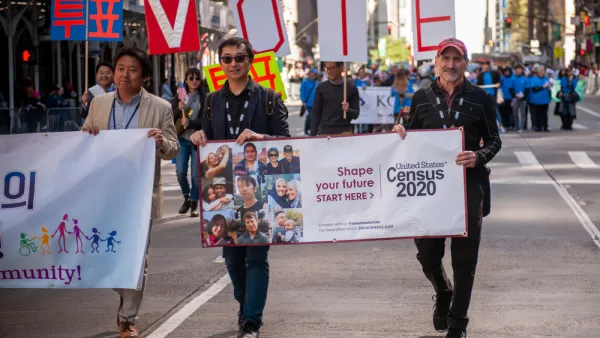
How Planners Can Help the Census to a Strong Finish in 2020
The 2020 Census is sorely lacking in leadership, but planners can help.
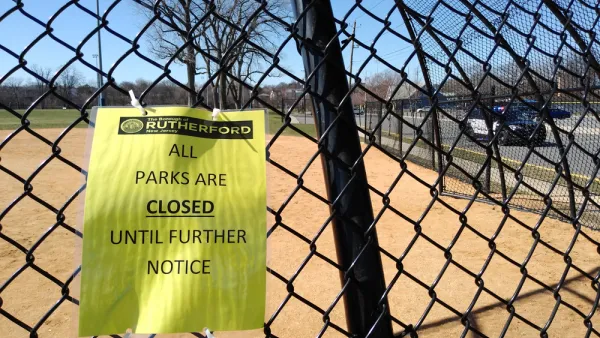
Has the Lack of Access to Parks Driven Up COVID-19 Infection Rates in Black and Latino Communities?
Experts indicate that it is too soon to conclude that the lack of access to parks has contributed to higher coronavirus infection rates in Black and Latino communities, but say there is likely a relationship between the two.

How Regional Planning Can Be Antiracist
Under new board president Rex Richardson, the Southern California Association of Governments—the country's largest MPO—has pledged to combat racism through regional planning, including equitable housing development.
Coronavirus Wastewater Testing Yields Positive Results at Universities
Wastewater testing is being hailed as a success at the University of Arizona, credited for stopping a COVID outbreak. In Utah, wastewater analysis forced almost 300 students to quarantine for four days while awaiting their test results.
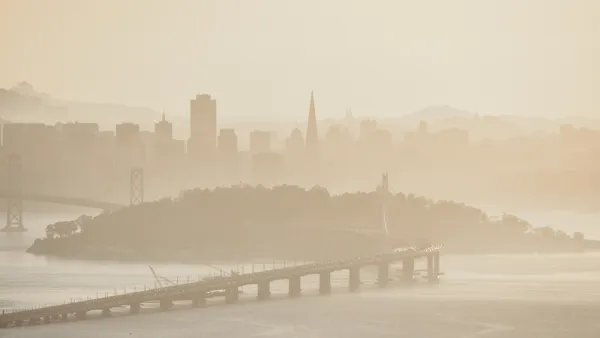
Wildfire Smoke Affecting Communities Across the Country
Wildfires in California and Colorado are spewing out smoke that is traveling to other parts of the country. The health effects of the dirty air are substantial, and they could last long after the fires are out.
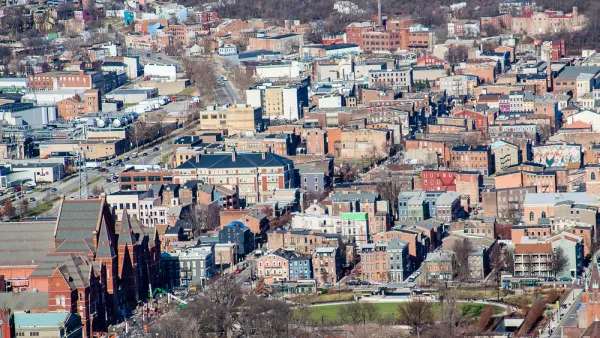
Cincinnati Program Helps Renters With Security Deposits
For low-income renters, security deposits can be a hurdle they cannot overcome. Cincinnati's “renters’ choice” program aims to help with that challenge by providing alternatives to traditional security deposits.
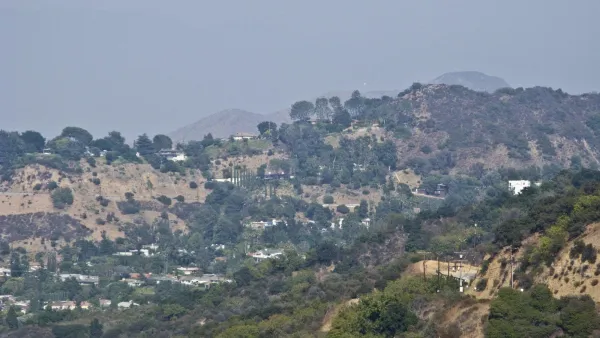
How Urban Form Created Classic Rock
A great many factors converged to create the culture and music of the 1960s. A powerful, but often overlooked, factor was the Los Angeles neighborhood of Laurel Canyon. A new documentary provides a case study in urban creativity.
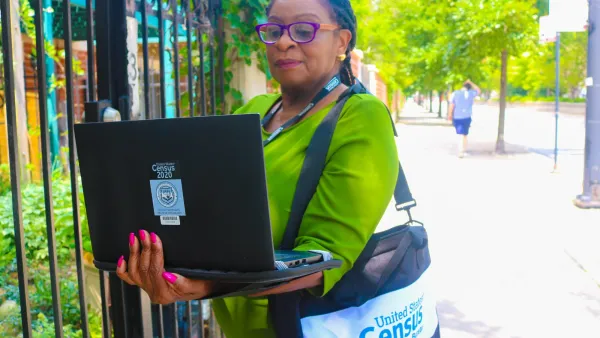
Census Undercount Will Have Long-Lasting Repercussions
An undercount is likely this year, particularly in communities that are traditionally underrepresented. As a result, cities will not have access to crucial federal funds over the next decade.
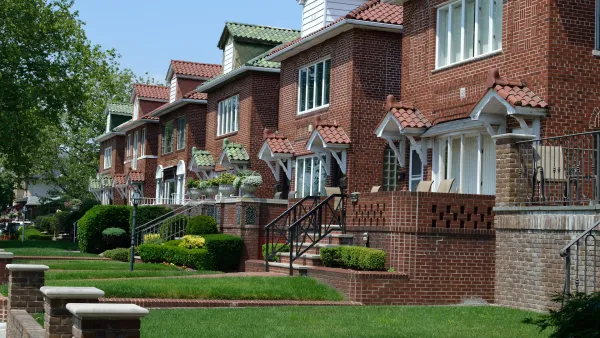
What Trump Gets Wrong About America’s Suburbs
The Trump administration’s talk about protecting the suburbs is based on misrepresentations of who really lives in suburbs and what these communities need.
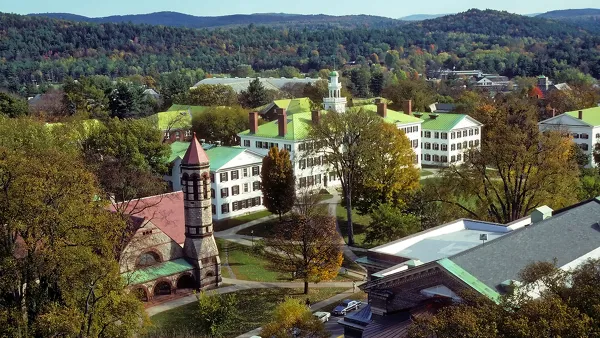
College Campuses Offer Opportunity to Demonstrate COVID Containment Strategies
As college students return for the fall semester, college towns are rightfully concerned about an influx of COVID cases, yet self-contained campuses have the potential to succeed where local and state governments may have failed.

Critics Say Boston Tree Removal Plan Reflects Environmental Racism
A road project in Boston involves removing hundreds of mature trees. Residents say the plan is an environmental justice issue.
The Compounding Dangers of the Virus and Natural Disasters
As Hurricane Laura intensified into a Category 4 storm, public officials had to make decisions about evacuation during a time of sheltering in place. Researchers at Texas A&M University developed a risk index to guide decisionmaking processes.
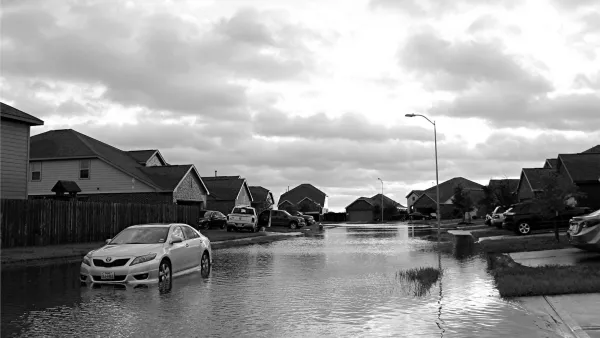
The Racial Inequity of Disaster Recovery
Disaster recovery in the Houston area has been inconsistent, with low-income residents of color continuing to struggle to put their lives and communities back together.
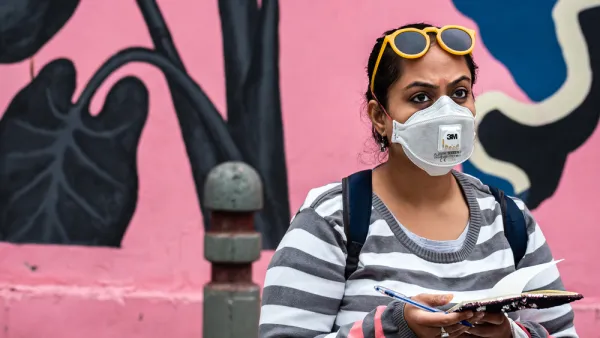
The Changing Geography of the Pandemic
During the pandemic's first phase in March and April, the Northeast was devastated by COVID-19. After Memorial Day, the surge was in the South and West. As cases decrease nationwide, they are now spiking in the Midwest, particularly North Dakota.
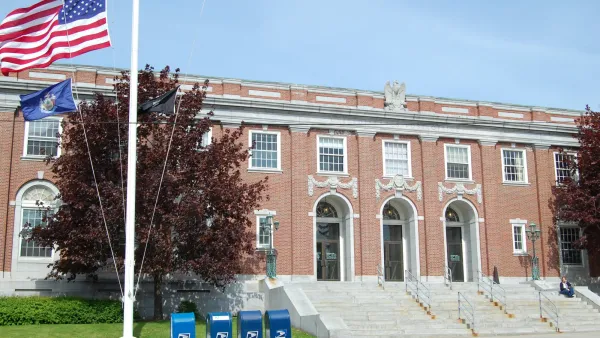
If the Postal Service Erodes, So Does American Life
An urban designer argues that protecting the U.S. Postal Service is crucial for maintaining civic values, social ties, and urban life.

How to Adopt Long-Term Anti-Racism Solutions as an Urbanist
Nic Esposito calls for an "anti-racist reframe" of urbanism to address the attitudes and policies that have perpetuated racist systems and upheld capitalism at all costs.

FREE Course: Walkable City 1: Why Walkability?
After describing his path towards focusing on walkability as the essence of good planning, Jeff Speck marches through his five principal reasons for making more walkable places.
Reinventing Malls: Planning Alchemy—Turning Gray Fields Into Gold
The course focuses on the opportunities and imperatives that shape reinvention of mall sites.

City of Charlotte
City of Rosemead
Rutgers University, Edward J. Bloustein School of Planning and Public Policy
University of Michigan School for Environment and Sustainability (SEAS)
Hunter College, City University of New York (CUNY)
The Architects Foundation
University District Partnership









