Social / Demographics

San Diego Considers Cutting Short-Term Rentals by Half
In a bid to address concerns about vacation rentals in residential neighborhoods, the San Diego Planning Commission recommends cutting the number of short-term rentals in the city in half.
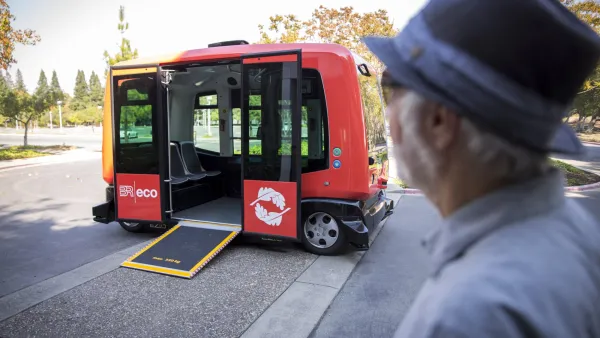
Keeping Senior Drivers Safe Requires Better Public Transit
Using alternate transportation and driving less can help older drivers keep themselves and others safe. But with many living on fixed incomes in car-dependent communities, how realistic is the NHTSA’s recommendation for a "transportation plan"?
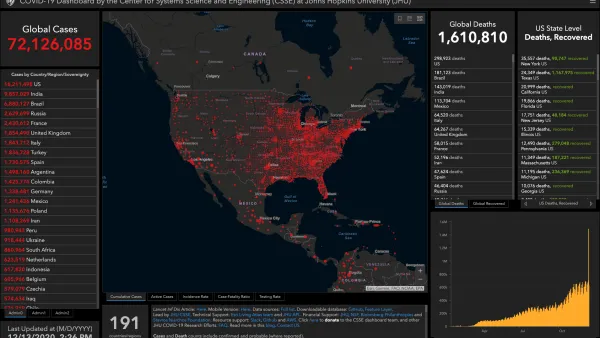
Top Websites for Urban Planning – 2020
Planetizen's annual list of the best of the planning Internet in a year inextricably defined by the uncertainty and constraints of the COVID-19 pandemic.
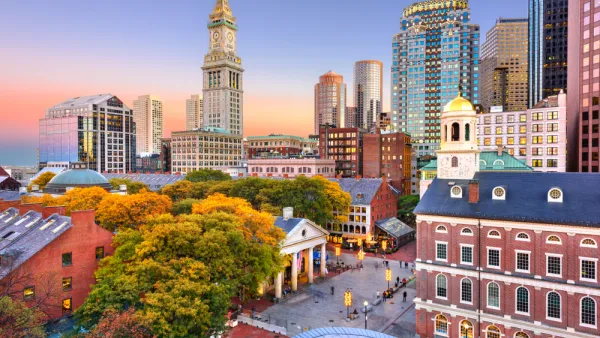
Rethinking Place Governance to Advance Equitable Development
The Boston Foundation's first Place Leadership Network process offers lessons in how to build place-based coalitions to advance the cause of equity.
Do Americans Want More Housing, or More Zoning?
The answer depends on how the question is phrased.

Pandemic Geography: What's Wrong in Rhode Island?
The nation's smallest and second densest state has led the country in daily new cases per capita of coronavirus infections for the last week, supplanting the Midwest and Mountain States where the virus has reigned for months.
A Milestone for the American Community Survey
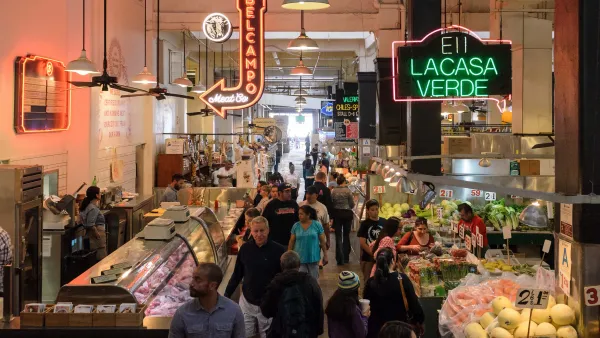
After releasing new five-year estimates this week, the American Community Survey now offers three sets of five-year data that don't overlap, providing even more data for the analysis of local trends.

The Race Barriers of American Cities
The United States has a long and insidious history of erecting structures to control the movements of African Americans in urban and suburban spaces.
Insights From the Latest Livability Index
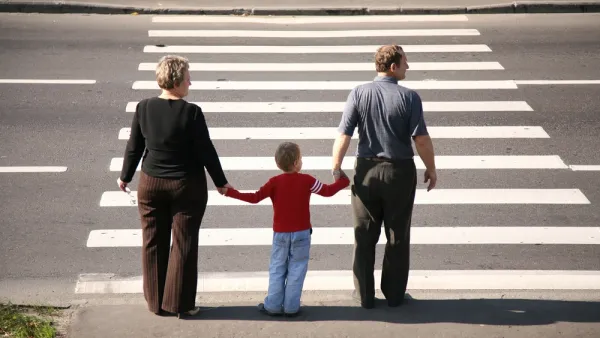
The latest edition of the AARP Livability Index reveals the U.S. regions with more of the kinds of neighborhoods that offer quality of life benefits for residents of all ages.
Nine Months Later: How the Pandemic Is Changing Communities
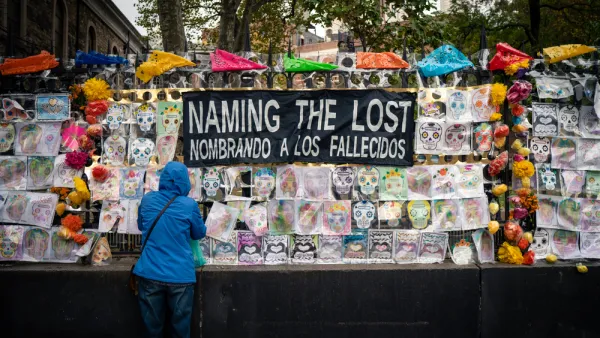
Planetizen shares the latest in a series of compendia tackling the effects of the pandemic, now and in the future, for cities and communities.

The Pandemic's Most Critical Health Metric Just Shut Down Most of California
Gov. Gavin Newsom, who issued the nation's first stay-at-home order to mitigate the spread of the coronavirus, issued a new order to prevent hospitals in the nation's most populous state from being overwhelmed with COVID patients.
Environmental Neuroscience Reveals the Diversity of City Experiences
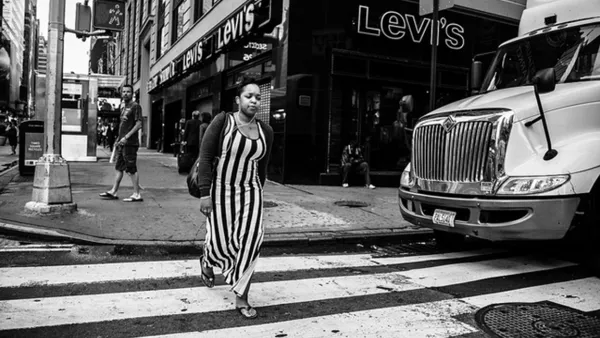
You know what racial equity means, but have you heard of 'experiential equity'? Environmental neuroscientist Robin Mazumder explains the term and how it can inform our understanding of equity in the built environment.
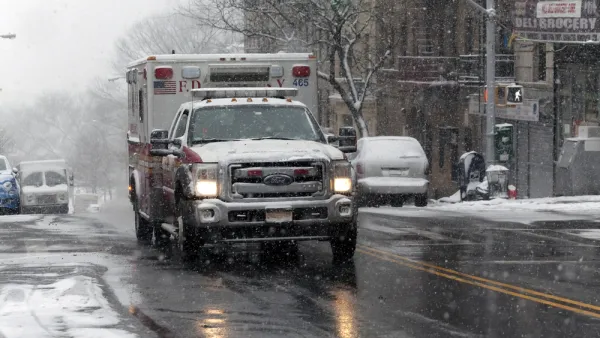
Hospitals and Healthcare Workers Brace for Influx of COVID Patients
Coronavirus infections, while at record-high levels, have decreased during the past week, unlike hospitalizations, which are still surging. Public health experts expect it to get a lot worse due to the Thanksgiving holiday travel.

Lack of Septic Systems Spell Disaster for Low-Income Alabama Residents
Low-income Alabama residents who can't afford the cost of a functional septic tank run the risk of heavy fines and even arrest in addition to extremely unsafe conditions.

We Are (Sort of) Less Polarized Than in 2016
After moving toward Democrats for decades, central cities moved toward Republicans in 2020.
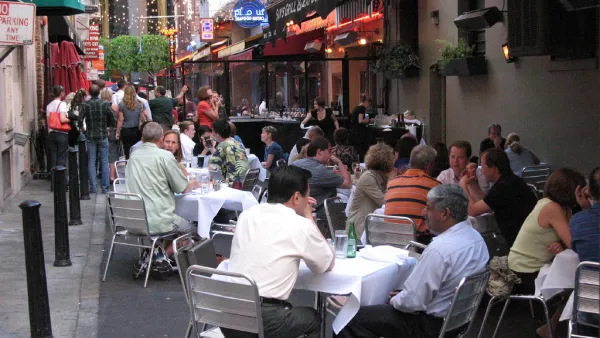
Do You Have The Place Gene?
Everybody does, says Bill Fulton. Here's how to hone yours—and talk to people who you think don't have it.
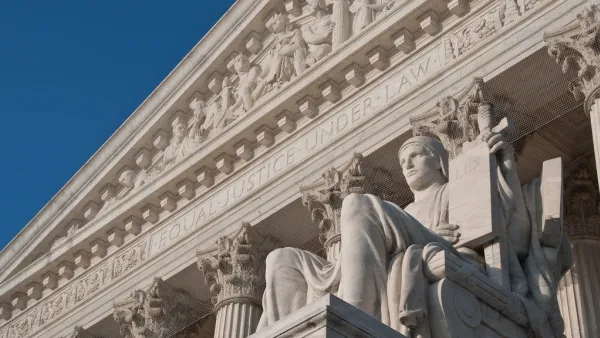
SCOTUS: Freedom of Religion Trumps Public Health in a Pandemic
In a late-night 5-4 ruling on the eve of Thanksgiving, the U.S. Supreme Court ruled that a governor's executive order to stem the spread of a contagious virus can not impede the right of people to gather in a church.
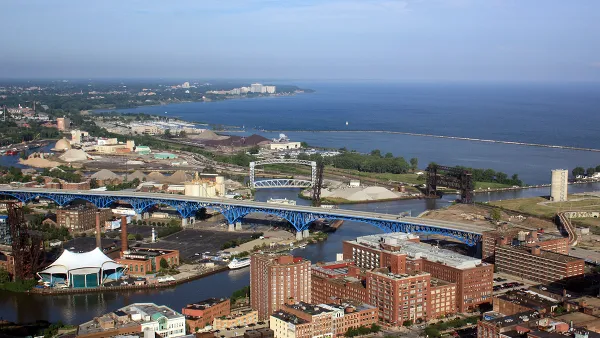
Cleveland Has Yet to Recover From the Last Recession
Decades of racist policy and a lack of critical resources have left Cleveland in a perpetual state of economic fragility. The city can't afford another recession.
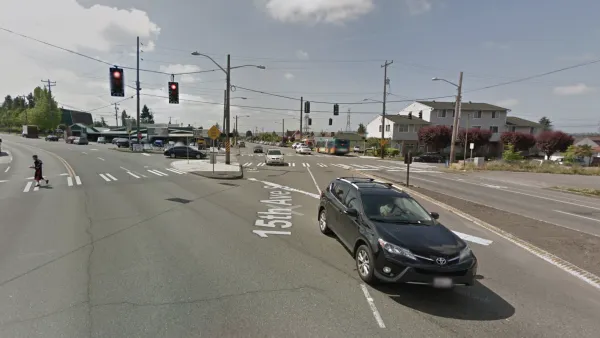
Seattle Lacks Accessible Pedestrian Signals At Most Intersections
Processing a growing backlog of requests, Seattle Department of Transportation must prioritize which intersections will be made accessible.

The Legacy of Chicano Urbanism in East Los Angeles
Fifty years after the Chicano Moratorium, James Rojas reflects on the future of Latino Urbanism.

FREE Course: Walkable City 1: Why Walkability?
After describing his path towards focusing on walkability as the essence of good planning, Jeff Speck marches through his five principal reasons for making more walkable places.
Reinventing Malls: Planning Alchemy—Turning Gray Fields Into Gold
The course focuses on the opportunities and imperatives that shape reinvention of mall sites.

City of Charlotte
City of Rosemead
Rutgers University, Edward J. Bloustein School of Planning and Public Policy
University of Michigan School for Environment and Sustainability (SEAS)
Hunter College, City University of New York (CUNY)
The Architects Foundation
University District Partnership









