Social / Demographics

Where and Why Rezonings Are More Likely to Succeed
A new analysis of developer-initiated rezonings in Louisville, Kentucky sheds light on how the land use regulation system works.
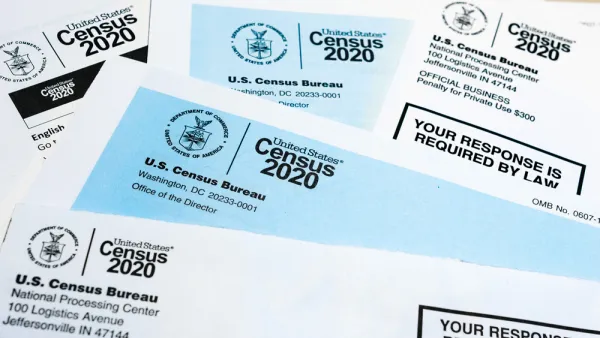
Detailed 2020 Census Data Coming in 2023
The data release was delayed in part so that the agency could implement a new privacy policy aimed at protecting the identities of respondents.

Fewer Women Riding Buses in Los Angeles
In a survey, riders expressed concern about safety, cleanliness, and timeliness on the region’s buses and trains.

Tracking Boston’s Emissions Reduction Progress
The Boston Foundation published the “Inaugural Boston Climate Progress Report” earlier this month. Other U.S. cities should follow their lead.

Homelessness Among Veterans Drops Sharply
The number of unhoused vets fell by more than 50 percent since 2016, with significant gains made in the last two years.

Report: Racial Gap in Home Appraisals Increasing
An analysis of government data reveals a growing gap in the appraised values of homes in white and Black neighborhoods.
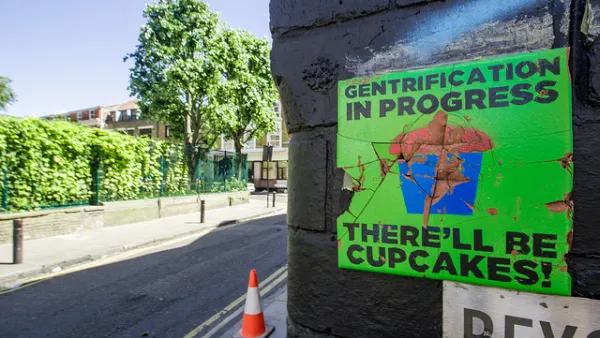
How to Recognize Gentrification
A new book digs into the politics and contradictions of the gentrification debate.

Mississippi Investigated for Civil Rights Violations in Jackson Water Crisis
The NAACP has accused a pair of Mississippi departments of discrimination against Black Mississippians, leading to the loss of drinking water in the state's capital city at the end of the summer.
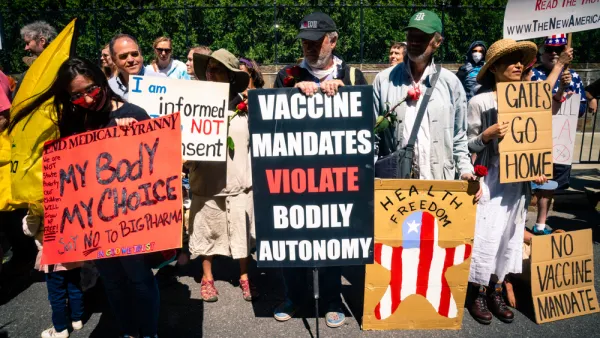
The Shifting Demographics of Covid-19
For most of the Covid-19 pandemic, Black Americans died at much higher rates than White Americans. That trend has reversed at times during the past year.
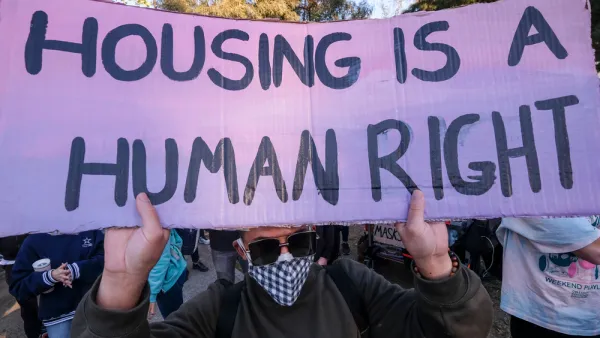
Unhoused People Overwhelmingly Want One Thing: Shelter
Two new studies shed light on what people experiencing homelessness actually need by using a shocking new tactic: asking them.
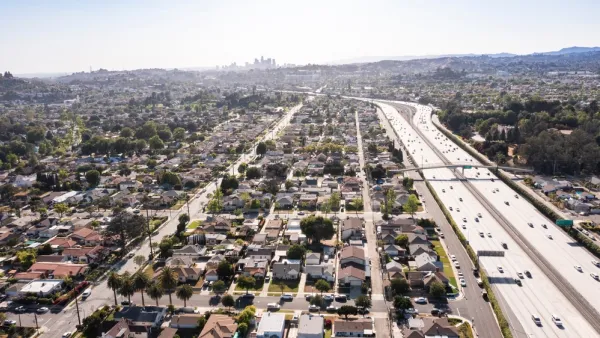
The Consequences of Sprawl: Overcrowded Housing and Covid Deaths
Los Angeles is the nation's capital of both crowding and sprawl. A feature published by the Los Angeles Times provides the history of how the metropolis achieved this contradiction.

Driving as a Risk Factor: A New Paradigm
New strategies are needed to achieve ambitious safety goals such as Vision Zero. This requires a paradigm shift, a change in the ways risks are measured and potential safety strategies evaluated.
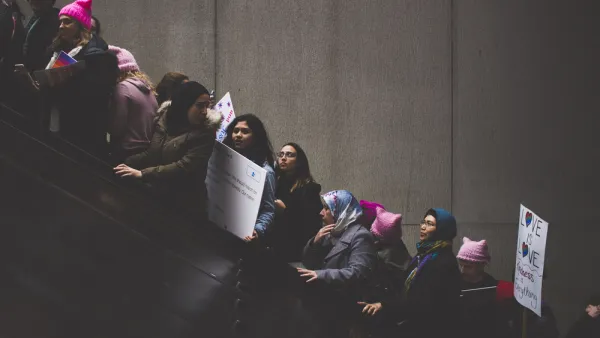
Breaking the Bias on Public Transport
How gender-sensitive data collection can make public transit safer for women.
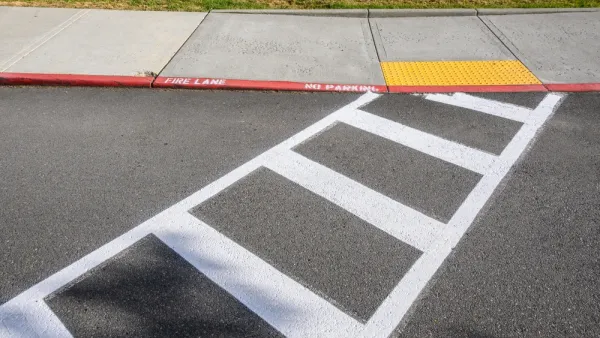
Following Lawsuit, Philadelphia to Add or Fix 10,000 Curb Cuts
Disability rights advocates won a settlement that directs the city to improve accessibility on its public roads over the next 15 years.

New Studies Shed Light on Relationship Between Zoning and Racial Integration
While zoning is just one of many factors impacting racial integration and economic mobility, it is an issue with some of the more straightforward solutions.
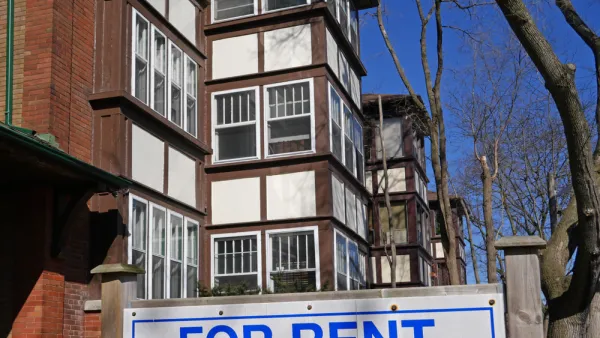
Renting on the Rise, With Consequences for Neighborhoods
A higher share of Americans are renters than at any point in decades. Neighborhoods all over the country, especially in downtowns, have many more renters than they did in 2010.
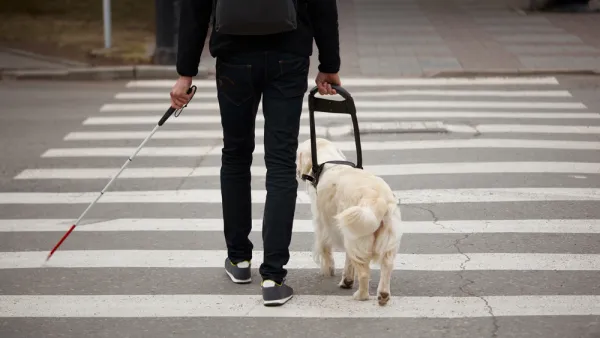
Opinion: Make Safe, Slow Streets the Default
For people with disabilities or limited mobility, a lack of safe infrastructure can cause significant disruptions, delays, and safety hazards.

Opinion: Opening Restrooms to Public Is Good for Business
For many people with chronic illnesses, access to public restrooms can be a critical medical issue. Incentivizing businesses to open their restrooms can fill a critical gap in U.S. cities.

"Imagineering" Versus Planning
The conference of the California chapter of the American Planning Association took place across the street from Disneyland this week. What Disney does for fictional landscapes, planners must do for real landscapes.

How Remote Work is Changing the Playing Field for Workers With Disabilities
The more widespread acceptance of working from home is helping millions of Americans with disabilities get back into the workforce and find better job opportunities.

FREE Course: Walkable City 1: Why Walkability?
After describing his path towards focusing on walkability as the essence of good planning, Jeff Speck marches through his five principal reasons for making more walkable places.
Reinventing Malls: Planning Alchemy—Turning Gray Fields Into Gold
The course focuses on the opportunities and imperatives that shape reinvention of mall sites.

City of Charlotte
City of Rosemead
Rutgers University, Edward J. Bloustein School of Planning and Public Policy
University of Michigan School for Environment and Sustainability (SEAS)
Hunter College, City University of New York (CUNY)
The Architects Foundation
University District Partnership









