Social / Demographics
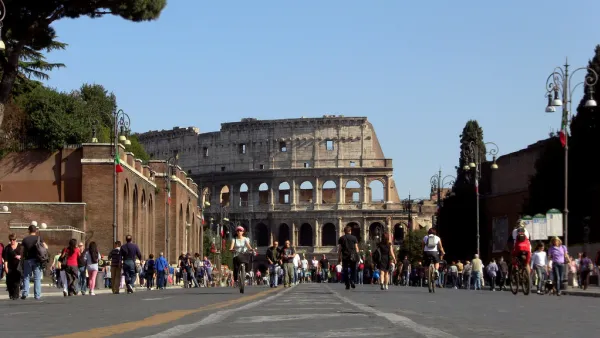
Walkability Reaches a Tipping Point
With the rise of globalization, and urbanization, people are rethinking how cities should be structured in terms of transportation and mobility. Is it possible to reconfigure auto-centric cities into pedestrian-friendly spaces?

Pondering the Continued Existence of the 'Rust Belt'
A recent spate of articles has pondered the concepts and planning strategies at work in the region of the country described as the Rust Belt.
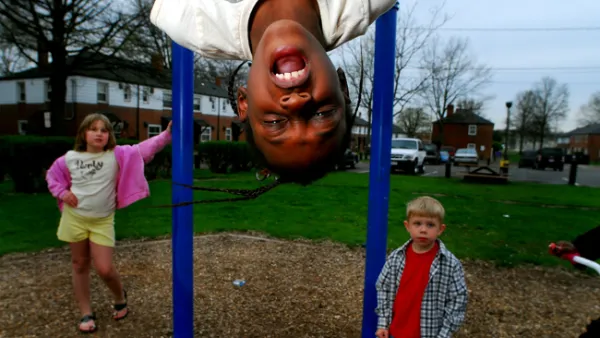
Housing Quality Can Impact Child Development
A home in poor physical condition can be "devastating" to a child's early development, a study of Cleveland kindergarteners found.
How Will L.A.'s New Inglewood Football Stadium Revitalize South Los Angeles?
The Los Angeles Rams COO details both the stadium's sustainable design and the positive impact the privately funded complex will have on Southern California.
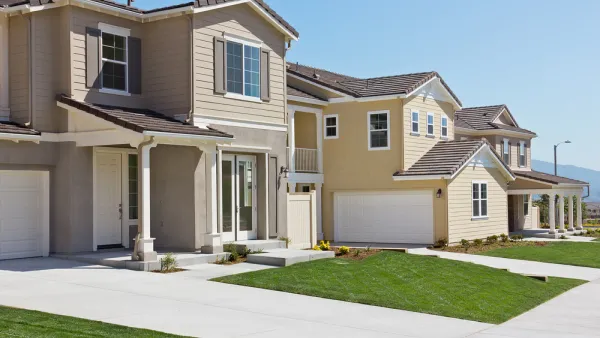
4 Reasons Home Ownership Won't Close the Racial Wealth Gap
Homeownership is often promoted as a way for low-income and minority families to build wealth. But it is those very families who assume the most risk in buying a house.

The Toxic State of Public Discourse and How to Clean It Up
Dave Biggs interviews author James Hoggan about his new book, "I'm Right and You're An Idiot: The Toxic State of Public Discourse and How to Clean It Up."
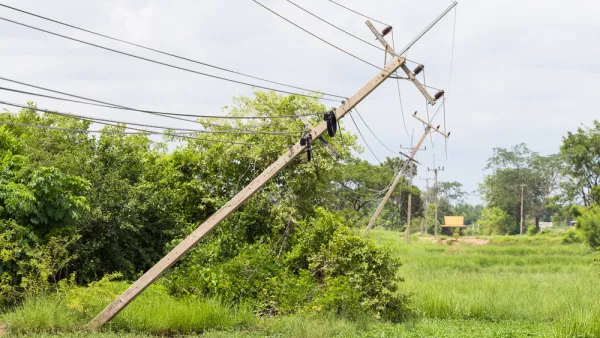
Broadband Inheriting the Discriminatory Patterns of Previous Infrastructure Systems
The challenges of bridging the digital divide are exacerbated by the racist legacies of previous infrastructure systems, according to a recent presentation to the New York Regional Plan Association.
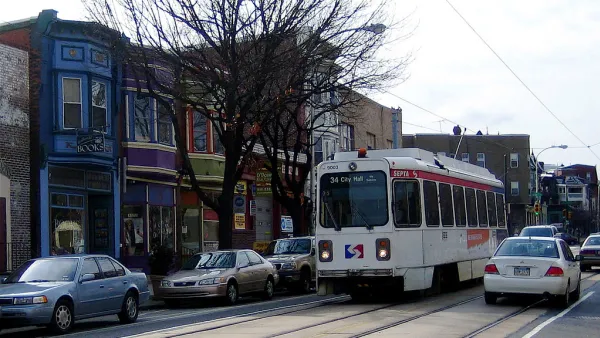
Families Departing Philadelphia for the Suburbs
That headlining claim is found in a recent research study from Pew Charitable Trust's Philadelphia Research Initiative—more demographic goodies are included.
The Sharing Economy Comes to Urban Public Schools
How one firm is integrating sharing economy principles to bolster Chicago's public schools.
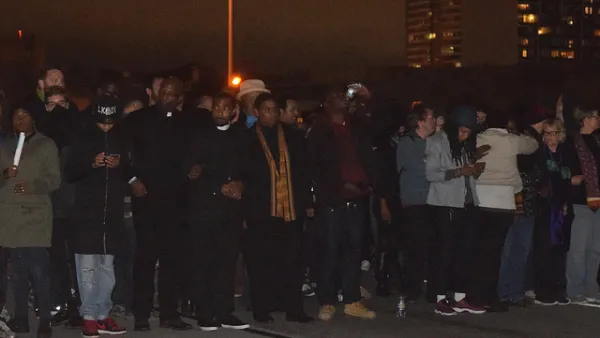
Why it Matters When Protesters Shut Down Highways
Emily Badger, writing for The Washington Post's Wonkblog, doesn't let planners off the hook for the racist history of highway planning around the country.

Population Analysis—Explained and Exemplified
Yonah Freemark provides a comprehensive explainer of the nuts and bolts of population analysis, applying that expertise to an examination of downtown population change.

Americans Shifting Away From the Auto, Maybe
The auto may no longer be "the quintessential symbol of American mobility, status and independence," opines Robert J. Samuelson for The Washington Post, as the latest demographic and auto ownership data point to a change in American mobility.
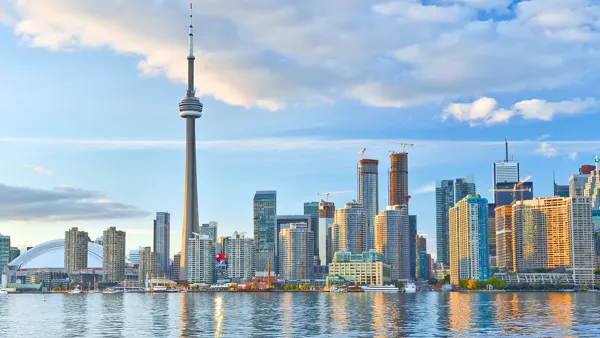
Toronto Is the Future
As part of "Guardian Canada" week, an author writes a paean to benefits of a growing, forward looking, diverse city.
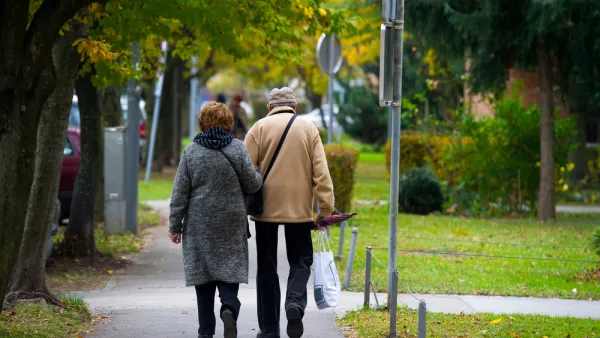
Suburbs Are Failing the Elderly
Around two-thirds of Baby Boomers in metropolitan areas live in the suburbs. But as they age, suburbia seems less and less hospitable.
A Summary of CNU24 Detroit
Miss the Congress for the New Urbanism in Detroit? Hazel Borys shares some highlights, with help from Twitter urbanists.
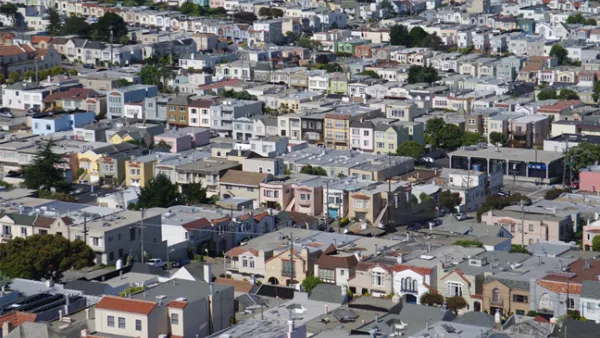
The Real Reasons Affordable Housing Isn't Being Built in California
The policy tools used to address our nation's housing shortfall often seem to worsen the problem. But this is because they ignore the underlying infrastructure and financing to support growth.
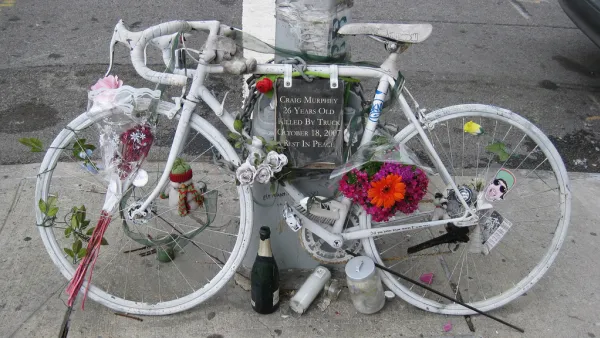
2015 Road Toll: 35,200 Fatalities
The National Highway Traffic Safety Administration (NHTSA) released preliminary fatality estimates for 2015. Deaths jumped by 2,525, an increase of 7.7 percent over 2014. Pedestrians and bicyclists saw the biggest increases.
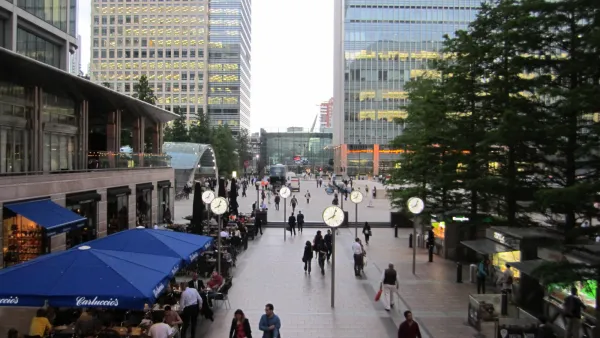
New Data on the Shift to Cities
It's no secret that urban centers are doing better today than they were 30 years ago. New FHFA data on housing prices confirms the trend and suggests that a changing environment (as opposed to changing preferences) account for it.
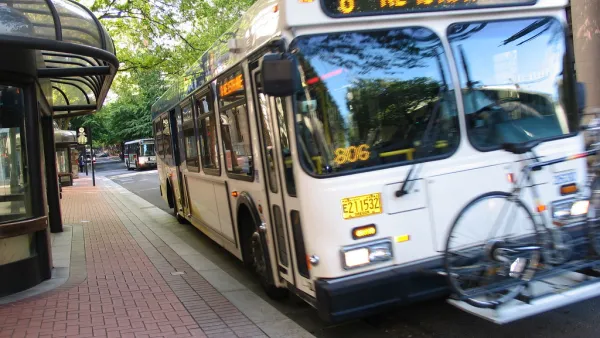
Riding the Bus in Portland: An Essay
Blogger and transit consultant Jarrett Walker paints a picture of Portland's Line 75, a workaday bus serving urban neighborhoods outside downtown. His reflections on radial and orbital journeys are worth a read.
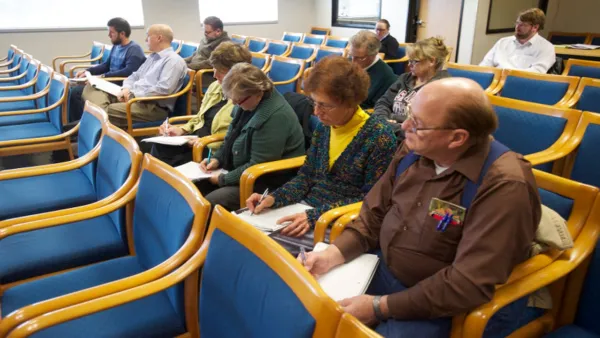
The 3 Most Common Community Engagement Mistakes
Planners, like any other professionals, live in a kind of bubble. Those charged with dealing with the public run the risk of expecting too much from residents as they design community engagement activities. Here are some of the most common mistakes.

FREE Course: Walkable City 1: Why Walkability?
After describing his path towards focusing on walkability as the essence of good planning, Jeff Speck marches through his five principal reasons for making more walkable places.
Reinventing Malls: Planning Alchemy—Turning Gray Fields Into Gold
The course focuses on the opportunities and imperatives that shape reinvention of mall sites.

City of Charlotte
City of Rosemead
Rutgers University, Edward J. Bloustein School of Planning and Public Policy
University of Michigan School for Environment and Sustainability (SEAS)
Hunter College, City University of New York (CUNY)
The Architects Foundation
University District Partnership









