According to the real estate website, urban home values are growing faster than those in the suburbs, bucking a longtime trend. This isn't exactly surprising, but it has serious social justice implications.


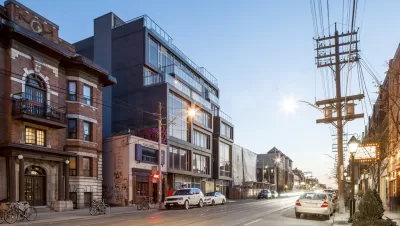
Current demographic trends have well-off households returning, at long last, to urban centers across the nation. Marc Stiles writes, "The result, according to Zillow, is suburbs will change to become more like cities to attract residents. This already is happening in Seattle suburbs, such as Burien, Bothell and Redmond, whose downtowns are adding residential units and urban amenities."
It can be safely said that the era of white flight—or wealth flight at least—from the cities has come to a close. "Nationally, suburban home values grew 5.9 percent in 2015, while urban homes gained 7.5 percent in value. In 1997, urban home values grew at 3.8 percent – slower than suburban values, which grew 4.1 percent that year."
If suburbs do not court density and employment corridors, as Zillow indicates they must, their eventual lower-income residents may be doubly handicapped. "Zillow has found that in San Francisco and Seattle, high-income people now have shorter commutes to downtown, while low-income folks are traveling much farther to get to downtown jobs."
FULL STORY: Role reversal as home values now climb faster in cities than suburbs

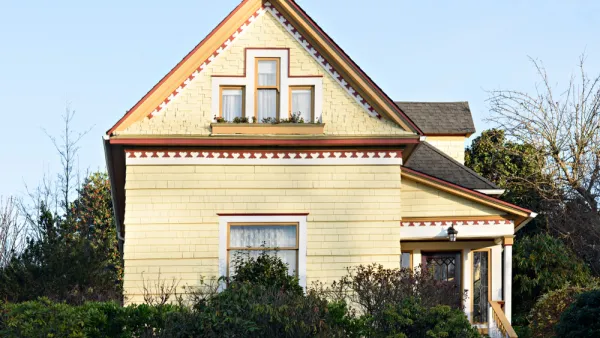
Zoned Out: Seattle Prioritizes Single-Family Residential
In Seattle, most (88 percent) of the city's new housing is being developed in a few small, already dense areas around the city. Most of the city is reserved for single-family housing.
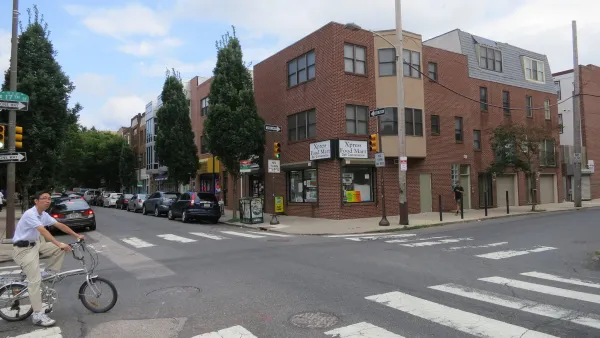
AIA: Demand for High-Density Development Is Down
For the first time in four years, a quarterly survey indicates “market saturation in urban areas.”
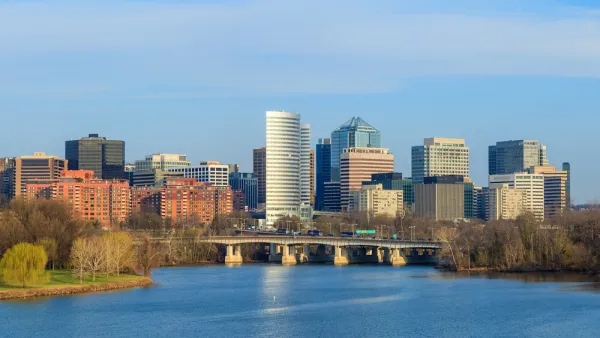
Cities Suburbanize While Suburbs Urbanize
As the internet makes retail more widely accessible, and poverty and density move to suburbs, the difference between cities and suburbs is shrinking, narrowing lifestyle choices.

The state-sanctioned urbicide of Austin
People don’t kill cities. Freeways do.

US to reduce Colorado River water deliveries to Mexico
A new Colorado Treaty amendment reduces Mexico’s Colorado River water allocation by 250,000 acre feet.

New Jersey’s second-largest city bans standalone data centers
Jersey City will continue to allow co-location facilities, such as those meant for research institutions that store their own data.

Amtrak not solely to blame for New Jersey commuter rail's unreliability, report finds
A new study from the Garden State Initiative found that NJ Transit’s budget grew 20% across a 4 year period, but reliability declined significantly over the same period.

EPA erases limits on planet-warming pollution from power plants
Under Monday’s plan, power plants would still have some limits on how much mercury, arsenic and other contaminants they can emit.

Phoenix announces new on-demand transit service, more frequent RAPID buses
Both new services will launch in October, and are part of Phoenix's Project Effective Access Solutions for Easing Congestion.

FREE Course: Walkable City 1: Why Walkability?
After describing his path towards focusing on walkability as the essence of good planning, Jeff Speck marches through his five principal reasons for making more walkable places.
Reinventing Malls: Planning Alchemy—Turning Gray Fields Into Gold
The course focuses on the opportunities and imperatives that shape reinvention of mall sites.

Eagle County Government
Harvard University Graduate School of Design
Nashville Planning Department
The Architects Foundation
University of Cincinnati Online
The Pocatello Development Authority
The Urban Renewal Agency of the City of Pocatello
Journal of the American Planning Association