As the internet makes retail more widely accessible, and poverty and density move to suburbs, the difference between cities and suburbs is shrinking, narrowing lifestyle choices.


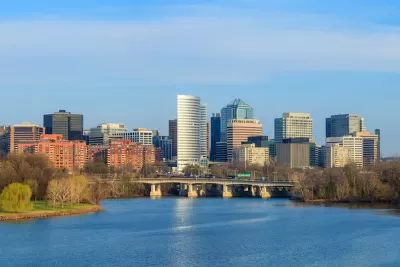
In a wide-ranging piece that explores changing cities, Tyler Cowen writes that the difference between cities and suburbs is under siege from scores of different adversaries. Factors as diverse as young people's supposed lack of interest in booze and sex, NIMBYism, and the wide availability of shopping. "Twenty years ago, D.C. residents would drive to the suburbs for retail shopping. The chaining of urban America, plus the ascent of Amazon, has made this largely unnecessary," Cowen writes.
But shopping is just part of the trend, as NIMBYs make cities less dense and push poor people out of cities, "Poverty, which used to be a problem of cities and rural areas, is an increasingly suburban phenomenon, with municipalities and counties unprepared for their new burdens," Cowen opines. Cowen argues that cities were destinations for those seeking alcohol and sex, and he cites a study that indicates a trend toward less premarital sex and less drinking among young people as another engine for the change in cities. If you don't find that convincing, your humble author didn't either.
Read the full story: Cities and Suburbs Are Becoming Pretty Similar
New Poverty and Income Data Reveals a Tale of Two Types of Cities
While the country overall made progress, larger cities are making stronger gains against poverty.
Zillow: Suburbs Becoming More Like Cities
According to the real estate website, urban home values are growing faster than those in the suburbs, bucking a longtime trend. This isn't exactly surprising, but it has serious social justice implications.
NPR Turns Its Attention to Cities
Announced this week by All Things Considered hosts Melissa Block and Robert Siegel, National Public Radio is launching a new series called the NPR Cities Project and they're asking listeners for their input.

Desperate measures: Advocates weigh draining Lake Powell to fill Colorado River
Draining the reservoir could reduce evaporation losses by a couple hundred thousand acre-feet.

Eastern Nebraska is running out of electricity
Data centers and electrification are straining eastern Nebraska’s grid, throttling economic development.

Malls are becoming the midtowns of the future
Mall and office park redevelopments are a generational opportunity to create new nodes of urbanity.

NYC breaks ground on anti-flooding infrastructure project
New York City's new system will reduce stormwater flows to local sewers by 90%.

One Kentucky town’s secret to affordable housing
The Smoketown Community Land Trust has already built seven affordable homes for community members.

Houston gains petal-shaped cooling infrastructure to make streets more ‘delightful’
The city has installed the pavilions along 15 blocks in Houston.

FREE Course: Walkable City 1: Why Walkability?
After describing his path towards focusing on walkability as the essence of good planning, Jeff Speck marches through his five principal reasons for making more walkable places.
Reinventing Malls: Planning Alchemy—Turning Gray Fields Into Gold
The course focuses on the opportunities and imperatives that shape reinvention of mall sites.


City of Rosemead
Rutgers University, Edward J. Bloustein School of Planning and Public Policy
One Hundred Miles
University of Michigan School for Environment and Sustainability (SEAS)
Hunter College, City University of New York (CUNY)
The Architects Foundation
City of Cambridge
Montrose County
The Pocatello Development Authority