Details of the parking and automobile-related revenue generated by the 25 largest cities in the United States reveals a wide range of potential effects arising from a future of self-driving cars.


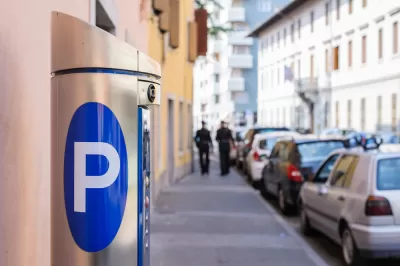
Governing has released the results of a survey of the 25 largest U.S cities "for revenues that could potentially be hindered by the proliferation of autonomous vehicles."
In all, cities took in a total of nearly $5 billion in fiscal year 2016 from parking-related activities, camera and traffic citations, gas taxes, towing, vehicle registration and licensing fees. That amounts to about $129 per capita for all 25 jurisdictions. The reported data, however, suggests the introduction of self-driving cars could have drastically different effects, with some cities experiencing far greater potential reductions in revenues than others.
As detailed in the article, the difference in how cities collect parking revenue will account for big discrepancies in the potential effect of self-driving cars. Parking fines, parking fee collections, and special parking taxes all figure into the equation. Still, it's likely that the $5 billion figure under reports the total revenue related to automobiles. Sales taxes related to automobile-related purchases and gas taxes are not figured into the survey.
The article presents the data in ten categories for all 25 large cities, as well as specific and detailed insight into parking and automobile-related revenue each of the 25 cities.
FULL STORY: Special Report: How Autonomous Vehicles Could Constrain City Budgets

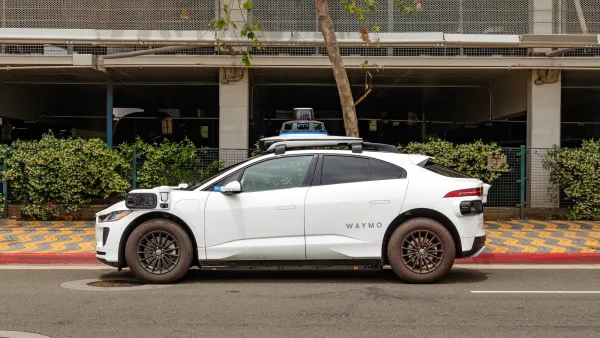
Austin Waymos rack up nearly $10k in parking tickets
The robotaxis have been cited for parking in tow zones and double parking, among other violations.
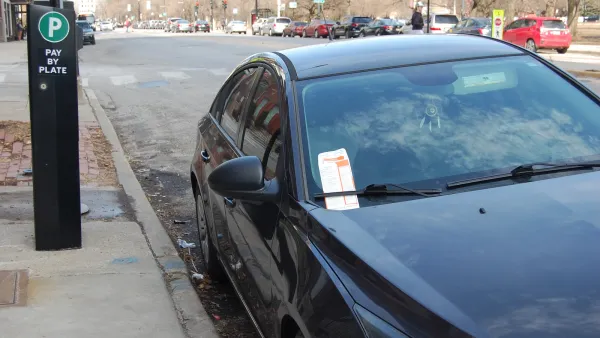
Chicago parking meters are for sale once again
Chicago's 75-year lease of its parking meters to an LLC puts revenue decisions in the hands of private investors.
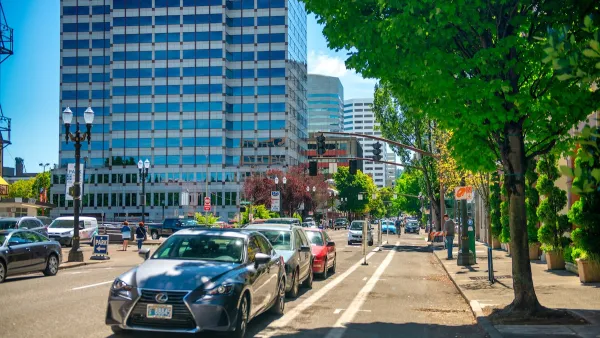
Portland Raises Parking Fees to Pay for Street Maintenance
The city is struggling to bridge a massive budget gap at the Bureau of Transportation, which largely depleted its reserves during the Civd-19 pandemic.

The state-sanctioned urbicide of Austin
People don’t kill cities. Freeways do.

US to reduce Colorado River water deliveries to Mexico
A new Colorado Treaty amendment reduces Mexico’s Colorado River water allocation by 250,000 acre feet.

New Jersey’s second-largest city bans standalone data centers
Jersey City will continue to allow co-location facilities, such as those meant for research institutions that store their own data.

Amtrak not solely to blame for New Jersey commuter rail's unreliability, report finds
A new study from the Garden State Initiative found that NJ Transit’s budget grew 20% across a 4 year period, but reliability declined significantly over the same period.

EPA erases limits on planet-warming pollution from power plants
Under Monday’s plan, power plants would still have some limits on how much mercury, arsenic and other contaminants they can emit.

Phoenix announces new on-demand transit service, more frequent RAPID buses
Both new services will launch in October, and are part of Phoenix's Project Effective Access Solutions for Easing Congestion.

FREE Course: Walkable City 1: Why Walkability?
After describing his path towards focusing on walkability as the essence of good planning, Jeff Speck marches through his five principal reasons for making more walkable places.
Reinventing Malls: Planning Alchemy—Turning Gray Fields Into Gold
The course focuses on the opportunities and imperatives that shape reinvention of mall sites.

Eagle County Government
Harvard University Graduate School of Design
Nashville Planning Department
The Architects Foundation
University of Cincinnati Online
The Pocatello Development Authority
The Urban Renewal Agency of the City of Pocatello
Journal of the American Planning Association