The city’s new $6.5 million "bridge shelters" are providing a place to stay, but not accomplishing what they set out to do.


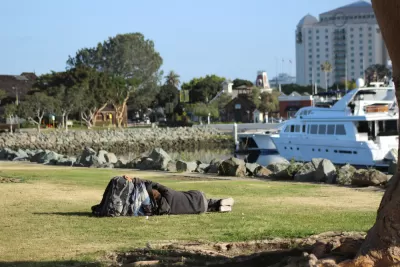
In the aftermath of the Hepatitis A outbreak last year, San Diego established three "bridge shelters," which originally were supposed to be a place for people who already had been given a housing subsidy but had not yet been matched with a permanent place to live.
But while hundreds of people have gone in, or gone in and come out and gone in again, only a fraction have been moved into homes or apartments.
"Critics," writes John Wilkins of the Union-Tribune, "say the poor performance is a reflection of a dysfunctional system that overemphasizes emergency shelters and hasn’t figured out how to align the community’s resources with the longer-term needs of the homeless."
San Diego has the fourth-largest homeless population in the nation, in part because it suffers from the same affordability crisis as other big cities in California (and elsewhere). Downtown San Diego doubled its number of housing units between 2010 and 2015, but saw rents double as well.
FULL STORY: City's shelters falling short of goals in finding permanent housing for the homeless


California Getting Way More New Jobs Than New Housing
Even with tons of building permits already issued this year, the outlook for the state’s affordability crisis is pretty grim.

Opinion: Los Angeles Needs More Housing, Fast
The shortage of housing at all price points in the region is the main driver of high costs and the growing homelessness crisis.
Phoenix Takes a New Approach on Homelessness
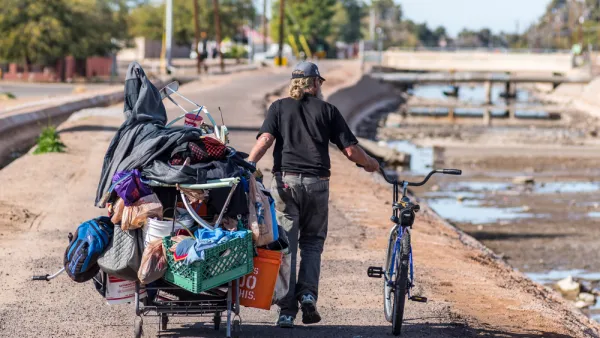
Phoenix is centering housing—affordable housing, permanent supportive housing, and eviction protections—in a new planning framework designed to reduce the number of homeless people living on the streets of the city.

The state-sanctioned urbicide of Austin
People don’t kill cities. Freeways do.

US to reduce Colorado River water deliveries to Mexico
A new Colorado Treaty amendment reduces Mexico’s Colorado River water allocation by 250,000 acre feet.

New Jersey’s second-largest city bans standalone data centers
Jersey City will continue to allow co-location facilities, such as those meant for research institutions that store their own data.

Amtrak not solely to blame for New Jersey commuter rail's unreliability, report finds
A new study from the Garden State Initiative found that NJ Transit’s budget grew 20% across a 4 year period, but reliability declined significantly over the same period.

EPA erases limits on planet-warming pollution from power plants
Under Monday’s plan, power plants would still have some limits on how much mercury, arsenic and other contaminants they can emit.

Phoenix announces new on-demand transit service, more frequent RAPID buses
Both new services will launch in October, and are part of Phoenix's Project Effective Access Solutions for Easing Congestion.

FREE Course: Walkable City 1: Why Walkability?
After describing his path towards focusing on walkability as the essence of good planning, Jeff Speck marches through his five principal reasons for making more walkable places.
Reinventing Malls: Planning Alchemy—Turning Gray Fields Into Gold
The course focuses on the opportunities and imperatives that shape reinvention of mall sites.

Eagle County Government
Harvard University Graduate School of Design
Nashville Planning Department
The Architects Foundation
University of Cincinnati Online
The Pocatello Development Authority
The Urban Renewal Agency of the City of Pocatello
Journal of the American Planning Association